
Earth is getting darker, and not just because of longer nights or more clouds. Scientists have discovered that our planet is reflecting less sunlight back into space than it used to. This dimming effect is happening faster than expected, and it’s connected to climate change in ways that create a worrying feedback loop.
When Earth gets darker, it absorbs more heat, which makes climate change worse, which makes Earth darker still. Most people have never heard about this problem, but it’s becoming a serious concern for scientists who study our climate. Here’s what’s happening and why we should be paying more attention to this change.
Earth’s reflectivity is called albedo.
Albedo is the scientific word for how much light a surface reflects. Bright surfaces like ice and snow have high albedo because they bounce lots of sunlight back to space. Dark surfaces like ocean water and forests have low albedo because they absorb more light instead of reflecting it.
When scientists talk about Earth getting darker, they mean our planet’s overall albedo is dropping. We’re reflecting less sunlight than we used to. This might not sound like much, but even small changes in how much light Earth reflects can have big effects on temperature.
Melting ice is the biggest cause.
Ice is brilliant white and reflects about 80% of sunlight that hits it. When ice melts and exposes dark ocean water or land underneath, that surface only reflects about 10% of sunlight. The rest gets absorbed as heat. We’re losing ice fast at both poles and in mountain glaciers.
The Arctic is warming twice as fast as the rest of the planet. As white sea ice disappears, it’s replaced by dark ocean that soaks up heat. This absorbed heat makes the water warmer, which melts more ice, which exposes more dark water. The cycle keeps accelerating.
Fewer bright clouds means more heat absorption.
Clouds reflect sunlight back to space, especially bright white clouds. But climate change is affecting cloud cover in complex ways. Some regions are getting fewer clouds overall, whilst other areas are getting different types of clouds that don’t reflect as much light.
Scientists have noticed particularly big changes in the Pacific Ocean, where there are fewer bright low-level clouds than there used to be. These clouds normally reflect lots of sunlight. Without them, more heat reaches the ocean surface and gets absorbed.
Forests are getting darker.
Healthy green forests already absorb quite a bit of sunlight, but they’re getting even darker. Droughts, fires, and pest damage are changing forest canopies. Dead trees and stressed vegetation are darker than healthy ones. Some forests are being replaced by different species that absorb more light.
In places like the Amazon and boreal forests, large areas are shifting from carbon sinks that cool the planet to carbon sources that warm it. These darker, damaged forests also reflect less light. What were once cooling systems are becoming heating systems.
Snow is getting dirtier.
Snow and ice are getting covered with more dust, soot, and particles from pollution and wildfires. This makes white surfaces darker and greyish. Even a thin layer of dark material on snow dramatically reduces how much light it reflects.
When snow gets dirty, it absorbs more heat and melts faster. This creates another feedback loop. More wildfires produce more soot that lands on snow, making it darker, which makes it melt faster, which reduces reflectivity more. Each element makes the others worse.
The ocean is absorbing more heat.
Oceans cover about 70% of Earth’s surface, and they’re naturally dark compared to ice or clouds. As ice melts and cloud patterns change, proportionally more of Earth’s surface is dark ocean water. The ocean is really good at absorbing heat from sunlight.
Warmer oceans mean more water evaporation, which changes weather patterns, which affects cloud formation, which changes albedo more. The ocean heating up is both a cause and an effect of Earth getting darker. It’s all connected in ways that amplify the problem.
Scientists measure this with satellites.
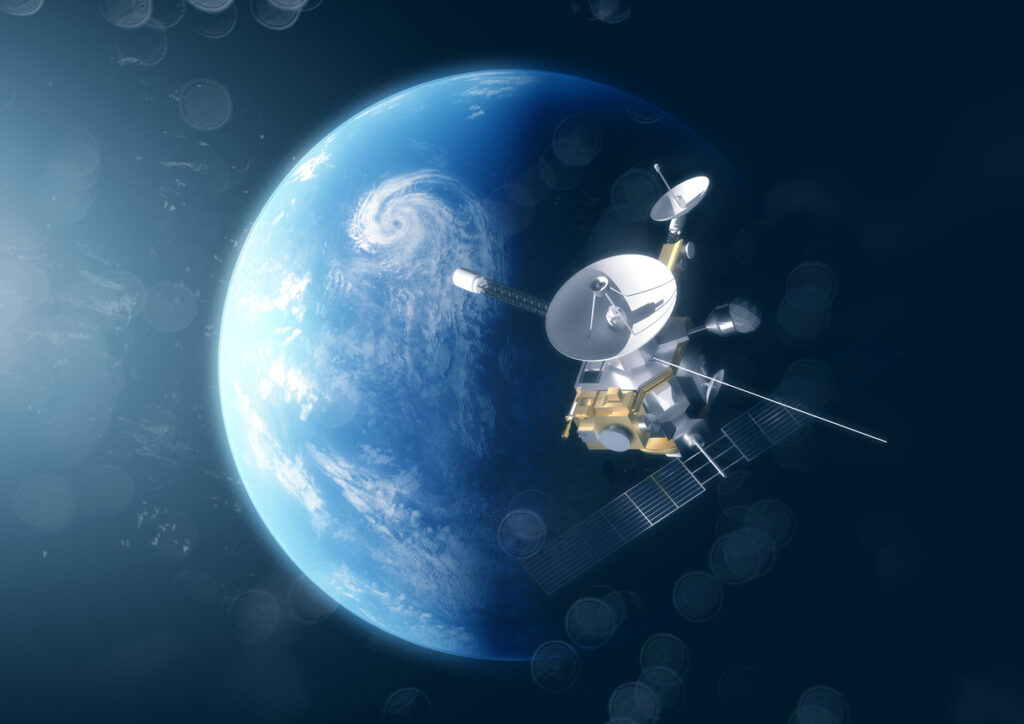
Satellites in space measure how much light reflects off Earth continuously. By comparing measurements over decades, scientists can track changes in albedo. Recent data shows a clear trend of decreasing reflectivity, particularly in the past 20 years.
The measurements show Earth is reflecting about half a watt less energy per square metre than it did 20 years ago. That might sound tiny, but spread across the entire planet, it adds up to massive amounts of extra energy being absorbed instead of bounced back to space.
This creates a dangerous feedback loop.
Climate change reduces ice and clouds, which makes Earth darker, which means more heat absorption, which causes more warming, which melts more ice and changes more clouds. Each step makes the next step worse. This is what scientists call a positive feedback loop, though there’s nothing positive about it.
These loops are dangerous because they can accelerate warming beyond what we’d expect just from greenhouse gases. We’re not just dealing with the warming from carbon dioxide, we’re also dealing with all these extra effects that pile on top and make everything worse faster.
It’s making climate predictions harder.

Climate models have to account for albedo changes to make accurate predictions about future warming. But these changes are happening faster and in more complicated ways than models expected. This means predictions keep needing updates as scientists learn more.
The dimming of Earth is one reason why recent warming has been at the higher end of predictions rather than the lower end. The planet is more sensitive to changes than we hoped. Understanding albedo properly is crucial for knowing how much warming to expect.
Some effects are regional and extreme.
The darkening isn’t spread evenly across Earth. The Arctic is experiencing the most dramatic changes because it’s losing so much ice. These regional differences create uneven warming patterns that affect weather systems and ocean currents.
When the Arctic warms much faster than other regions, it reduces the temperature difference between the poles and the equator. This difference drives weather patterns. Changing it causes weird weather like extreme heatwaves, unexpected cold snaps, and storms in unusual places.
Melting permafrost makes things worse.
Permafrost is permanently frozen ground in Arctic regions. When it melts, it exposes darker soil and releases methane, a powerful greenhouse gas. The darker soil absorbs more heat, which melts more permafrost. Methane accelerates warming, which melts more permafrost.
This is yet another feedback loop connected to Earth getting darker. The changes in the Arctic involve ice, snow, clouds, ocean, and land all interacting in ways that mostly make warming worse. It’s hard to stop these processes once they start.
There aren’t many good solutions.

Stopping Earth from getting darker means stopping the ice from melting and protecting cloud systems, which requires stopping climate change itself. There aren’t easy technical fixes. Some scientists have suggested extreme ideas like deliberately making clouds brighter or covering ice with reflective materials.
These geoengineering ideas are controversial and potentially dangerous. They’d be expensive, difficult to maintain, and could have unexpected side effects. Most scientists say the real solution is cutting greenhouse gas emissions to stop the warming that’s causing all these albedo changes.
Time is running out to act.
The feedback loops involving Earth’s albedo mean warming could accelerate beyond our ability to control it if we wait too long. Once enough ice melts and enough forests change, the planet locks into a warmer state that’s hard to reverse even if we stop emitting carbon completely.
Scientists worry we’re approaching tipping points where these changes become self-sustaining. The longer we wait to address climate change, the harder and more expensive it becomes to fix. Earth getting darker is a warning sign that we’re running out of time to prevent the worst outcomes of a warming planet.