A lot of people head into the countryside with completely the wrong idea about what counts as trespassing.
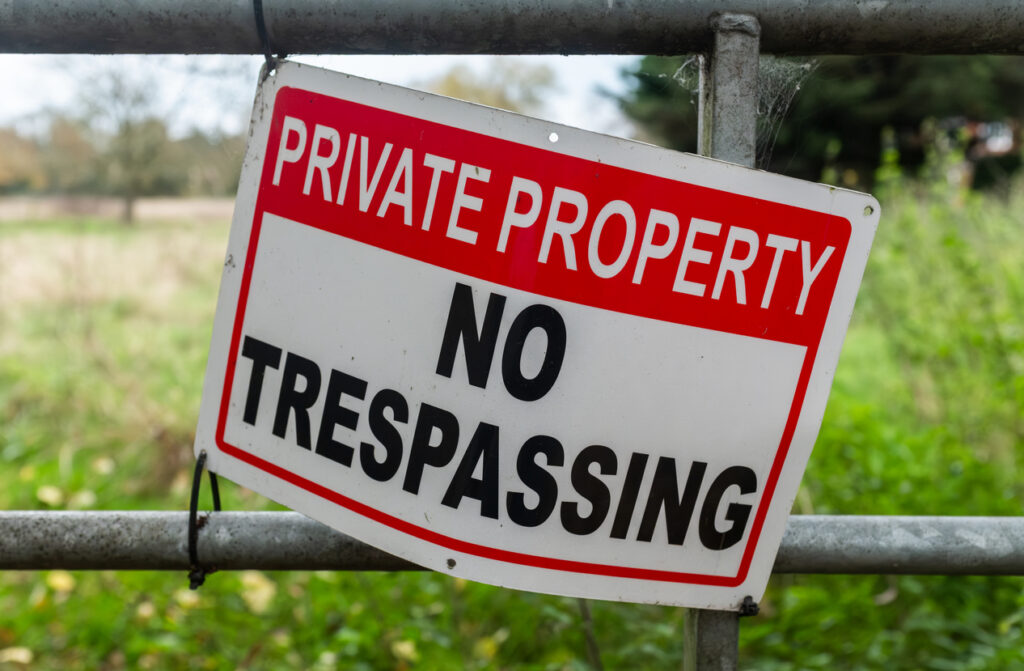
Some think stepping off a public footpath is a crime, some believe they can roam anywhere because it’s “nature,” and others panic the moment they see a private land sign. Most of these beliefs come from half-heard rules, old stories or confusion about how access rights actually work in the UK.
Once you understand the real laws, the whole picture becomes much clearer and far less intimidating. You can enjoy the outdoors with confidence instead of second-guessing every step or worrying about getting into trouble for something harmless. Here are the myths that cause the most confusion and the reality behind each one.
1. Trespassing is always a criminal offence.
In most cases, it isn’t. Trespass is a civil matter in England and Wales, meaning you can’t be arrested simply for walking across private land. The landowner can ask you to leave, but police are rarely involved unless damage or harassment occurs. Only certain situations, like trespassing on railways, military bases, or protected sites, count as criminal offences. For regular countryside walks, the law is much more forgiving than people think.
2. You can’t walk through private farmland
You can if there’s a public right of way. England and Wales have around 140,000 miles of public footpaths, bridleways, and byways, many of which cross private farmland. As long as you stay on the marked path, you’re perfectly within your rights. Farmers must keep these routes open and clear, even during lambing season or harvest time.
3. All private land is off-limits.
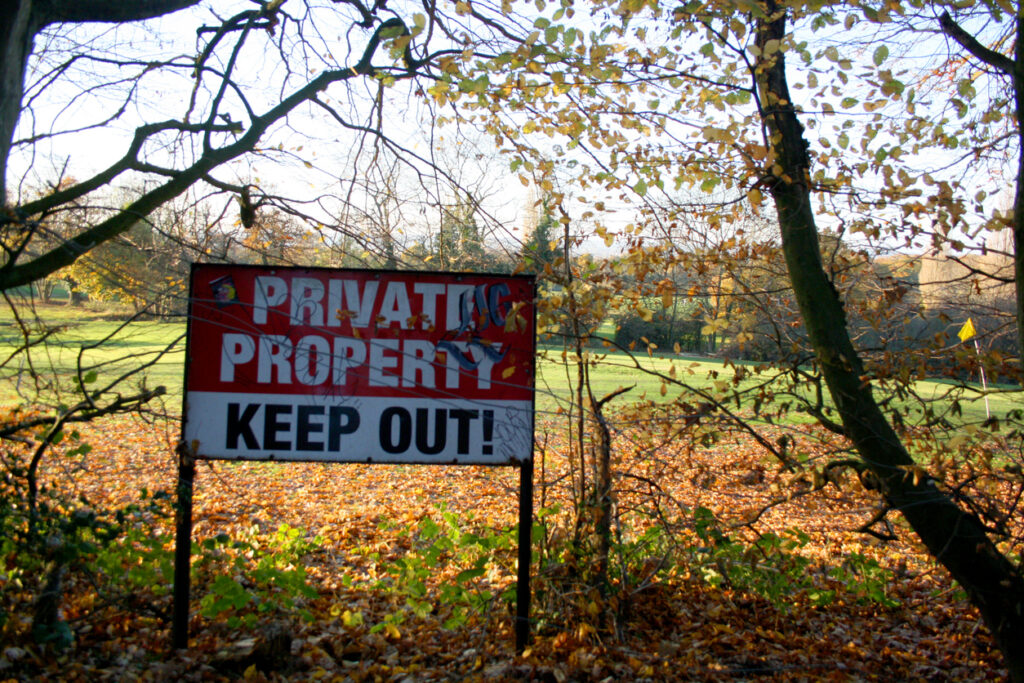
Large areas of private countryside are open to the public under the Countryside and Rights of Way Act (CROW) 2000. These include uplands, moors, heaths, and downlands designated as “open access” areas. That means you can walk freely across them without sticking to paths, though you still can’t camp, cycle, or light fires without permission. Scotland takes this even further, granting full outdoor access rights as long as you act responsibly.
4. If there’s no sign, it must be private.
No sign doesn’t mean no access. Some rights of way aren’t well-marked, especially in rural or overgrown areas, but they still legally exist. You can check Ordnance Survey maps to see which routes are public. Many walkers wrongly assume they’re trespassing when they’re actually on a legitimate footpath. The lack of signage often says more about local maintenance than about your right to be there.
5. You’re trespassing if you stop to rest or take photos.
Taking a quick break or snapping a picture on a public right of way doesn’t count as trespass. The right of way includes ordinary use, which covers short stops for rest, navigation, or enjoying the view. As long as you’re not obstructing access or damaging crops, you’re still within your rights. Landowners can’t stop you from using the path as intended.
6. Trespassing is the same across the whole UK.
The rules differ. In Scotland, the Land Reform Act 2003 gives everyone legal access to most land and inland water, as long as they behave responsibly. England and Wales, by contrast, have a more limited system of rights of way and access land. Northern Ireland’s laws are stricter still, with fewer open access areas and more reliance on landowner permission. So what counts as trespassing depends heavily on where you are in the UK.
7. You can’t be told to leave if you’re polite.
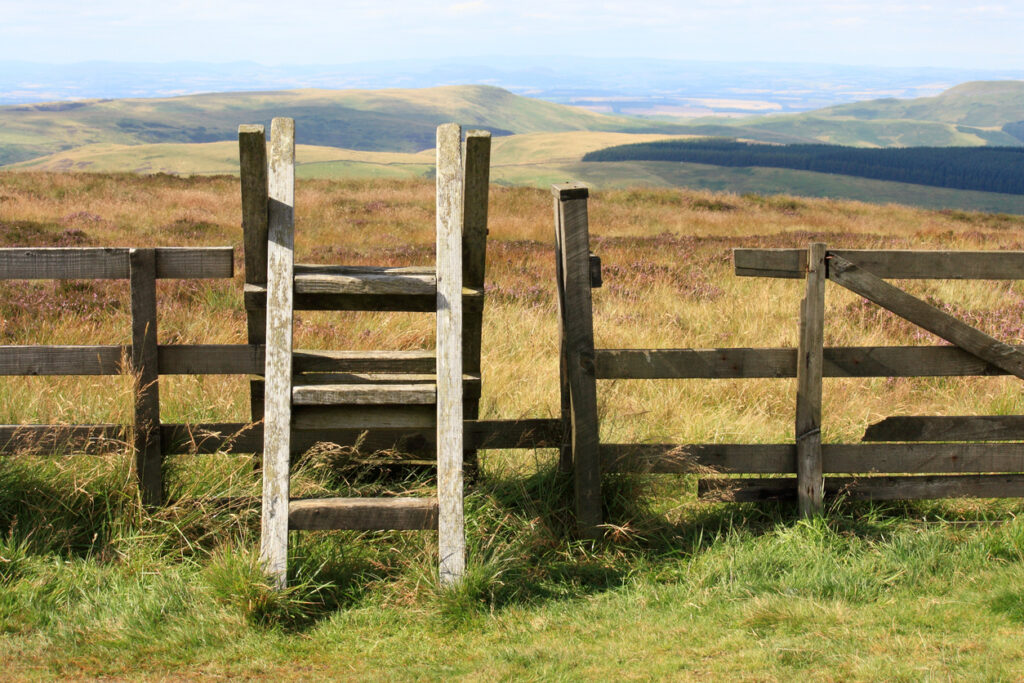
Even if you mean no harm, the landowner still has the right to ask you to leave private land. Once they do, refusing to go could turn a civil matter into potential trouble. The best approach is to stay calm, apologise if needed, and head back to a public path. Most conflicts arise from misunderstandings rather than deliberate rule-breaking.
8. Walking on a driveway or field edge is harmless.
Driveways and enclosed fields without public access still count as private property. Even a short detour can technically be trespass if it’s not part of a recognised route. However, the key word is “civil.” You’re unlikely to face any punishment unless you cause damage, disturb livestock, or ignore requests to leave. Common sense and courtesy go a long way.
9. Public footpaths can be closed whenever a landowner wants.
They can’t. Public rights of way are protected by law, and closing them requires local authority approval. Temporary closures for safety or maintenance are allowed, but only for specific reasons and limited periods. If you find a blocked gate or obstructed path, you can report it to the council’s rights of way department. Landowners who deliberately block access can be fined or ordered to restore the route.
10. You can’t walk along riverbanks.
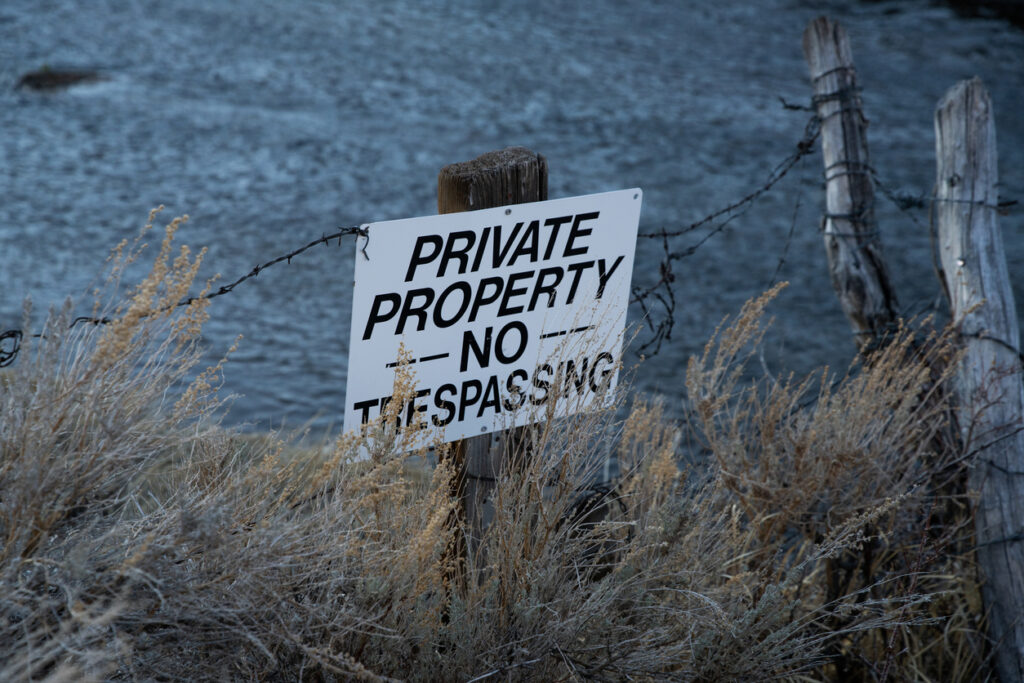
Many riverbanks have public footpaths beside them, especially those used historically for fishing or transport. However, the river itself may be private, so boating or swimming could still be restricted. Checking access maps before you go helps avoid confusion. Where paths do exist, walkers can enjoy them freely without risk of trespassing, even when they pass close to private property.
11. You can’t take dogs onto private land.
You can on public rights of way, provided you keep them under control and away from livestock. In lambing season, dogs should be on short leads at all times to prevent accidents. Some open access land may restrict dogs during certain months, but this will usually be signposted. Following the Countryside Code keeps you and your dog welcome wherever you walk.
12. Trespassers can be fined or sued easily.
Landowners can technically pursue civil action for trespass, but it’s rare and usually not worth the effort unless damage is caused. In most cases, you’ll just be asked to leave. For everyday walkers, knowing the difference between access rights and private property makes all the difference. The more informed you are, the more confident (and respectful) your countryside adventures will be.