While you might think of wildlife as something that belongs strictly in the woods or on a distant plain, more and more animals are deciding that living right on our doorstep is a much better deal.
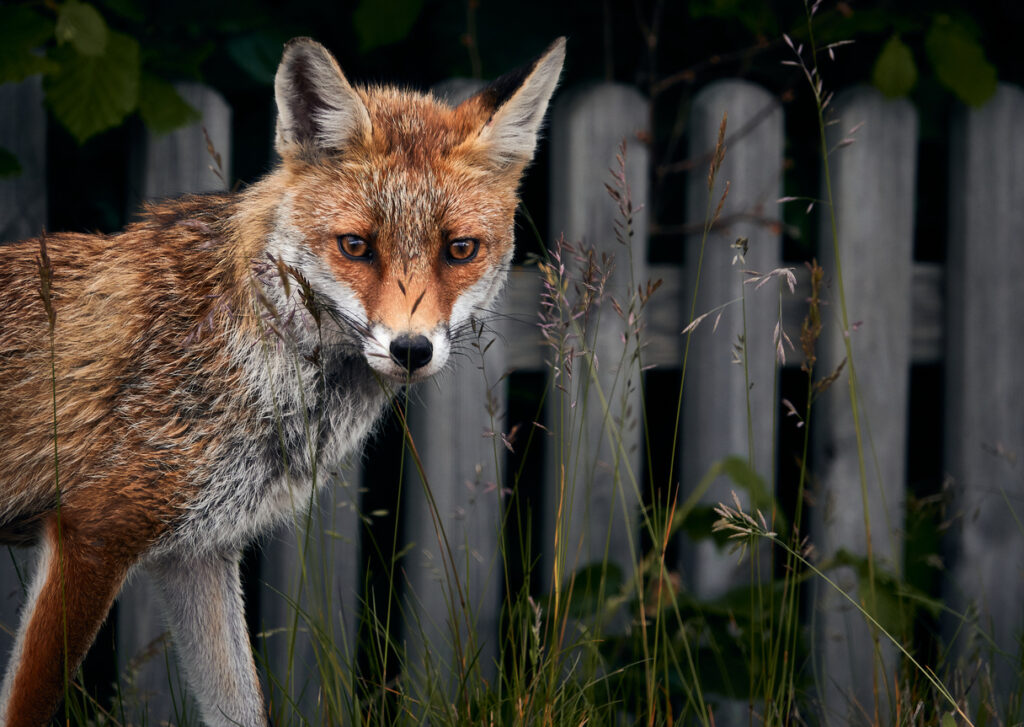
You’ve likely noticed more foxes in the garden or birds that seem a bit too comfortable nicking food off a café table, and it’s not just because they’ve lost their way. As their own habitats get broken up or squeezed, the lure of easy food, warm corners, and a lack of traditional predators makes our towns and suburbs look like a five-star resort.
It’s a massive change in behaviour that’s forcing us to rethink how we share our space with creatures that were once considered truly wild. These 14 reasons show that animals are adapting to our world at a cracking pace, proving that the line between the wilderness and the high street is getting thinner every single day.
We’ve taken most of the quiet space already.
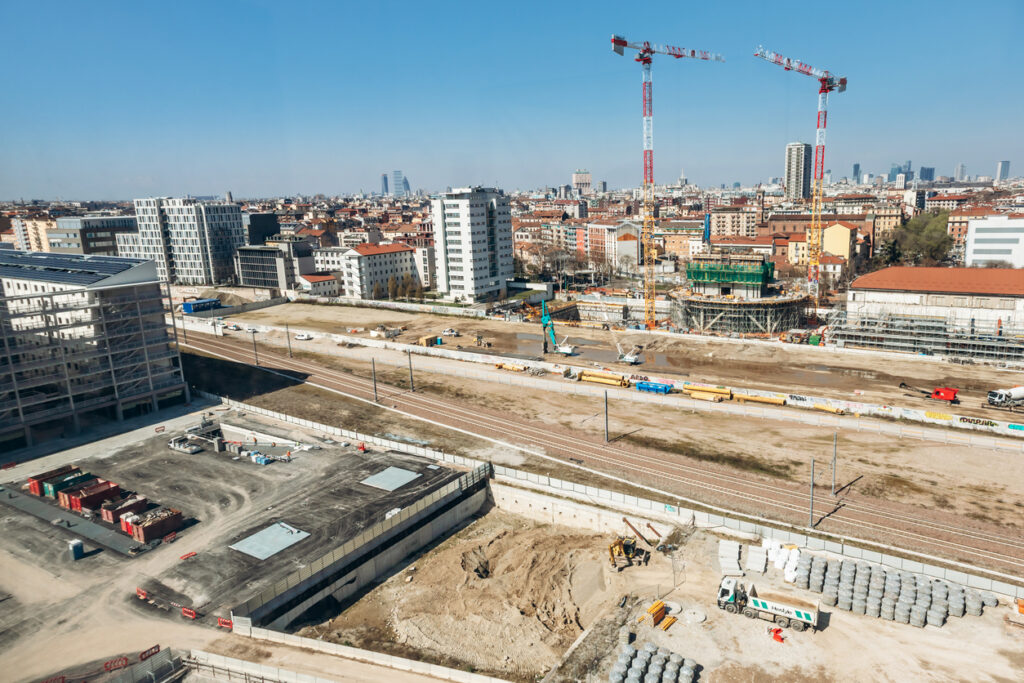
For a long time, wild animals had places where human activity barely reached. Woods that stayed woods, wetlands that stayed wet, fields that weren’t ringed by roads and estates. That buffer has shrunk fast. Housing, retail parks, roads, and industrial zones now fill in the gaps that once let animals keep their distance without thinking about it.
When an animal’s territory gets sliced into smaller and smaller pieces, it doesn’t disappear neatly. It adapts. Foxes follow hedgerows until they run into gardens. Deer cross roads because their old routes now cut through new developments. From the animal’s point of view, humans didn’t suddenly arrive. The landscape just stopped making sense.
Towns accidentally offer easier food.

Human spaces are messy in a way nature isn’t. Overflowing bins, discarded takeaway boxes, compost heaps, bird feeders, fallen fruit, pet food left outside. All of it adds up to a steady, predictable food source that doesn’t move with the seasons in the same way wild prey or plants do.
Once an animal figures this out, it doesn’t need to be especially brave or clever. It just needs to remember where dinner was last time. Over generations, animals that tolerate human presence slightly better tend to do better. That’s not animals “choosing” cities, it’s basic survival playing out in real time.
Climate patterns are changing their routines.

Weather used to act like a reliable calendar for animals. When to migrate, when to hibernate, when to breed, when food would appear. As seasons become less predictable, those signals are harder to read. Winters that don’t really feel like winters and summers that drag on can throw off long-established behaviour.
When natural food sources fail or arrive late, animals look elsewhere. Human environments stay relatively stable. Gardens still grow plants. Streetlights still attract insects. Refuse still gets put out weekly. From an animal’s perspective, towns become one of the few places where patterns still exist.
Predators have been pushed out first.
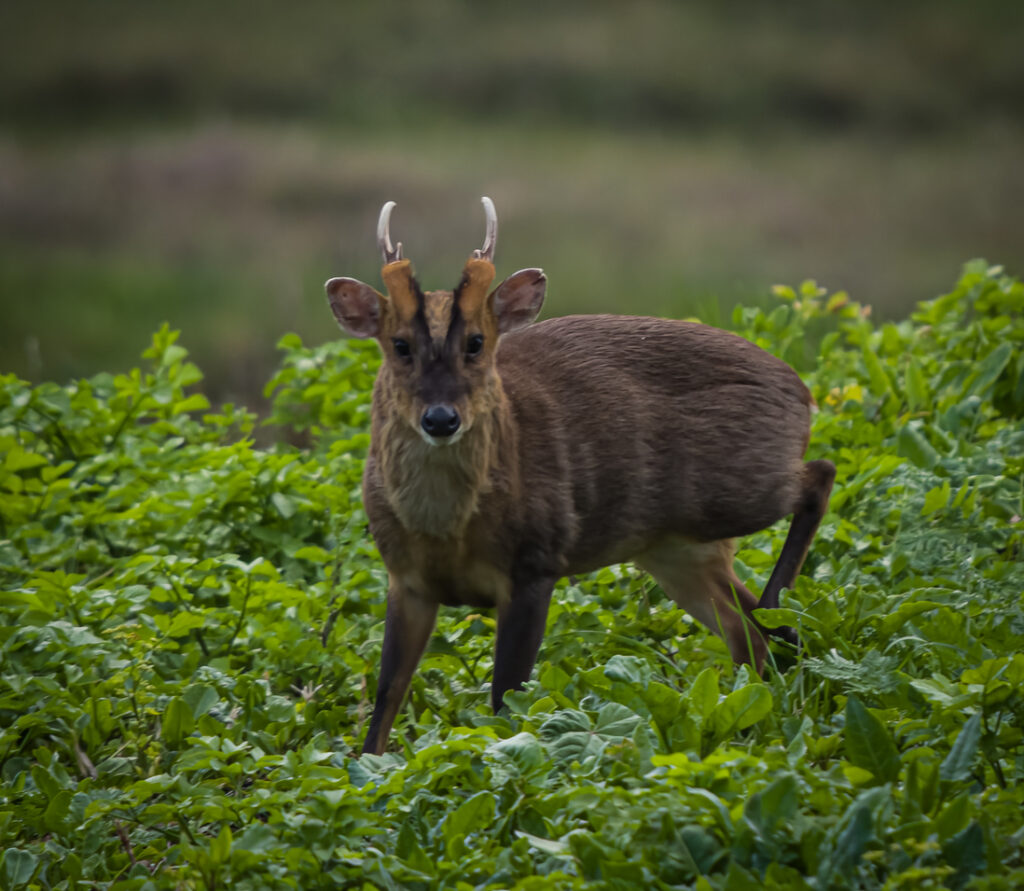
In many parts of the UK and beyond, top predators disappeared long before smaller animals did. Wolves, lynx, and large birds of prey once kept populations of deer, foxes, and rodents in check. When those predators vanish, the balance shifts.
Without that pressure, smaller animals expand their range. They become bolder simply because nothing is actively hunting them. Urban areas, with fewer natural predators and lots of hiding spots, can feel safer than open countryside where farming machinery, traffic, and human control measures are constant threats.
Young animals are born into human-heavy worlds.
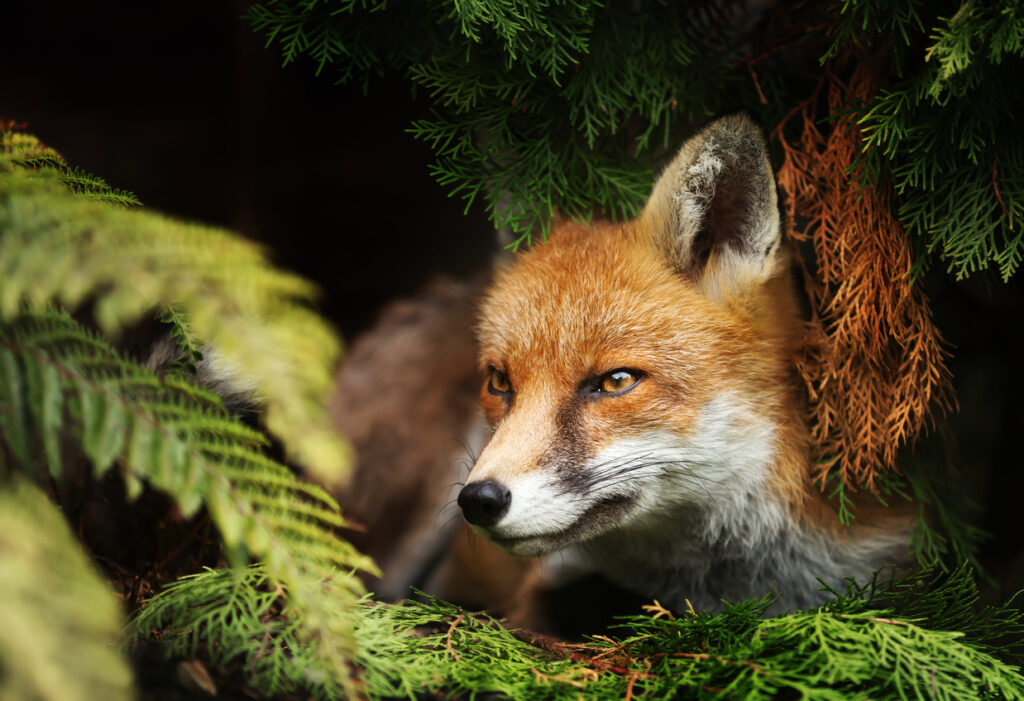
A fox cub born under a shed or a pigeon hatched on a building ledge doesn’t see humans as intruders in the same way an older animal might. This is the environment they know from the start. Noise, movement, light, and people are part of the background, not something new to fear.
As time goes on, this shapes behaviour. Animals don’t lose their instincts, but their tolerance levels change. They learn which humans are dangerous and which are irrelevant. That familiarity doesn’t mean they’re tame. It just means the old fear responses aren’t always useful anymore.
Green spaces inside towns act like stepping stones.
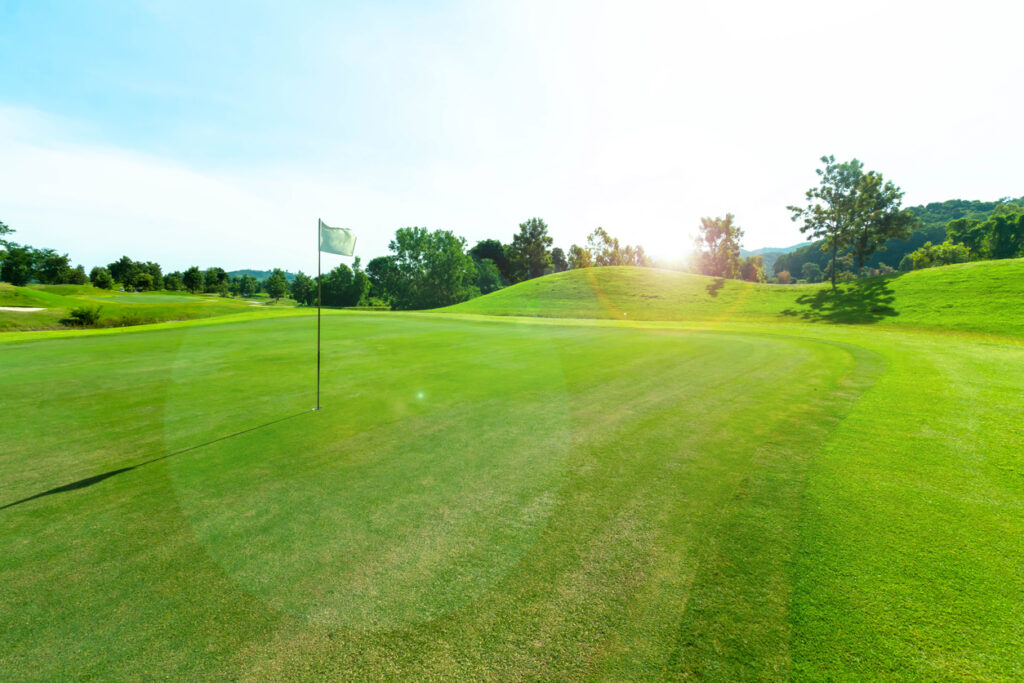
Parks, golf courses, cemeteries, allotments, railway embankments, and even large gardens form a network animals can move through. These spaces might look disconnected to us, but to wildlife they’re corridors that link food, shelter, and water.
Once animals start using these routes, the leap into surrounding streets and housing estates isn’t that big. A hedgehog doesn’t see a boundary between a park and a back garden. A badger following a green strip doesn’t register that it’s now behind someone’s fence.
Farming practices leave fewer safe margins.
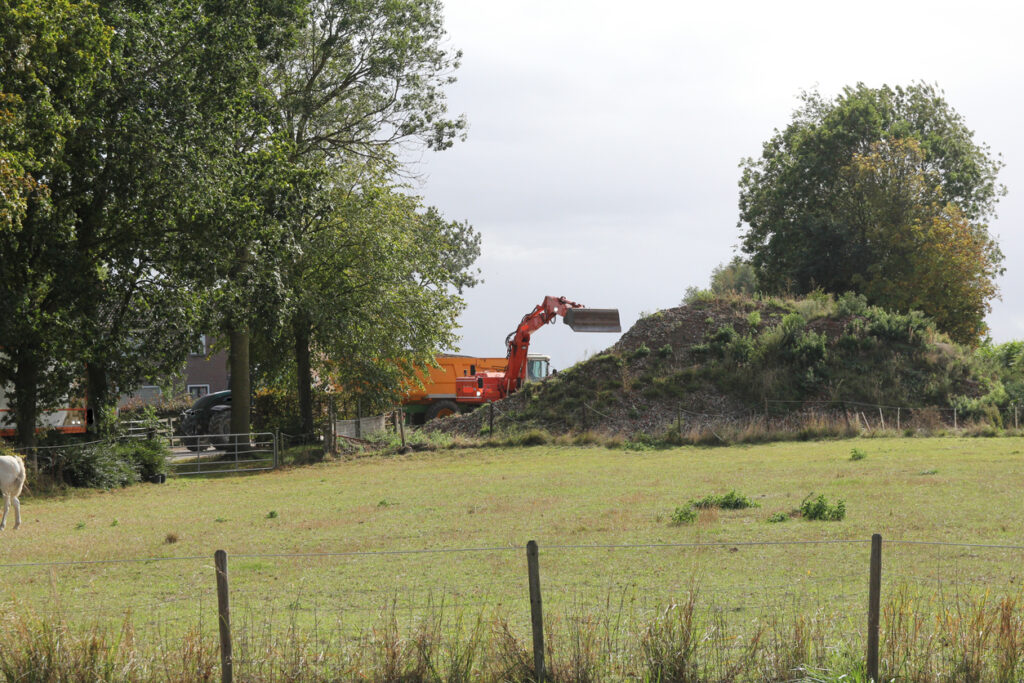
Modern agriculture is efficient, but efficiency often means tidier fields and fewer rough edges. Hedgerows removed, field margins reduced, ponds filled in. These features once gave animals places to shelter without getting close to people.
As those margins disappear, animals don’t necessarily move deeper into farmland. They often move sideways, into villages and towns where gardens replace hedgerows and compost heaps replace foraging ground. It’s not a preference for people, it’s a lack of alternatives.
Light and warmth draw animals in.
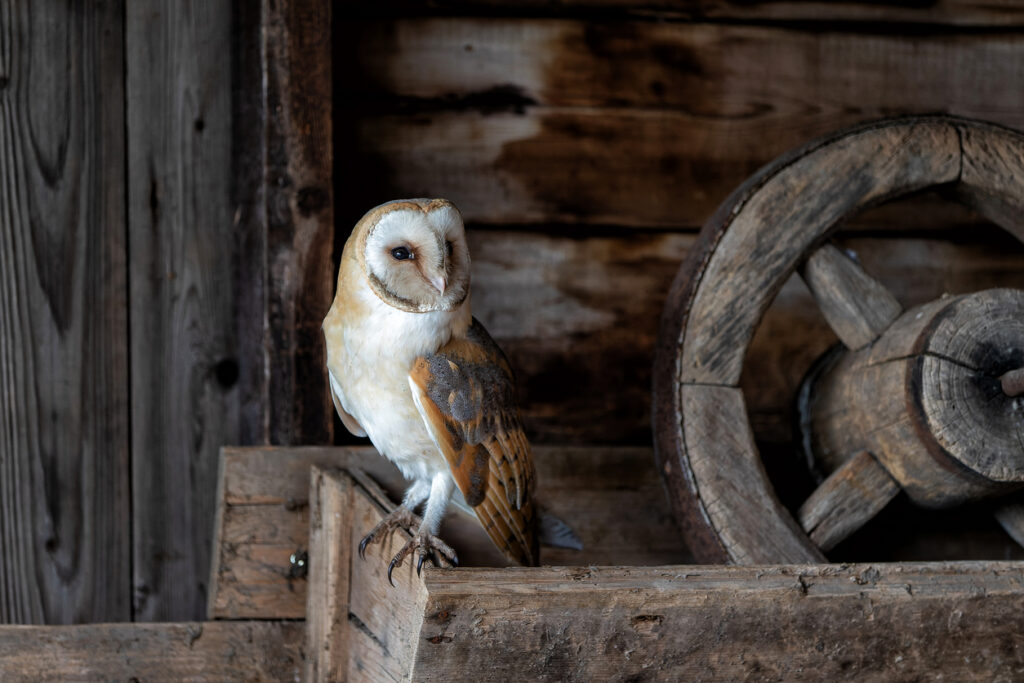
Artificial light changes how animals move and feed. Insects gather around streetlights. Small mammals follow the insects. Larger animals follow them in turn. Add the warmth from buildings and underground spaces, and towns become microclimates that stay liveable when the countryside doesn’t.
For animals trying to survive colder nights or unpredictable weather, these conditions matter. A railway tunnel, basement void, or sheltered alley can offer better protection than an exposed field or woodland edge battered by storms.
Humans aren’t always as threatening as they used to be.
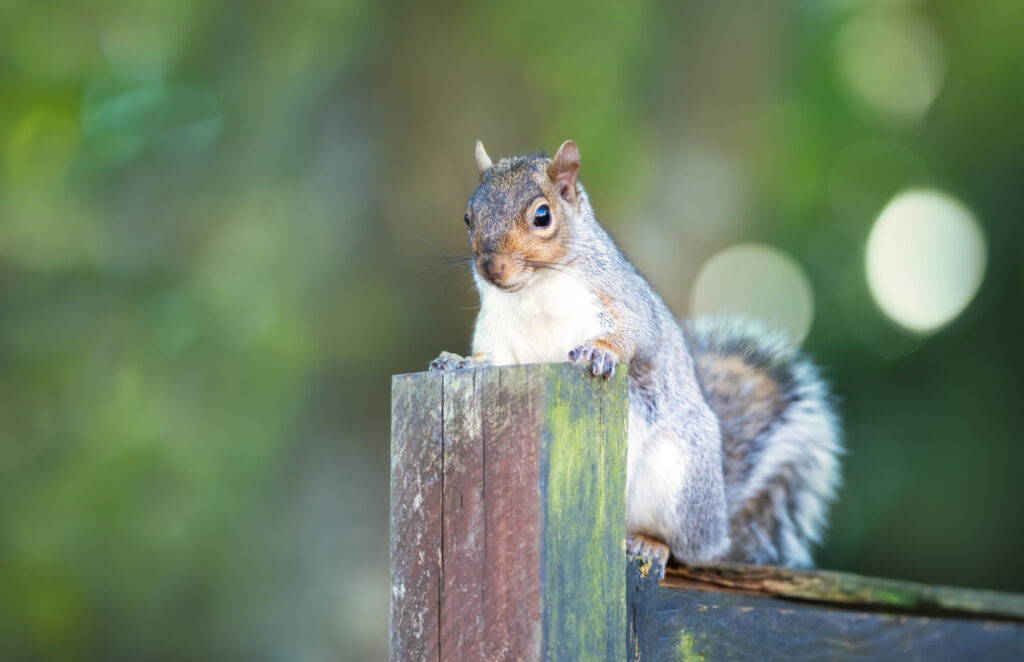
For many species, humans used to mean hunting, trapping, or immediate danger. In some places, that pressure has reduced. Legal protections, changes in attitudes, and fewer people actively targeting wildlife have altered the risk calculation.
Animals respond quickly to this kind of change. If approaching human areas doesn’t consistently lead to harm, fear fades. That doesn’t mean animals understand laws or ethics. They understand outcomes. Safe encounters get repeated. Dangerous ones get avoided.
Adaptable animals are the ones we notice most.

Not all wildlife is moving closer to people. The species that can’t cope often disappear without much notice. What we see are the survivors. Foxes, pigeons, gulls, rats, crows, deer. These animals are flexible, opportunistic, and good at learning.
Their presence can make it feel like wildlife is “everywhere” now, but it’s a skewed picture. Many quieter, more specialised species are struggling or vanishing entirely. The animals turning up in our streets are often the last ones left with room to manoeuvre.