
It’s a grim thought, but for a lot of the world’s most iconic animals, the cavalry is arriving long after the battle has been lost. You likely see the headlines about a new protection order or a massive fundraising drive and think there’s still a chance, but the reality is that by the time a species is officially “endangered,” the rot has usually set in far deeper than anyone wants to admit.
It isn’t just about the number of animals left; it’s about the fact that their world has changed so much, they’ve got nowhere left to be wild. We’re often so busy faffing about with paperwork and political debates that we miss the moment when a population moves from “struggling” to “doomed.” Sadly, our conservation efforts are frequently just a bit of theatre, trying to save creatures that have already been pushed past the point of no return by a system that moves far too slowly to keep up with the pace of extinction.
Nobody notices the decline until numbers are catastrophically low.
Most species don’t have scientists monitoring their populations constantly, so by the time anyone realises there’s a problem, numbers have already crashed. Animals that live in remote areas, dense forests, or the deep ocean can disappear almost entirely before humans even register the decline.
Wildlife populations can collapse surprisingly fast once they hit a tipping point. By the time protection efforts start, you might be trying to save a species that’s down to hundreds of individuals when they need thousands to remain genetically viable.
Small populations can’t recover due to inbreeding.
Once a species drops below a certain population threshold, inbreeding becomes inevitable and genetic diversity plummets. This creates a death spiral where the remaining animals are less healthy, less fertile, and more vulnerable to disease because they’re all closely related.
Even with perfect protection, a population of 50 individuals that are all cousins faces massive genetic problems that conservation can’t fix. Many species get protected when they’re already past the point where natural recovery is possible without intensive human management forever.
@zerohive #ecotok #animalconservation #climatechange #climatecrisis #animallover ♬ Epic Emotional – AShamaluevMusic
Their habitat has been destroyed beyond what conservation can fix.
Protecting a species is pointless if there’s nowhere left for them to live, and habitat destruction usually happens faster than anyone can stop it. By the time endangered status is declared, forests have been logged, wetlands drained, or coral reefs damaged beyond recovery.
Habitat restoration is possible but incredibly slow and expensive, taking decades or centuries to recreate what was destroyed in years. Species that need specific, complex ecosystems can’t just move somewhere else, so habitat loss often seals their fate before protection even begins.
The threats killing them haven’t been addressed.
Declaring a species endangered doesn’t automatically stop the things killing them, whether that’s pollution, climate change, invasive species, or disease. If the underlying threats continue when you’re trying to protect the species, you’re just watching them die more slowly. Climate change especially can’t be fixed on timescales that help species declining right now. Protection on paper means nothing if the actual causes of decline keep operating.
They’ve dropped below minimum viable population.
Every species has a minimum viable population size below which extinction becomes mathematically inevitable even with perfect conditions. This number varies by species, but it’s usually in the thousands, and many species get protected when they’re already in the hundreds or less.
Random events like disease outbreaks, natural disasters, or skewed sex ratios can wipe out the remaining population because there’s no buffer. Scientists might know a species is doomed, but protection continues anyway because admitting defeat is politically and emotionally difficult.
Funding and resources only materialise once it’s already desperate.

Conservation is chronically underfunded, and money only flows when species are critically endangered and making headlines. By the time there’s sufficient funding to actually help, you’re attempting expensive emergency intervention rather than cheaper preventative work.
Early intervention when populations are still healthy costs a fraction of what last-ditch efforts require, but nobody wants to fund protecting animals that seem fine. Species that could’ve been saved cheaply if addressed early instead require millions in intensive intervention that often fails anyway.
Political will only exists once it’s too late to matter.
Governments drag their feet on protection because it’s politically costly to restrict development, logging, or fishing until species are nearly gone. Industries fight protection every step of the way, delaying action through lobbying and lawsuits even though populations continue crashing.
The species that most need protection are often the ones whose habitat conflicts with economic interests, so protection comes only after those interests have already extracted maximum value. Political courage to protect species while they’re still recoverable is rare.
International cooperation is too slow for species that don’t respect borders.
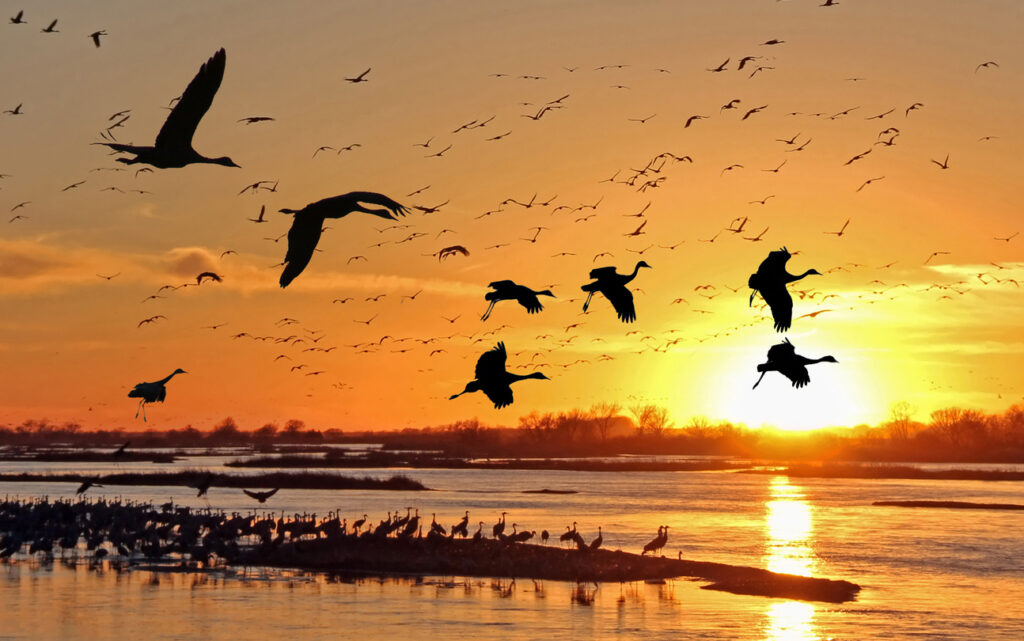
Migratory species and animals that live across multiple countries need coordinated international protection that takes years or decades to negotiate. By the time all the relevant countries agree on protection measures, populations have declined far beyond what those measures can address.
One country protecting a species as neighbouring countries allow hunting or habitat destruction means protection fails. International treaties move at bureaucratic pace while species decline at ecological pace, and the mismatch means protection consistently arrives too late.
Natural recovery is too slow for the current rate of change.
Even with perfect protection, many species reproduce slowly and recover over generations that span decades or centuries. In the meantime, climate change and human development are accelerating, creating conditions that worsen faster than protected species can adapt.
A species that could theoretically recover in 50 years won’t make it if their habitat becomes unsuitable in 20 years. Species are essentially in a race between recovery and ongoing deterioration, and protection often can’t tip that balance when change is happening this fast.
Conservation resources get spread too thin across too many species.
There are thousands of endangered species and limited conservation resources, so efforts get divided across too many species to be effective for any of them. Money and attention that could save one species gets spread across ten, meaning none receive adequate protection.
By the time a species gets meaningful focused attention rather than token protection, it’s often in the final stages of decline. The system is set up to provide inadequate protection to many species rather than effective protection to fewer, which means more species slip toward extinction while receiving nominal protection that doesn’t actually help.