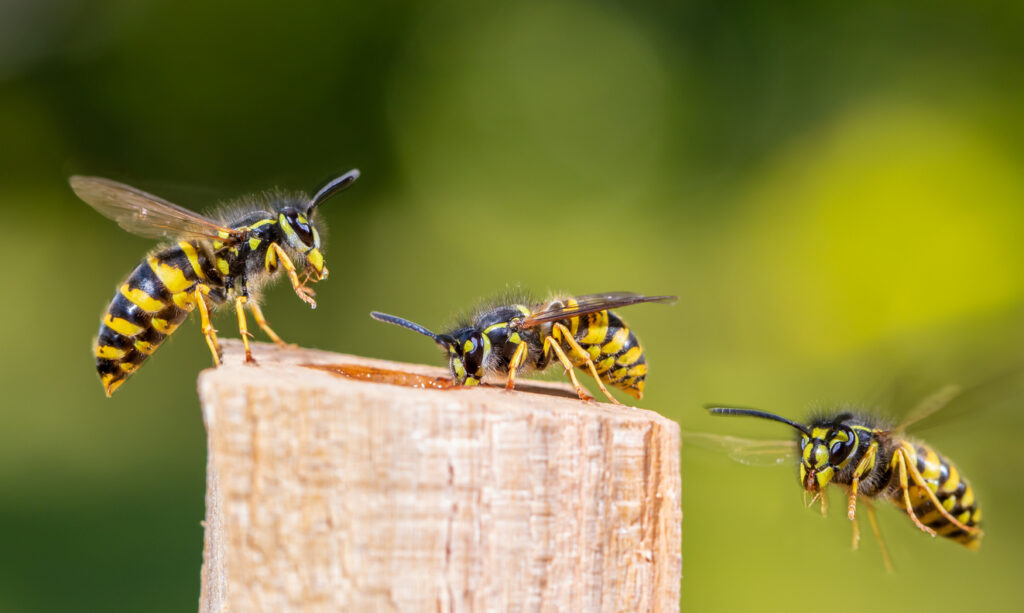
Wasps have a terrible reputation. They’re the insects people wave away, complain about, or blame for ruining a barbecue. Bees get the praise, the merchandise, and the conservation headlines. Wasps get swatted. The thing most gardeners don’t realise is that wasps are doing heavy lifting in the background. In some ways, your garden depends on them just as much, if not more, than it depends on bees.
They’re relentless natural pest hunters.
Wasps are predators, and they’re extremely efficient ones. Many species hunt caterpillars, greenfly, flies and other soft-bodied insects that feast on your plants. A single wasp colony can remove thousands of pests over one summer. That’s not a small number. That is serious population control happening every day without you lifting a finger.
Bees simply don’t do that job. Bees collect pollen and nectar. Wasps actively reduce the insects that chew through leaves and weaken stems. If you’ve ever had a vegetable patch survive caterpillar season better than expected, there is a good chance wasps were working quietly above and between your plants.
They keep aphid numbers from exploding.
Aphids multiply at alarming speed. One small cluster can turn into a full-blown infestation in a matter of days. Wasps hunt aphids both to eat and to feed their developing larvae back in the nest. That constant pressure stops aphid populations from spiralling out of control.
Without predators like wasps, gardeners often feel forced to use sprays or soapy water treatments. The more you rely on natural predators, the less intervention you need. Wasps are one of the most consistent aphid regulators in a balanced garden ecosystem.
@jill.nye Wasps are valuable pollinators and the hunting of insects and spiders keeps thise populations in check! Wasps have a very important role in the ecosytsm, contraty to popular beleif #nature #wasps #yellowjacket #pollinatorsareimportant #science #ecology #ecologytiktok #wildlife #nativegarden #nativegardening #bonchon ♬ original sound – Jill.Nye
They control caterpillars before they strip your plants bare.
Caterpillars may look harmless individually, but in numbers they can skeletonise leaves quickly. Many wasp species paralyse caterpillars and carry them back to their nests as food. It may seem harsh, but that behaviour keeps plant damage within limits. In seasons when wasp numbers are low, gardeners often notice heavier caterpillar damage. The balance between plant-eaters and plant-protectors shifts quickly. Wasps sit firmly on the side of protecting your foliage.
They pollinate more than people give them credit for.
Wasps aren’t fluffy, so they don’t carry pollen as obviously as bees do. Even so, they visit flowers regularly for nectar. As they move from bloom to bloom, pollen sticks to their bodies and gets transferred along the way. Some plants, including certain orchids, are actually adapted to attract wasps specifically. In a diverse garden, pollination doesn’t rely on one insect group alone. Wasps add resilience to the system by widening the pool of pollinators.
They reduce your need for chemical pesticides.
The more natural predators you have, the less you need to interfere. Chemical pesticides rarely target just one species. They often harm beneficial insects as well, including bees. Wasps help you avoid that cycle. When wasps keep pest numbers manageable, you can step back and let the ecosystem do its job. Over time, that creates a healthier, more stable environment for all insects, including pollinators.
@merciahoney Stay to the end to get the joke. #wasps #bees #savethebees ♬ original sound – Mercia Honey
They support birds and other wildlife.
Wasps are not only predators, they’re also prey. Birds such as swifts, swallows, and even some garden songbirds feed on wasps or their larvae. That means wasps contribute to the wider food web. A healthy garden requires more than just plants. It’s about interconnected life. When you remove one link, other species feel the impact. Wasps sit in the middle of that chain, supporting creatures you might enjoy watching more.
They help recycle organic material.
Some wasp species scavenge dead insects and animal matter. By breaking down and removing this material, they contribute to nutrient cycling. That process helps return nutrients to the soil and keeps the garden from becoming cluttered with decaying waste. It may not be the glamorous side of gardening, but decomposition is essential. Wasps play a small but meaningful role in keeping that cycle moving.
They’re a sign of a balanced ecosystem.
Wasps thrive where there is a healthy insect population. If your garden supports enough prey for wasps, it likely supports a broad range of other species too. That usually points to decent soil health, varied planting and minimal chemical interference. A sterile garden with heavy pesticide use rarely supports many wasps. Their presence often signals that your outdoor space is functioning as a living system rather than a decorative display.
They indirectly improve fruit and vegetable yields.
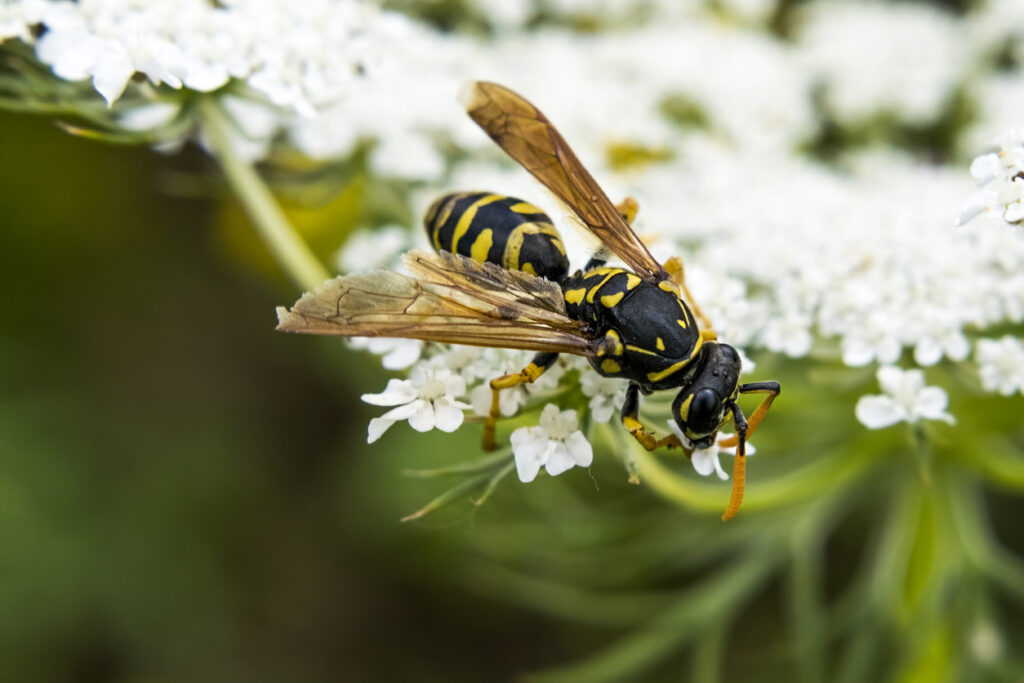
By reducing pests that damage fruit trees, berry bushes and vegetable crops, wasps protect your harvest. Fewer aphids mean less sap loss. Fewer caterpillars mean stronger leaves for photosynthesis. Stronger plants tend to produce better yields. You may thank bees for pollination, but the fruit often owes part of its survival to wasps, who kept the leaves intact all season.
They add resilience to your garden over time.
Relying on a single “hero” species like bees makes a system fragile. True resilience comes from diversity. Wasps bring predation, scavenging and secondary pollination into the mix. That layered protection helps gardens bounce back from pest surges or seasonal changes.
It’s easy to focus on the nuisance of a wasp hovering near your drink in late summer. What’s harder to see are the thousands of insects they have already removed from your plants before you noticed. Your garden is stronger, healthier and more self-sufficient because wasps are in it, even if they rarely get the credit.