Most people see a terrier and just think of a yappy little dog that spends its life chasing squirrels in the park (which, to be fair, isn’t far off).

Because they don’t have the noble reputation of a Labrador or the posh look of a poodle, they often get overlooked as just a bit of a handful. However, that completely misses the point of what makes them brilliant. These dogs were bred to be tougher than old boots, possessing a level of grit and personality that puts much bigger breeds to shame.
They’re not just pets that sit on the sofa looking pretty; they’re sharp, fiercely independent, and have a sense of humour that you won’t find anywhere else. If you can handle a dog that actually has its own opinions and isn’t afraid to tell you about them, you’ll find they are some of the most loyal companions going. Once you’ve owned one, a “normal” dog can feel a bit boring by comparison.
They’ve got big dog confidence in a smaller body.
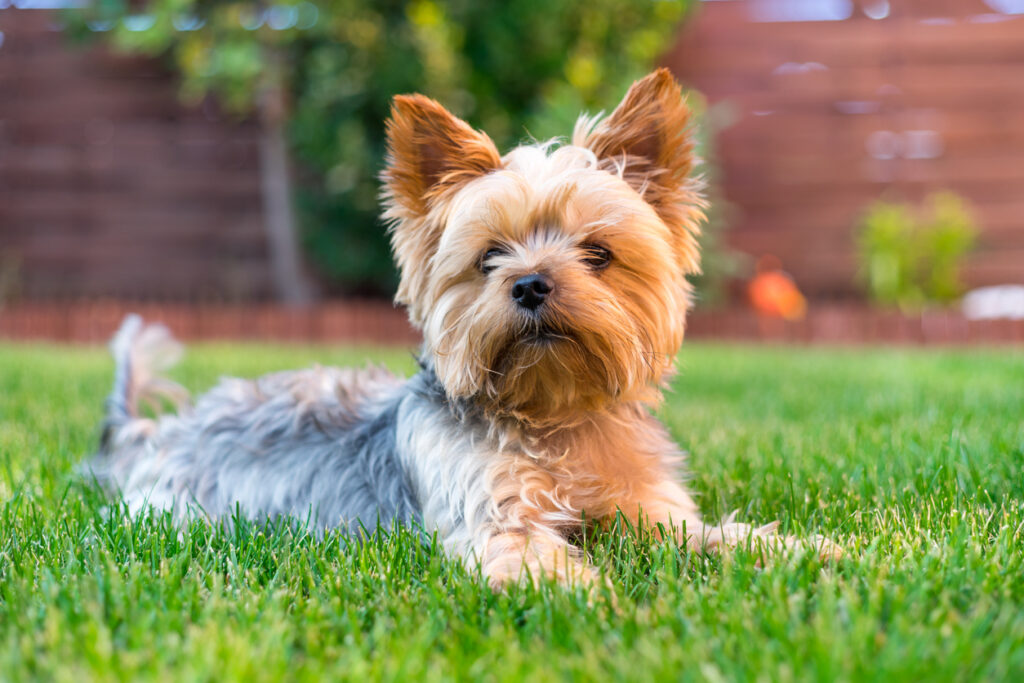
Terriers are bold by default. They tend to walk into new places like they belong there, and they’re rarely timid about meeting the world. If you like a dog with spirit, you’ll get it, even on the most boring day of the week. That confidence can be great in a smaller home because you still get that sturdy, capable vibe. They do need clear rules, though, because confident can turn into bossy if nobody sets boundaries. With structure, they usually settle better than their reputation suggests.
They’re made for real life, not just looking cute.
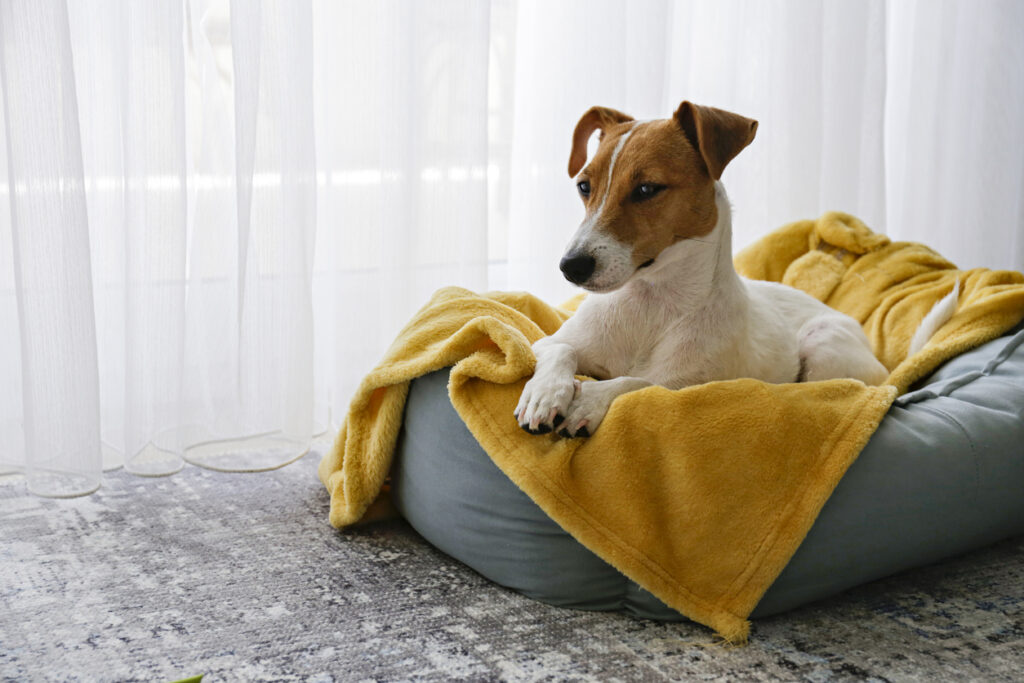
Most terriers were bred to work, so they’re generally tough, alert, and up for getting muddy. They don’t usually melt at bad weather, which is handy in the UK, where a dry walk feels like a luxury item. That working background also makes them adaptable. They like being involved and knowing what’s going on, which can look like being demanding. Often it’s just engagement, and that’s a good thing if you want a dog that feels like part of the household.
They’re clever, but not the robot kind.

Terriers learn fast, notice patterns, and remember things you wish they wouldn’t. They’re problem-solvers, which can be impressive and mildly annoying in the same afternoon. Hide treats, and you’ll learn how smart your dog actually is. They tend to respond best to training that feels like a game. Short sessions, rewards, and variety usually work better than repeating the same thing ten times. If you train them like a Labrador, they’ll often try to negotiate instead.
They’ve got real personality.
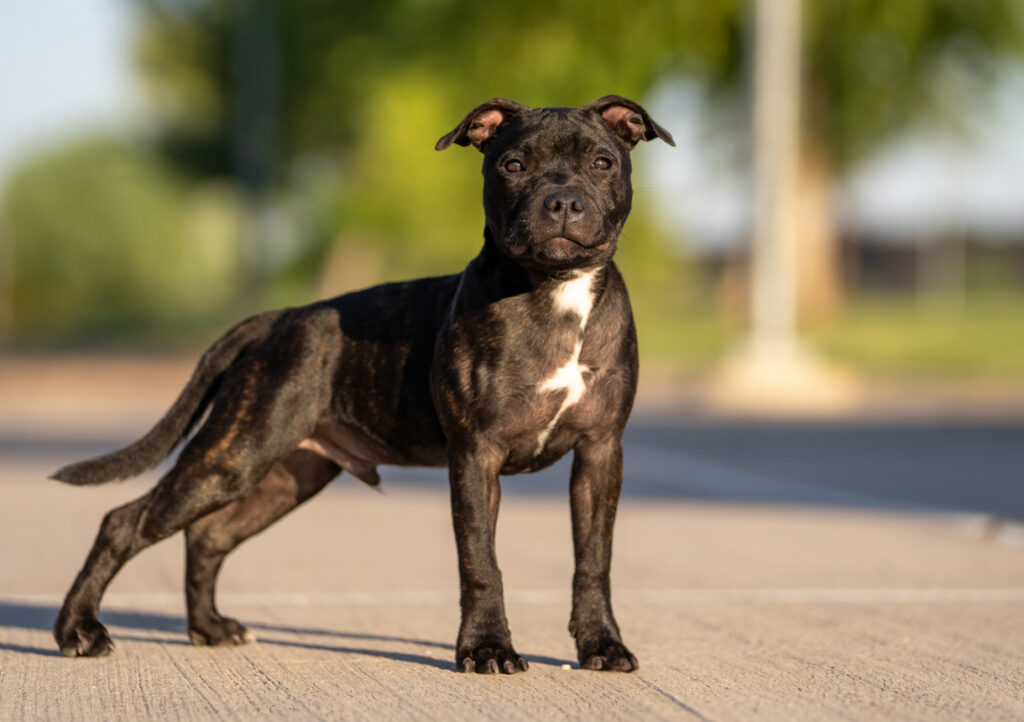
Terriers aren’t bland. They’re expressive, funny, and full of quirks, and they often bond hard with their person. They’ll supervise your cooking, follow you around, and act personally offended by closed doors. This can be brilliant if you want a dog that feels like company, not a pet that exists in the background. The trade-off is that they’ll also tell you when they’re bored. If you like a dog with opinions, you’ll love them.
They suit active people without needing endless miles.
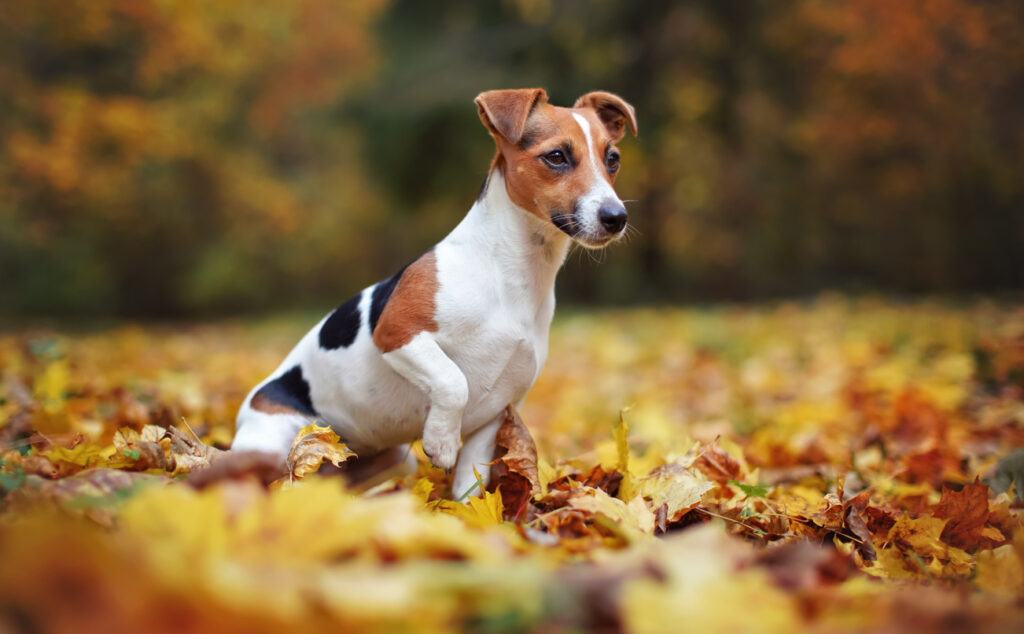
A lot of terriers want intensity more than distance. A decent walk, plenty of sniffing, and a short burst of play can tire them out properly. They’re usually up for an adventure, then happy to crash out at home. Variety matters, though. The same route every day can leave them restless. Mix up the walk, let them sniff longer, or add a bit of training on the go, and you’ll often get a calmer dog without needing a three-hour hike.
They make great little watchdogs.
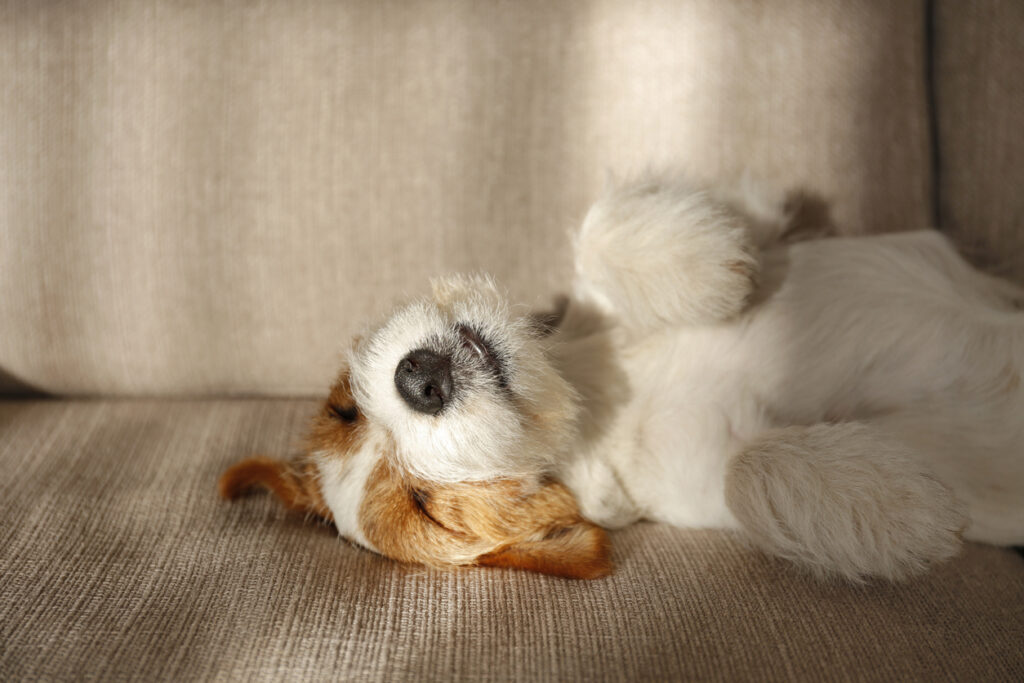
Terriers notice everything. They’ll clock a knock, a strange sound, or someone walking past the house, often before you’ve even looked up. For some people, that feels reassuring because you’ve got an alert little mate on duty. The goal is teaching them when the job is done. If you reward barking with fuss, it can get out of hand. If you acknowledge it, then redirect them, many terriers learn to alert and settle, which is the sweet spot.
They’re often tougher than people assume.
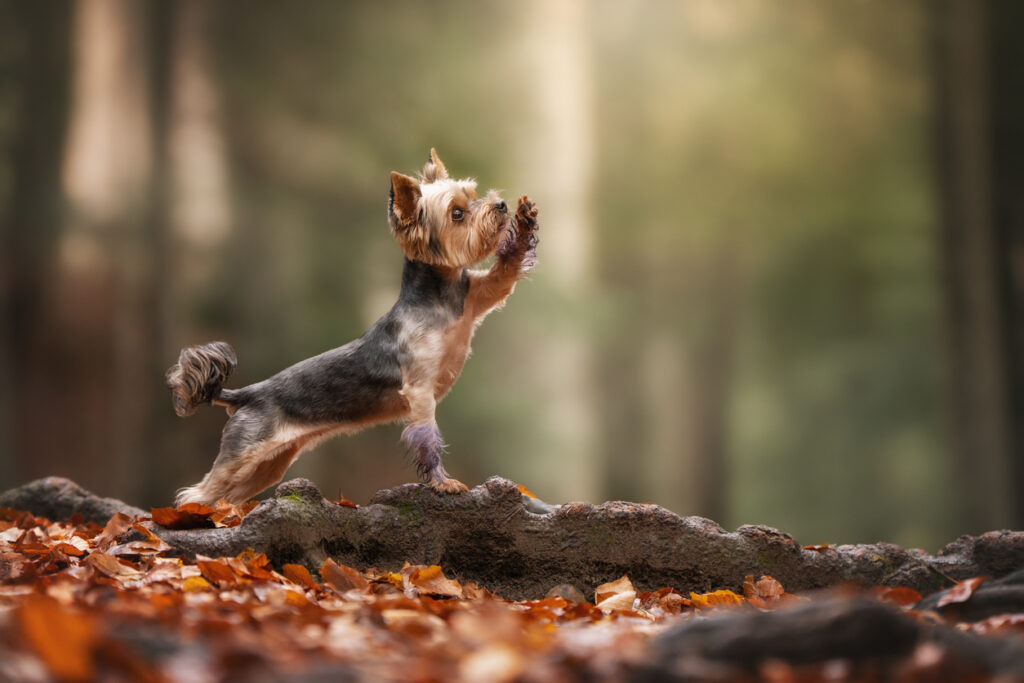
Because lots of terriers are small, some people treat them like they’re delicate. Many are actually sturdy, athletic dogs that can handle long walks, rough weather, and messy days out without acting like they need a spa break. This makes them a solid choice for people who want a smaller dog that still feels capable. They still need normal care and sensible handling, of course. They just tend to have a robust, get-on-with-it vibe that suits everyday life.
Grooming is often more manageable than you’d think.
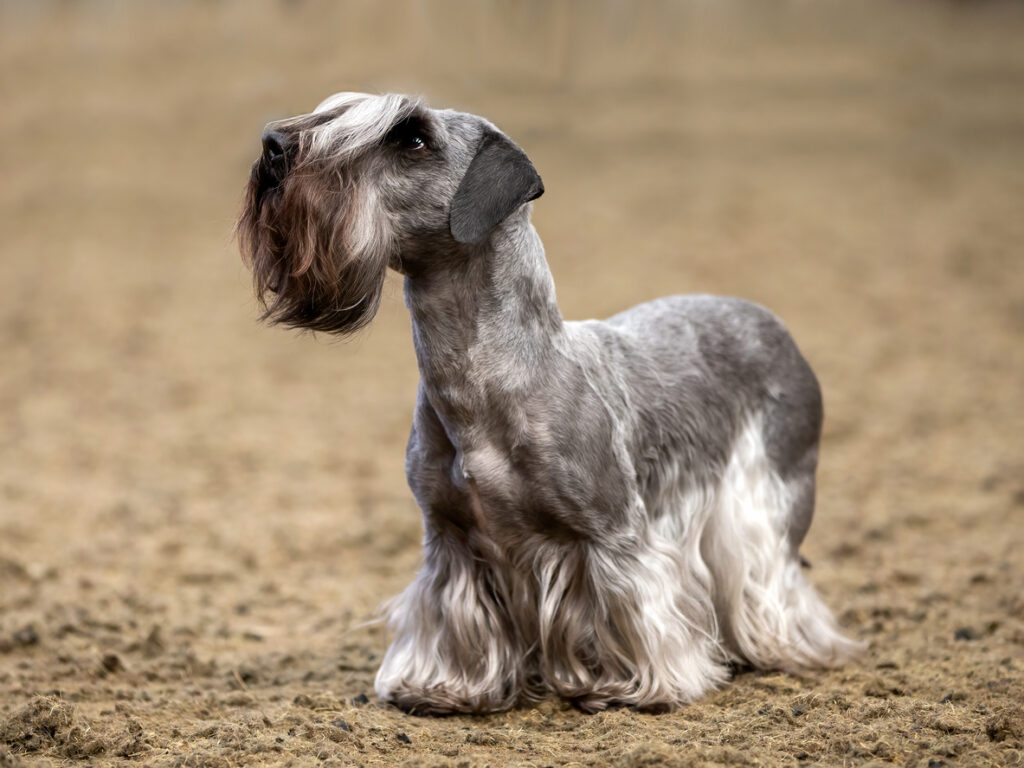
Terrier coats vary, but plenty are fairly low drama. Smooth coats are simple, and wire coats can be practical once you know what you’re doing. You’re not always dealing with massive tangles or constant shedding. The trick is choosing the coat type you can actually keep up with. People get overwhelmed when they pick based on looks alone. With terriers, you can usually find a coat that fits your routine, whether you want low effort or don’t mind a bit of upkeep.
They’re properly engaged with you.
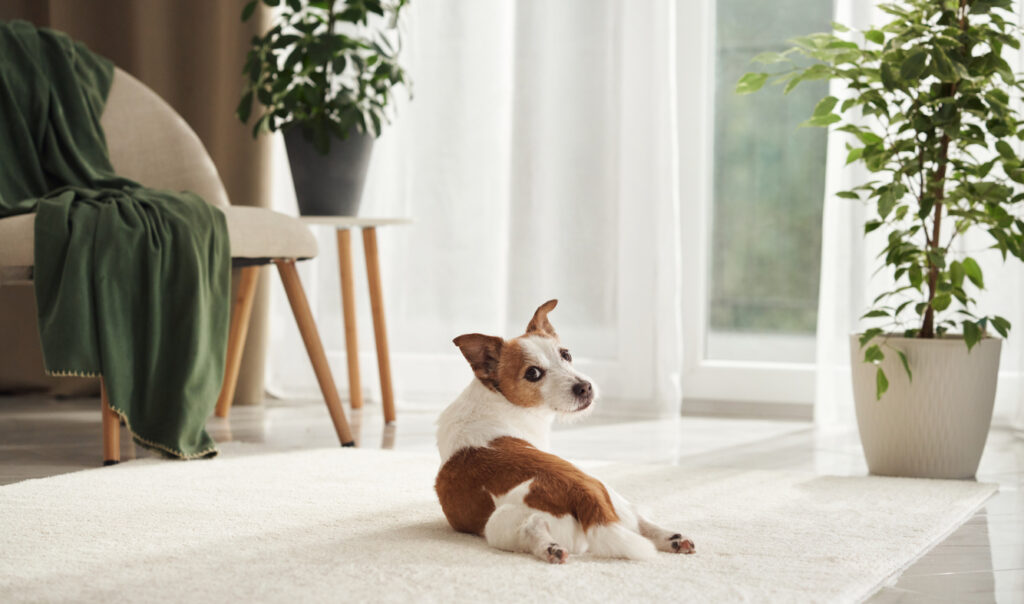
Terriers tend to be tuned in. They watch you, track your routines, and often want to be part of whatever’s happening. If you like a dog that feels like a teammate, terriers are great at that. That’s why they often enjoy little jobs and games. Tricks, scent games, short training bursts in the lounge, even hide-and-seek with toys can go a long way. They like using their brain, and it usually makes them easier to live with.
They can suit smaller homes if their needs are met.
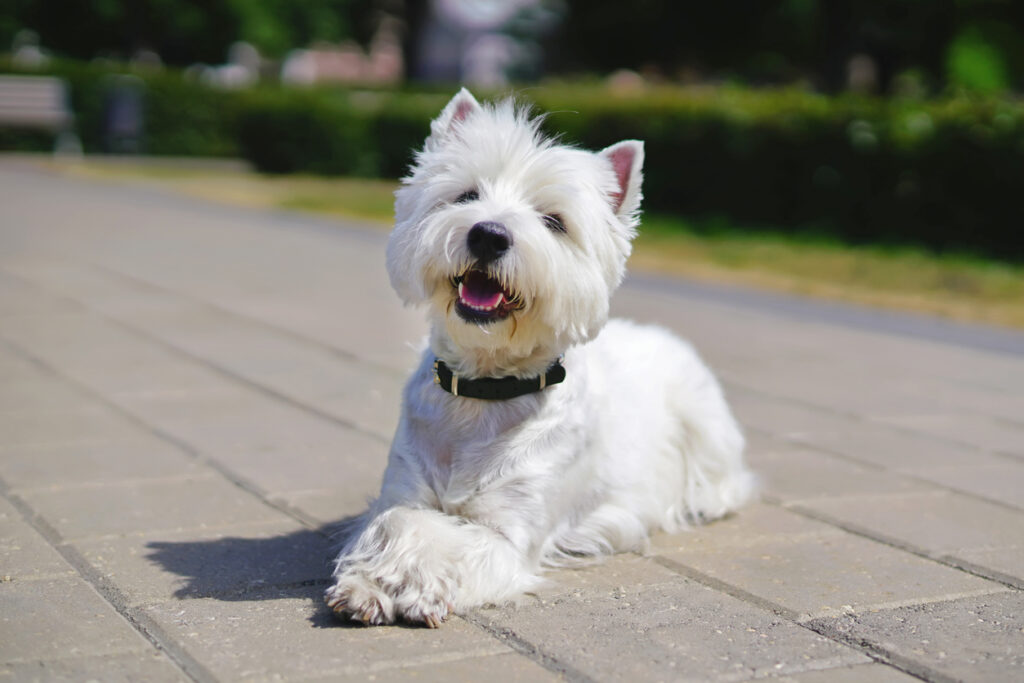
A terrier doesn’t automatically need a massive house. Many do fine in a flat or terrace if they get proper walks, sniff time, and something to think about. The common mistake is assuming small dog equals low effort. If they don’t get enough stimulation, they’ll invent their own entertainment, and you won’t enjoy the results. If they do, they’re often brilliant for town life because they’re easy to take places and happy to be included in your day.
People confuse terrier confidence with bad behaviour.
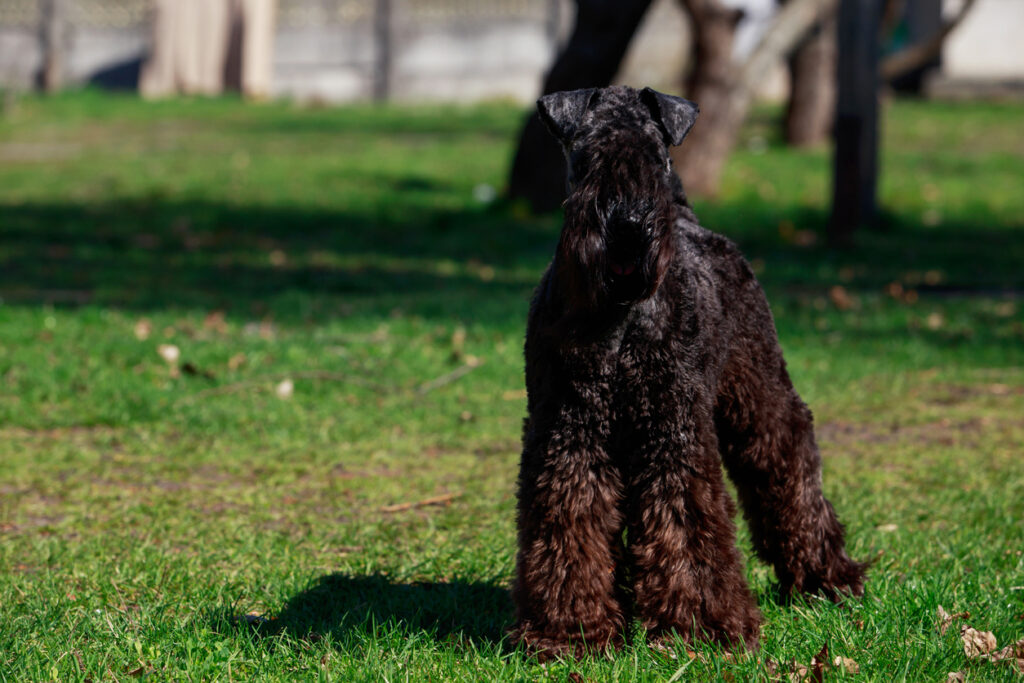
A terrier that barks, pulls, or gets overexcited can look like a naughty dog. Often it’s just a dog with big feelings and a fast brain that hasn’t learned the skills yet. They tend to be intense, not malicious. With clear, consistent training, many terriers improve quickly because they notice feedback. They just don’t respond well to boredom or harsh handling. Get the approach right, and you often end up with a dog that’s both well-behaved and properly connected to you.
They bond hard and make you feel chosen.
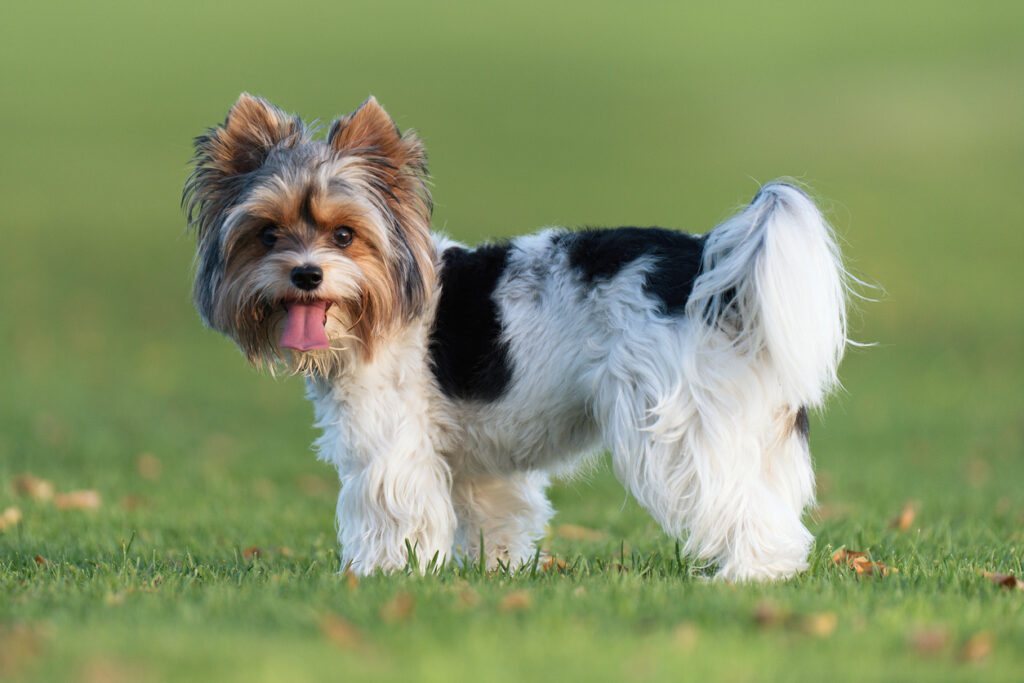
Terriers often have a favourite person, and they make it obvious. They’ll stick close, follow you from room to room, and act like you’re their main project. It can feel genuinely lovely if you want that companion vibe. That’s really why they’re underrated. People focus on the feisty bits and miss the loyalty underneath. If you want a dog with character, and you’re willing to meet them halfway, terriers can be one of the most rewarding choices out there.