This is one of those topics that can start a heated row in seconds, and both sides are usually convinced they’ve got the moral high ground.

On one hand, you have people who reckon keeping a cat indoors is like putting a tiger in a studio flat, depriving them of their natural right to hunt, climb, and wander the neighbourhood. They see a life behind glass as a bit of a prison sentence for an animal that’s built to explore.
Then you’ve got the other side, pointing at the massive risks of cars, cat-fights, and the sheer number of songbirds that end up as gifts on the kitchen floor. For them, letting a pet roam free is just negligence when the world outside is full of ways for a cat to get hurt. It’s a tricky balance between giving them a bit of freedom and actually keeping them safe, and what works for a farm cat in the middle of nowhere is a disaster for a tabby in the city.
Outdoor cats live significantly shorter lives.

Indoor cats typically live 15 to 20 years, while outdoor cats average just 2 to 5 years. That’s a massive difference caused by traffic accidents, attacks from other animals, diseases, and exposure to poisons. If you let your cat outside, you’re accepting a much higher risk of premature death in exchange for what you believe is a better quality of life. Some people think that trade-off is worth it, but others find it unacceptable when the dangers are so easily avoided by keeping cats indoors.
Cats decimate local wildlife populations.

Domestic cats kill billions of birds, small mammals, and reptiles every year globally. In the UK alone, cats kill approximately 100 million prey animals annually. Even well-fed cats hunt instinctively, so feeding them properly doesn’t stop the killing. If you care about conservation and protecting native wildlife, letting your cat outside contributes directly to species decline. This is particularly serious in areas with vulnerable or endangered wildlife populations that didn’t evolve alongside cats as predators.
Cultural attitudes vary enormously by country.

In the UK, letting cats outside is considered normal and keeping them indoors is often viewed as cruel. In the US and Australia, the opposite is increasingly true, with more people keeping cats indoors to protect both the cats and wildlife. These aren’t just different opinions, they’re fundamentally different cultural assumptions about what cats need and what responsibilities owners have. Neither side can quite believe the other’s position, which is why online arguments about this get so heated.
Indoor cats can be perfectly happy with proper enrichment.

Cats don’t inherently need to go outside if their indoor environment provides enough stimulation, exercise, and mental engagement. Climbing structures, interactive toys, window perches, and regular play sessions can meet most cats’ needs without the outdoor risks. Many cats who’ve never been outside don’t know what they’re missing and are perfectly content indoors. The key is actually providing that enrichment, rather than just leaving a bored cat in an empty house all day and assuming they’re fine.
Outdoor access reduces behavioural problems in some cats.
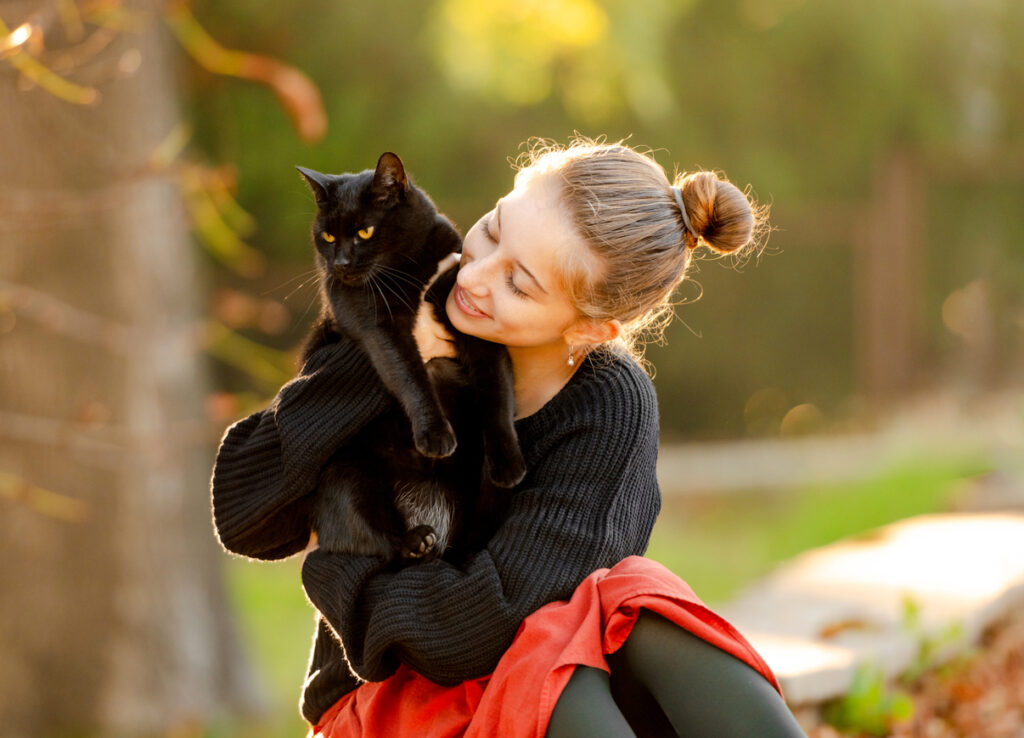
Some cats genuinely seem to need outdoor access and become destructive, aggressive, or depressed when confined indoors. They might spray, scratch furniture excessively, or become withdrawn. For these cats, keeping them inside might technically keep them safer but makes them miserable. The cruelty question becomes whether it’s worse to risk their physical safety or guarantee their psychological distress, and there’s no clear answer that works for every cat.
Traffic is the biggest killer of outdoor cats.
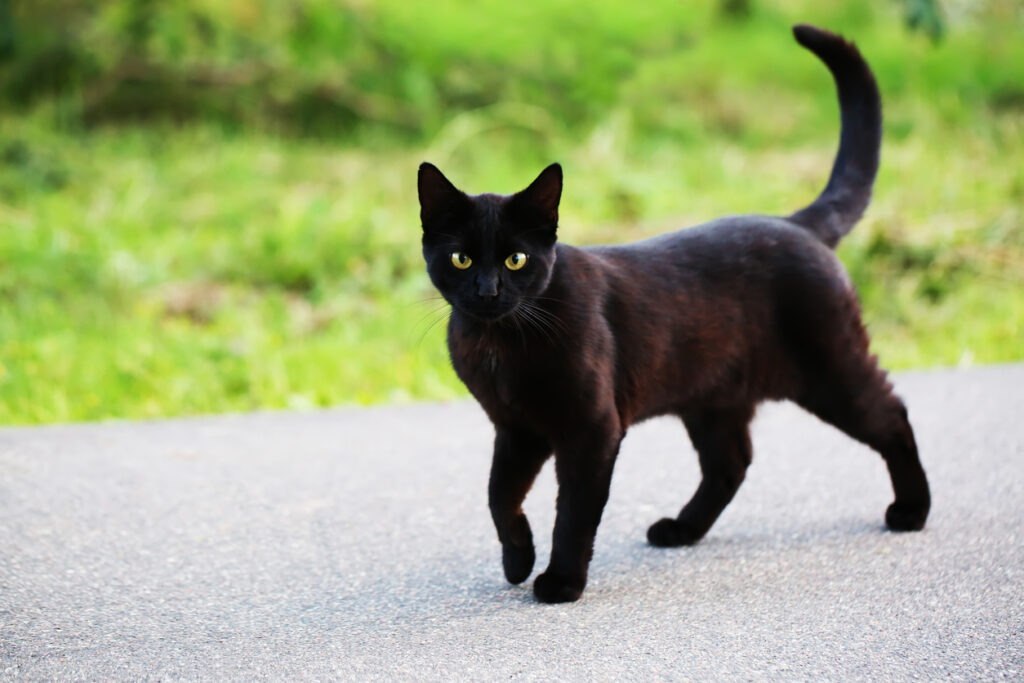
Most outdoor cat deaths are caused by cars, not predators or disease. If you live on a busy road, letting your cat out is genuinely dangerous in a way that’s hard to justify. If you live in a rural area with minimal traffic, the risk calculation changes significantly. Location matters enormously when deciding whether outdoor access is reasonable, and what’s fine in a quiet village could be reckless in a city centre.
Outdoor cats spread and contract diseases more easily.
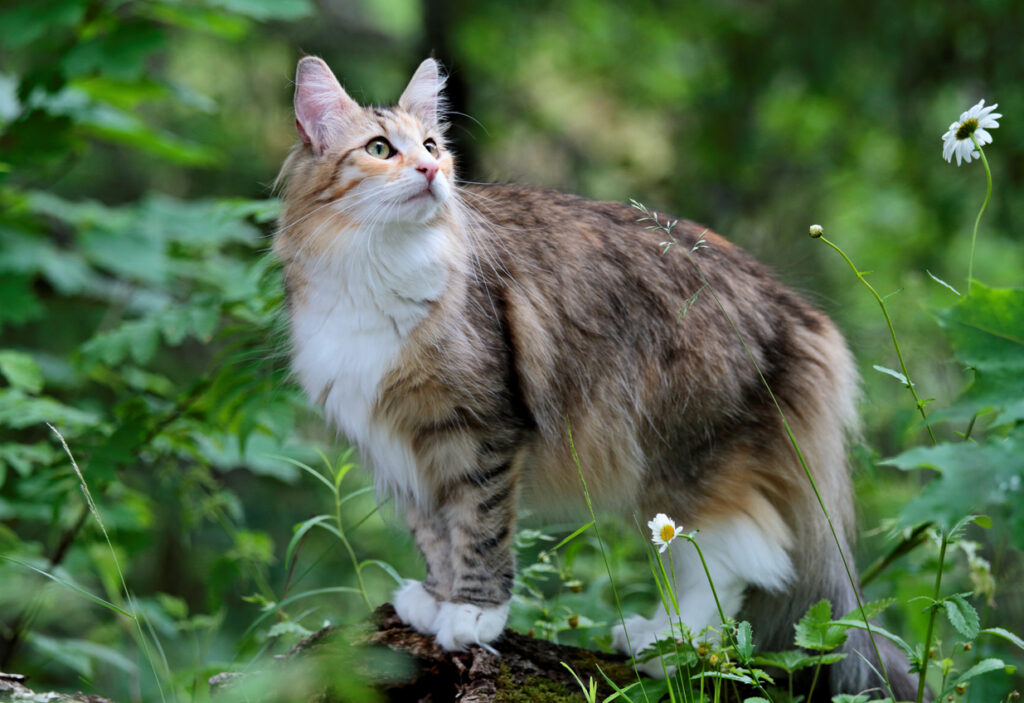
Cats who go outside are exposed to feline leukaemia, FIV, parasites, and other illnesses from fighting with or coming into contact with other cats. They can also pick up fleas, ticks, and worms that then infest your home. Indoor cats avoid most of these health risks entirely, which means fewer vet bills and less suffering. If you’re letting your cat outside without keeping up with vaccinations and parasite prevention, you’re being irresponsible, regardless of where you stand on the outdoor debate.
Compromise solutions exist, but they require effort.

Catios (enclosed outdoor spaces), cat-proof fencing, and supervised outdoor time on harnesses let cats experience the outdoors while minimising risks to them and wildlife. These solutions require more work and money than just opening a door, which is why many people don’t bother. If you want your cat to have outdoor access but also want to be responsible, these compromises exist. Dismissing them as too much effort while insisting your cat needs to roam freely is prioritising your convenience over genuine solutions.
Territorial instincts aren’t the same as happiness.

Cats are territorial and will patrol and defend an outdoor territory if given access, but that doesn’t mean they’re unhappy without one. The urge to patrol territory is instinctive, not a requirement for contentment. Plenty of cats with outdoor access spend most of their time sleeping indoors anyway. The argument that cats need to express natural behaviours outdoors assumes those behaviours are essential for their well-being, when they might just be things cats do when the option is available.
Indoor cats can escape and have no survival skills.

A cat who’s never been outside and accidentally gets out is at serious risk because they lack the street smarts that outdoor cats develop. They might not know to avoid roads, how to find their way home, or how to defend themselves from other animals. If you keep your cat indoors, you need to be extremely careful about doors and windows because an escape could be deadly. Some people use this as an argument for outdoor access, reasoning that cats should learn survival skills, but it’s also an argument for never letting them develop a desire to go out in the first place.
Multiple cats change the equation.

If you have several cats, keeping them all indoors in a small space can create tension, fighting, and stress that wouldn’t exist if they had more room or could avoid each other outside. Indoor living requires enough space and resources for all cats to have their own territory within the home. If you can’t provide that, letting them outside might reduce conflict, but it also multiplies the risks because you’re now endangering multiple animals instead of one.
Stolen or trapped cats are a real risk.

Friendly outdoor cats can be stolen, either by people who think they’re strays or by those with bad intentions. They can also get trapped in sheds, garages, or other spaces and die of dehydration or starvation before anyone finds them. These aren’t common occurrences, but they happen often enough to be genuine concerns. Microchipping helps with lost or stolen cats but doesn’t prevent the initial problem.
The cruelty question depends on what you prioritise.

If you think freedom and natural behaviour are most important, keeping cats indoors seems cruel. If you prioritise safety, longevity, and environmental responsibility, letting them outside seems reckless. Neither position is objectively wrong because they’re based on different values about what matters most for cat welfare. The real cruelty is making either choice without understanding the trade-offs, refusing to provide proper enrichment for indoor cats, or letting outdoor cats roam without microchips, vaccinations, and neutering.