Some gardens seem to pull in butterflies the moment the sun comes out, while others barely see a flutter even with plenty of flowers around.

It usually comes down to a mix of food, shelter, and the small details that make a space feel safe enough for them to land and linger. The plants you choose, the way the garden is arranged and even how warm or sheltered certain spots are all play a part. Once you start noticing what butterflies actually look for, the differences between a busy garden and a quiet one make a lot more sense. Here’s why there’s such a huge gap between gardens when it comes to these fluttering beauties.
They plant flowers that actually produce nectar butterflies can reach.
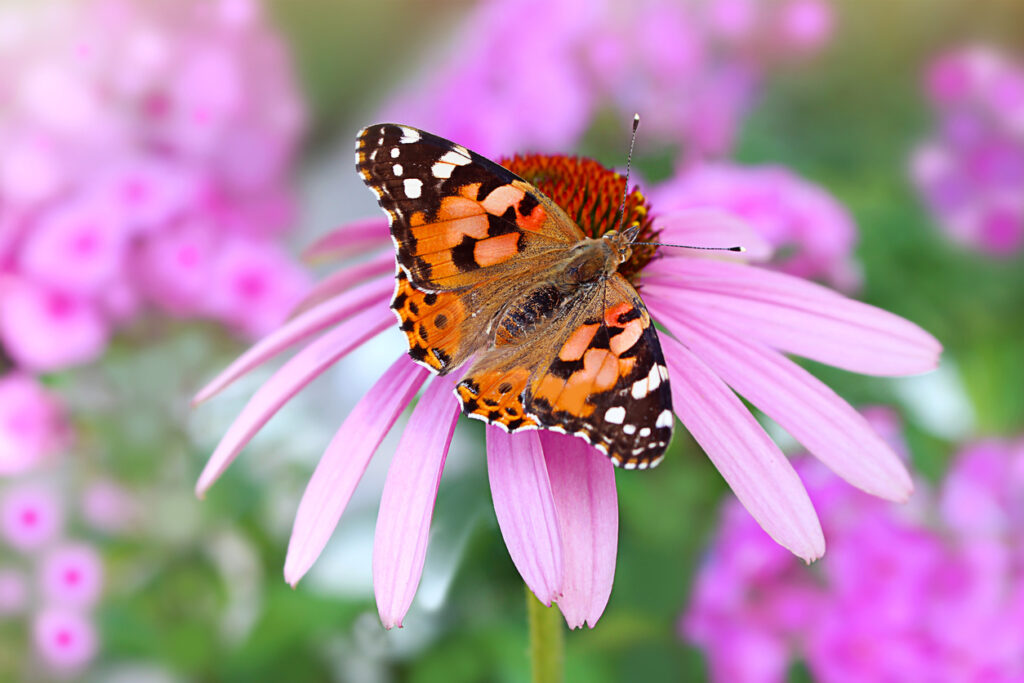
Not all flowers are useful to butterflies, even if they look pretty. Butterflies have long, thin tongues that work like straws, so they need flowers with accessible nectar. Heavily bred double flowers like fancy roses often have so many petals that they’ve lost their nectar-producing parts or buried them so deep that butterflies can’t get to them.
Gardens that attract loads of butterflies stick to simple, open flowers or ones with tube shapes that suit butterfly tongues. Things like lavender, buddleia, verbena, and single dahlias provide easy meals. If your garden is full of complex ornamental varieties bred for looks rather than function, butterflies will fly straight past to find somewhere more rewarding.
They leave some weeds and wild areas alone.

A perfectly manicured garden with every weed removed immediately might look tidy, but it’s basically a food desert for butterflies. Many butterfly larvae feed on plants that gardeners consider weeds, like nettles, thistles, and various grasses. No food plants for caterpillars means no butterflies will breed there.
Gardens with butterfly populations leave scruffy corners where nettles can grow, don’t deadhead everything religiously, and tolerate some wild plants. These messy bits provide breeding grounds that neat gardens completely lack. You might get adult butterflies passing through a pristine garden, but you’ll only get proper populations in places where they can complete their whole life cycle.
They plant in big clumps rather than dotting singles about.
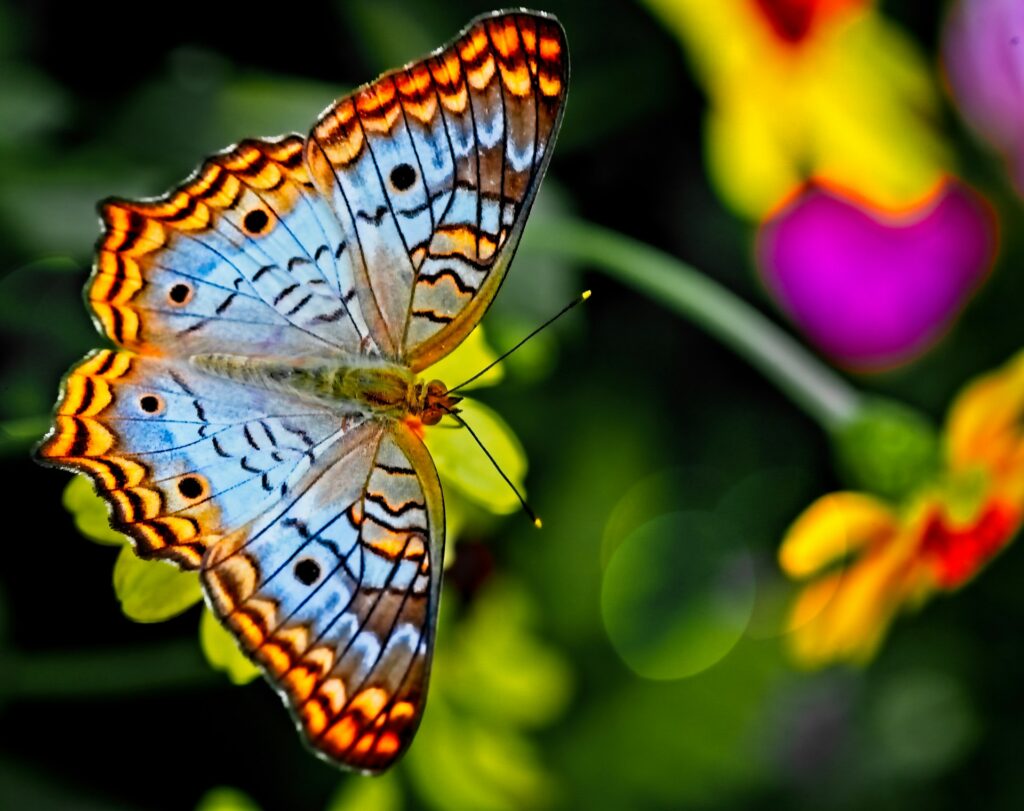
Butterflies spot flowers from a distance while flying, and they’re attracted to large blocks of colour more than individual plants scattered around. A single lavender plant might get ignored, but five planted together create a visible target that pulls butterflies in from much further away.
Gardens that pack a punch for butterflies group the same plants together in drifts, rather than doing the one-of-everything approach. This creates feeding stations that are worth a butterfly’s energy to visit. Flying uses loads of energy, so butterflies need to know they’ll get a decent meal when they land. Big obvious blocks of good nectar plants signal that the stop will be worthwhile.
They provide flowers from early spring right through to autumn.
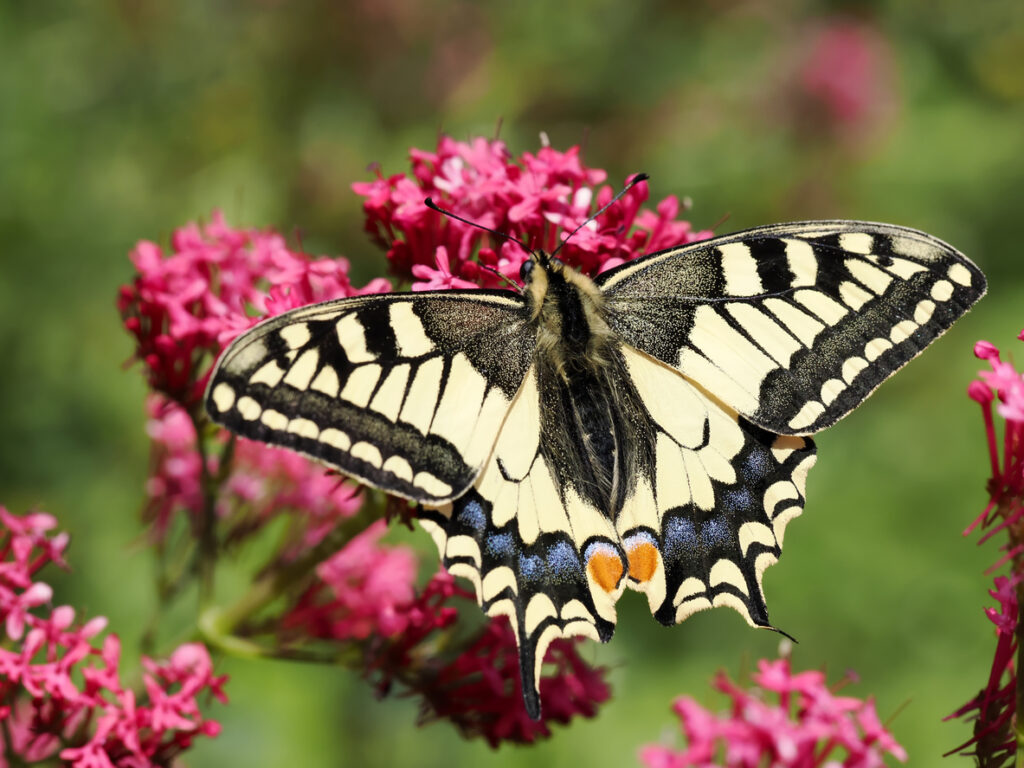
A garden that explodes with colour in June but has nothing blooming in April or September will miss most of the butterfly season. Different species are active at different times, and even the same butterflies need food throughout their adult lives, not just for one month.
Successful butterfly gardens plan succession planting so something’s always flowering. Early bulbs and spring flowers feed butterflies emerging from hibernation or newly emerged from chrysalises. Summer plants cater to peak season. Late-flowering things like sedums and ivy provide crucial fuel for species preparing to hibernate or migrate. Continuous food supply means continuous butterfly visitors.
They avoid using pesticides that kill more than just pests.
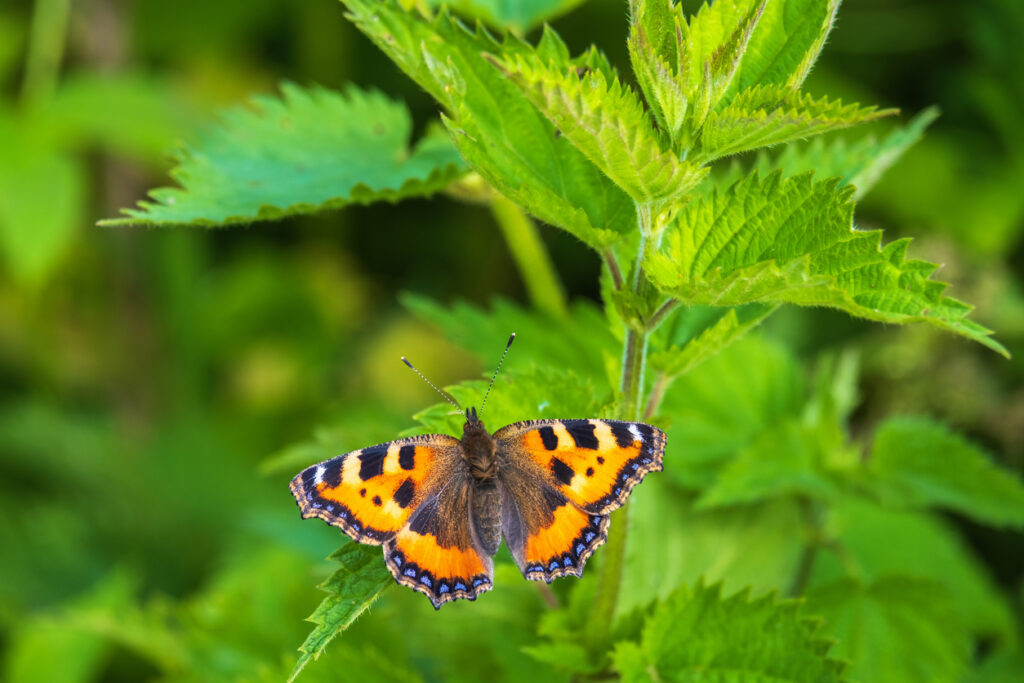
Even bug sprays marketed as garden-friendly can devastate butterfly populations because caterpillars are incredibly vulnerable to insecticides. If you’re spraying to kill aphids or other pests, you’re likely killing butterfly larvae too, or contaminating their food plants with chemicals that poison them when they eat.
Gardens with thriving butterfly populations either avoid chemicals completely or use very targeted approaches. They accept some pest damage as part of having a living ecosystem. Once you start spraying regularly, you create a sterile environment where nothing survives except the most resilient pests, which then need more spraying. It’s a cycle that excludes butterflies entirely.
They leave seedheads standing over winter.
Lots of butterfly species overwinter as pupae attached to dead plant stems, tucked into grass clumps, or hidden in leaf litter. Gardens that get cut back to bare earth every autumn destroy all these hibernating butterflies before they ever get a chance to emerge in spring.
Butterfly-rich gardens leave their perennials standing through winter and don’t do the big tidy-up until late spring when everything’s safely emerged. Those dead-looking stems and tatty grass tussocks are actually hotels full of sleeping butterflies. Cutting them down and binning them in October means you’re literally throwing away next year’s butterfly population.
They have sunny, sheltered spots where butterflies can warm up.
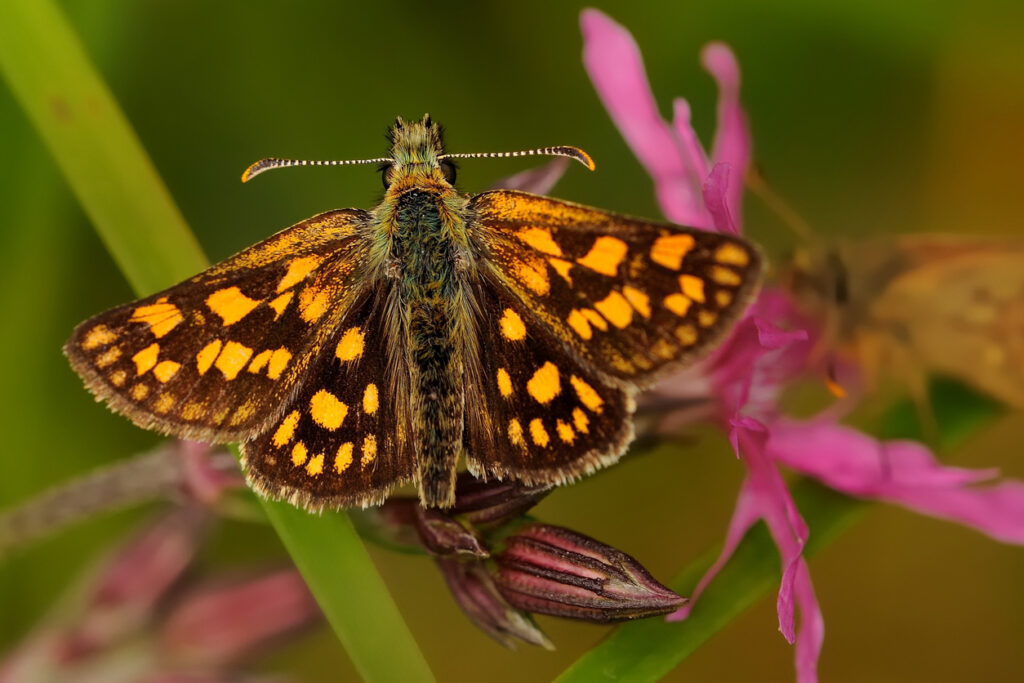
Butterflies are cold-blooded and need to warm their wing muscles in direct sunshine before they can fly properly. Gardens that are entirely shaded or completely exposed to wind don’t provide good conditions for butterflies to function. They need warm sunny patches protected from strong breezes.
Successful butterfly gardens create sun traps with walls, hedges, or strategically placed shrubs that block wind while letting in maximum light. Flat stones or paving also help because butterflies bask on warm surfaces to heat up faster. A garden might have perfect flowers, but if it’s cold and windy, butterflies will struggle to visit or will move on to somewhere more comfortable.
They include native plants that local caterpillars recognise.
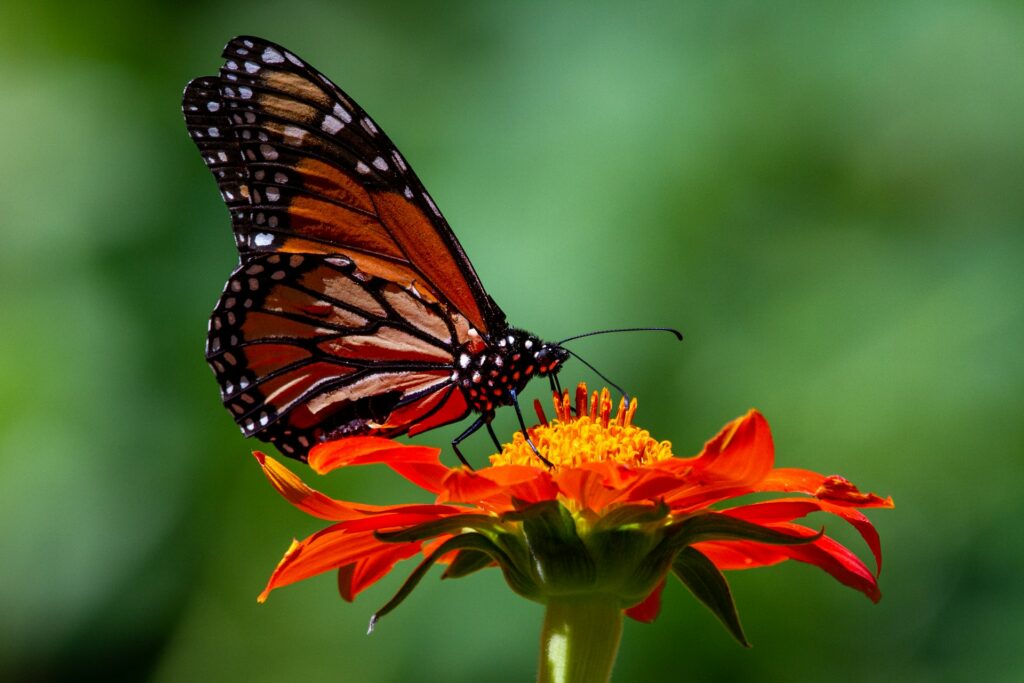
Many butterfly species are specialists, whose caterpillars only eat specific native plants. You can fill your garden with exotic beauties from around the world, but if local butterflies don’t recognise them as food plants, they won’t lay eggs there. Red admirals need nettles, orange tips want garlic mustard, and holly blues require holly or ivy.
Gardens that support diverse butterfly populations include native plants that match up with local species. That doesn’t mean only natives, but it does mean making sure you’ve got the key food plants butterflies in your area actually evolved to use. Without these, you might get visiting adults, but you’ll never have breeding populations because the caterpillars will starve.
They provide water sources with safe landing spots.
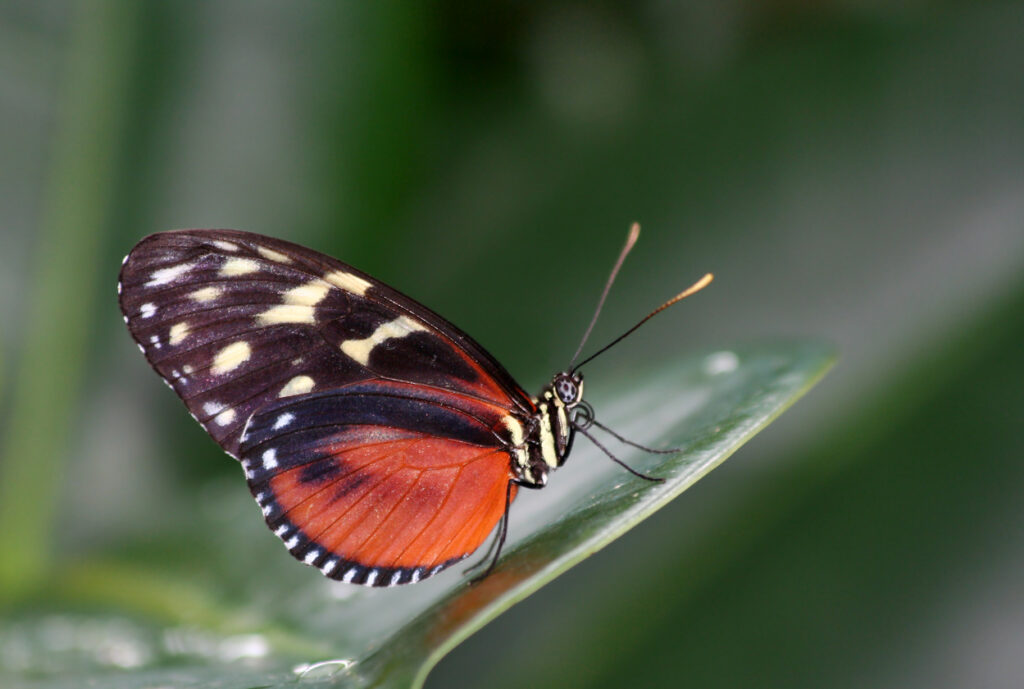
Butterflies need to drink, but they can’t land on open water like birds can. They need shallow puddles, damp sand, or wet mud where they can perch safely while sipping. This behaviour called puddling also lets them take in minerals and salts they can’t get from nectar alone.
Butterfly gardens create muddy patches or shallow dishes filled with sand kept constantly damp. Even a plant saucer filled with pebbles and water works because butterflies can land on the stones and reach the water between them. Gardens without any water sources or only deep ponds with steep sides miss out on attracting thirsty butterflies looking for a safe drink.
They choose plants with different flower shapes for different species.

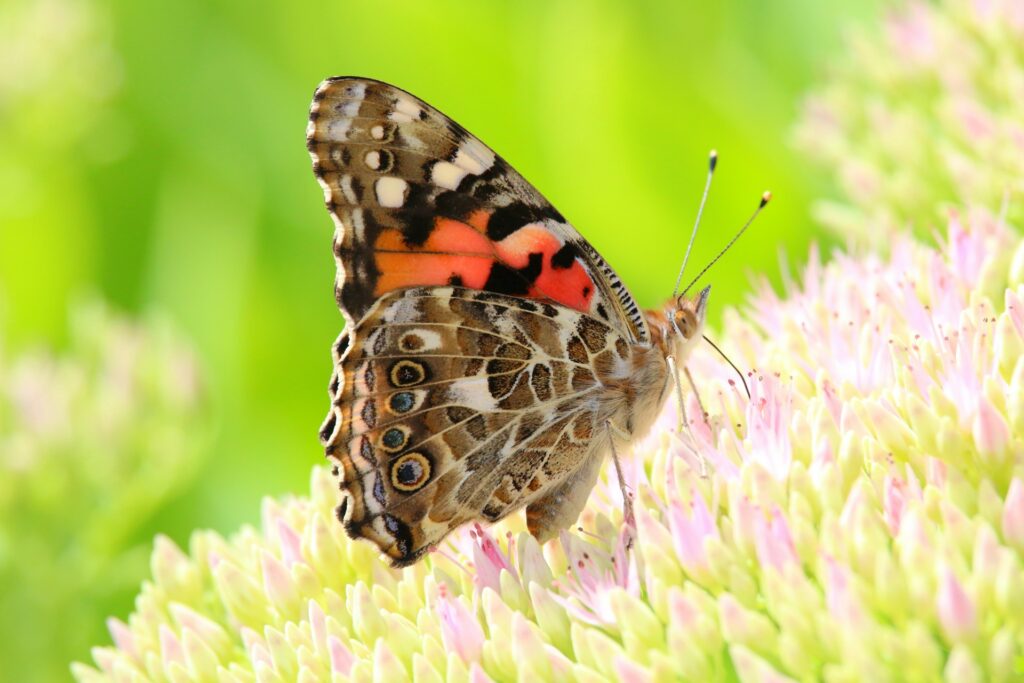
Different butterflies have different tongue lengths and preferences. Small butterflies like common blues prefer flat landing platforms like those on sedums or yarrow. Larger species with longer tongues can access tubular flowers like honeysuckle. Providing variety means accommodating more species rather than just the generalists.
Gardens that attract diverse butterfly communities offer a range of flower types, rather than focusing on just one or two species. This might mean combining flat daisy-like flowers, spiky clustered blooms like lavender, tubular shapes like foxgloves, and compound flowers like teasels. Different butterflies can then find their preferred dining arrangements all in one garden.
They’re located near other good butterfly habitat.
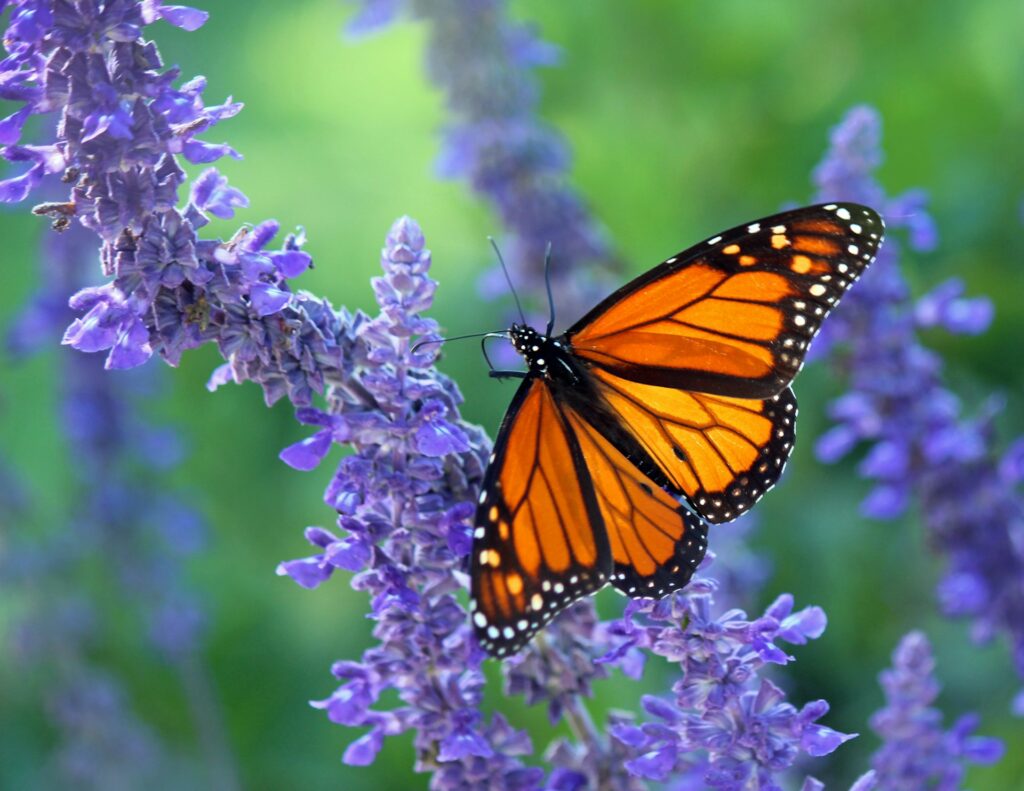
A single amazing garden surrounded by concrete and intensive farmland will struggle to get many butterflies, simply because there aren’t healthy populations nearby to draw from. Butterflies need networks of suitable habitat, not isolated islands. If your neighbours all have sterile lawns and pesticide-soaked borders, you’re fighting an uphill battle.
Gardens in areas where other people also garden wildlife-friendly, or near nature reserves, meadows, or woodland edges naturally get more butterflies because regional populations are healthier. You can’t control this entirely but connecting your garden to other habitat through wildlife corridors like hedgerows helps. Sometimes the difference between gardens isn’t the garden itself, but what surrounds it.
They let grass grow long in at least some areas.
Short mown lawn is almost useless to butterflies, but long grass supports loads of species whose caterpillars feed on various grasses. Meadow browns, gatekeepers, skippers, and others all need longer grass to complete their life cycles. They lay eggs on grass blades and the caterpillars feed there before pupating.
Gardens that support these species either have a wild meadow area or at least let some grass grow longer between cuts. Mowing paths through longer grass gives you the best of both worlds, with tidy walking areas but habitat for grass-feeding butterflies. A totally striped lawn might look smart, but it’s an ecological dead zone that will never support the full range of butterfly species your area could have.