Most people think gardening is automatically good for the planet, and in some ways, that’s true.
You’re growing things, spending time outdoors and giving wildlife a bit of space. But a lot of common gardening habits actually create far more pollution than people realise. From the products we buy to the way we deal with our lawns, plenty of well-intentioned choices end up doing more harm than good.
It’s not about blaming anyone. Most of us have just copied what we saw our parents or neighbours doing without thinking much about the impact. But when you look at the chemicals, the fuel, the waste, and even the plants we’re encouraged to use, it becomes clear our gardens can be far less “green” than they look. These are some of the biggest offenders.
Petrol lawnmowers pump out massive emissions.
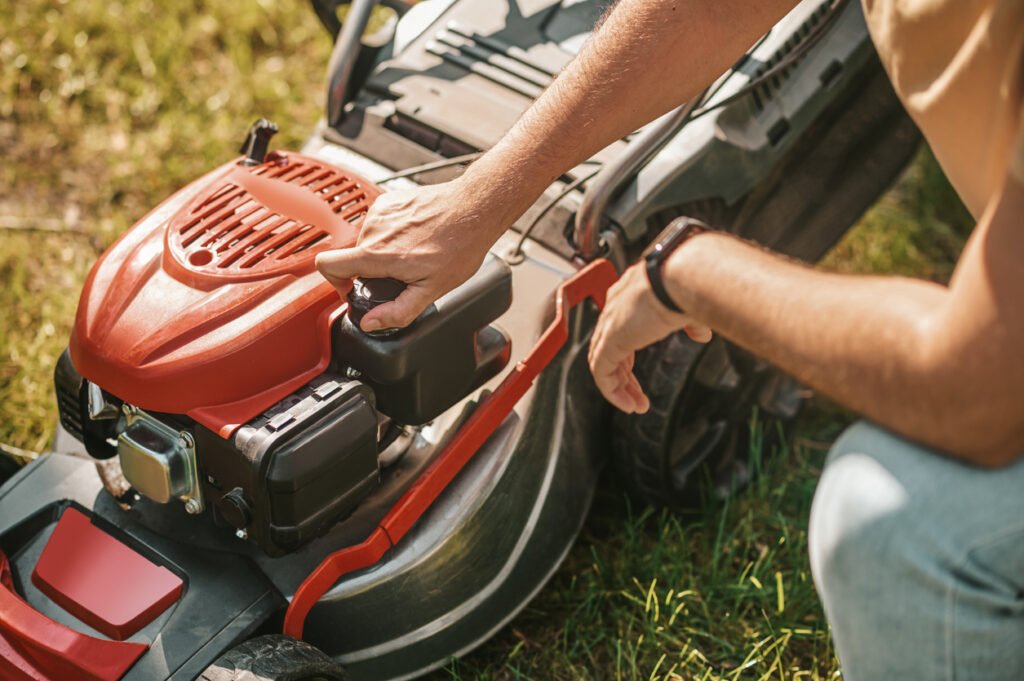
A petrol lawnmower running for an hour produces as much pollution as driving a modern car for over 100 miles. These small engines have no emissions controls and burn fuel incredibly inefficiently while spewing out harmful pollutants. Millions of British gardens have petrol mowers that get used weekly during growing season, creating a collective pollution problem nobody talks about.
Switch to an electric or manual push mower because both are much cleaner and often cheaper to run long term. If you must use petrol, maintain your mower properly and use fresh fuel because old fuel burns dirtier. Consider reducing your lawn size or mowing less frequently because every hour you don’t mow saves pollution.
Peat compost destroys ancient ecosystems.
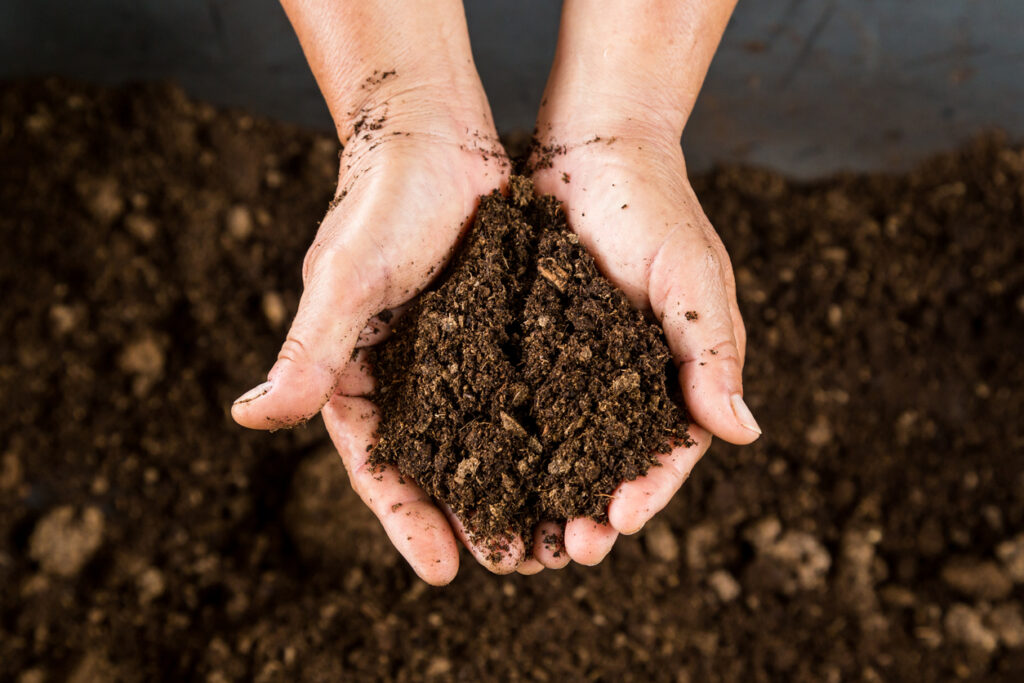
Peat is harvested from bogs that took thousands of years to form, and digging it up releases massive amounts of stored carbon into the atmosphere. These peatlands are crucial habitats for rare wildlife and vital carbon stores that help fight climate change. Despite knowing this, peat-based compost is still widely sold and used by gardeners who think they’re being green.
Buy peat free compost exclusively because there are loads of good alternatives available now made from composted bark and other materials. Make your own compost at home from garden and kitchen waste instead of buying any bagged stuff. Check labels carefully because some products claim to be eco-friendly while still containing peat.
Chemical fertilisers run off into waterways.
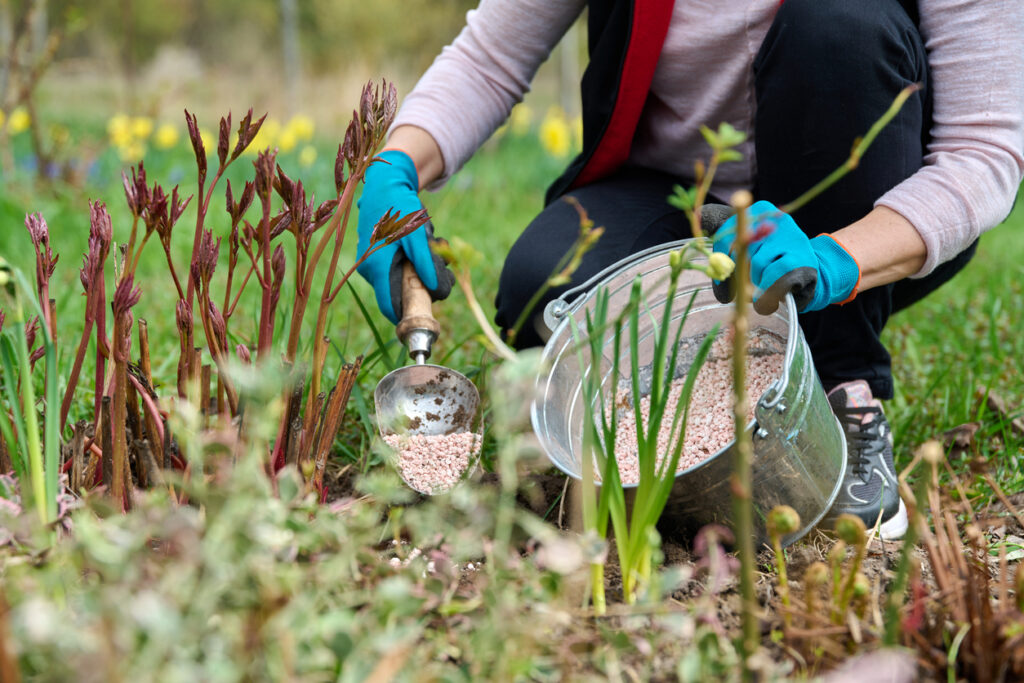
Synthetic fertilisers applied to gardens get washed into drains and rivers during rain, causing algae blooms that kill fish and other wildlife. Gardeners often use far more fertiliser than plants actually need because they think more equals better results. The nitrogen and phosphorus in these products is poisoning water systems across Britain while also releasing nitrous oxide, which is a powerful greenhouse gas.
Use organic fertilisers like compost and well rotted manure, which release nutrients slowly and improve soil rather than just feeding plants. Test your soil to see what it actually needs before adding anything because most gardens don’t need as much feeding as you think. Apply fertilisers sparingly and only during growing season when plants can actually use them.
Pesticides kill beneficial insects alongside pests.
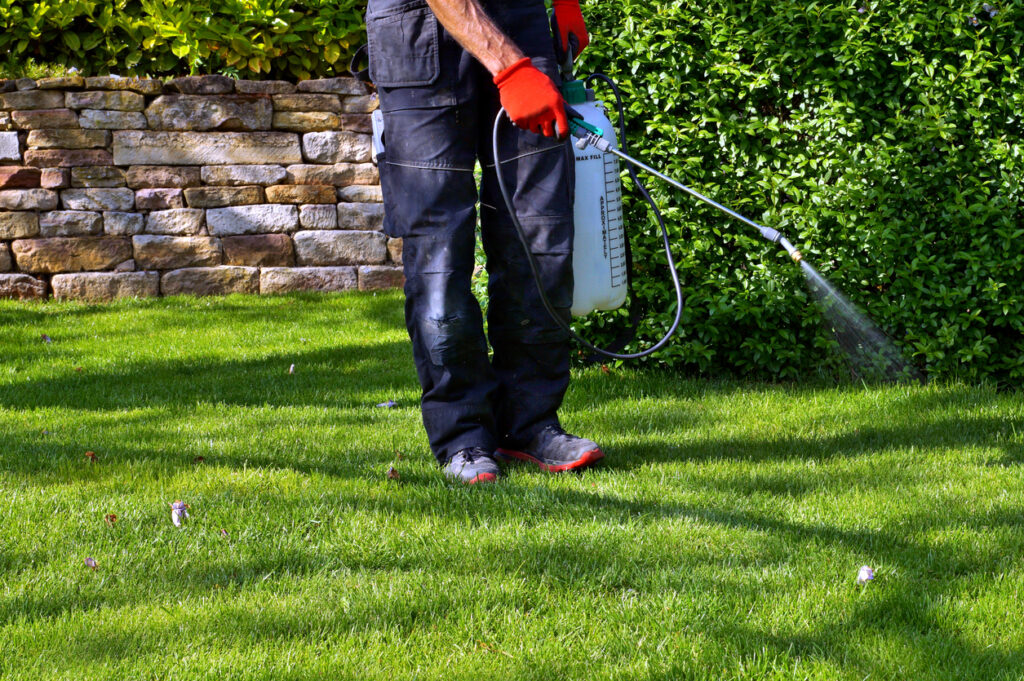
Garden pesticides don’t discriminate and kill bees, butterflies, ladybirds, and other helpful insects along with the pests you’re targeting. These chemicals persist in soil and water long after application and accumulate in the food chain, harming birds and other wildlife. Britain’s insect populations are crashing, partly because of pesticide use in gardens and farms combined.
Learn to tolerate some pest damage because a few holes in leaves won’t kill your plants and chemical free gardens support wildlife. Encourage natural predators like birds and hedgehogs, which eat pests for free without any pollution. Use physical barriers like netting and companion planting instead of reaching for sprays as your first solution.
Watering gardens during droughts wastes precious resources.
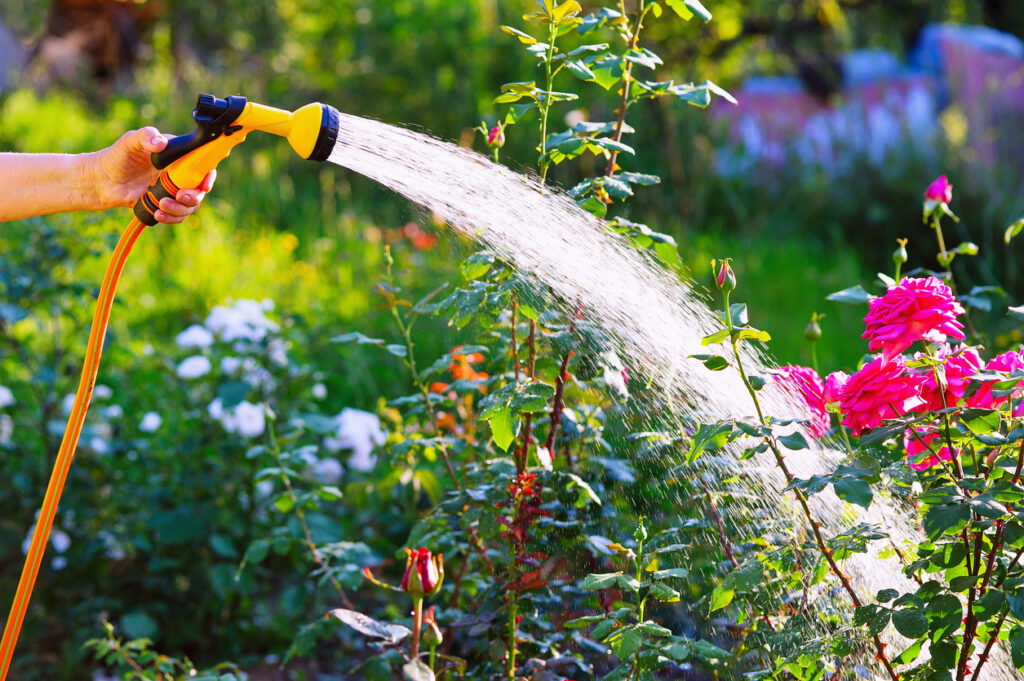
Gardeners use millions of litres of treated drinking water on lawns and ornamental plants, even during water shortages and hosepipe bans. Treating and pumping water uses massive amounts of energy, while many areas face genuine water scarcity. Keeping grass green through summer droughts is environmentally stupid when you consider the bigger picture.
Install water butts to collect rainwater from roofs and gutters so you’re not using mains water for gardens. Let your lawn go brown in summer because it’ll recover when rain returns and dormant grass is better than dead wildlife. Choose drought tolerant plants that don’t need constant watering once established.
Buying bedding plants creates packaging waste.
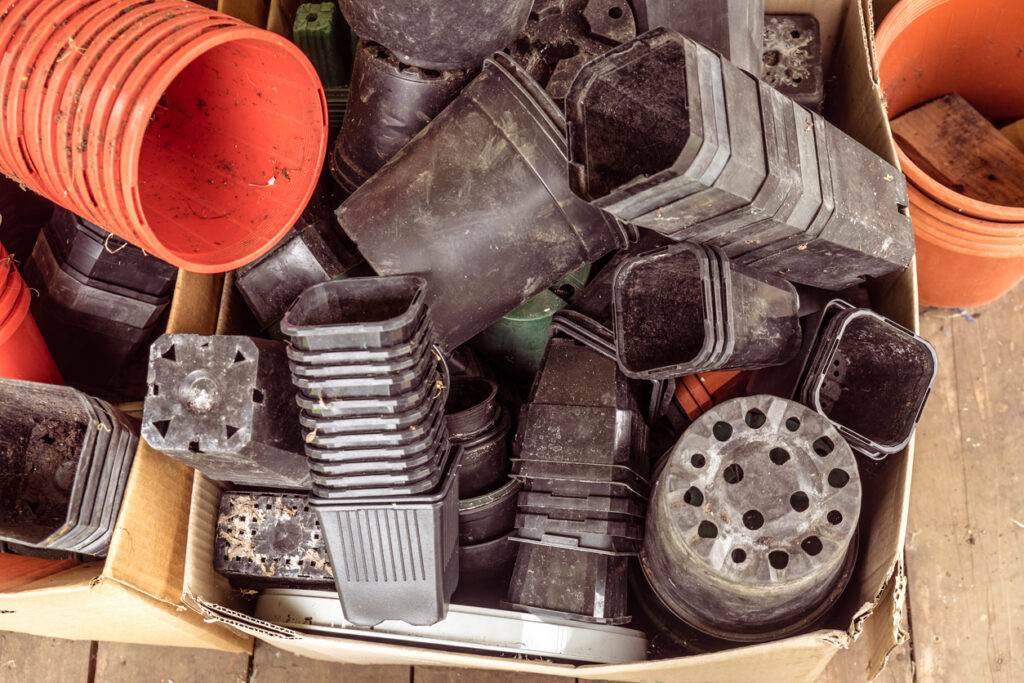
Those plastic pots and trays that bedding plants come in create mountains of non-recyclable waste every spring. Most councils won’t recycle black plastic plant pots, and they end up in landfill or get incinerated, releasing toxic fumes. The plants themselves are often grown in heated greenhouses abroad using loads of energy before being shipped to Britain.
Grow plants from seed at home instead of buying bedding plants because it’s cheaper and eliminates packaging waste. Swap plants with neighbours and friends rather than always buying new ones. Reuse plastic pots you already have, and ask garden centres if they’ll take old pots back for reuse.
Decking and garden furniture causes deforestation.
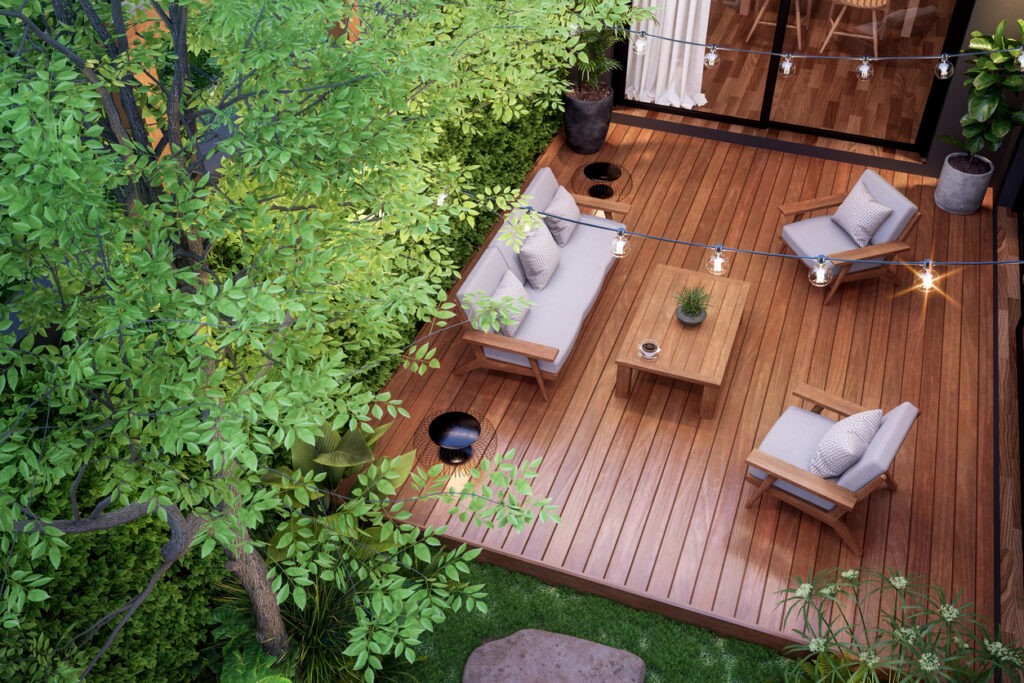
Tropical hardwood decking and furniture is often sourced from illegally logged rainforests, despite what labels claim. Even certified sustainable timber isn’t as green as it sounds because transporting heavy wood halfway round the world burns loads of fuel. Garden makeovers create demand for these products and directly contribute to habitat destruction and climate change.
Choose local sustainable materials like reclaimed wood or recycled plastic alternatives instead of tropical hardwoods. Check for FSC certification and research the company’s practices because greenwashing is rampant in the timber industry. Keep and repair existing garden structures rather than constantly updating to follow trends.
Gas patio heaters are environmental disasters.
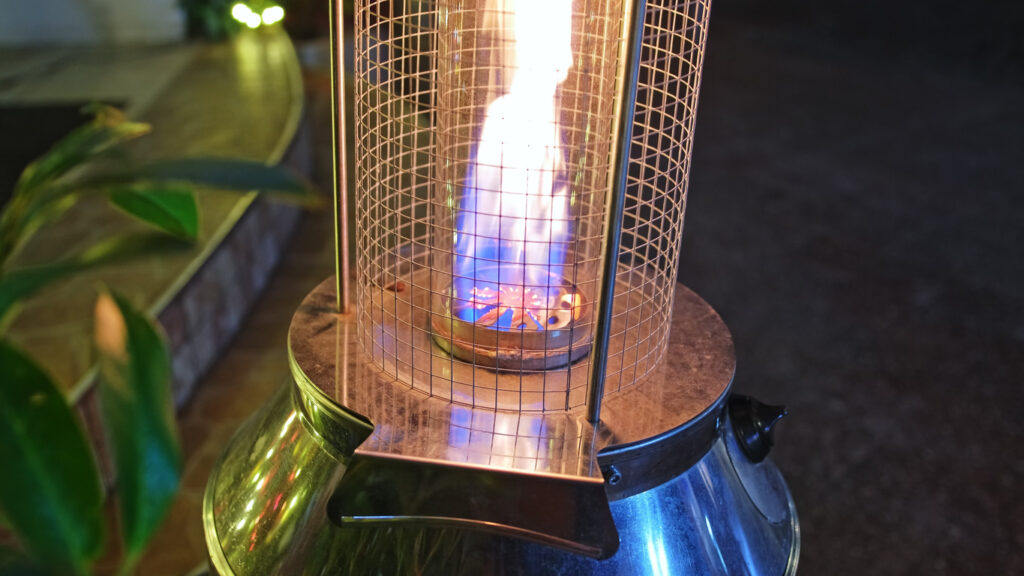
Outdoor heaters burn through propane or natural gas just so people can sit outside when it’s too cold, which is completely unnecessary. A single patio heater running for a few hours produces as much carbon dioxide as driving for miles. They’re basically heating the entire atmosphere while achieving nothing except making your immediate area slightly warmer.
Use blankets and fire pits, or simply go indoors when it’s cold instead of running patio heaters. If you must heat outdoor spaces, use electric heaters powered by renewable energy rather than gas. Accept that Britain is cold sometimes and not every outdoor space needs to be usable year round.
Pressure washers waste water and energy.
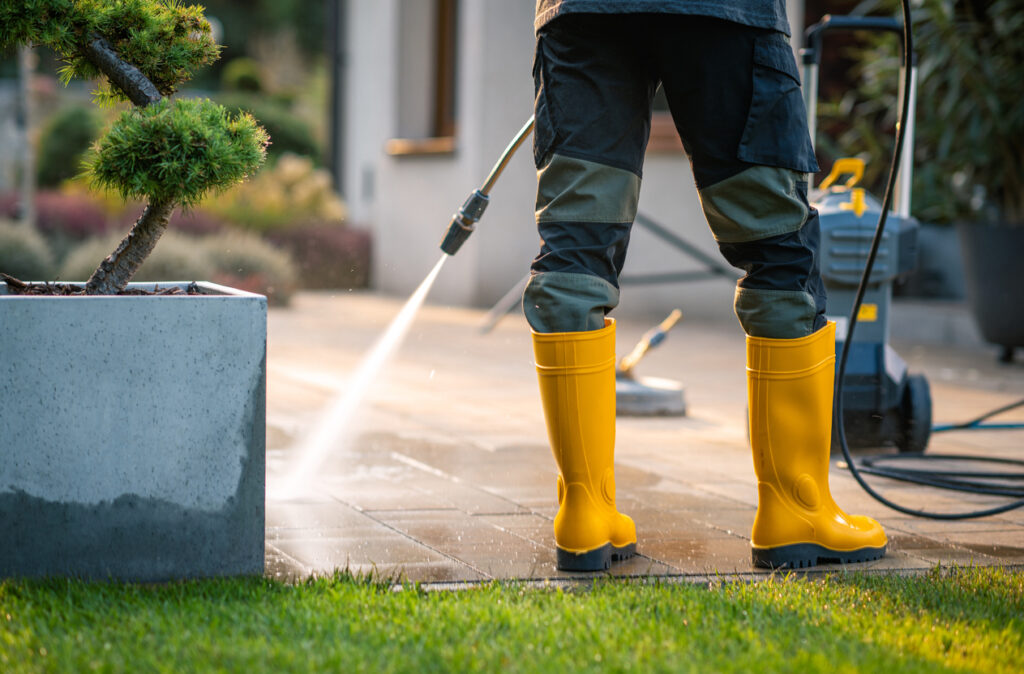
Blasting patios and driveways with pressure washers uses enormous amounts of water and electricity for purely cosmetic results. The run-off carries chemicals and debris into drains, polluting waterways. People pressure wash far more often than actually necessary because they think outdoor surfaces need to look perfect.
Use a stiff brush and elbow grease for most cleaning jobs because it’s free and doesn’t pollute. Save pressure washing for once a year maximum and use it only where absolutely necessary. Accept that outdoor surfaces will look weathered, and that’s completely fine.
Importing exotic plants spreads diseases and pests.
Buying unusual plants from abroad brings invasive species, pests, and diseases into Britain that devastate native ecosystems. Box tree caterpillar, oak processionary moth and various plant diseases all arrived through the horticultural trade. These problems cost millions to manage and cause lasting damage to British woodlands and gardens.
Choose native British plants or well established non-invasive species that are already here. Buy from reputable local nurseries rather than importing directly from abroad. Quarantine new plants away from your main garden for a few weeks to spot any problems before they spread.