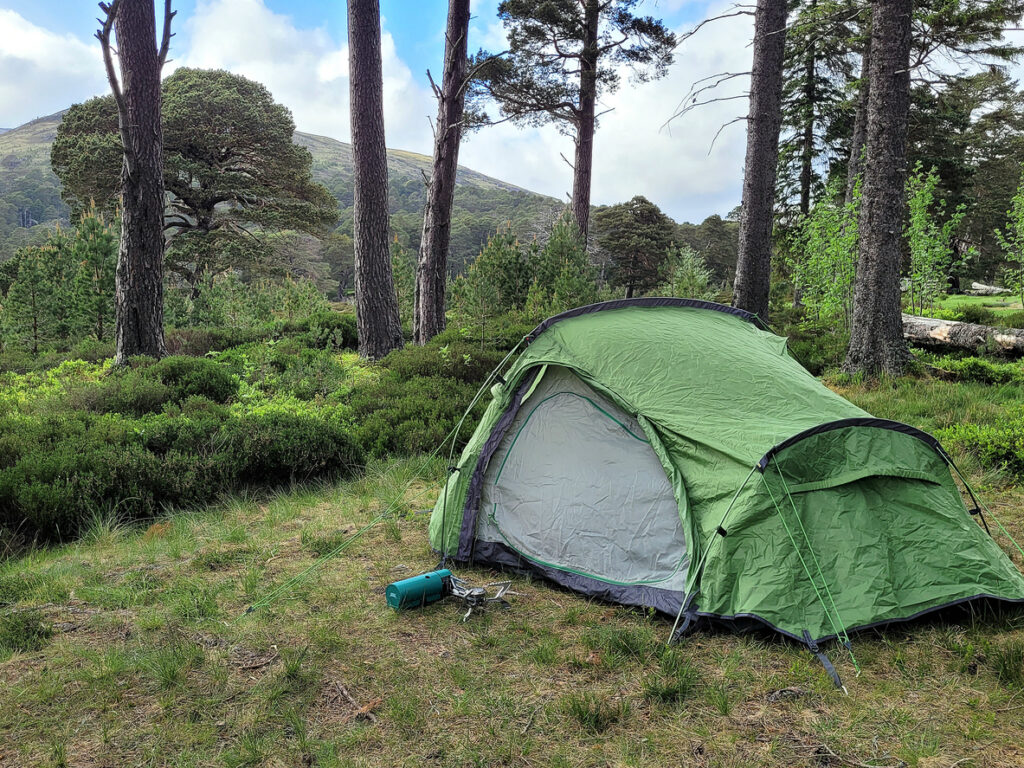
Wind can turn a normal camping trip into something stressful much faster than people expect. Strong gusts can shake your tent, scatter your gear and make simple tasks difficult if you’re not prepared. Many problems start because campers underestimate how quickly the weather can change, especially in exposed areas. Understanding the risks and knowing how to react helps you stay calm, keep control of the situation, and stay comfortable until conditions improve.
Anchor your tent properly.
When pegs are pushed in lightly or at the wrong angle, wind lifts them out of the ground easily, which makes the tent wobble and puts pressure on the poles. People often assume the ground is firm enough, but even strong soil loosens under repeated gusts, turning a stable pitch into a shaky one.
Driving your pegs deep into the ground helps keep the tent steady. Using the correct 45-degree angle gives the peg more grip, which stops it sliding out when the wind pulls on the ropes. Adding extra guy lines also spreads the pressure across the tent, which helps the structure stay firm even in stronger gusts.
Don’t pitch in the wrong spot.
Choose open spaces because they look flat and tidy is a big mistake. These areas offer no natural protection, so the wind hits the tent directly from every side. Even a good tent struggles in these conditions, and the constant pressure makes sleeping and cooking much harder.
Choosing a protected area helps reduce the impact. Small hills, bushes, or tree lines act as natural windbreaks and keep your tent from taking the full force of the gusts. Checking the surroundings before pitching gives you a better chance of settling into a safer, calmer spot.
Make sure not to face your tent in the wind the wrong way.
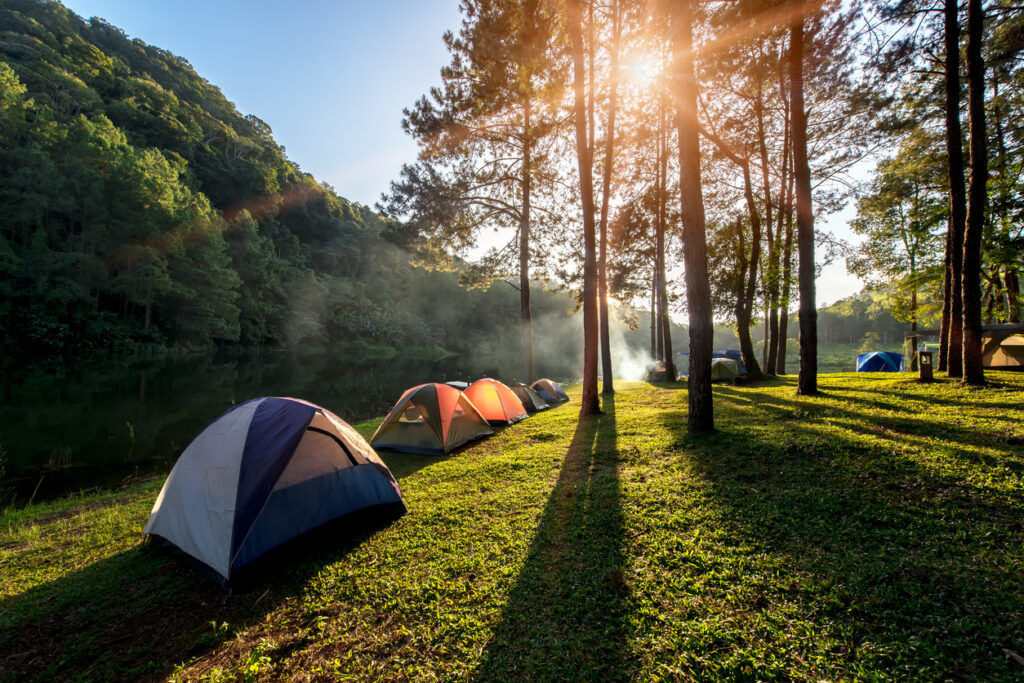
When the widest part of the tent faces the wind, this catches more air and pushes hard against the frame, which can bend poles or weaken the stitching. Many campers overlook this detail when they first set up, then wonder why the tent seems to strain through the night.
Turning the narrow end of the tent towards the wind helps it stay stable. This shape cuts through the air more easily and lowers the pressure on the poles. Taking a few seconds to adjust the direction makes a big difference once the weather turns rough.
Secure loose items so they don’t blow around the campsite.
You’re guaranteed to experience a disaster when chairs, bags and cooking gear aren’t secured. Wind turns light items into hazards that can knock over stoves or roll into nearby tents. Even simple things like rubbish bags or cups can scatter quickly, leaving a mess and creating risks you didn’t expect.
Storing loose items inside the tent or weighing them down helps prevent chaos. Keeping the area tidy also makes it easier to move around safely during stronger gusts. When everything has a set place, you spend less time chasing objects and more time staying comfortable.
Your fire or stove could become dangerous, so take care.
Wind can blow sparks into dry grass or push the flame out of control. Even a small gust can scatter embers far from the cooking area, turning a simple meal into a serious fire risk. Stoves also struggle when the flame keeps flickering or blowing out, which makes cooking slow and frustrating.
Moving the stove behind a windbreak helps keep the flame steady. Cooking with lids or using sheltered spots prevents sparks from drifting. This makes the whole process safer and gives you more control over the heat, even when the weather gets lively.
Don’t put your tent poles under too much strain.
The poles bend back and forth as the wind hits the tent, which isn’t a big deal when it happens sparingly. Repeated pressure weakens the pole joints and can eventually snap them, especially on cheaper tents. Once a pole breaks, the whole tent becomes unstable and difficult to repair outdoors.
Adding extra guy lines helps spread the weight and reduce bending. Checking the poles regularly lets you spot small cracks or weak points before they turn into bigger issues. When the tent is properly supported, it can handle far stronger gusts without damage.
Know that noise from the wind can make it hard to get quality sleep.
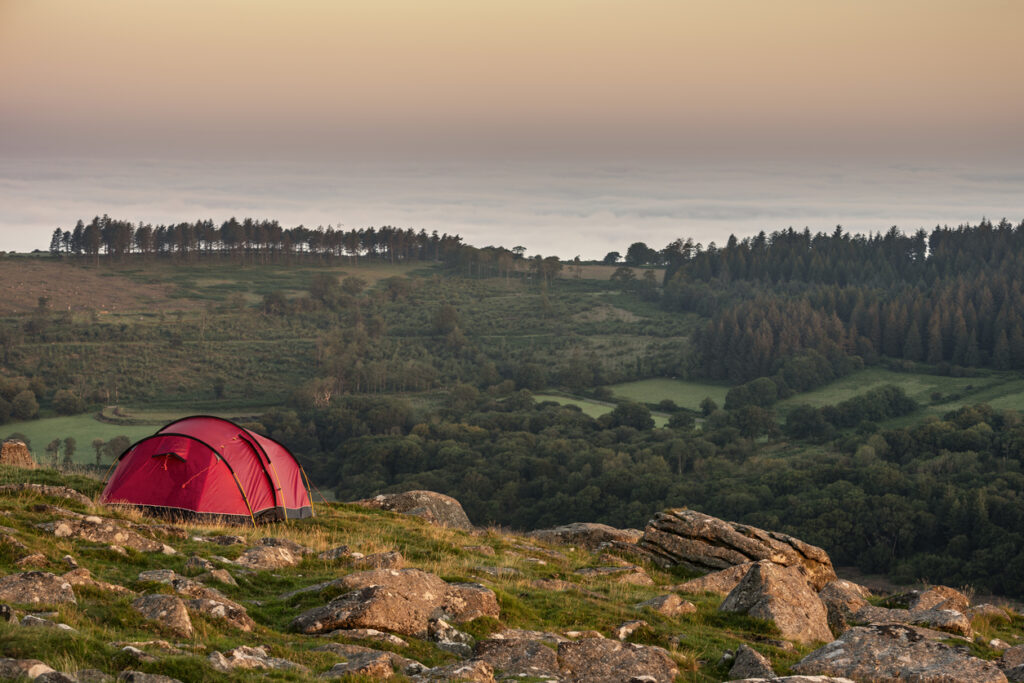
When fabric flaps loudly, ropes vibrate, and branches rustle for hours, the constant noise makes it hard to get proper rest, which leaves you tired and irritable the next day. Many campers underestimate how exhausting wind can be, even without direct danger.
Tightening the guy lines helps reduce flapping fabric. Placing bags or jackets along the inner walls dampens the shaking and softens the sound. Having earplugs handy is also useful and helps you get some well-needed sleep in rough weather.
Check for falling branches when you walk around.
When campers forget that trees can be risky in high winds, that’s a mistake. Loose or dead branches fall suddenly, and even small ones can cause injury. People often assume woodland areas are safer, but they can be the most dangerous spots in strong gusts.
Checking the area above your pitch helps avoid this risk. Moving away from tall or damaged trees keeps you safer if the wind gets stronger. Staying aware of what’s above you is just as important as watching the ground.
Don’t ignore weather warnings.
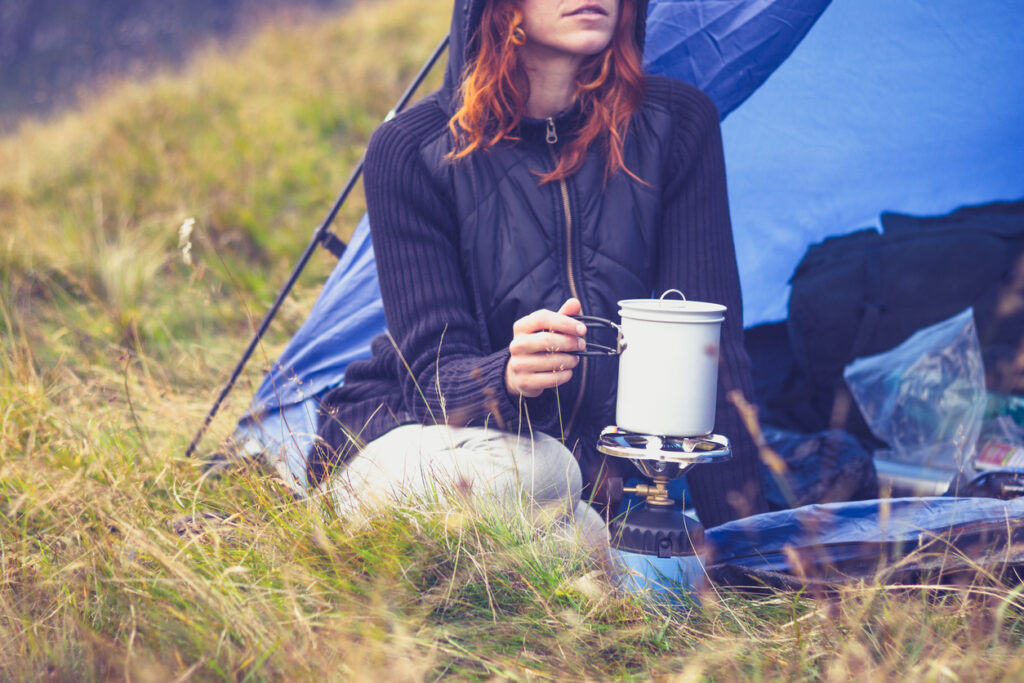
Simply hoping the wind will calm down or assuming your tent will manage anything is a big no-no. By the time you react, conditions may already be too strong for safe camping. Many accidents come from waiting too long to make a decision.
Checking local forecasts helps you stay ahead of the weather. If a strong wind warning appears, packing down early or changing location keeps you in control. Leaving before things get dangerous is always the safer choice.
Don’t wake too long to pack up.
When campers try to push through conditions their tent isn’t meant to handle, bad things happen. Once poles start bending or fabric tears, it becomes much harder to fix the situation quickly. Delaying the decision often leads to rushed packing in unsafe conditions.
Packing down before the wind becomes severe helps protect your gear and keeps you safe. Taking the tent down calmly gives you more control and prevents damage that could end the trip early. Acting sooner rather than later always makes the experience easier and safer.