Sticking an elephant in a small enclosure is like trying to keep a marathon runner in a cupboard.

These animals are built for massive distances, and they’ve got a biological drive to move that you simply can’t switch off. In the wild, they’re constantly on the move to find the right food, clean water, and other herds, which keeps their brains sharp and their bodies functioning.
When they’re forced to stay in one spot, everything starts to fall apart, from their foot health to their mental state. They’re basically the architects of the landscape, but they can only do that job if they’ve got the room to actually get about. Understanding why that space is so vital is the only way we’re going to keep them from disappearing for good.
Their bodies are built for distance.

Elephants can walk up to 50 kilometres in a single day when they’re following natural patterns. Their legs and feet are designed specifically for this kind of sustained movement. The padding in their feet absorbs impact over long distances, and their muscular structure supports hours of walking without strain.
When you restrict this movement, you’re essentially forcing an animal built like a long-distance runner to live in a cupboard. Their bodies don’t adapt to confinement—they deteriorate. Joint problems, foot issues, and muscle wastage all develop when elephants can’t move the way they’re physically designed to.
Food requirements demand huge territories.

An adult elephant eats between 150 and 300 kilograms of vegetation daily. That’s not a little browse here and there—it’s sustained, constant feeding that requires access to diverse plant sources across large areas. They need to move to find enough food because they’ll strip an area of vegetation quite quickly.
In the wild, this movement allows plants to recover before elephants return. Confining them means either they don’t get enough food variety or the land gets completely degraded because it can’t recover from their feeding. Either way, both the elephants and the environment suffer.
Water sources aren’t evenly distributed.
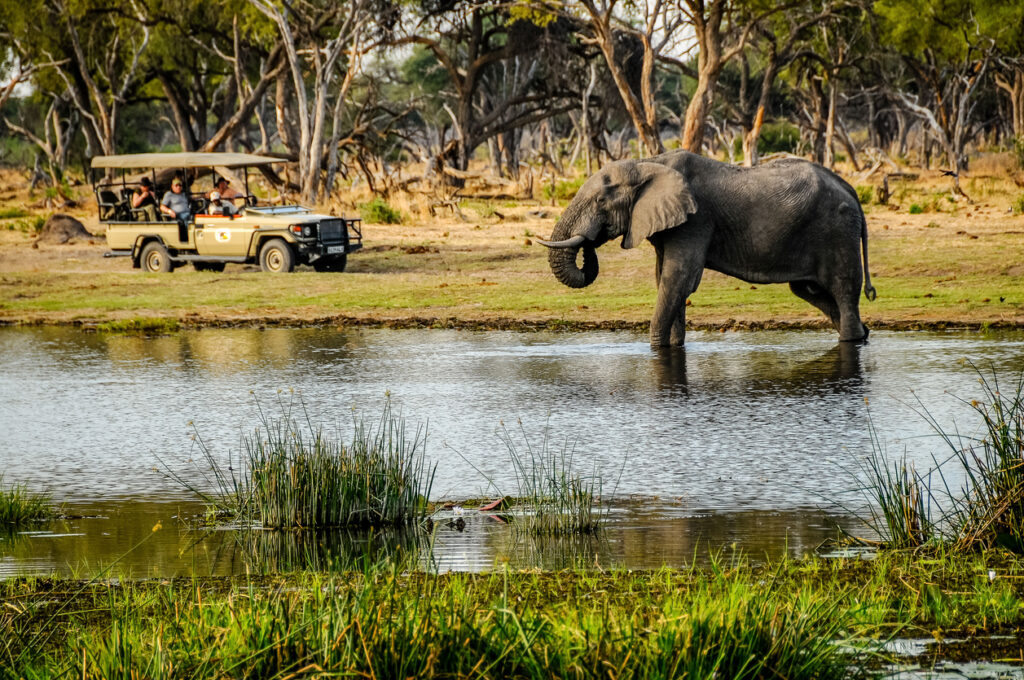
Elephants need around 200 litres of water per day, and in most habitats, water isn’t constantly available in one spot. They’ve evolved to know where seasonal water sources are and to move between them as availability changes. During dry seasons, they might travel enormous distances to reach reliable water.
Their knowledge of water locations is passed down through generations. When you restrict their range, you’re cutting them off from this network of resources that their survival depends on. Providing artificial water in captivity doesn’t replace the natural patterns of movement and memory that water-seeking creates.
Social structures depend on space.
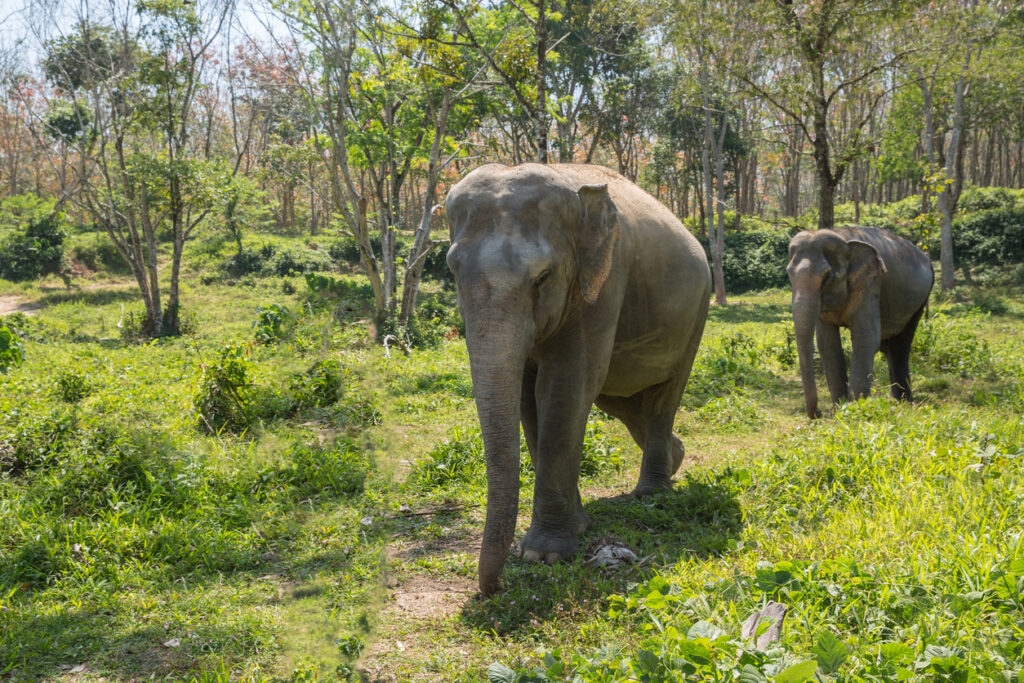
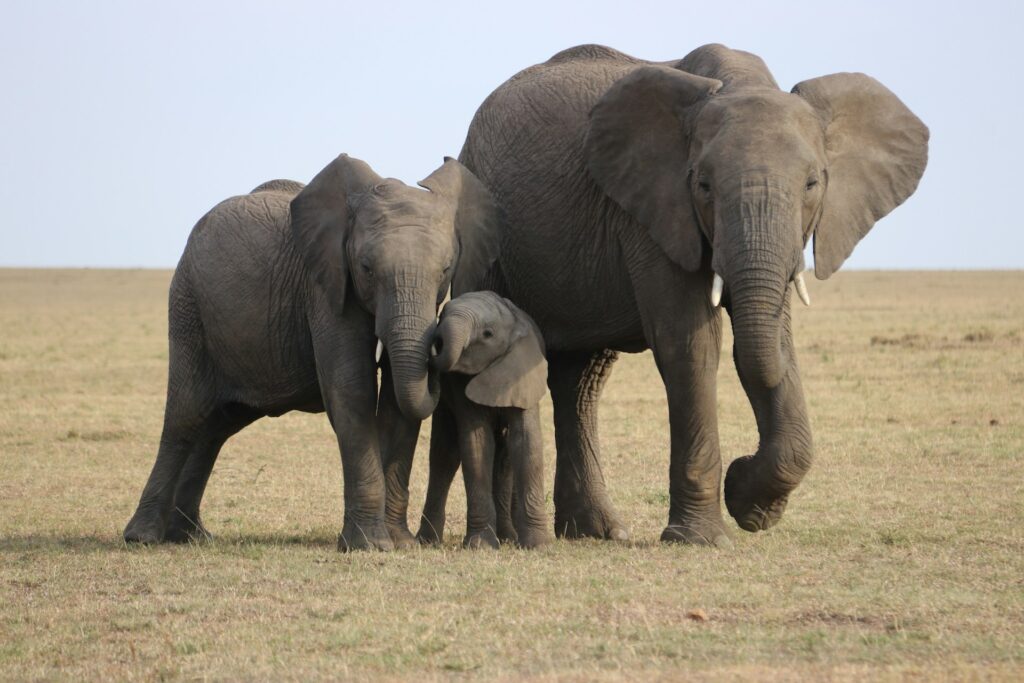
Elephant herds aren’t static groups—they’re flexible social networks that merge and separate based on resources and relationships. Bulls leave their birth herds and live more solitary lives, with occasional interactions with other males. Females maintain family groups, but interact with other family groups regularly.
All of this requires space to navigate social dynamics. Confining elephants forces social structures that wouldn’t naturally occur, creating stress and conflict. They need room to maintain appropriate distances, to choose who they interact with, and to follow natural social patterns that change with age and circumstance.
Temperature regulation requires movement.
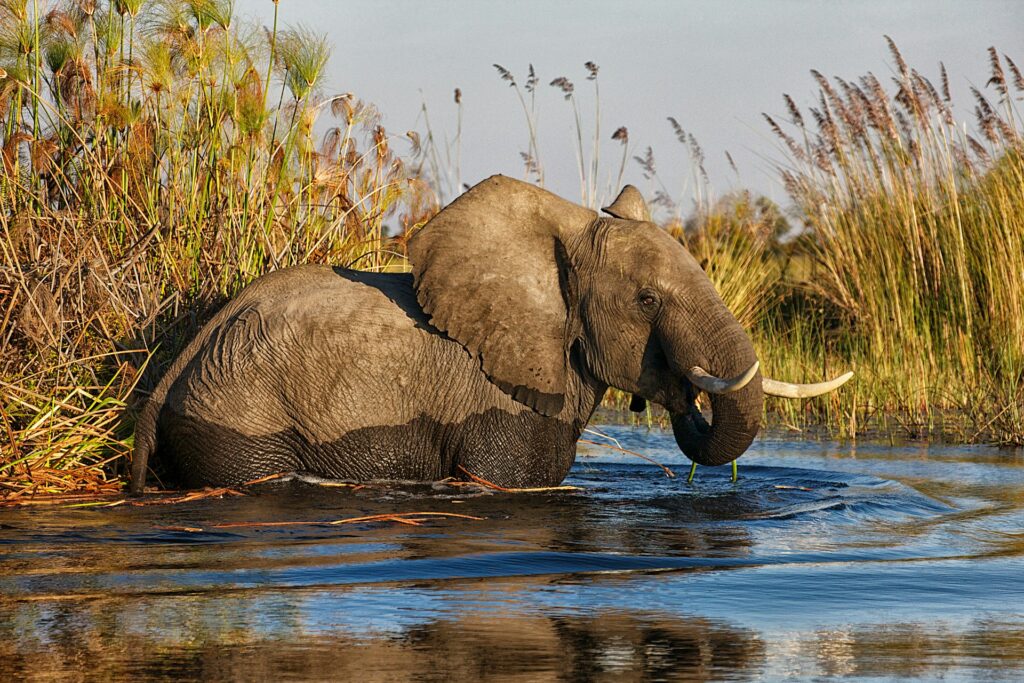
Elephants overheat easily because of their massive body size. In the wild, they manage this by moving between shaded areas, wallowing in mud, swimming, and adjusting their activity to the coolest parts of the day. That thermal regulation depends on having access to different microclimates within their range—forests for shade, rivers for cooling, open areas for evening grazing.
Restricted spaces can’t provide this variety, which means elephants in confinement often struggle with heat stress. Their natural behaviour of moving to cooler areas throughout the day becomes impossible, affecting their health and comfort significantly.
Mental stimulation comes from exploration.

Elephants have enormous brains and high intelligence. In the wild, their days are filled with problem-solving, navigation, social negotiation, and responding to environmental challenges. Roaming provides constant mental engagement—working out routes, finding food, avoiding danger, interacting with different landscapes.
Captive elephants in restricted spaces show obvious signs of profound boredom and mental distress. They develop stereotypic behaviours like swaying and pacing because their brains have nothing to engage with. The stimulation that roaming provides isn’t optional enrichment—it’s fundamental to their psychological wellbeing.
They’re ecosystem engineers.
Elephants shape entire landscapes as they move. They knock down trees, creating clearings that benefit other species. They dig for water, creating holes that other animals use. They disperse seeds across vast distances in their dung, essentially planting forests as they travel.
Their movement patterns create pathways that other animals follow. Remove elephants from an ecosystem or restrict their movement, and you change the entire ecological balance. Their roaming isn’t just about their own needs—it’s crucial for maintaining biodiversity and habitat structure across huge areas.
Genetic diversity requires wide-ranging populations.
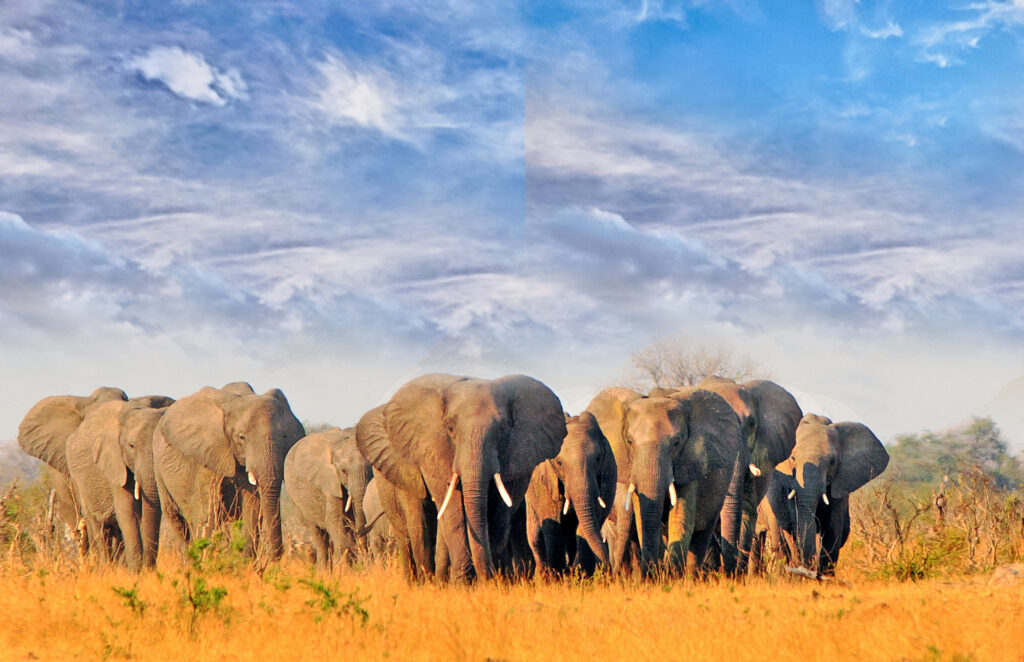
Male elephants travel long distances between different female groups, which prevents inbreeding and maintains genetic health across populations. Restricting elephant ranges creates isolated populations with limited genetic diversity, making them more vulnerable to disease and genetic problems.
The natural gene flow that happens when elephants can roam freely is essential for long-term population viability. Small, isolated groups become genetically bottlenecked quite quickly, which has serious implications for conservation.
Seasonal patterns dictate movement.
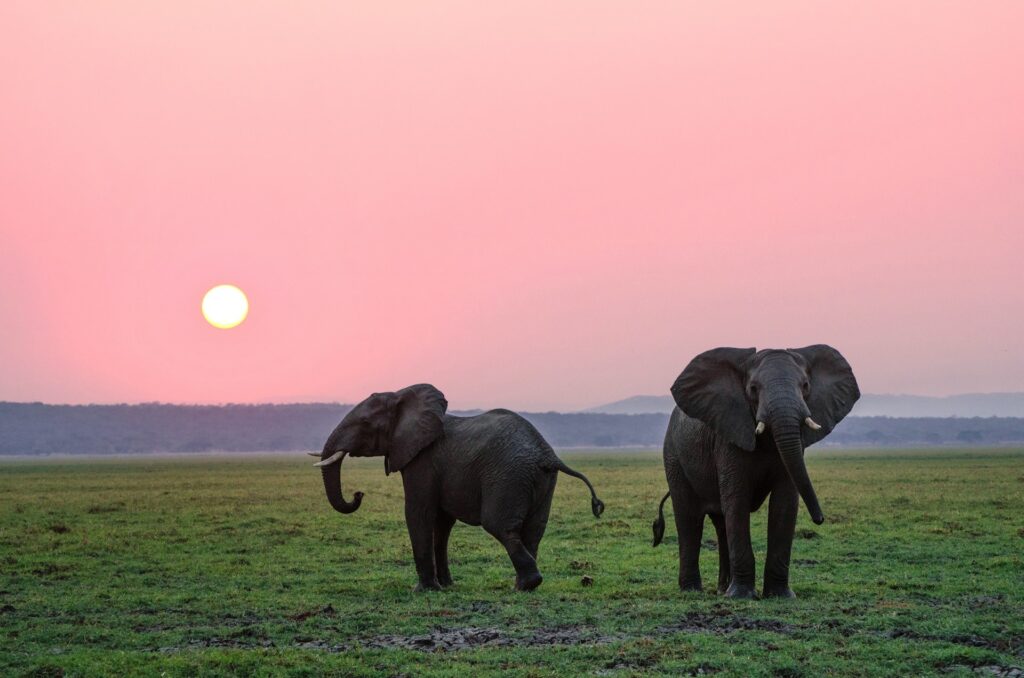
Elephants follow seasonal changes in vegetation, water, and mineral availability. They might travel to specific areas for particular foods that are only available at certain times of year. They visit mineral licks to get nutrients not available in their regular diet.
They know when and where different resources will be available based on generations of accumulated knowledge. Preventing this seasonal movement means they miss out on crucial nutritional resources and can’t follow the natural rhythms their bodies and behaviours are adapted to. This affects everything from reproduction to immune function.
Captivity creates physical and mental illness.
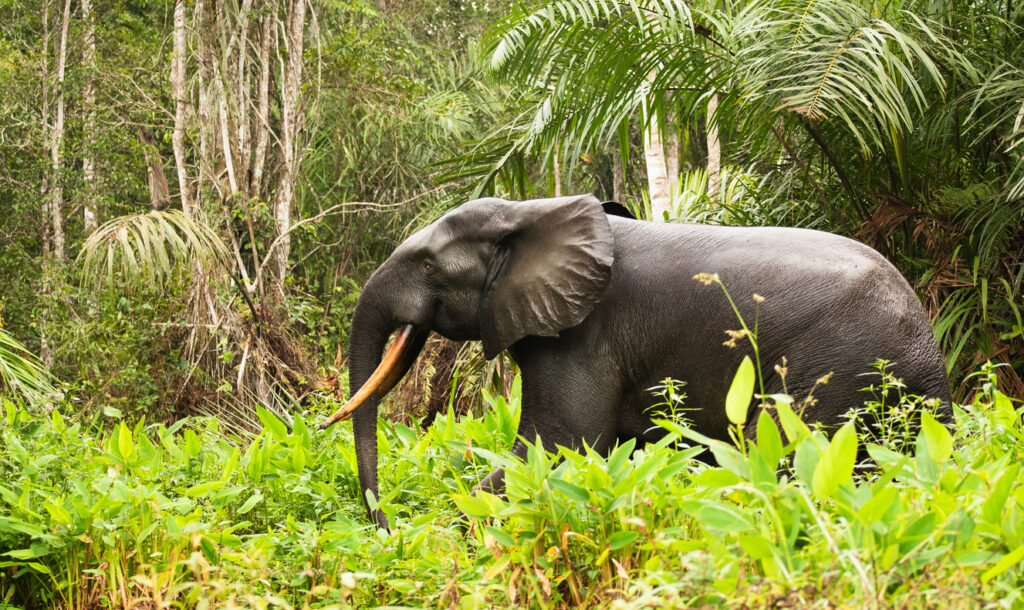
The evidence from captive elephants is clear: restricted space causes serious problems. Arthritis, foot disease, obesity, reproductive issues, and drastically shortened lifespans are all more common in captive elephants compared to wild ones. The psychological impacts are even more obvious.
Depression, aggression, and abnormal repetitive behaviours are standard in captive elephants with limited space. These aren’t management problems that better care can fix—they’re direct results of preventing elephants from doing what they’re evolved to do, which is roam across vast territories. No enclosure, no matter how well designed, can replicate the physical and mental benefits of genuine roaming behaviour.