Evolution is usually seen as a slow crawl towards being bigger or faster, but the natural world is actually full of strange workarounds that look like something out of a sci-fi script.

You’ve got creatures out there that have bypassed the usual rules of biology just to stay in the game, turning massive disadvantages into their biggest strengths. Whether it’s a jellyfish that’s figured out how to hit the reset button on its own life cycle or a beetle that’s a walking chemical lab, these adaptations show just how weird things get when survival is on the line. These 10 species have developed traits so specific and bizarre that they make the usual “survival of the fittest” look a bit unimaginative.
1. Some frogs freeze solid, then thaw out and hop away.
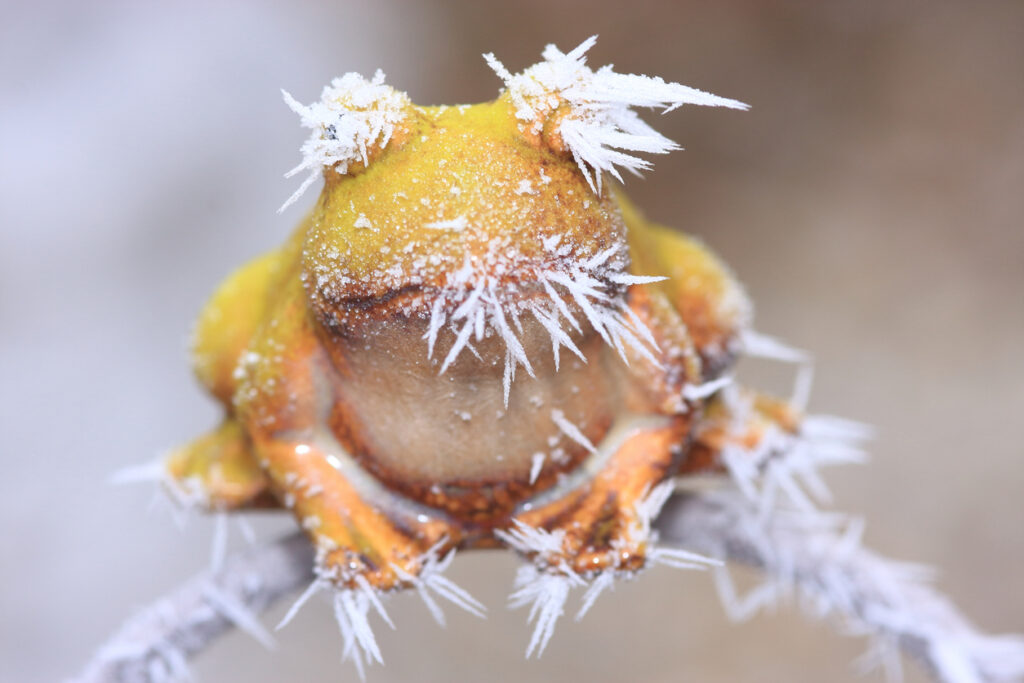
Wood frogs can survive being frozen during winter, which sounds impossible until you realise they’re not just toughing it out. Their bodies start producing glucose and other compounds that act like antifreeze, protecting cells while ice forms around them. Their heart can stop, they don’t breathe, and they basically sit there like a frog ice cube until temperatures rise.
When spring comes, they thaw and carry on like nothing happened, which is honestly rude. This trick matters because it lets them live in places where winter would normally wipe them out. It’s a survival plan built for brutal seasons, and it means they don’t have to migrate or find deep water to make it through.
2. Some fish make their own antifreeze proteins.

In polar oceans, water can sit below the usual freezing point because of salt, and that would be deadly for many fish. Antarctic icefish and other species evolved special antifreeze proteins in their blood that stop ice crystals from growing. Without it, their blood could start forming ice and the game would be over.
This isn’t a cosy adaptation, it’s a life-or-death chemical hack. It lets them stay active in waters that would instantly wreck most other animals. It also shows how survival isn’t always about muscles or speed, sometimes it’s about tiny molecules doing the heavy lifting.
3. Tardigrades go into survival mode that looks like death.

Tardigrades, those tiny water bears, can dry out and curl into a little husk called a tun. In that state, their metabolism drops to almost nothing, and they can survive extreme heat, cold, radiation, and the absence of water for long stretches. It’s like they have an emergency pause button for life.
They come back when conditions improve, rehydrate, and carry on. It’s not that they’re indestructible, but their ability to wait out disaster is next level. In nature, that means they can survive droughts and harsh conditions that would wipe out most tiny creatures living in moss and soil.
4. Some lizards squirt blood from their eyes.
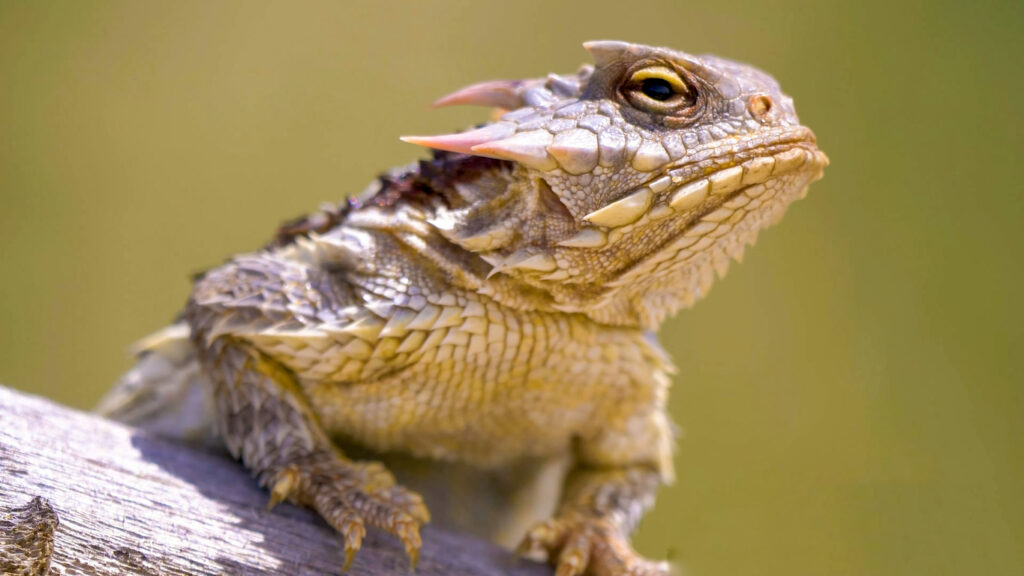
Horned lizards have a defence move that sounds made up. When threatened, some species can increase blood pressure in the vessels around their eyes until the vessels burst, shooting blood out. It can startle predators, and the blood can taste nasty to some attackers, like canids.
It’s not a move they do casually because it costs them fluid and energy. But as a last-ditch defence, it can be enough to make a predator back off. It’s a perfect example of evolution going, you know what, fear and disgust might work better than a fight.
5. Some sea cucumbers eject their insides as a distraction.
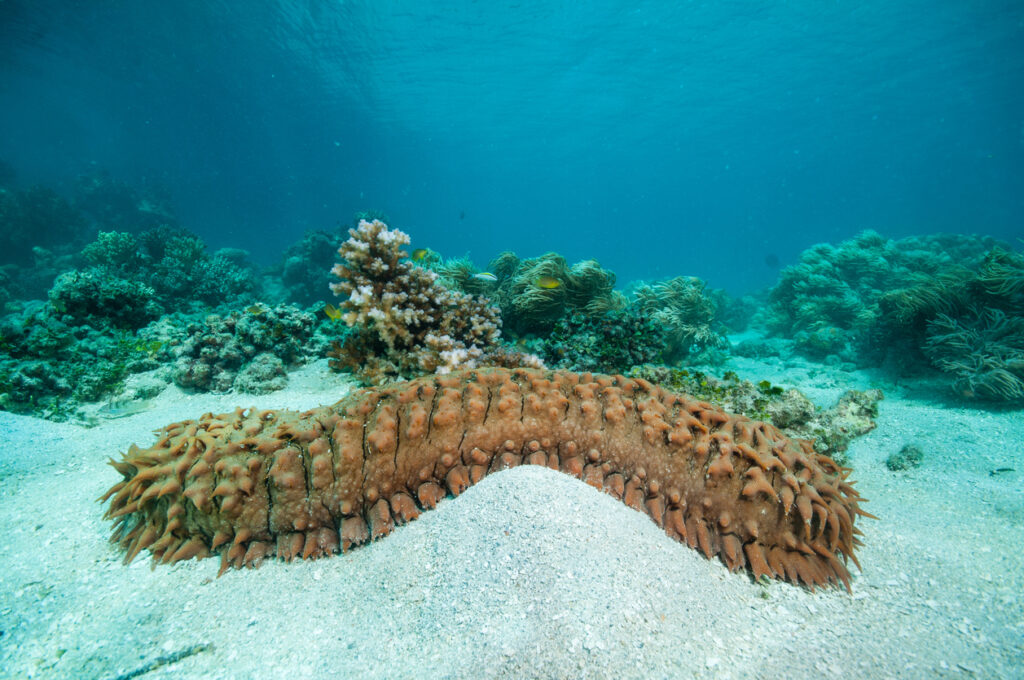
Sea cucumbers can literally throw part of their internal organs out of their body when attacked. The organs can tangle or distract a predator, buying time for the sea cucumber to escape. It’s like dropping your own guts as decoy bait, which is wild, but it works in the sea where quick distractions matter.
The even weirder part is they can regrow what they’ve ejected. It’s not a pleasant process, but it’s better than being eaten. This strategy is basically, lose something valuable now to keep the rest of you alive, then rebuild later when things calm down.
6. Some plants mimic dead leaves to avoid being eaten.

There are plants that disguise themselves as something unappealing, like dead leaves or stones, which makes herbivores overlook them. Some succulents and living stones plants blend into their surroundings so well they just look like part of the ground. If you can’t be found, you can’t be eaten.
This is especially useful in harsh places where getting eaten even once could be the end. The plant doesn’t need thorns or poison if it can simply vanish into the background. It’s survival through boringness, which is a very underrated life strategy.
7. Some octopuses change colour and texture in seconds.

Octopuses don’t just change colour like a mood ring. They can shift patterns, brightness, and even skin texture to match rocks, coral, sand, and seaweed. Special cells in their skin called chromatophores and other structures work together to create quick camouflage that’s scarily convincing.
This helps them hide from predators and sneak up on prey, which is a double win. It also lets them move through different habitats without being obvious. In the wild, not being seen is often better than being strong, and octopuses are basically experts at disappearing on demand.
8. Some snakes sense heat like a built-in night vision.

Pit vipers, boas, and pythons can detect infrared radiation, basically heat, through special pit organs. That means they can see warm-bodied prey even in the dark. It’s not sight in the normal sense, but it gives them a map of warm shapes in their surroundings.
That’s huge for hunting at night or in dense cover. A mouse can hide visually, but it can’t hide its body heat as easily. This adaptation makes these snakes incredibly effective ambush predators, and it shows how evolution can add new senses rather than just improving existing ones.
9. Some birds and insects navigate using Earth’s magnetic field.

Migration is a nightmare if you think about it. Yet, many birds, sea turtles, and even some insects can sense Earth’s magnetic field and use it for navigation. It’s like having a compass built into your body. They combine it with sun position, landmarks, and smell, but the magnetic sense gives them a reliable baseline.
This lets them travel long distances and return to the same breeding or feeding areas year after year. It’s why some birds can migrate across continents without getting hopelessly lost. The exact biology is still being studied, but the ability itself is very real and very impressive.
10. Some animals fake death so convincingly that predators lose interest.
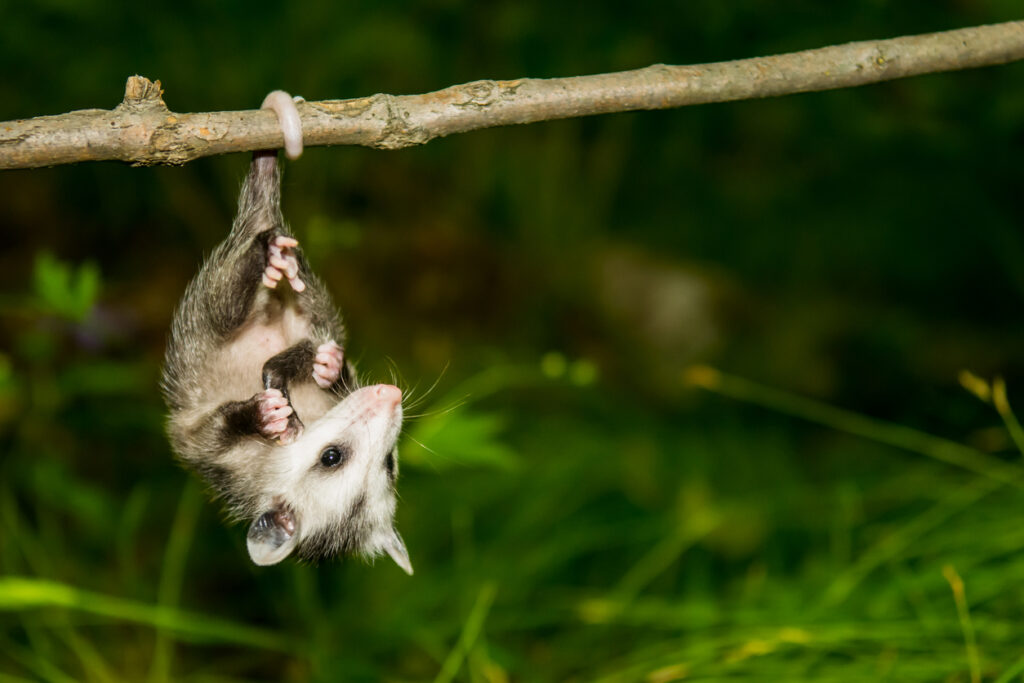
Playing dead sounds simple, but some animals do it in a way that’s genuinely convincing. Opossums, certain beetles, and some snakes can go limp, stop reacting, and even release foul smells that make them seem like a bad meal. Predators often prefer live prey, so a dead animal can get ignored.
The clever part is that it’s not just freezing in fear, it’s an evolved, controlled response that can last a while. Then, when the danger passes, they get up and leave. It’s survival through being unappetising and boring at the right moment, which again, is a strangely effective theme in nature.