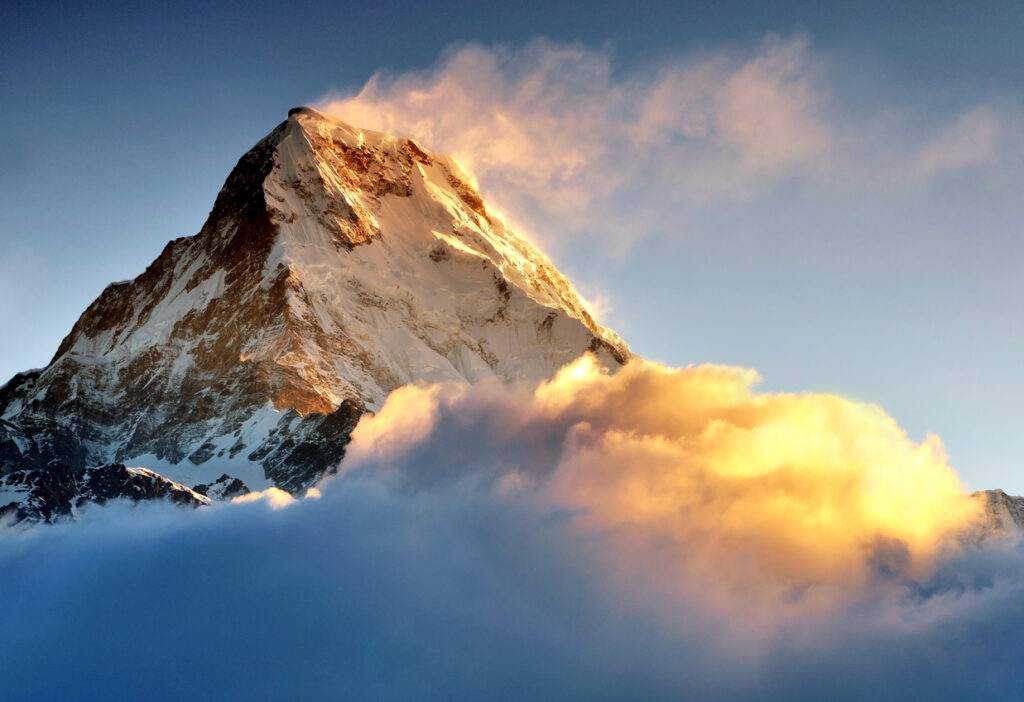
Some mountains look like they’ve got permanent white caps on their heads, while others are just green or brown all the way to the top. It’s one of those things that seems obvious until you start thinking about it properly, and then you realise there’s actually quite a lot of fascinating science going on up there. Here’s why what goes on at the summit differs depending on which mountain you’re on.
Height makes all the difference in the world.
The higher you go up a mountain, the colder it gets, dropping about 2 degrees Celsius for every 300 metres you climb. This happens because the air gets thinner and can’t hold heat as well, plus there’s less atmosphere to trap warmth from the sun.
Once you get above a certain altitude, called the snow line, it stays cold enough for snow to stick around all year. This height varies depending on where you are in the world, but it’s the main reason some peaks stay snowy while their shorter neighbours don’t.
Your latitude determines where the snow line sits.
Mountains near the equator need to be absolutely massive to keep snow year-round, with snow lines around 5,000 metres up. But as you move towards the poles, that snow line drops dramatically, so mountains in Scotland or Norway can have permanent snow at much lower altitudes.
This is why you can have year-round snow on relatively modest peaks in places like Alaska or northern Canada, while tropical mountains need to be proper giants like Kilimanjaro or the Andes to stay white-capped.
The shape of the mountain affects how snow sticks around.
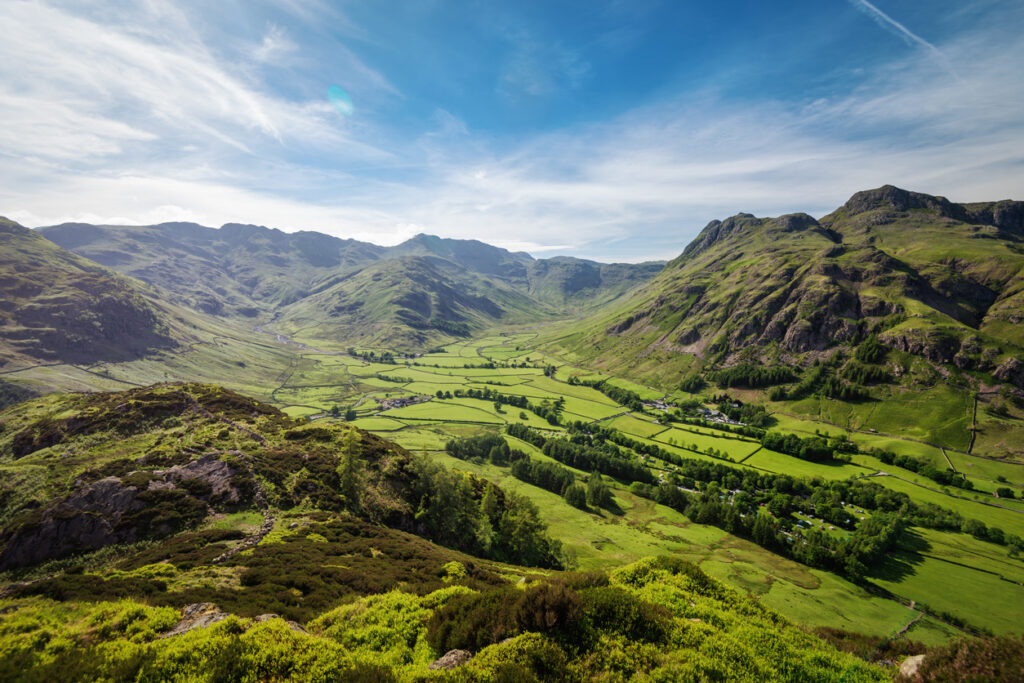
Mountains with steep, rocky faces tend to lose their snow more easily because avalanches and gravity pull it down, while gentler slopes and flat areas can accumulate and hold onto snow much better. It’s like trying to balance a snowball on a steep roof versus a gentle garden slope.
North-facing slopes in the northern hemisphere also stay cooler and shadier, so they hang onto snow longer than south-facing slopes that get more direct sunlight. The mountain’s shape literally creates its own microclimates.
Local weather patterns play a huge role.
Some mountains sit in the path of moisture-laden clouds that dump loads of snow on them regularly, while others are in rain shadows or dry areas that rarely see precipitation. You can have two peaks of similar height but completely different snow situations based on local weather.
Mountains near oceans often get more snowfall because water evaporates and falls as snow when it hits the cold peaks. Continental mountains away from large water bodies might be drier and struggle to maintain snow cover.
Glaciers are basically snow that’s been around so long it’s turned to ice.
On really high mountains, snow doesn’t just sit there for a year or two, it accumulates for decades or centuries, getting compressed into glacial ice. These glaciers flow incredibly slowly down the mountain like frozen rivers.
The presence of glaciers means these mountains will look snowy even in summer because the ice reflects sunlight and creates its own cooling effect. It’s like the mountain has built-in air conditioning that keeps itself cold.
Wind patterns can make or break snow accumulation.
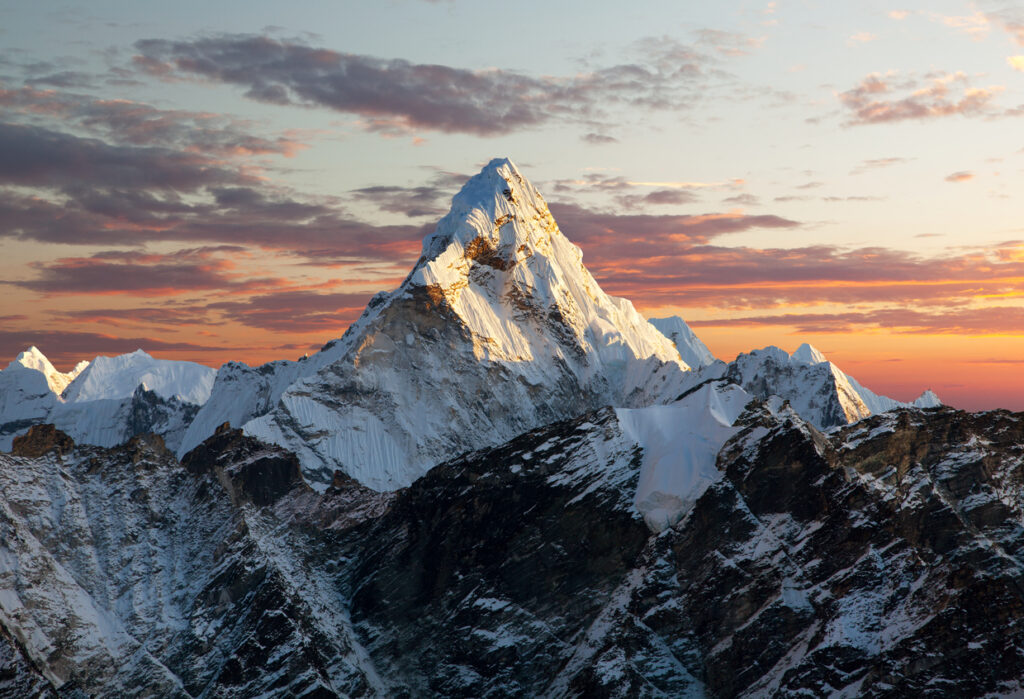
Strong winds can blow snow right off mountain peaks, while sheltered areas in valleys or on lee slopes can accumulate massive amounts. Some mountains are basically giant snow magnets because of how they interact with prevailing winds.
Wind also affects how quickly snow melts by either bringing warm air or creating wind chill effects. A mountain in a windy area might lose snow much faster than a similar peak in a calmer location.
The type of rock and terrain matters more than you’d think.
Dark rocks absorb more heat from the sun and melt snow faster, while lighter-coloured rocks reflect heat and help snow persist. Rocky, broken terrain creates lots of shaded nooks where snow can hide from direct sunlight.
Smooth, rounded peaks tend to lose snow more easily than jagged, craggy mountains with lots of ledges and overhangs. It’s like having natural refrigerated storage compartments built into the mountain.
Temperature fluctuations determine whether snow survives summer.
Even if it’s cold enough for snow in winter, summer temperatures are the real test of whether that snow will stick around year-round. Mountains that experience hot summers will lose their snow, even at quite high altitudes.
Consistent cold temperatures, even just a few degrees below freezing, can make the difference between seasonal snow and permanent snow cover. It’s often not about extreme cold, but about never getting warm enough to melt.
Precipitation timing and type affects accumulation.
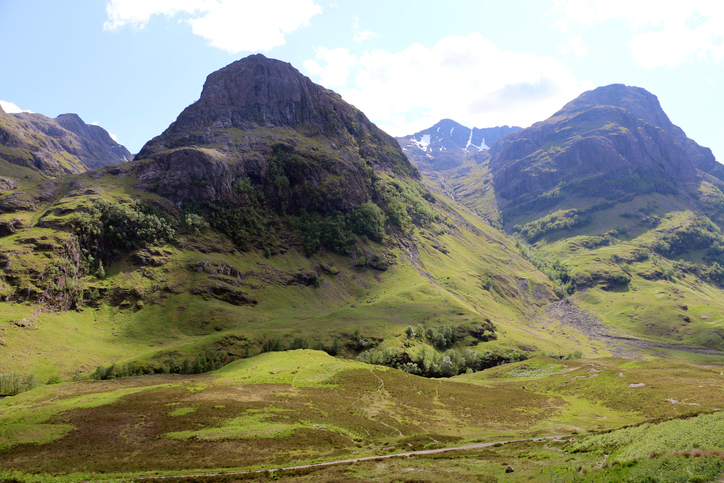
Mountains that get most of their precipitation as snow in winter have a better chance of maintaining year-round cover than those that get rain mixed with snow. Rain actually accelerates snowmelt and can wash away accumulated snow.
The timing matters too because late spring snowfalls can help maintain cover through summer, while early winter snow that melts and refreezes creates ice layers that behave differently from fresh powder.
Human activities are changing traditional snow patterns.
Climate change is pushing snow lines higher up mountains worldwide, meaning peaks that used to be permanently snow-capped are now losing their white tops for parts of the year. It’s like watching the mountains slowly shrink from the top down.
Air pollution can also affect snow persistence by depositing dark particles that absorb more heat and accelerate melting. Even remote mountains aren’t immune to human influence on their snow patterns.
Some mountains create their own weather systems.
Really tall mountains can actually influence local weather patterns, creating updrafts that produce clouds and precipitation right around their peaks. These mountains essentially manufacture their own snow supply.
This is why some isolated peaks can maintain snow cover even when surrounding lower areas are quite dry. They’re tall enough to grab moisture from passing air masses and convert it into snowfall.
Seasonal variations affect which mountains stay white.
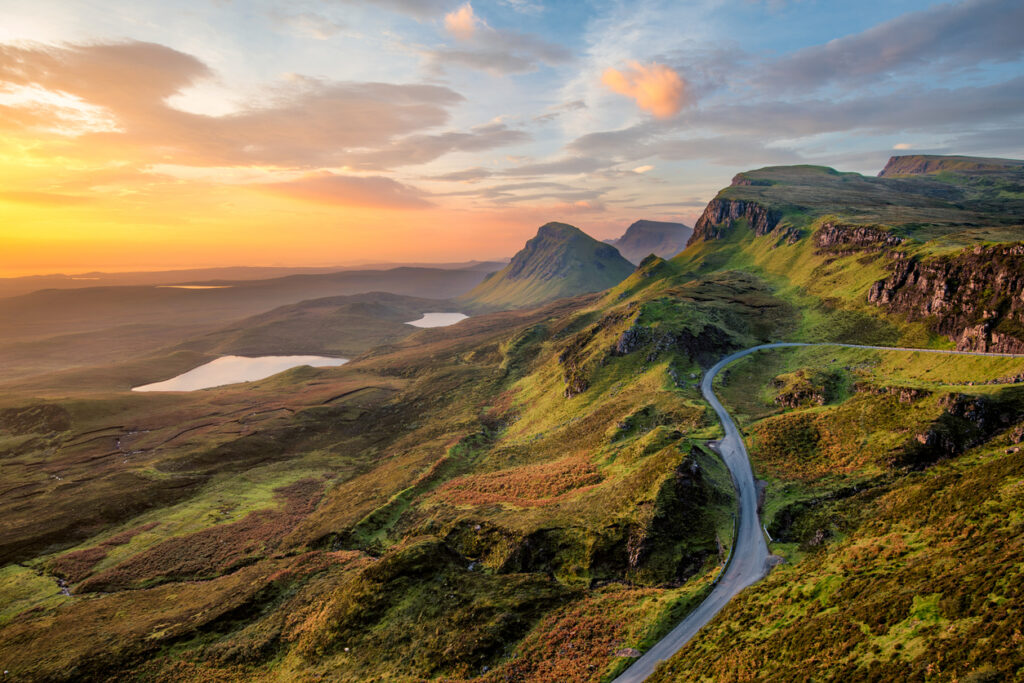
Mountains in areas with extreme seasonal temperature swings might have snow in winter but lose it completely in summer, while those in more stable climates maintain year-round cover. Consistency is often more important than absolute cold.
Some peaks alternate between snowy and bare depending on yearly weather patterns, so they might look permanently snow-covered in some photos but completely brown in others taken during different seasons.
Aspect and slope angle create complex snow distribution.
The direction a mountain face points makes enormous differences in how much sun it receives and how long snow persists. North-facing slopes in the northern hemisphere are like natural freezers, while south-facing slopes act like solar collectors.
Gentle slopes allow snow to pile up thick and deep, while steep slopes shed snow quickly through avalanches and gravity. The most permanently snowy mountains usually combine high altitude with the right mix of slope angles and aspects to maximise accumulation and minimise melting.