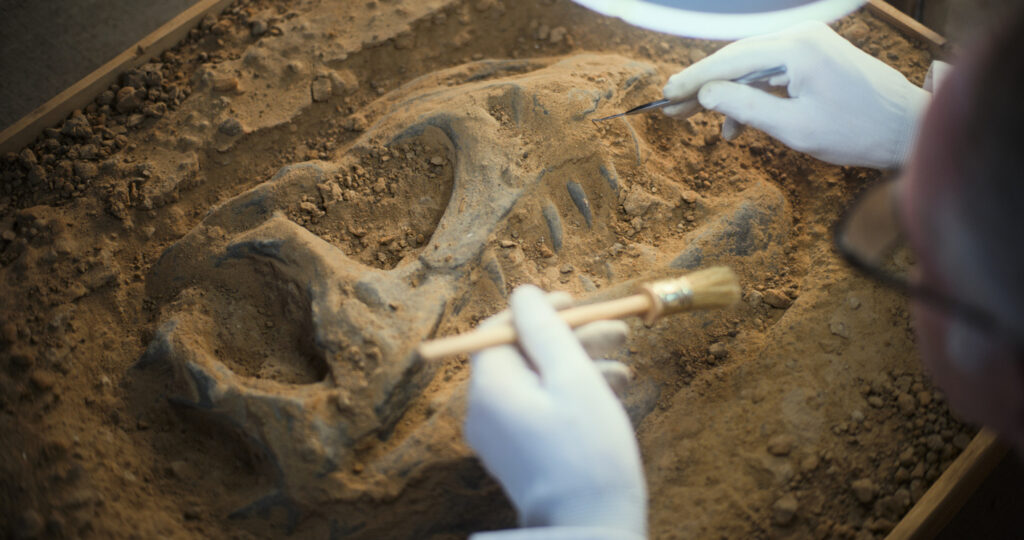
People have been fascinated by fossils for centuries, from the days when strange bones were mistaken for dragon remains to the mind-blowing dinosaur discoveries of today. They’re physical links to a world that existed millions of years before us, and they still capture imaginations like almost nothing else. However, in recent years, a thorny question has grown louder: should fossils be sold, whether to museums, universities, or wealthy private collectors?
The debate isn’t just about money changing hands. It’s about science, history, education, and access. Every fossil dug up and passed on has the potential to teach us something profound about the past, or to vanish into a private vault where it’s never studied again. Here are some of the common arguments on both sides.
Fossils aren’t just objects.
It’s tempting to treat fossils like ornaments, or something you can put on a shelf and admire. However, they’re far more than that. Every fossil is a data point, a piece of evidence in the story of evolution, extinction, and survival. A single fossil might reveal how a species lived, what it ate, how it grew, or how it interacted with its environment.
For example, the famous Archaeopteryx fossils didn’t just look pretty in display cases; they revolutionised our understanding of how birds evolved from dinosaurs. If those bones had been locked away privately, one of the biggest breakthroughs in palaeontology might never have happened. When fossils are treated as trophies rather than scientific resources, humanity loses out on the knowledge they hold.
Collectors can price out museums.
Museums aren’t exactly rolling in cash, and that’s where problems start. At big auctions, private collectors often outbid public institutions. That means important specimens, such as complete dinosaur skeletons, end up in private hands instead of museum collections. Once that happens, scientists can’t study them properly, and the public may never see them again.
A striking example was the sale of a Tyrannosaurus rex skeleton nicknamed “Stan,” which went under the hammer for a jaw-dropping $31.8 million in 2020. No museum could compete with that kind of money. It’s great for headlines, but devastating for research. If there were stronger rules that gave museums priority on scientifically important finds, we’d all benefit. Collectors could still buy smaller or more common fossils, but the rarest discoveries would remain where they belong: in public collections.
Money fuels illegal fossil trade.
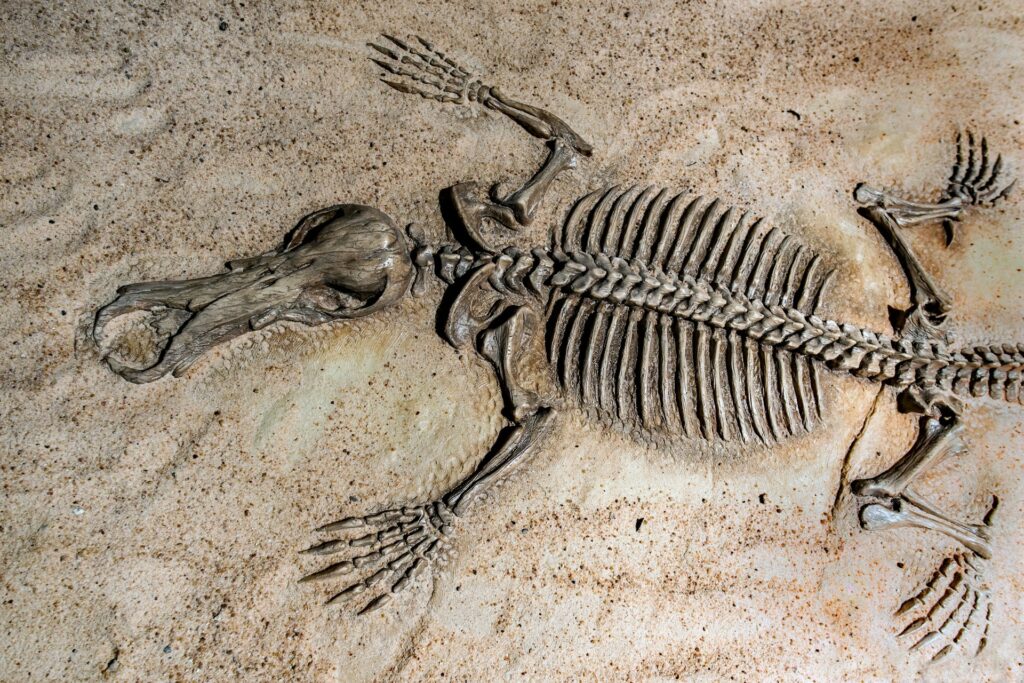
The high prices attached to fossils don’t just attract legitimate collectors; they also encourage smuggling, theft, and illegal digs. Fossils are ripped from the ground without care, sites are damaged beyond repair, and priceless scientific context is destroyed in the process. Many end up smuggled out of the countries where they were found, stripping local communities of both heritage and economic benefit.
One notorious case involved Mongolian dinosaur fossils. In 2012, a nearly complete Tarbosaurus bataar skeleton, a close relative of T. rex, was smuggled out and auctioned in the US. It took legal battles and international pressure before it was repatriated to Mongolia. That story isn’t unique. As long as fossils are worth millions, black markets will thrive. The best way to fight it? Buyers refusing to support shady sales and insisting on transparent, legal sources.
Scientific context gets destroyed.
It’s not just the fossil itself that matters; it’s where it was found, how it was positioned, and what surrounded it. Those details provide vital clues about prehistoric environments. When untrained diggers rip fossils out for profit, that evidence is lost forever. It’s like tearing a page from a book and throwing the rest in the fire.
For instance, dinosaur trackways aren’t just cool imprints. They tell us about herd behaviour, speed, and even interactions between species. If they’re hacked out of rock and sold as decorative slabs, the wider story is gone. That’s why professional excavation matters. Fossils need to be properly documented and preserved if we want them to keep telling their stories.
Some sales support education.
That doesn’t mean all fossil sales are automatically bad. Selling small, common, legally collected fossils can actually do good. Fossil shops and fairs introduce children and adults to palaeontology in a way that feels hands-on and exciting. A child holding a trilobite in their palm is experiencing prehistory in a way that textbooks can’t replicate.
When sold responsibly, these accessible fossils inspire curiosity. They get people through the doors of museums, encourage young scientists, and foster public support for conservation. The problem isn’t a child taking home an ammonite; it’s when once-in-a-lifetime discoveries are treated as luxury trinkets.
Landowners face tough choices.
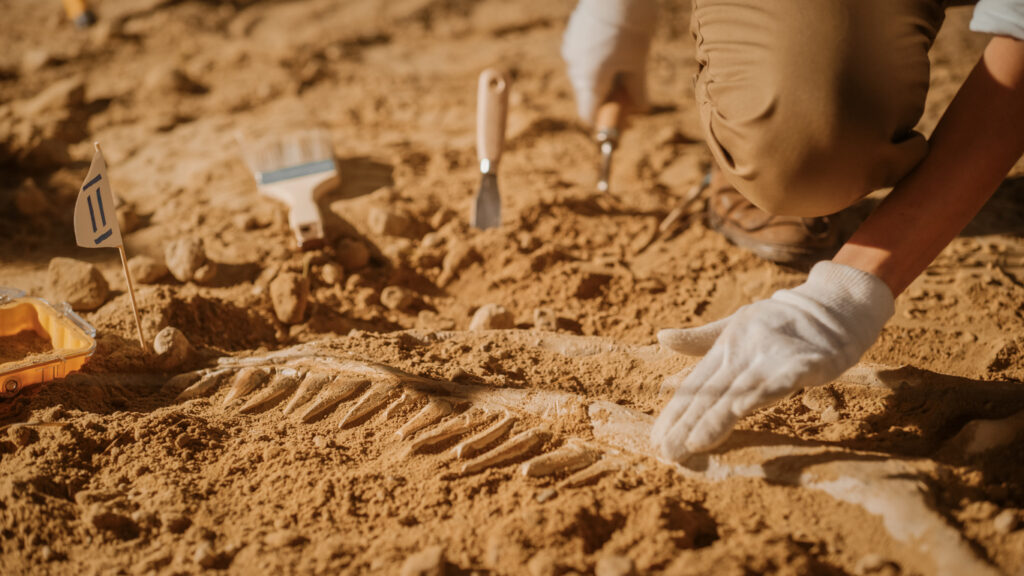
Fossils are often found on private land, and legally, they usually belong to the landowner. If you suddenly found a skeleton worth millions on your property, would you really turn down the offer? For many families, selling isn’t just about greed. It’s about financial security, paying off debts, or keeping the farm afloat.
The challenge is finding a fair middle ground. If landowners could be compensated fairly by museums or universities, they’d still benefit while keeping fossils accessible to science and the public. Some countries already have models where the state has first claim on scientifically important finds but pays landowners for them. That kind of system could help reduce the temptation to sell to the highest bidder.
Local communities can benefit.
In certain parts of the world, fossil collecting is a livelihood. Families in regions rich with common fossils—Morocco, for example, where trilobites and ammonites are abundant—depend on selling specimens to tourists. An outright ban on all fossil sales would strip them of income they genuinely need.
The key is balance. Allowing trade in plentiful, non-rare fossils while protecting unique or scientifically valuable ones keeps local economies afloat without sacrificing knowledge. It’s a model that works when collectors and scientists respect the difference between souvenirs and discoveries that rewrite history books.
Laws vary across the world.
One of the biggest problems is the legal patchwork. In Britain, there are no sweeping bans on fossil collecting, but certain protected sites (like the Jurassic Coast) have strict rules to prevent damage. In the US, fossils found on federal land belong to the public, but those found on private land can be sold. In China and Mongolia, private fossil sales are largely illegal.
This inconsistency creates loopholes. Fossils smuggled out of one country may be sold openly in another, where laws are weaker. A more consistent global framework could make a huge difference. Buyers need to know exactly what’s legal, and what’s not, before they open their wallets.
Auctions drive hype over science.
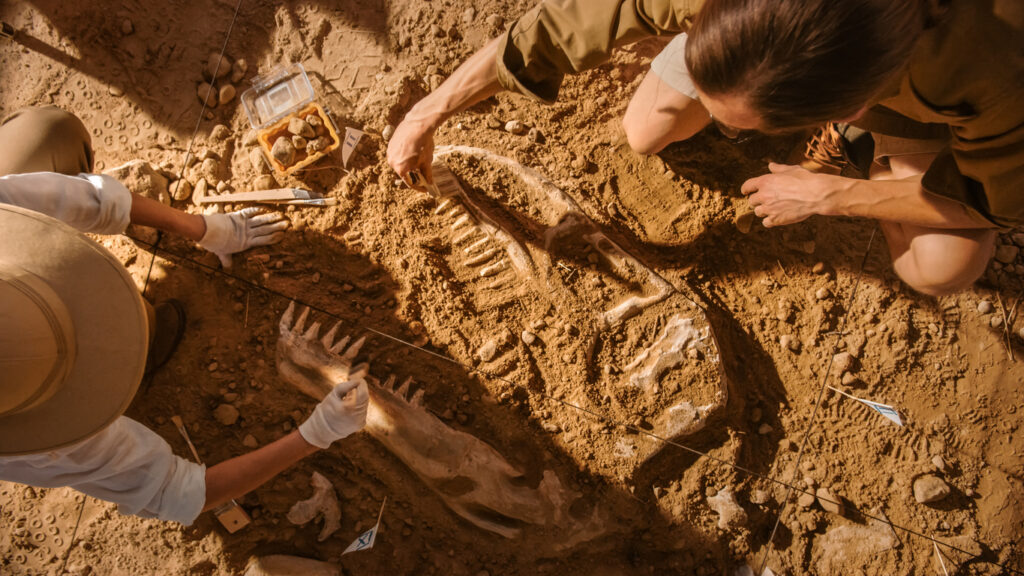
Every time a rare skeleton goes up for auction, the headlines are all about the price tag: “Dinosaur sells for $12 million.” The science behind the discovery gets lost in the noise. Instead of public excitement about what this fossil tells us about evolution, climate, or extinction, the story becomes about which billionaire added a new toy to their collection.
The change in focus does real damage. Fossils become luxury assets instead of public treasures. If media coverage prioritised the discoveries themselves rather than the money, we’d see fossils celebrated for what they truly are: incredible windows into deep time.
Balance is the key.
The truth is, there isn’t a simple yes-or-no answer to the question of fossil sales. Outright bans risk harming communities that rely on legal trade, but unchecked sales risk losing priceless knowledge forever. What’s clear is that fossils carry a value far beyond money, and that deserves respect from everyone involved.
The balance comes from ethical trade, clear laws, and giving museums priority on major finds. Smaller, legal fossils can still inspire kids and collectors, but the rarest specimens should remain public property. Fossils aren’t just collector’s items. They’re part of humanity’s shared story, and when they’re kept in the public eye, everyone wins.