
When winter arrives, animals have two main choices: sleep more or shut down almost completely until spring. You’ve probably heard of hibernation, but not every animal that slows down in winter truly hibernates. Some just rest a bit more to save energy, while others enter a deep, life-saving sleep that keeps them alive through months of freezing cold. Here’s why some animals hibernate and others simply take it easy until the weather warms up.
Hibernation is more than just sleeping.
Hibernation isn’t like a long nap. It’s a complete body slowdown where the heart, breathing, and temperature drop dramatically. Animals like hedgehogs and bats can stay in this state for weeks or even months. During this time, they barely move and survive on stored body fat. It’s their way of getting through cold months when food is hard to find and energy must be saved.
Some animals don’t need to hibernate fully.
Animals that can still find food in winter, like foxes or squirrels, don’t go into deep hibernation. Instead, they become less active and rest more often to save strength. The lighter rest period is enough for animals that can keep feeding themselves. It’s a balance between survival and staying alert to predators or danger.
It depends on how they find food.
True hibernators are often animals that rely on insects, plants, or warm conditions to eat, and those are things that disappear in winter. For them, hibernation is the only way to survive when food runs out. Other species, like deer or badgers, can still find something to eat in cold weather. They may lose weight, but they can keep going without fully shutting down their bodies.
Body size plays a role.

Smaller animals lose heat faster than big ones, so they’re more likely to hibernate. Their tiny bodies can’t handle long cold spells without protection. Bigger animals, like bears, can keep warm thanks to their thick fat layers and fur. They may rest for weeks, but they don’t go into the same deep sleep as small creatures.
True hibernators lower their body temperature.
During hibernation, animals drop their body temperature to match the cold around them. A bat’s body, for example, can cool down to just a few degrees above freezing. This dramatic change helps them use almost no energy. It’s like turning the body into a slow machine that runs just enough to stay alive.
Bears don’t actually hibernate completely.
Bears are often thought of as classic hibernators, but they’re not true ones. Instead, they enter a lighter state of sleep called torpor. Their temperature drops only a little, and they can wake up quickly if needed. They still live off stored fat and don’t eat or drink for months, but they’re more alert than smaller hibernating animals. Female bears even give birth during this time and care for their cubs inside the den.
Some animals use a mix of both.
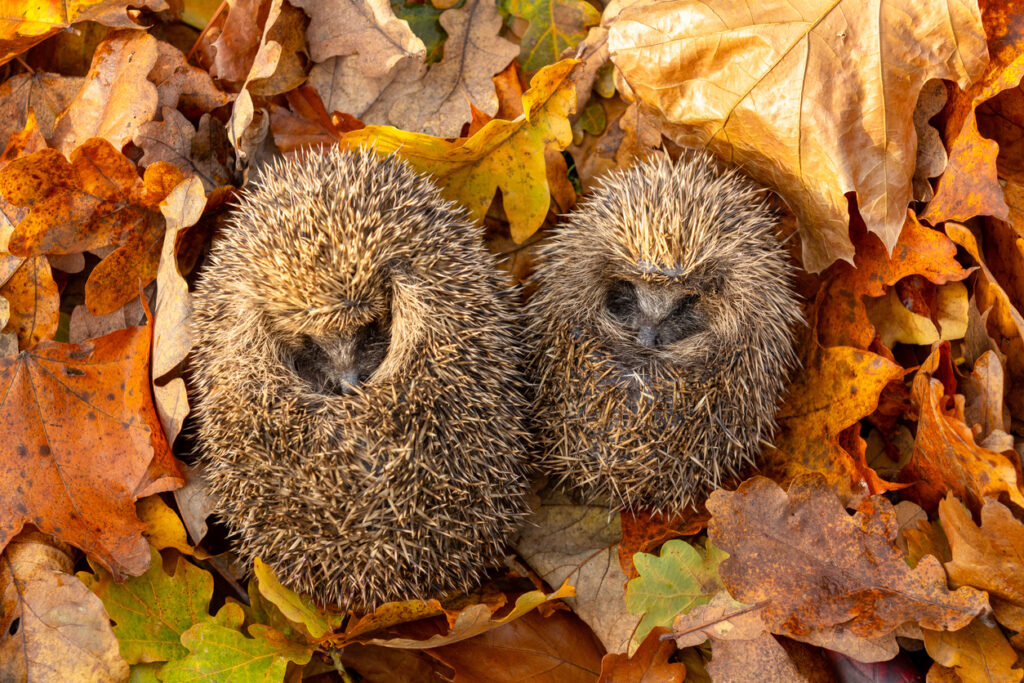
Animals like hedgehogs and dormice can hibernate deeply, but still wake up occasionally if the weather changes. They may move around, eat stored food, or change location before going back to sleep. Taking a more flexible approach helps them adjust to unpredictable winters, especially in milder climates like Britain’s, where temperatures can rise and fall quickly.
Sleeping more saves energy too.
Animals that don’t hibernate often sleep longer during winter to stay warm and conserve energy. You might notice your cat or dog doing this when it’s cold outside. By sleeping more and moving less, animals use fewer calories. It’s a simple and effective survival trick for species that don’t need to fully shut down.
Hibernation protects from harsh weather.
For some animals, winter isn’t just cold, it’s deadly. Deep hibernation allows them to avoid freezing winds, snow, and icy rain by staying hidden underground or in sheltered dens. Insects like ladybirds and butterflies also use this strategy, sleeping through the worst of it until spring brings warmth and food again.
Climate affects who hibernates.

In regions with long, harsh winters, hibernation is common. In warmer areas, many of the same species might not hibernate at all because they don’t need to. In the UK, for example, some bats hibernate while others just slow down for shorter periods. The milder the climate, the lighter their rest tends to be.
Hibernation has built-in risks.
Going into hibernation saves energy, but it also means being defenceless for months. If a predator finds them or the weather changes too fast, they might not survive waking up in time. That’s why only species adapted to this process use it safely. Their bodies are built to recover slowly and reheat without shock or exhaustion.
Both methods work, just in different ways.
Whether it’s a deep hibernator or a light sleeper, each animal has found the best way to make it through winter. Some slow their heartbeat to almost nothing, while others simply cut down activity to save strength. It’s nature’s way of giving every creature a fair chance to survive until spring, using whatever energy-saving system suits their body and lifestyle best.