As the weather turns colder, most people assume gardening season is over, but it’s not.
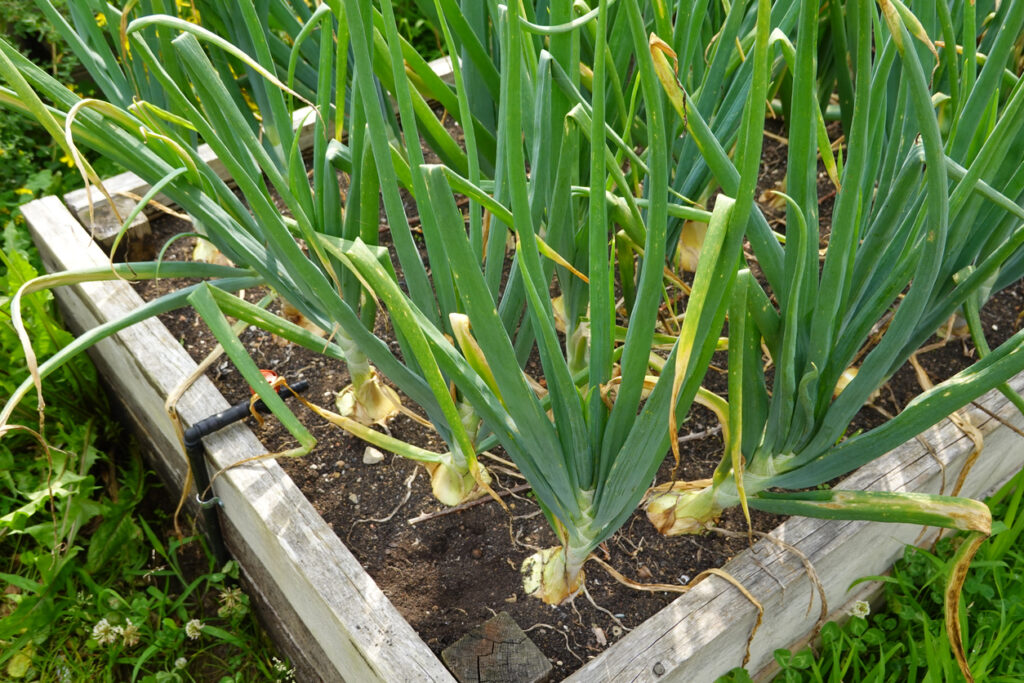
Autumn is actually one of the best times to get a head start on next year’s garden. The soil is still warm enough for roots to settle, and the right plants can handle whatever winter throws at them. Planting before winter isn’t just about keeping your garden alive, it’s about setting it up to thrive when spring arrives. From hardy vegetables to bulbs and shrubs, there’s plenty you can put in the ground now that will reward you with colour, flavour, and life once the frost fades.
Garlic cloves
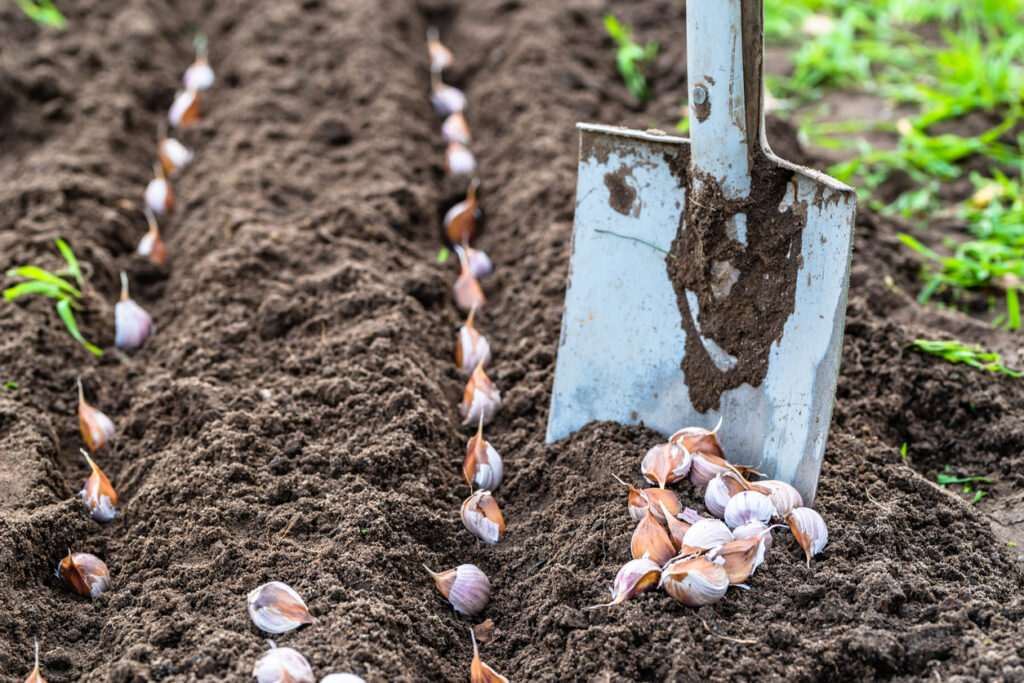
Garlic is probably the easiest winter plant you’ll ever grow because it actually needs a sustained period of cold to divide into proper bulbs. You want to get these cloves in the ground before the soil becomes too hard to dig, ideally in October or November, though you can push it to early spring if you’re running behind.
Break apart a bulb, leave the papery skin on each clove, plant them pointy side up about 15 cm apart in decent soil, and then basically forget about them until next summer. The beauty of autumn planting is that garlic develops roots beneath the surface while the ground is cold and wet, then shoots up the second temperatures rise in spring.
Broad beans
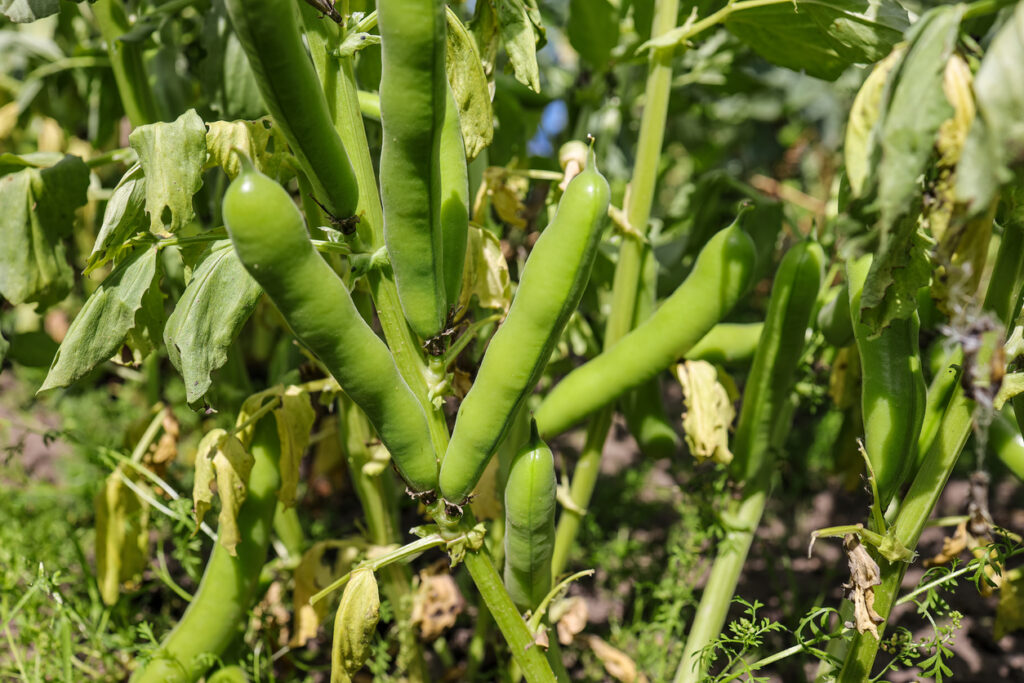
Broad beans sown in autumn won’t do much over winter except sit there looking slightly pathetic, but that’s the whole point. Getting them in the ground now, particularly the Aquadulce Claudia variety which handles cold brilliantly, means they’ll leap into action the absolute second conditions improve in spring.
This gives you a harvest roughly a month earlier than spring-sown crops, which is worth the effort when you’re craving fresh vegetables after a long winter. Sow them directly in drills about 5 cm deep with 15 cm between plants and 45 cm between rows, or start them indoors in modular trays if you prefer.
Onion and shallot sets

Skip the seeds and go straight for sets, which are basically baby onion bulbs ready to plant. You need to get them in before the ground freezes solid, and varieties like Radar, Electric, and Senshyu Yellow are bred specifically to survive winter conditions without rotting.
Plant them with just the tip poking above the soil surface, spacing them about 10 to 15 cm apart in well-drained soil. They’ll sit dormant through the cold months, then start growing properly when spring arrives, giving you a decent crop by early summer.
Winter salad leaves
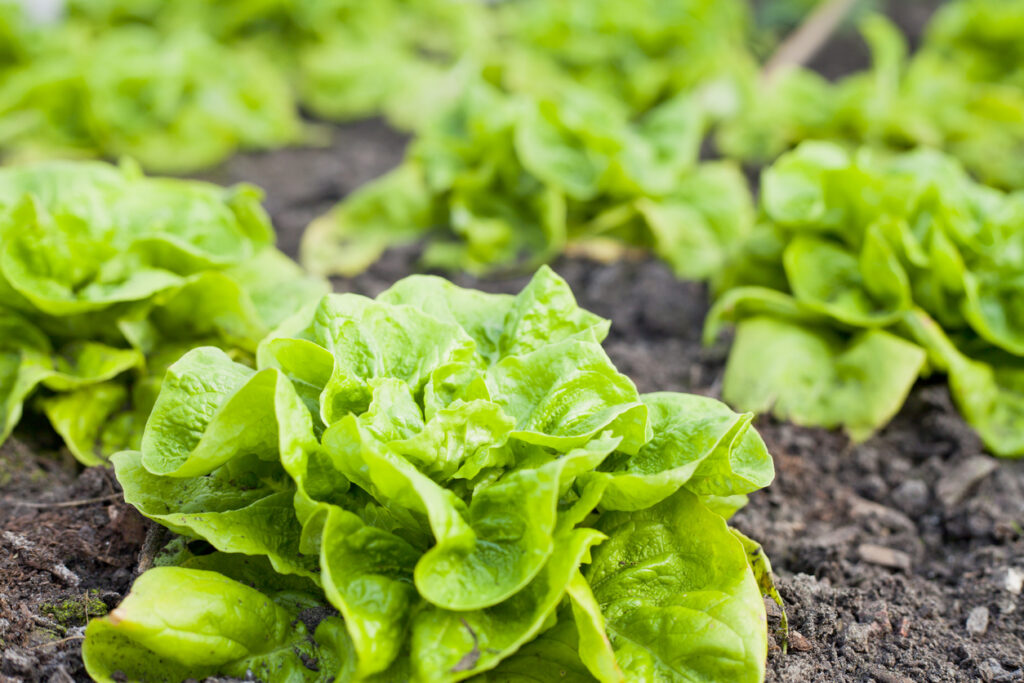
If you want something you can actually eat during winter rather than waiting until spring, winter salads are your best bet. Varieties like corn salad (lamb’s lettuce), mizuna, mustard, and winter gem lettuce can go from seed to plate in just a few weeks if you give them some protection.
Sow them under cloches, in a cold frame, or even in containers that you can move into a greenhouse or porch when the weather turns brutal. They won’t grow much when it’s freezing, but you can pick leaves little and often throughout winter for stir fries and fresh salads.
Hardy peas

Most people think of peas as a spring crop, but hardy varieties like Douce Provence can be sown in November for an earlier harvest. They need protection from the worst weather with fleece or cloches, and they won’t actually grow much until spring arrives, but getting them established now gives them a massive head start.
The benefit is that you’re harvesting sweet peas in May instead of July, which is brilliant when you’re desperate for something fresh from the garden. These hardy varieties don’t even need staking, which makes them even more appealing for lazy gardeners.
Pak choi

Pak choi is one of those oriental vegetables that actually prefers cooler weather and tends to bolt immediately in summer heat. Sow it now as a cut-and-come-again crop, and you can be harvesting leaves for stir fries in just a few weeks, even through winter if you give it cloche protection.
It likes nitrogen-rich soil, so you can feed it with homemade nettle tea if you’re feeling ambitious. The leaves are tender and mild, and because you’re cutting and harvesting continuously rather than waiting for full heads, you get way more food from a smaller space.
Spring onions
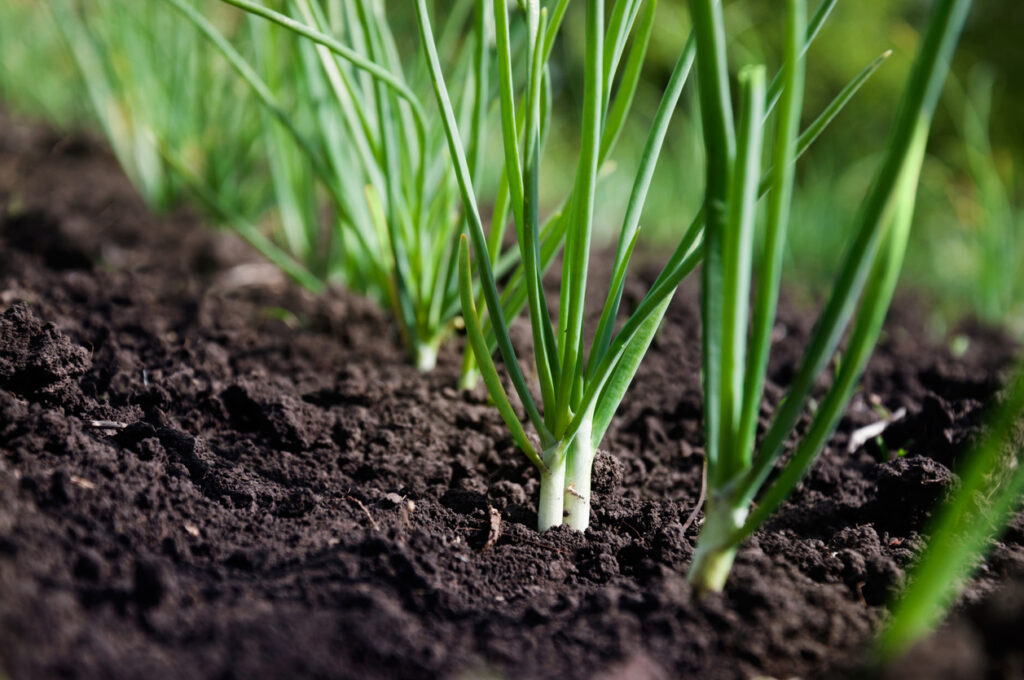
Hardier varieties like Performer can be sown in autumn and will stand through winter to give you spring onions way earlier than usual. They do brilliantly in patio planters if you’re short on garden space, and they benefit from cloche protection during the coldest months.
Spring onions are one of those crops that don’t take up much room but add loads of flavour to meals, so having them available fresh from the garden through winter is actually quite useful. Sow them in succession if you want a continuous supply rather than one big harvest.
Fruit trees and bushes
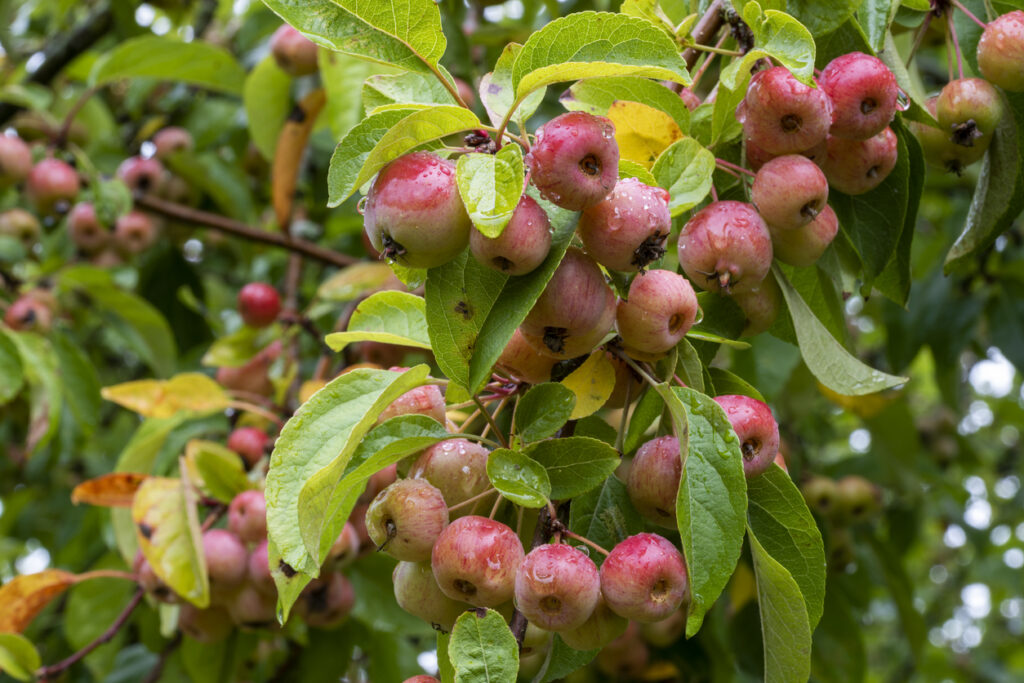
November is the perfect time to plant bare-root fruit trees and bushes because they’re dormant and won’t experience transplant shock. Apples, pears, plums, raspberries, blueberries, and gooseberries can all go in now, and they’ll have the entire winter to establish roots before they need to focus energy on growth.
Bare-root plants are significantly cheaper than potted ones, and because they’re dormant, they’re easier to handle and plant. Prepare the soil with plenty of organic matter, stake trees properly, and you’ll have fruit-producing plants that get stronger every year.
Rhubarb crowns
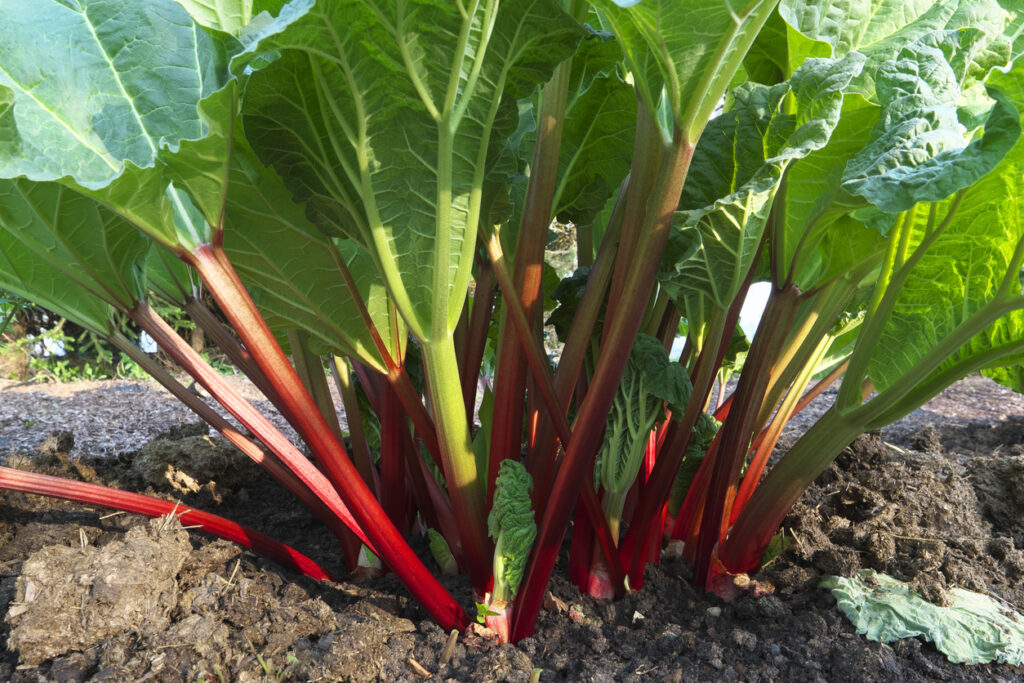
Rhubarb is a proper long-term investment that needs winter planting to establish properly. You won’t harvest anything in the first year, and you should only take a light harvest in the second year, but from year three onwards you’ll have rhubarb coming out of your ears every spring.
Plant the crowns in soil enriched with lots of organic matter, making sure the bud sits just above soil level. Rhubarb is basically indestructible once established, and a single crown can produce for twenty years or more with minimal care.
Asparagus crowns
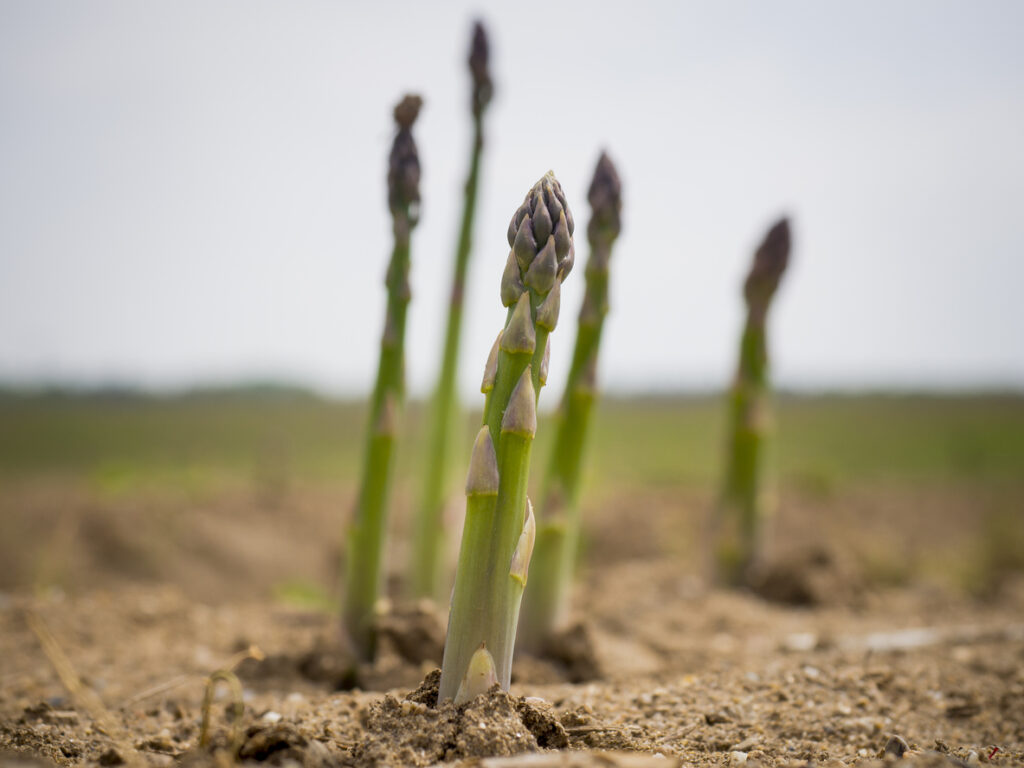
Like rhubarb, asparagus is a commitment because you’ll wait two full years before harvesting anything. But if you’re thinking long-term, planting crowns now means you’ll have fresh asparagus spears every spring for the next couple of decades.
They need well-drained soil and a dedicated bed because they’re perennial and will occupy the same space for years. It feels like forever when you’re waiting for that first harvest, but once they start producing, you’ll wonder why you didn’t plant them sooner.
Perpetual spinach
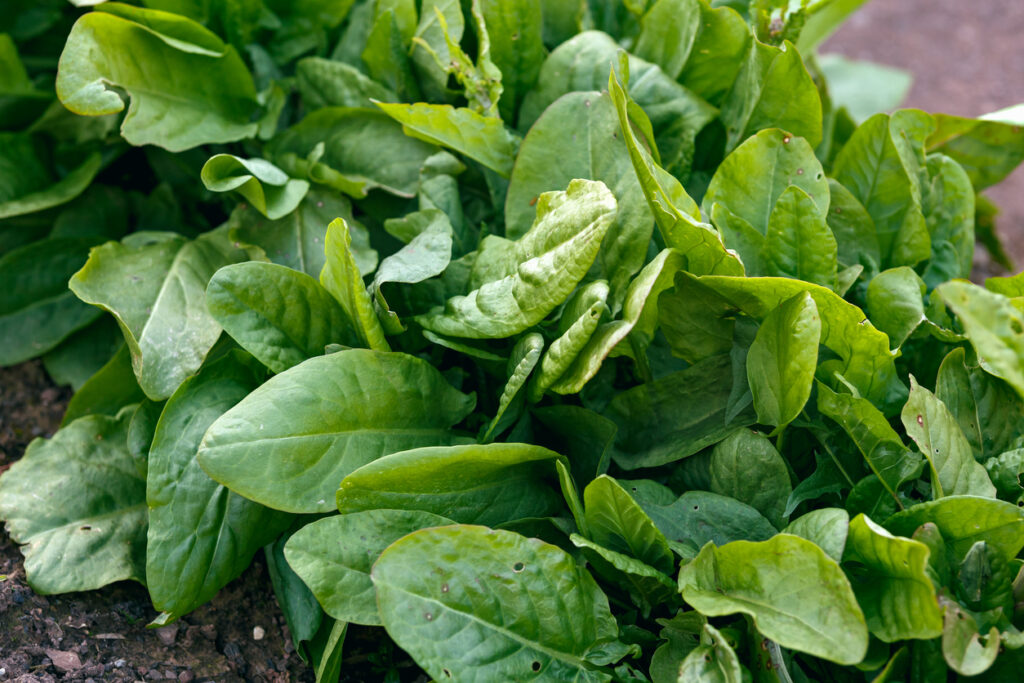
Perpetual spinach (also called leaf beet) is hardier than regular spinach and can be sown in succession right through autumn and winter. It’s a proper cut-and-come-again crop, so you can keep harvesting leaves continuously rather than pulling up whole plants.
Keep the soil moist and remove any flower heads immediately to prevent bolting, which will give you fresh greens all winter long. It’s one of those vegetables that doesn’t look impressive in the garden but keeps producing when almost everything else has given up.
Kale
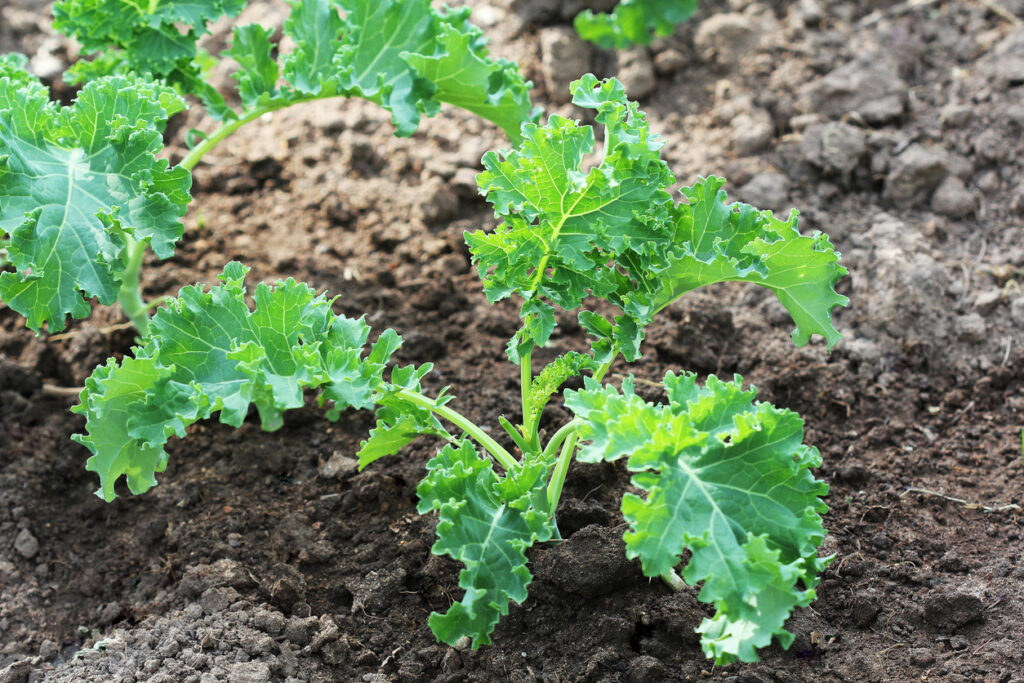
If you started kale in summer, it’ll be ready to harvest through winter, but it’s worth mentioning because it’s near indestructible and actually tastes sweeter after frost. Pick leaves from the bottom upwards and the plant will keep producing for months.
Kale is one of those crops that thrives in conditions that would kill more delicate vegetables, and while it won’t grow much during the coldest months, it’ll stand there waiting patiently until you need it. If you haven’t planted it yet, you’ve missed the window for this winter, but make a note for next year because it’s genuinely worth growing.