You’ve probably noticed the leaves on the trees look a little different this year.
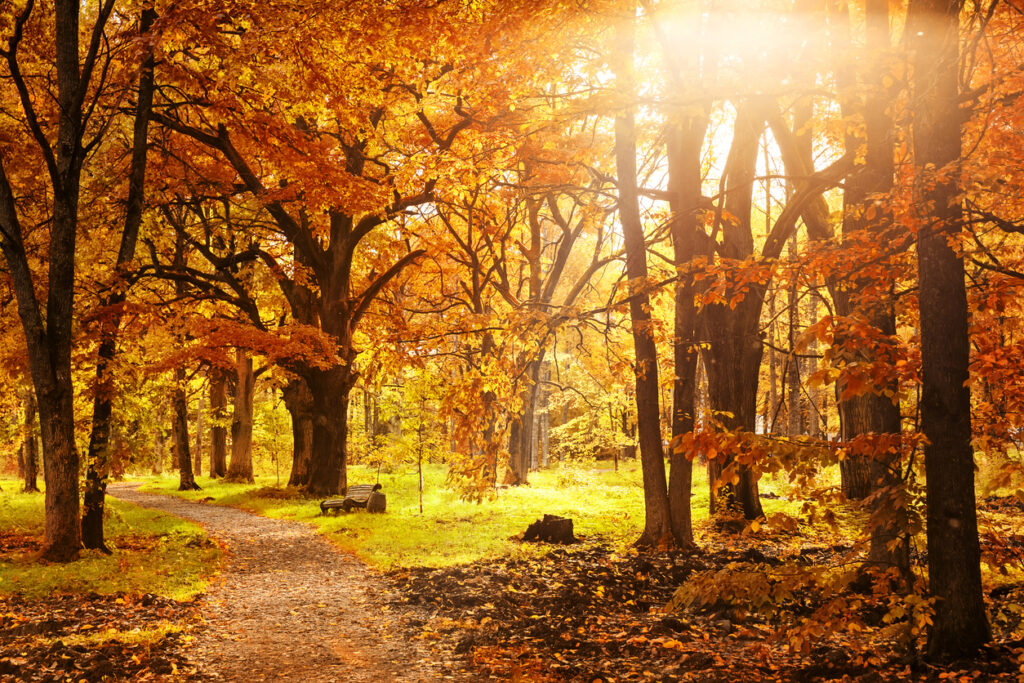
Some trees showing amazing colours while others just look brown and dead, and some trees dropping their leaves weeks earlier than normal. It’s all a bit weird compared to what you’d normally expect from autumn, and if you’re thinking something’s off, you’re absolutely right.
There’s a specific reason for this, and it all comes down to the weather we’ve had over the past few months. The colours you’re seeing right now are basically showing what kind of summer and early autumn your local trees experienced, so good weather means brilliant colours and bad weather means rubbish colours.
The colours were hiding in the leaves all along.
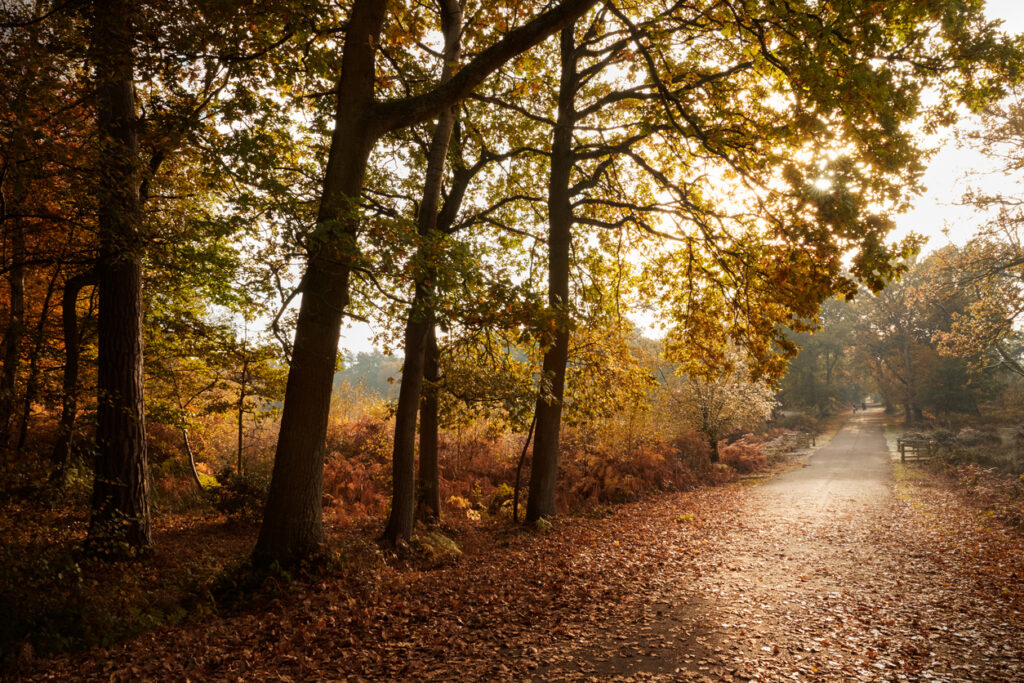
Those yellow and orange colours you’re seeing weren’t actually made in autumn, they were in the leaves the whole time, but you couldn’t see them because of all the green. Leaves are packed with green stuff called chlorophyll all through spring and summer, and that’s what they use to turn sunlight into food for the tree. The green is so strong that it completely covers up all the other colours hiding underneath.
When autumn arrives and the days get shorter, trees stop making chlorophyll because there’s not enough sunlight to make it worthwhile anymore. As the green fades away, you can finally see the yellow and orange that was always there, and that’s basically why leaves change colour in autumn.
Red leaves are actually made fresh in autumn.
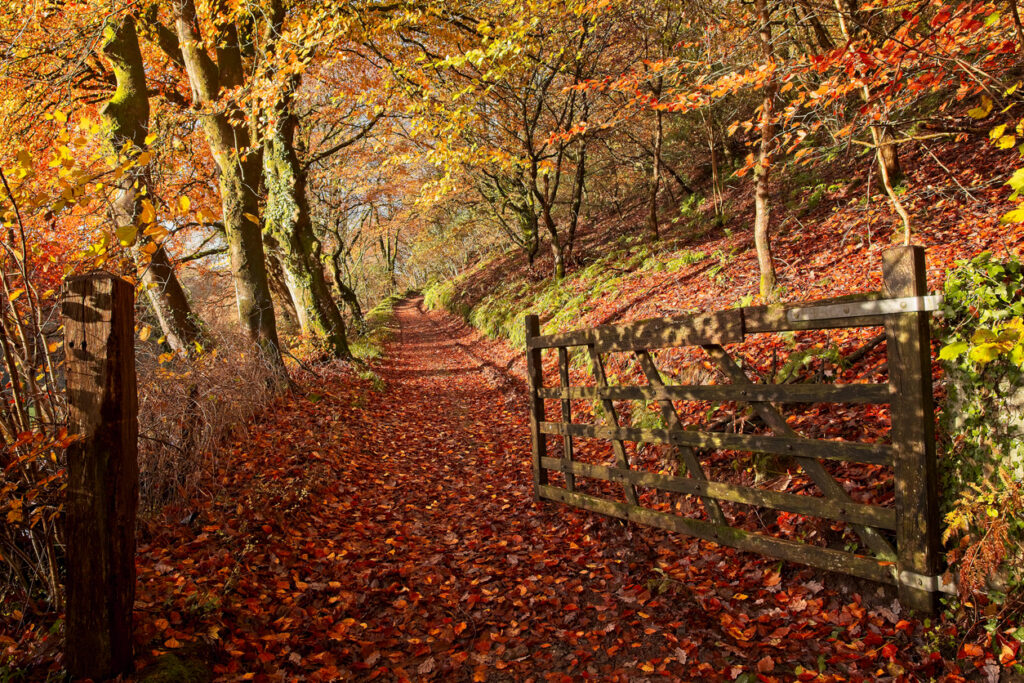
Red leaves work differently because trees actually make the red colour fresh in autumn, rather than it being hidden all year. Red only happens when you get a specific combination of sunny days and cold nights at the same time because the tree uses that weather to make red colour as one final push to grab energy before winter hits.
Some years you get loads of brilliant reds and other years you don’t, and it completely depends on whether the weather’s right for it. If autumn brings sunny days with properly cold nights, trees pump out tons of red colour, but if it’s warm and cloudy they can’t be bothered, and you just get yellows and browns instead.
This year’s weather has been completely different in different places.
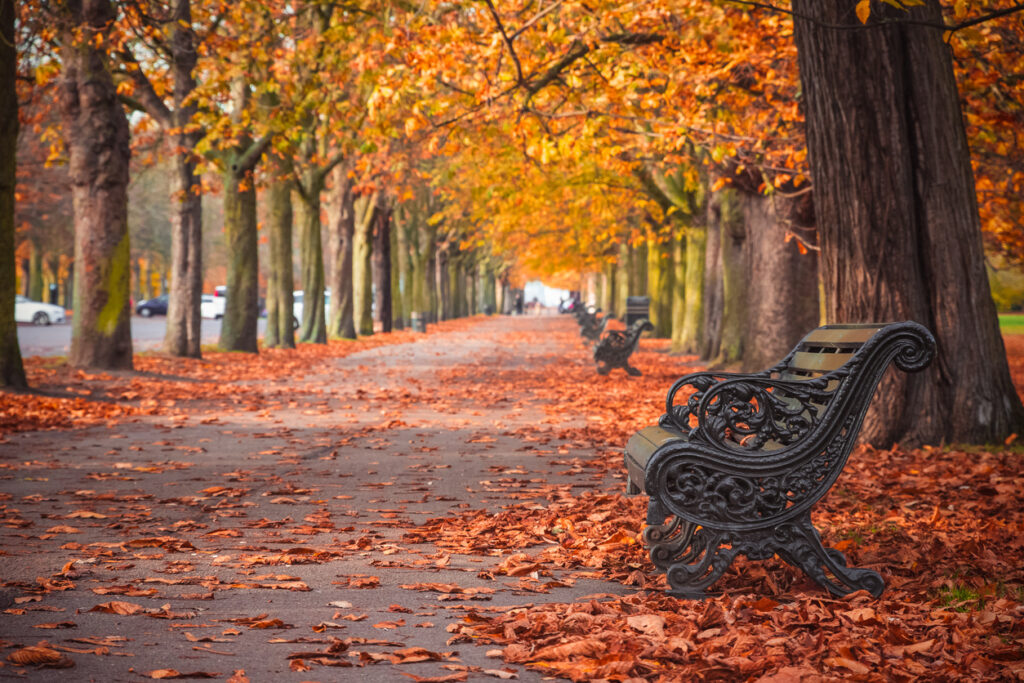
Some areas had a wet summer followed by a cool autumn, which is perfect for producing brilliant colours, while other places had droughts in summer and warm temperatures in autumn, which means dull colours or trees dropping leaves early just to survive. The weather’s been so varied across the country that it’s no wonder autumn looks completely different depending on where you live.
In a lot of the UK, trees have been really stressed because there wasn’t enough rain, and we had repeated hot, windy weather that dried out the soil for weeks. When trees can’t get enough water, they dump their leaves early as a survival tactic, and those leaves turn yellow or brown quickly rather than going through proper autumn colours.
Early yellow leaves usually mean the tree’s struggling.
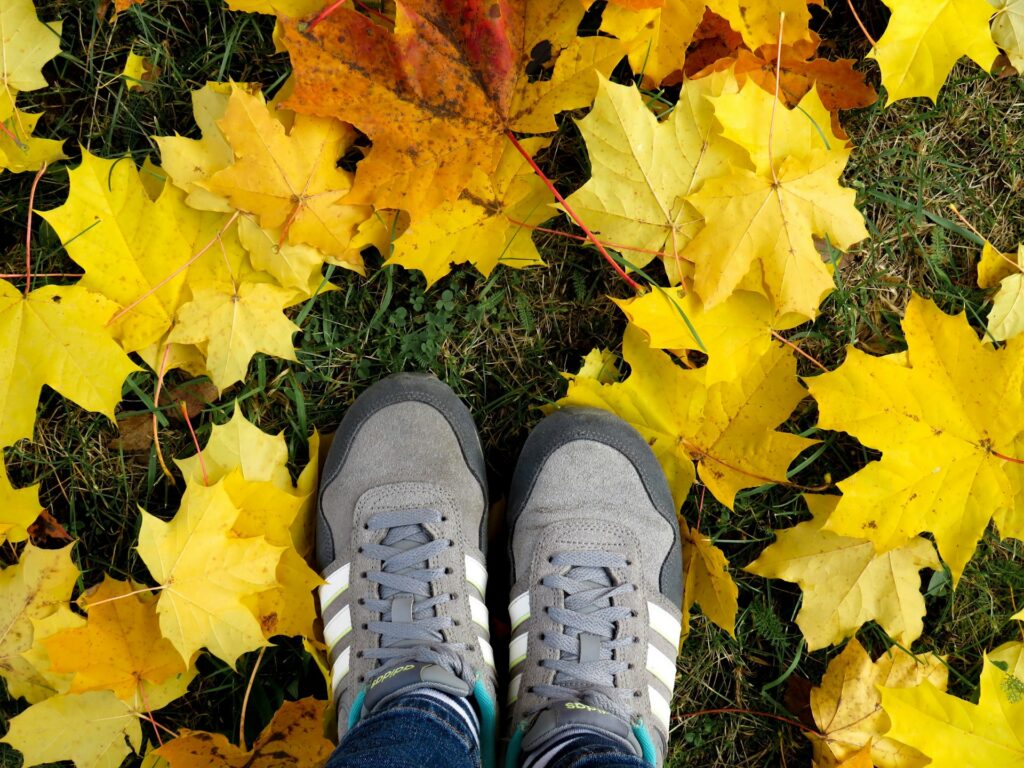
If you’ve been seeing yellow leaves since September and thinking autumn arrived early, what you’re actually seeing in a lot of cases is trees shutting down because they’re having problems. When a tree can’t get enough water, it drops its leaves to reduce how much moisture it’s losing, and those leaves turn yellow or brown fast because the tree’s basically giving up on them.
Proper autumn colour is triggered by day length, which is exactly the same every single year, so trees know when autumn’s actually coming regardless of what the weather’s doing. If you’re seeing colour way earlier than normal, it’s probably not autumn, it’s just a stressed tree trying to survive.
Some places are getting the best colours in years.
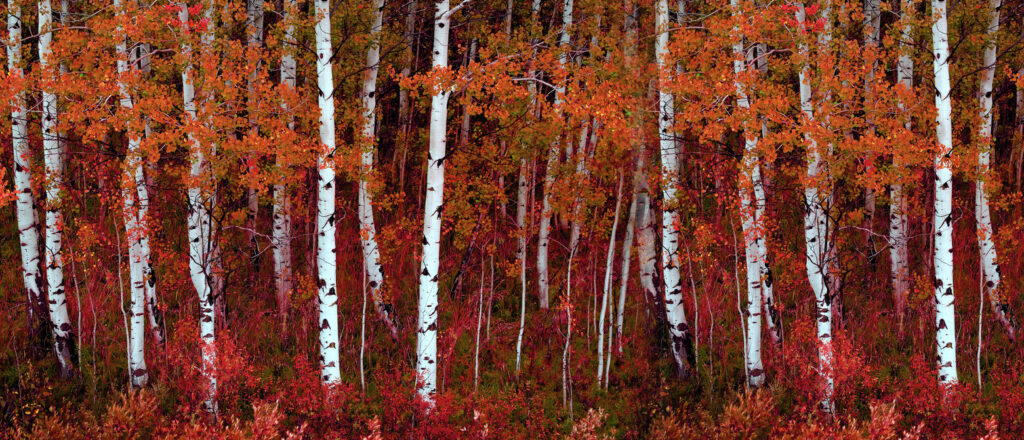
Not everywhere looks bad, though, because some places are actually having a stunning autumn this year. The places that got rain in summer and then cool, sunny autumn days with cold nights are seeing spectacular reds and oranges right now because those trees have had perfect conditions for producing brilliant colours.
Apparently New England, the Colorado Rockies, and parts of the Midwest are supposed to have some of the best autumn colours in years because they got lucky with the weather. Meanwhile, places like the Appalachians and Pacific Northwest might see duller colours because their weather just hasn’t been right for it.
Climate change is making everything more unpredictable.
Over the long term, autumn colours are now arriving about a week later than they did back in the 1950s because climate change is pushing the whole thing backwards. You’d think that would give us more time to enjoy the colours, but it doesn’t really work that way because it just makes everything more variable and harder to predict.
We’re getting more extreme weather now with more droughts, more unseasonably warm spells, and more storms, which means autumn colours are becoming increasingly unpredictable from year to year. Some years will be absolutely spectacular and others will be really disappointing, and you can’t rely on past patterns to tell you what’s coming anymore.
Different trees change in completely different ways.
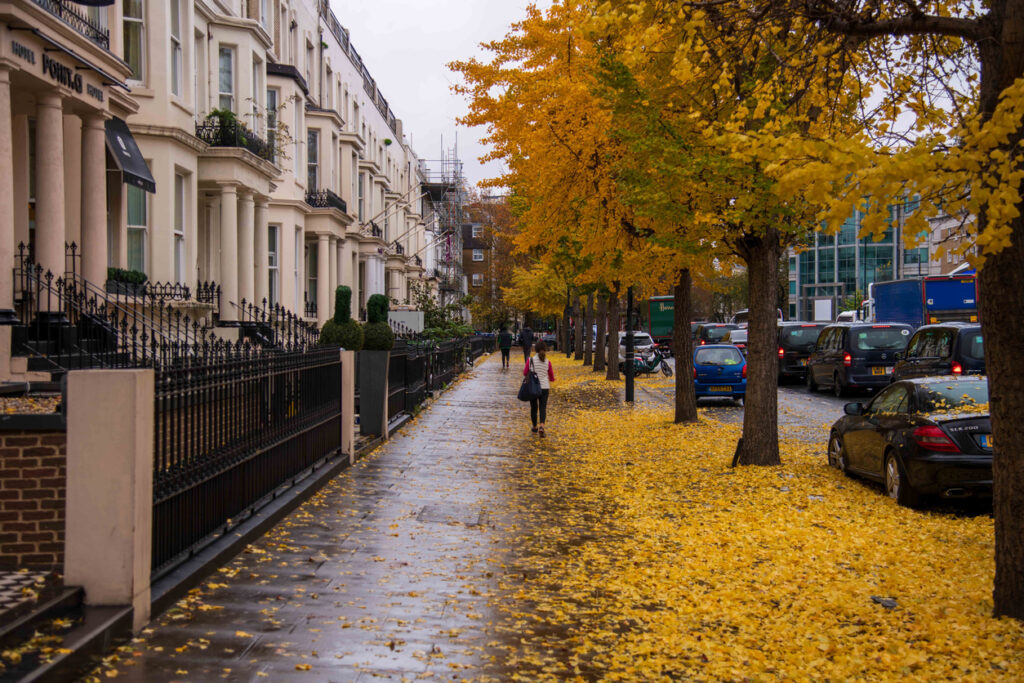
Not all trees change colour the same way or at the same time, which is why you see such a mix when you’re out walking. Maples are famous for going bright red, oaks tend to go brown, and birches usually go yellow, so every species does its own thing at its own pace.
Even two trees of exactly the same type can look completely different depending on where they are, how much water they’ve had access to, and how healthy they are overall. That’s why you might have two identical trees on the same street looking totally different right now.
Perfect autumn weather is actually quite rare.
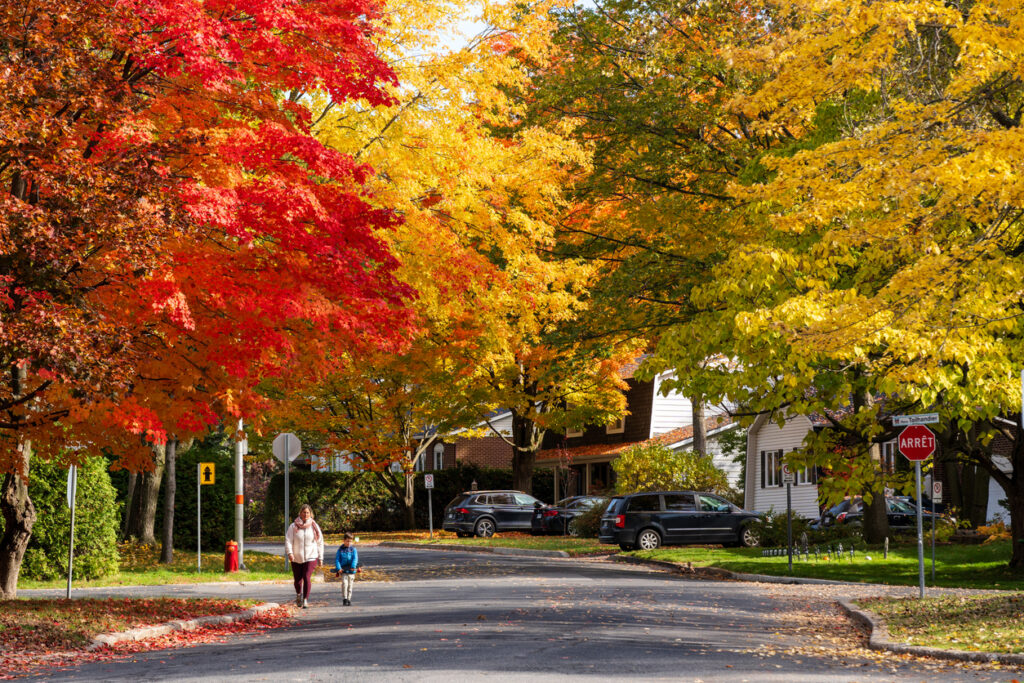
For truly spectacular colours, you need warm sunny days combined with cold nights that don’t actually freeze, plus enough rainfall that the trees aren’t stressed. The sunny days keep the tree producing sugar, the cold nights trap that sugar in the leaves which creates the red colour, and the moisture keeps everything healthy.
This perfect combination doesn’t happen very often, which is why some autumns are genuinely much better than others. Whether you’re seeing brilliant colours or disappointing browns this year depends entirely on whether your local area happened to get that ideal weather or not.
You can go somewhere else if your area looks rubbish.
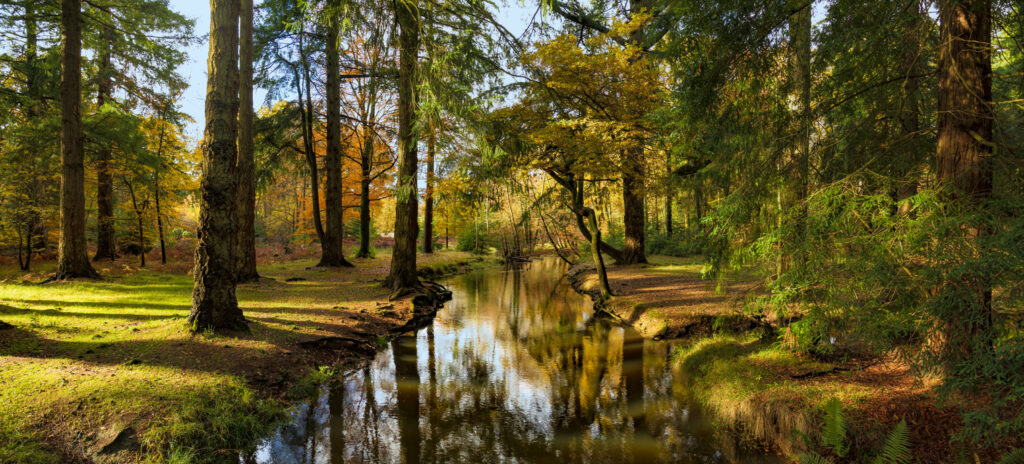
If the colours near you are a bit disappointing this year, you don’t have to just put up with it because autumn peaks at different times in different locations. Higher elevations usually change earlier because they’re colder, and places near big bodies of water tend to change later because the water keeps temperatures more stable.
There are websites that track autumn colour progression across the country, but they’re not always accurate this year because the weather’s been so unusual. Your best bet is probably to just go exploring and see what you find because sometimes you only need to drive twenty minutes to find somewhere that looks completely different.
Bad weather can completely wreck the display.

Even if trees have developed beautiful colours, one big storm with heavy rain and strong wind can strip all the leaves off before you get a chance to properly enjoy them. Peak colours usually last about seven to ten days in any particular spot, but bad weather at the wrong moment can reduce that to just a couple of days.
That’s another reason why this year looks so different in different places because if your area got hit with storms right when colours were at their best, you might have missed the whole show. Meanwhile, areas that had calm, clear weather during their peak got to enjoy brilliant colours for weeks.
The timing matters for more than just how it looks.

When trees change colour and drop their leaves, they’re sucking as many nutrients as possible back out of those leaves to store for winter. If trees are forced to drop leaves early because they’re stressed, they don’t manage to recover as much, which weakens them going into the cold months and makes it harder for them to survive.
The timing also affects all the animals and insects that have evolved to sync their behaviour with autumn changes, so when those changes happen at odd times it throws everything off. Those weird colours you’re seeing aren’t just a visual thing, they’re actually a sign that entire ecosystems are being disrupted.
Why this is actually important
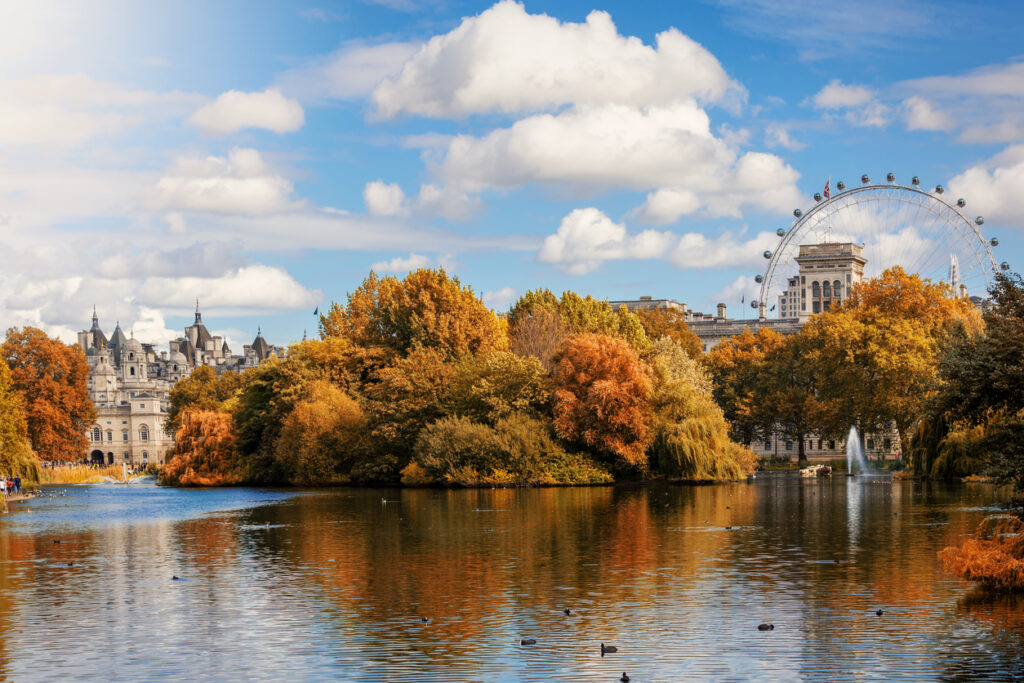
Autumn colours aren’t just pretty scenery, they’re a visible way to see how healthy forests are and how much climate patterns are changing. When you see dull colours or early leaf drop, that’s trees under serious stress, and when you see spectacular reds and oranges, that’s trees thriving and doing well.
When you’re out walking and noticing the colours look different this year, you’re picking up on something that’s genuinely happening. Every autumn is unique because the combination of factors that create those colours is never exactly the same twice, but this year’s been more extreme than usual, which is why it feels so noticeably different from what you remember.