Catching plant diseases early can mean the difference between saving your garden and losing half of it before summer’s even begun. Most problems start small, with subtle changes that are easy to miss if you’re not paying attention. By the time the damage is obvious, it’s often too late to fix. Learning to spot the warning signs is what separates casual gardeners from the pros. The key is knowing what to look for, from small changes in leaf colour to how the soil feels, and acting fast before the problem spreads. A few sharp observations can keep your plants healthy and your garden thriving all season long.
Watch for changes in leaf colour.
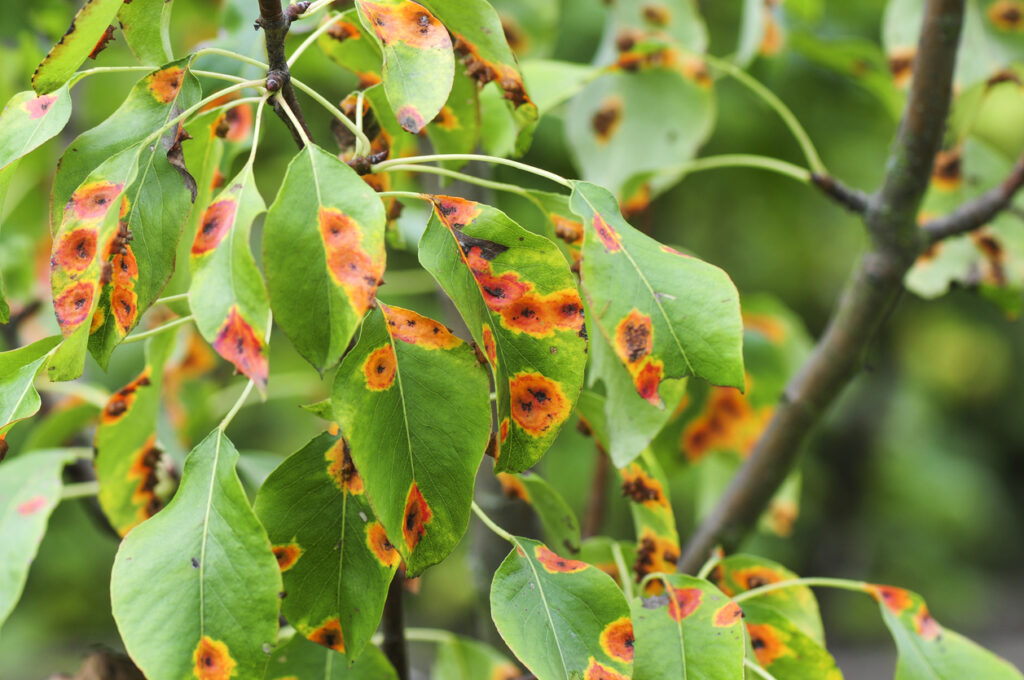
The first sign of trouble is often in the leaves. Yellowing, dark spots, or pale patches can mean something’s wrong. Healthy leaves should have an even, rich colour with no fading or blotches. If only certain areas of the leaf are affected, it could be a fungal infection. When the whole leaf changes colour at once, the problem might be in the roots or soil instead.
Check the undersides of leaves.
Many pests and diseases hide underneath leaves where you can’t see them easily. Flip a few leaves over and look for webbing, small insects, or fuzzy white growths. Fungal spores often start there before spreading upward. Catching these early means you can treat them before they damage the rest of the plant.
Look at new growth first.
When plants are sick, the newest shoots and leaves are often the first to show stress. Twisted, misshapen, or discoloured new growth can signal nutrient problems or early disease. If the older leaves look fine, but the fresh ones don’t, focus on the roots or watering habits. Overwatering and poor drainage can encourage bacteria and fungus to take hold.
Feel the leaves for texture changes.
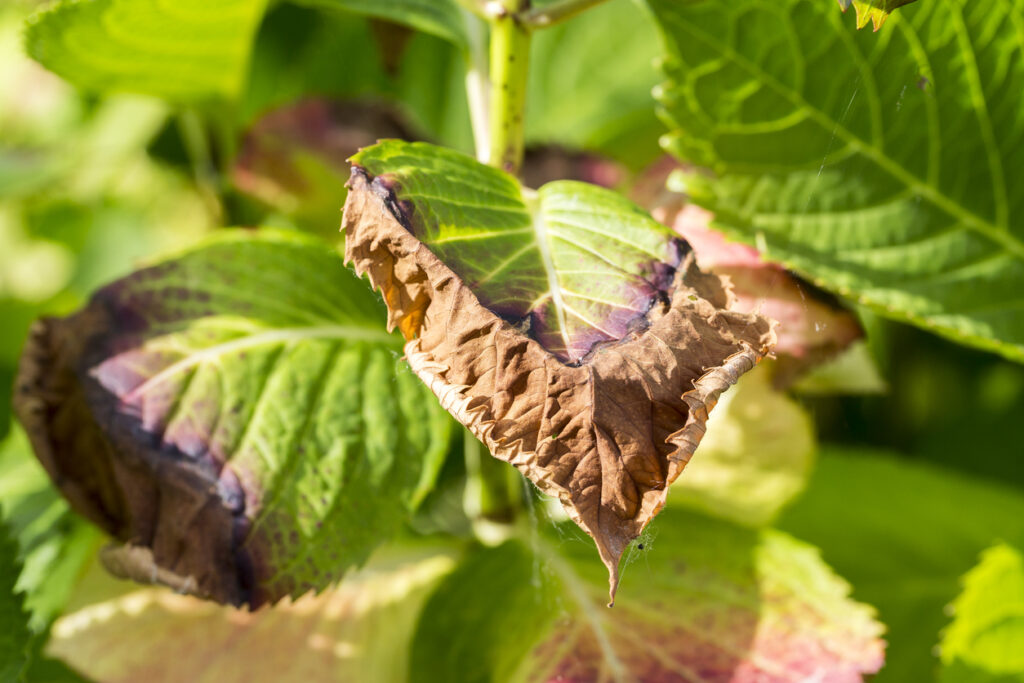
Healthy leaves are firm and smooth. Diseased ones may feel soft, sticky, or rough. Touching them can tell you more than looking alone. If they’re sticky, that’s a clue that sap-sucking insects like aphids or scale are around. A dry, rough surface could mean mildew or fungal infection starting to spread.
Inspect stems for soft spots or rot.
Rot often begins where the stem meets the soil. Gently squeeze the lower part of the stem because it should feel firm. A soft or darkened area is a warning sign of root rot or a fungal attack. These infections spread quickly, so cut away any soft parts and check that the soil drains properly. Replanting in fresh compost can sometimes save the rest of the plant.
Smell the plant and soil.
A bad smell is an early sign of rot. Healthy plants and soil have a fresh, earthy scent. If you notice a sour or musty smell, it could mean bacteria or fungus is active below the surface. This is especially common in potted plants that stay wet for too long. Allowing the soil to dry slightly and improving airflow often helps stop it spreading.
Watch for wilting, even when soil is damp.
If a plant wilts even though it’s had plenty of water, the roots might be damaged or diseased. It’s one of the clearest early warnings professionals look for. In these cases, watering more won’t help. In fact, it often makes things worse. Take the plant out of the pot or dig around the roots to see if they look brown or mushy.
Check for unusual spots or powder.
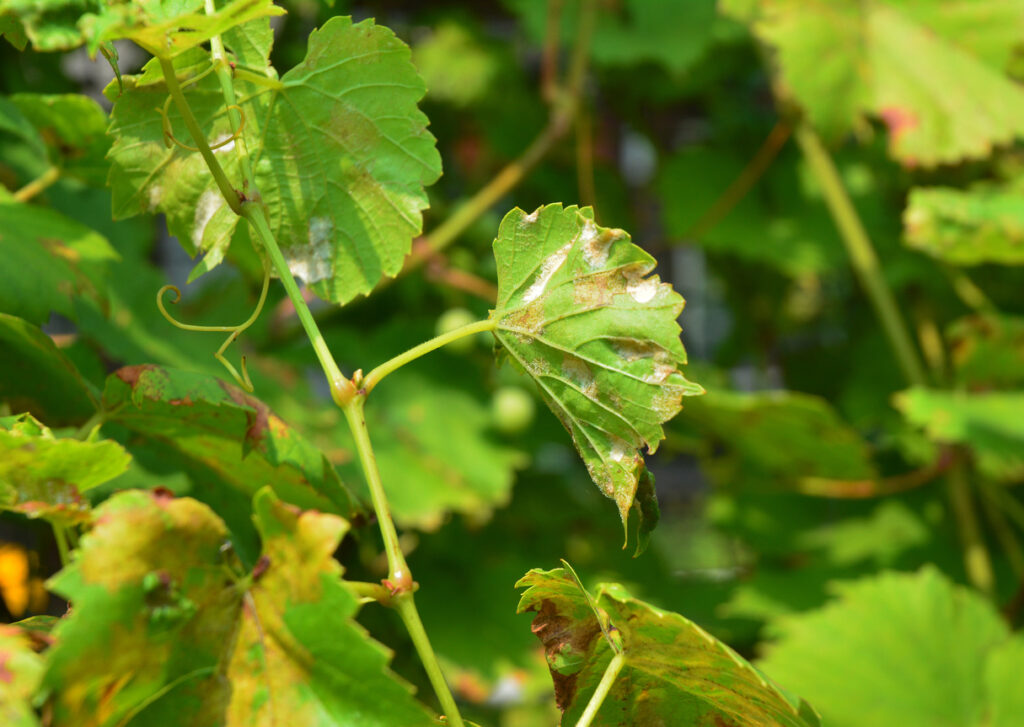
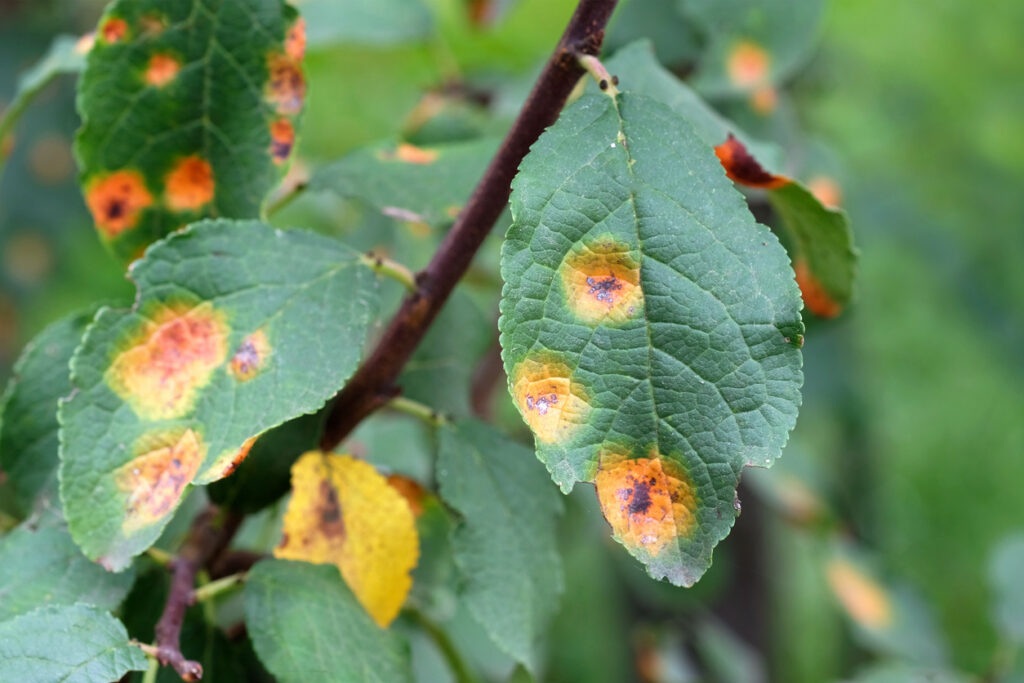
White powder, black dots, or orange rust-like patches are common signs of fungal infection. These may appear on the surface of leaves or stems and spread in circles or lines. Wipe them gently to see if they come off. If they do, it’s likely mildew or mould, which can be treated by improving airflow and using an antifungal spray early on.
Keep an eye on the soil surface.
Mould growing on top of the soil, tiny mushrooms, or green algae are signs of poor air circulation or too much moisture. Healthy soil should be dark, crumbly, and smell clean. Scrape off any growth and loosen the soil to improve oxygen flow. If the problem returns, consider repotting or moving the plant somewhere with better light.
Compare with healthy plants nearby.
Sometimes you don’t notice subtle changes until you look at another plant of the same kind. Professionals often keep one healthy example nearby to use as a guide. If a plant looks paler, slower, or less vibrant than its neighbour, it’s a sign something’s brewing. The earlier you catch it, the easier it is to treat.
Notice leaf drop patterns.
Plants naturally shed leaves, but sudden or uneven leaf drop usually points to stress or infection. If the lower leaves fall off first, it might be root or watering issues. If the top ones go first, pests or disease could be spreading upward. Keeping track of when and where leaves drop helps you spot patterns. It’s one of the simplest ways to notice disease before it becomes obvious.
Isolate anything that looks off.
One of the smartest professional habits is separating sick-looking plants right away. Many diseases spread fast through touch, watering, or even wind. Move the suspicious plant away and treat it separately. Sometimes it’s nothing, but being cautious can save your whole collection from infection.