Humanity has always tried to make sense of the universe, but our ideas about how it works haven’t always been right.

Long before modern science, people relied on observation, imagination, and a fair bit of guesswork to explain the stars, planets, and everything beyond. Some of those theories were creative; others were completely off the mark.
What’s fascinating is how confident we were in them at the time. Each theory seemed to make perfect sense until new discoveries proved otherwise. Looking back at what we once believed shows just how far our understanding has come, and how much we still have left to learn.
1. The sun goes around the earth.
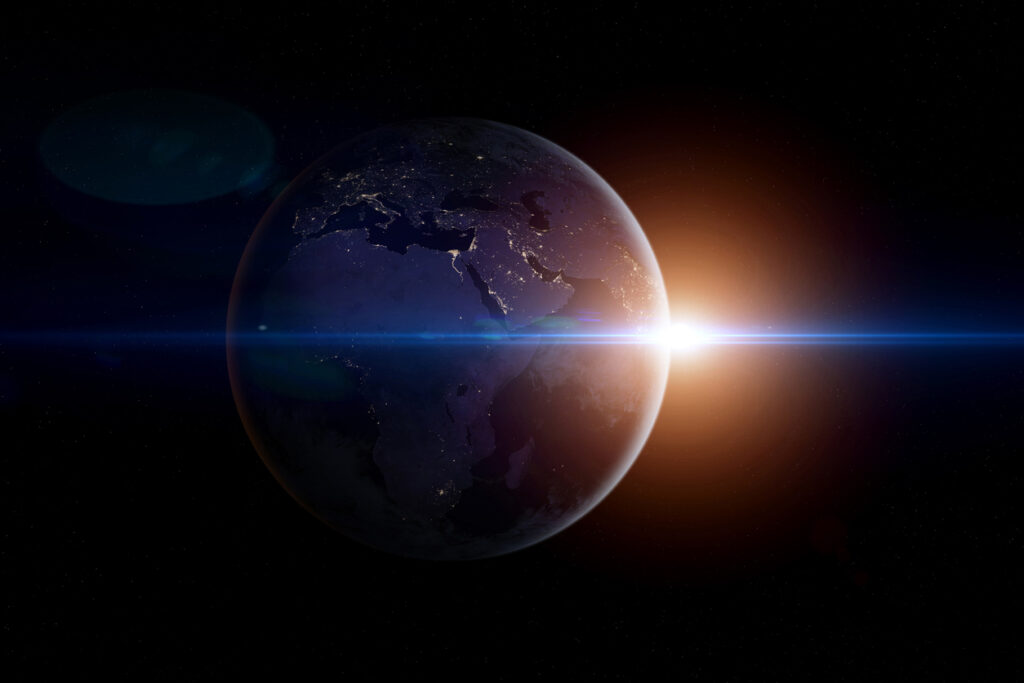
For most of human history, this seemed completely obvious because you could literally watch the Sun rise in the east, arc across the sky, and set in the west. Why would anyone think Earth was moving when you couldn’t feel it budging underneath you?
Copernicus proved in the 1500s that we’re actually orbiting the Sun, not the other way around. The reason we can’t feel Earth moving is that we’re moving with it at a consistent speed, the same way you don’t feel motion when you’re on a smooth flight.
2. The earth is flat.

When you look around, the ground appears flat in every direction, so for thousands of years people assumed Earth was a flat disc with edges you could theoretically fall off. Some cultures thought it sat on the back of a giant turtle or was held up by pillars.
Ancient Greeks figured out Earth was round by noticing ships disappear bottom-first over the horizon and observing Earth’s curved shadow on the Moon during lunar eclipses. We’ve now got thousands of photos from space proving the planet is spherical.
3. Stars are tiny lights stuck to a dome.
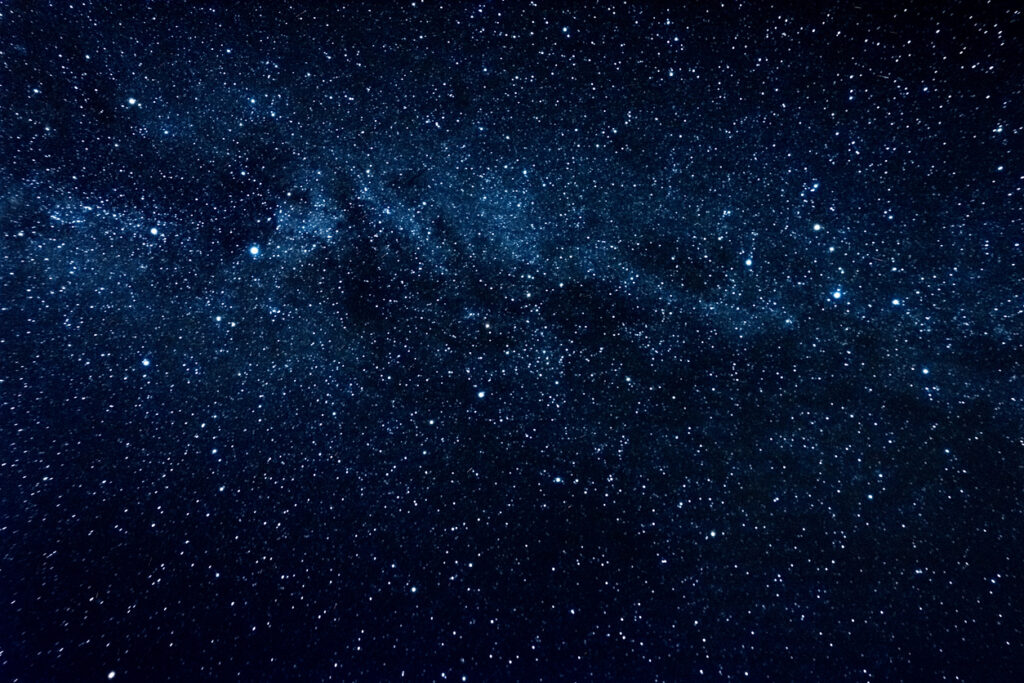
People used to think stars were just little pinpricks of light embedded in a solid dome that rotated above the Earth each night. They seemed close enough to touch if you could just climb high enough, and they appeared to move together as one unit.
Stars are actually massive balls of burning gas millions or billions of miles away. They only look like they’re moving together because they’re so unimaginably far away that Earth’s rotation makes them appear to circle us.
4. The moon makes its own light.

Because the Moon glows bright white in the night sky, loads of people through history assumed it generated its own light, just like the Sun does. It seemed logical that nighttime had its own light source to balance out daytime.
The Moon is actually just reflecting sunlight off its rocky surface. When you see the Moon’s phases changing, you’re watching different amounts of the Sun-facing side become visible from Earth as the Moon orbits around us.
5. Gravity doesn’t exist in space.
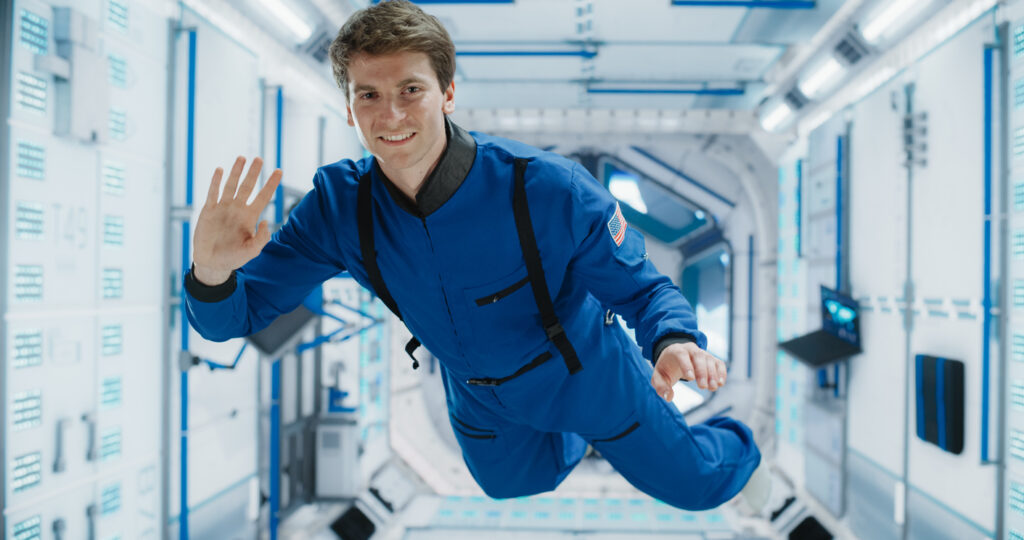
Everyone’s seen footage of astronauts floating around the International Space Station, so it’s natural to assume there’s no gravity up there. People think gravity is something you leave behind when you escape Earth’s atmosphere.
Gravity is absolutely everywhere in the universe and holds everything together. Astronauts float because they’re falling around Earth at the same speed as their spacecraft, which makes them appear weightless relative to their surroundings. The ISS is still experiencing about 90% of Earth’s gravity.
6. The north star never moves.
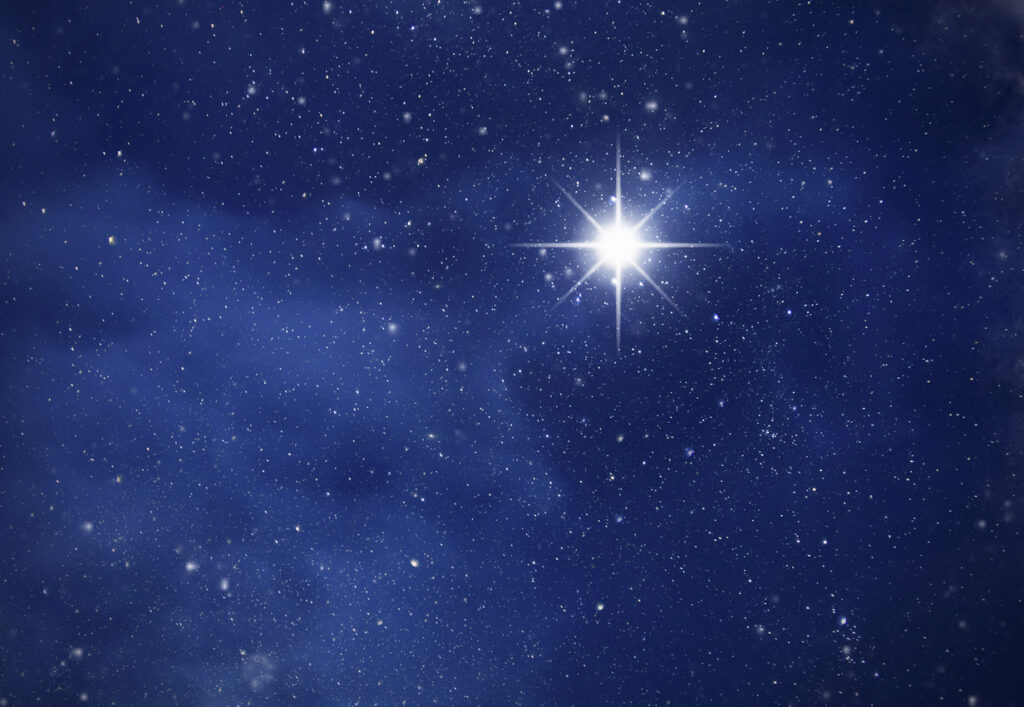
Polaris appears fixed in the northern sky while all other stars rotate around it, so people used this as proof that Earth was stationary. If Earth were spinning or moving through space, surely the North Star would shift position like everything else.
Polaris does move, just incredibly slowly because it’s roughly 430 light-years away. It appears stationary for the same reason distant mountains don’t seem to move when you walk past them. Over thousands of years, Earth’s wobbling axis will point at different stars entirely.
7. Meteors are falling stars.
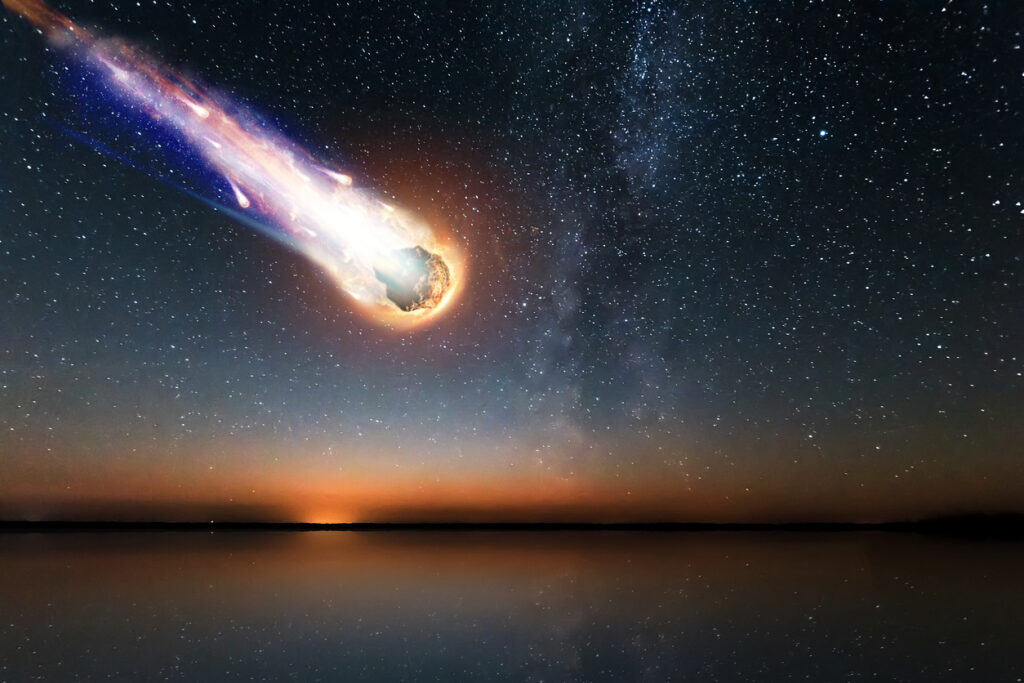
When people saw streaks of light shooting across the night sky, they called them falling stars and assumed actual stars were dropping from the heavens. This seemed to confirm that stars were close, small objects that could break loose from their positions.
Meteors are tiny pieces of space rock or dust burning up as they enter Earth’s atmosphere at ridiculous speeds. Actual stars are enormous and remain exactly where they are, millions of light-years away and completely unaffected by Earth.
8. The moon only appears at night.
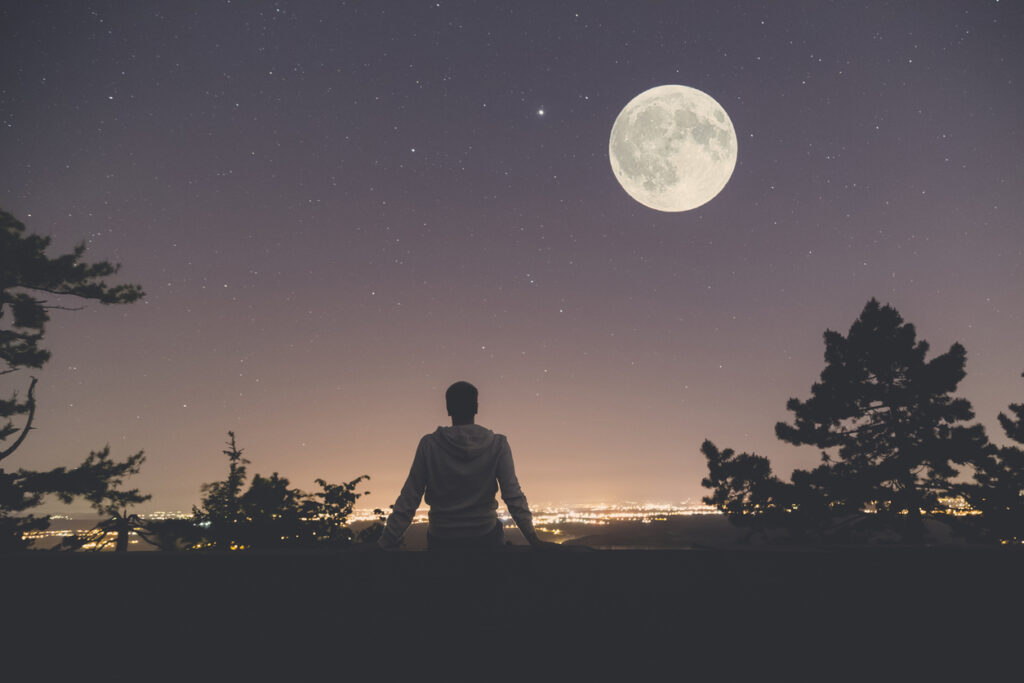
Because we associate the Moon with nighttime, loads of people are genuinely surprised when they spot it hanging in the daytime sky. It feels wrong, like seeing something out of place, and some people assume it’s a different Moon or a weather phenomenon.
The Moon is up there orbiting around us all the time, day and night. We just can’t always see it during the day because the bright blue sky washes it out unless you know where to look and the lighting is right.
9. Summer happens because we’re closer to the sun.
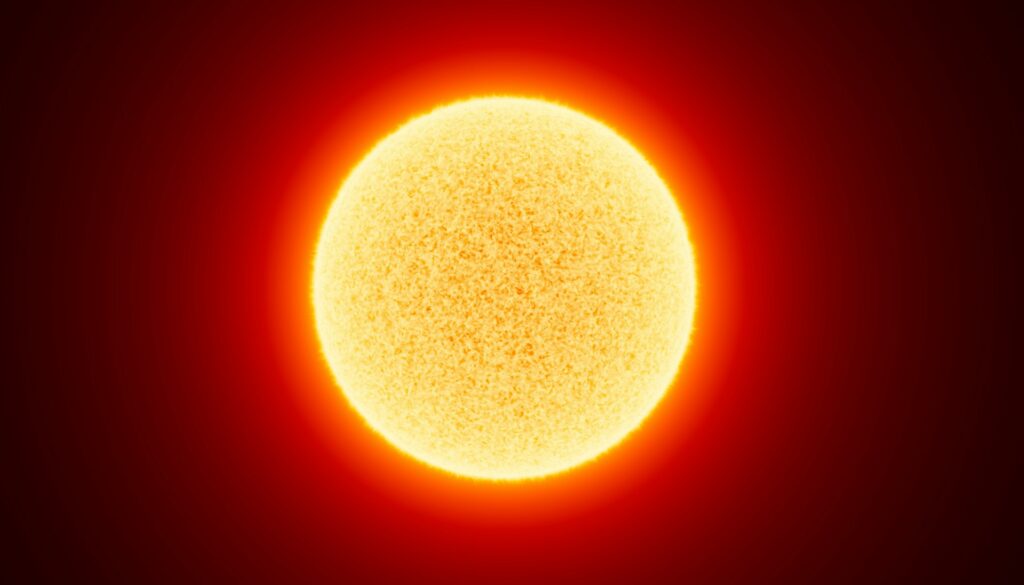
This seems completely logical, right? Earth must be closer to the Sun during summer and farther away during winter, which would explain the temperature changes. It’s what loads of people still believe without questioning it.
Earth is actually closest to the Sun in January, which is winter in the Northern Hemisphere. Seasons are caused by Earth’s tilt on its axis, which means different parts of the planet receive more direct sunlight at different times of year.
10. Black holes suck everything into them like vacuum cleaners.
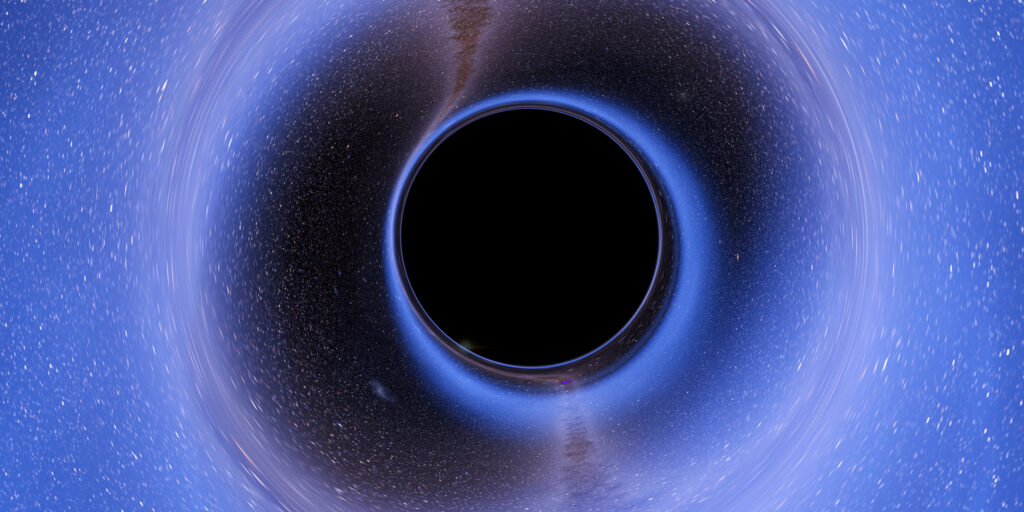
Hollywood has trained everyone to think black holes are cosmic vacuum cleaners that aggressively suck in everything nearby. People imagine them as swirling whirlpools, actively hunting for matter to consume.
Black holes actually sit relatively dormant most of the time. They only become active when something gets too close, and even then, only some nearby objects get pulled in. They’re more like Venus flytraps than vacuums.
11. Mars will look as big as the moon in August.

This email hoax has circulated every August for years, claiming Mars will appear as large as the full Moon in the night sky. People genuinely expect to see Mars looming huge and orange on the horizon.
Mars will never appear anywhere close to the size of the Moon from Earth. It looks like a reddish dot in the sky, exactly like ancient astronomers saw it, and you need a telescope to see any detail whatsoever.
12. The Great Wall of China is visible from space.

This claim has been repeated in textbooks, documentaries, and casual conversations for decades. People cite it as evidence of humanity’s greatest architectural achievement, visible even from orbit.
Astronauts have confirmed repeatedly that you absolutely cannot see the Great Wall from space with the naked eye. Plenty of other human structures like cities and highways are more visible, and from the Moon you can’t see any human construction at all.
13. The dark side of the moon is always dark.

Everyone calls it the dark side of the Moon, and Pink Floyd even named an album after it. People assume one half of the Moon is permanently shrouded in darkness because we only ever see one face of it from Earth.
The far side of the Moon gets exactly the same amount of sunlight as the near side. We call it the dark side because we can’t see it from Earth, not because it’s literally dark. The Moon rotates at the same rate it orbits Earth, which is why we always see the same face.
14. Astronauts are weightless because there’s no gravity.
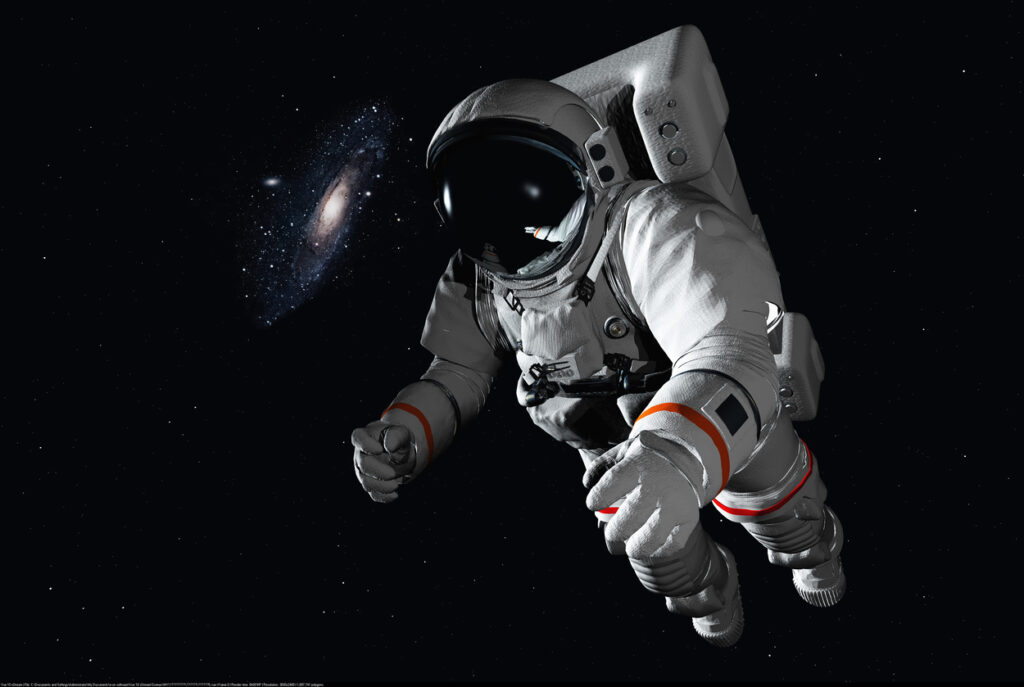
When people see footage of astronauts bouncing around on the Moon, they assume it’s because the Moon has no gravity. Some people genuinely believe the Moon is too small to have its own gravitational pull.
The Moon absolutely has gravity, it’s just weaker than Earth’s (about one-sixth as strong). That’s why astronauts could jump higher and objects fell slower, not because gravity didn’t exist at all.
15. The sun is on fire.
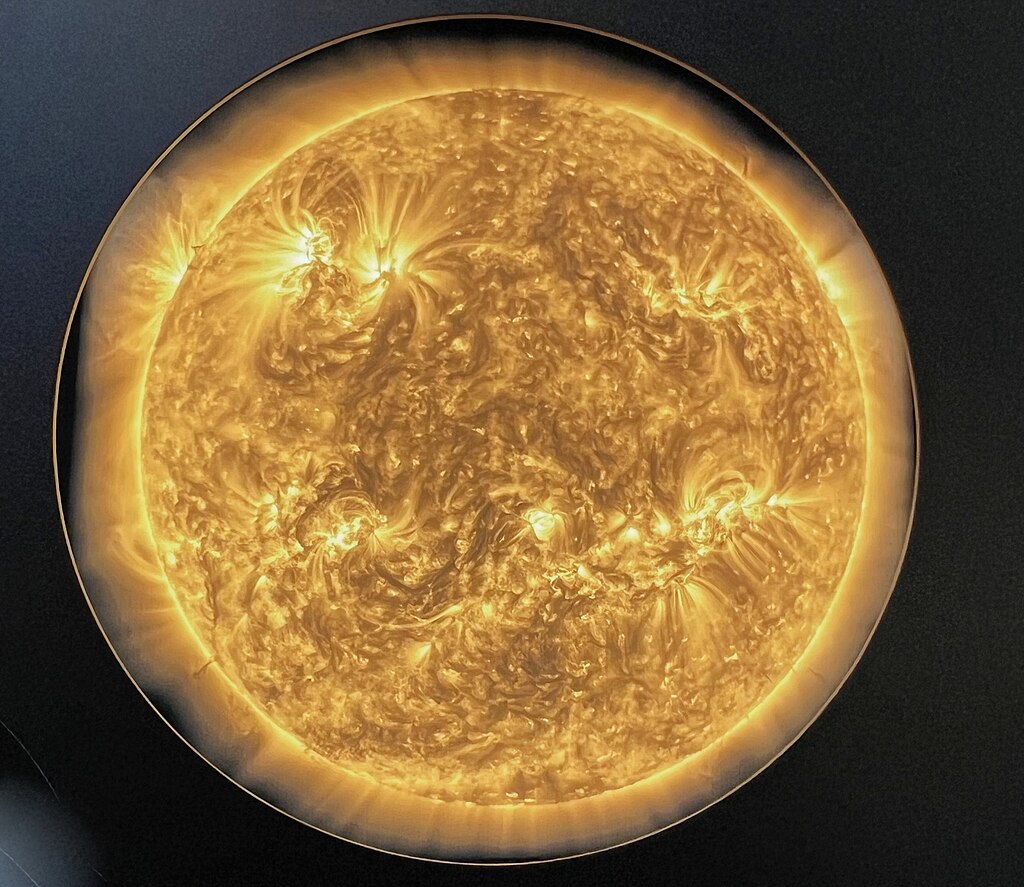
When people picture the Sun, they imagine a giant ball of fire burning in space. This makes intuitive sense because the Sun is hot and bright and looks exactly like what we associate with flames. The Sun isn’t burning in the traditional sense because there’s no oxygen in space. It’s powered by nuclear fusion in its core, where hydrogen atoms smash together to form helium and release massive amounts of energy as light and heat.
16. Planets can’t be seen without a telescope.

Because planets are associated with fancy space equipment and modern astronomy, loads of people assume you need a telescope to spot them. They think planetary observation is strictly for scientists with expensive gear.
Ancient astronomers tracked planets with their naked eyes for thousands of years before telescopes existed. Venus, Mars, Jupiter, and Saturn are easily visible from Earth without any equipment, and Mercury can be spotted if you know when and where to look.
17. Earth’s shadow causes the moon’s phases.
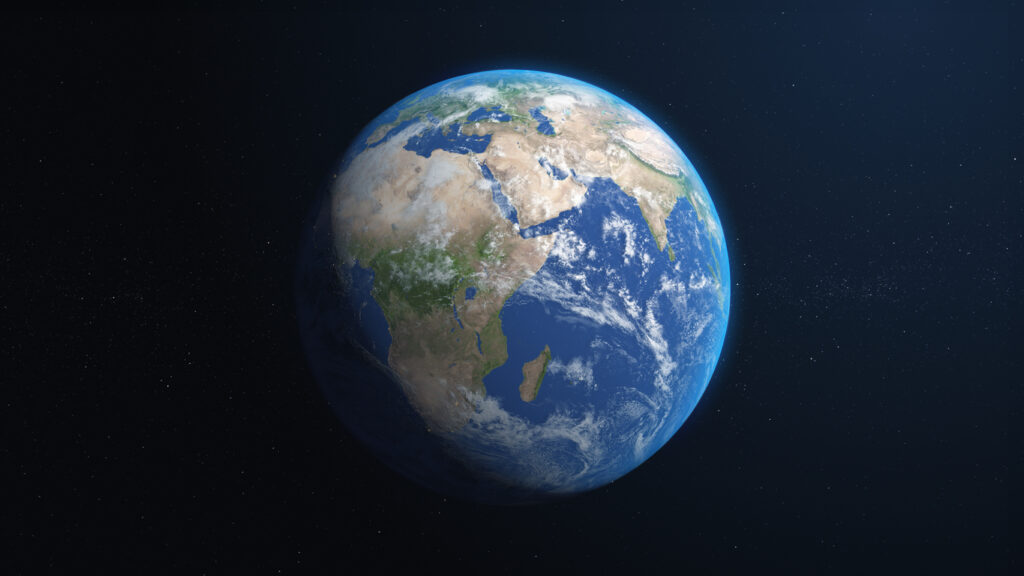
This seems to make perfect sense because the Moon appears to have a shadow creeping across it each month. People assume Earth is blocking sunlight from reaching the Moon, creating the crescent and gibbous shapes we see.
The Moon’s phases are caused by our viewing angle of the sunlit portion as the Moon orbits Earth, not by Earth’s shadow. When Earth’s shadow actually does fall on the Moon, that’s a lunar eclipse, which happens only occasionally.
18. Constellations are actual connected groups of stars.

When you look at constellations like Orion or the Big Dipper, they appear to form clear shapes, so people assume those stars are physically close together in space forming real groups.
Constellation stars are usually nowhere near each other and are separated by vast distances. They only appear to form patterns from our perspective on Earth, like how distant mountain peaks might seem to line up even though they’re miles apart.
19. NASA spent millions developing a space pen, while Russia used pencils.
This story circulates constantly as an example of American wasteful spending versus Soviet practicality. The tale claims NASA spent millions developing a pen that works in zero gravity, while cosmonauts just brought pencils.
Both NASA and Soviet cosmonauts used pencils initially, then both switched to the Fisher space pen, which was developed independently by a private company. NASA didn’t spend millions developing it, they just bought pens that already existed.
20. You can see satellites anywhere, anytime.
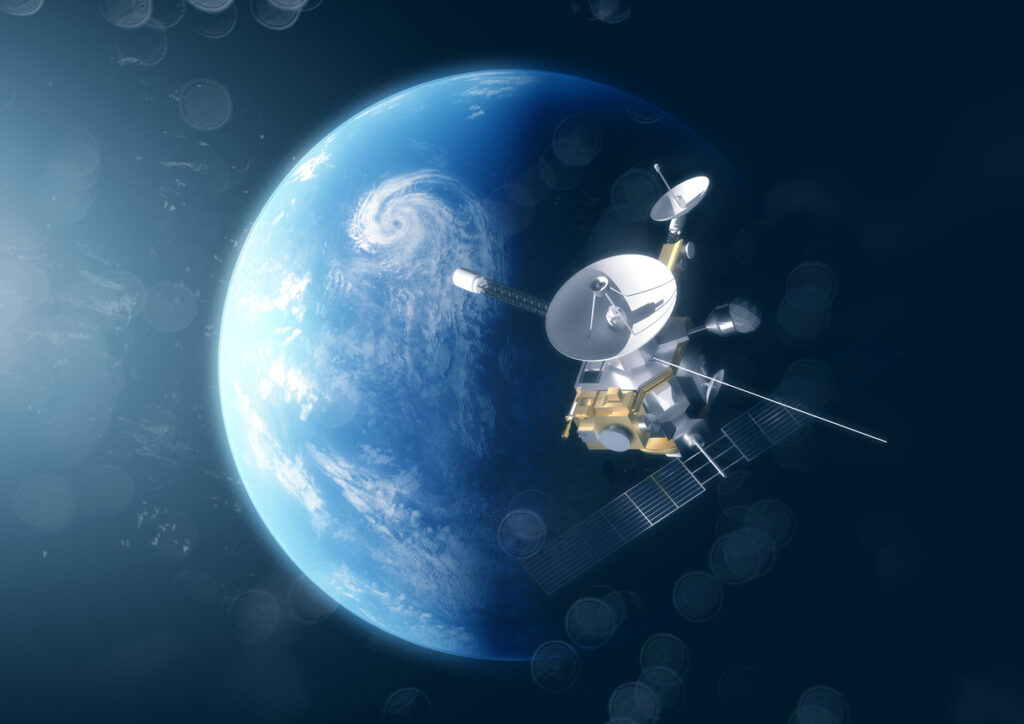
Because space is full of satellites and the International Space Station orbits Earth multiple times daily, people assume you can always look up and spot satellites crossing the sky if you just watch long enough.
You can only see satellites during twilight hours when the ground is dark, but satellites are still lit by the Sun. Most satellites are too small and dim to see with the naked eye anyway, though you can definitely spot the ISS and Starlink satellites with the right timing.