Most dog owners have witnessed your dog hearing your voice, tilting their head to the side, and looking like they’re trying to solve a mystery.
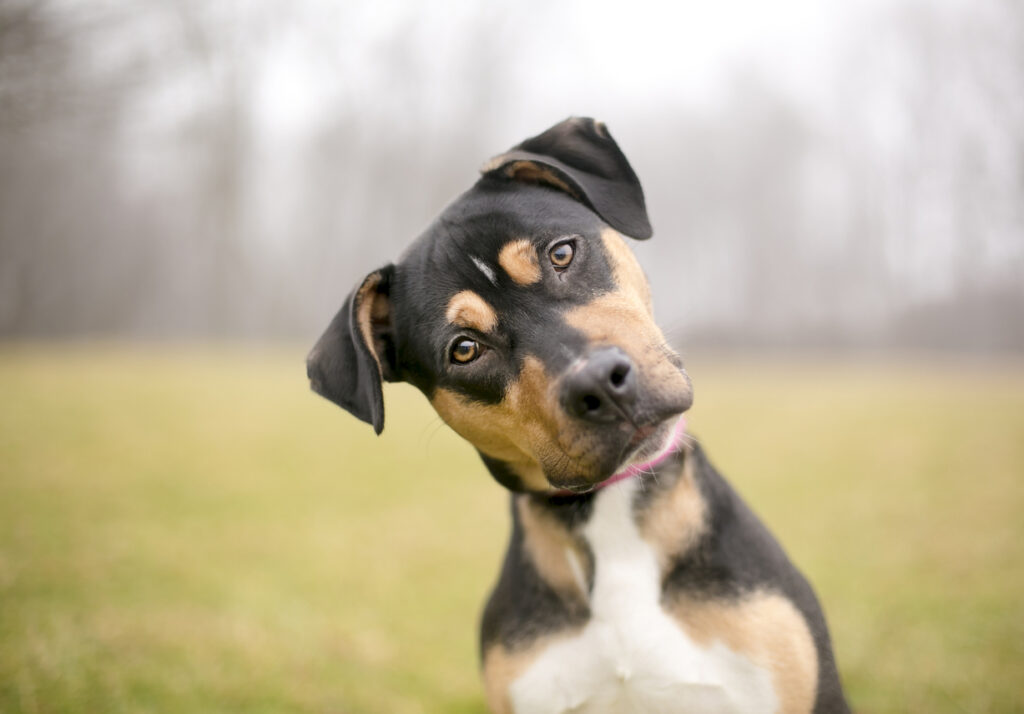
It’s adorable, sure, but it’s also sparked curiosity for years. Why do dogs do that? Is it a sign of intelligence, confusion, or something else entirely? As it turns out, there are a few surprising reasons behind the head tilt, and they say more about your dog’s brain, hearing, and emotions than you might think.
They’re trying to locate the sound.
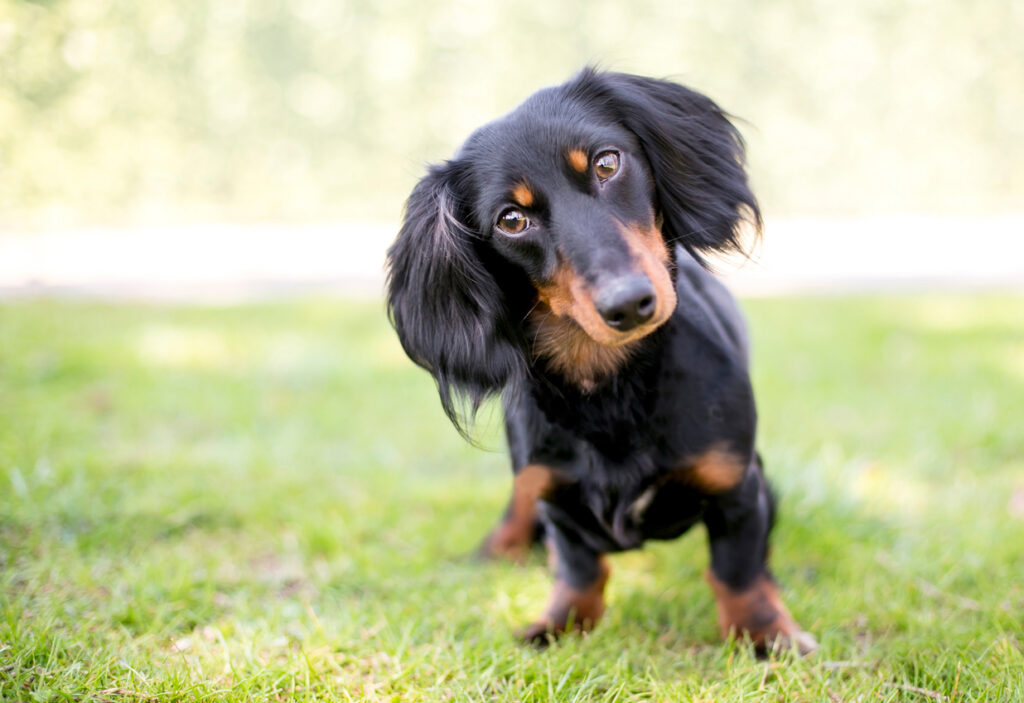
One of the main reasons dogs tilt their heads is to figure out where a sound is coming from. Unlike humans, dogs have ears that move independently, and tilting their head can help reposition them to better detect the direction of a voice or noise.
It’s like they’re adjusting their internal radar. This is especially common if you say something in a high-pitched or unfamiliar tone, or if there’s background noise. The tilt helps them tune in more precisely to what you’re saying, and where you’re saying it from.
They’re reading your facial expressions.
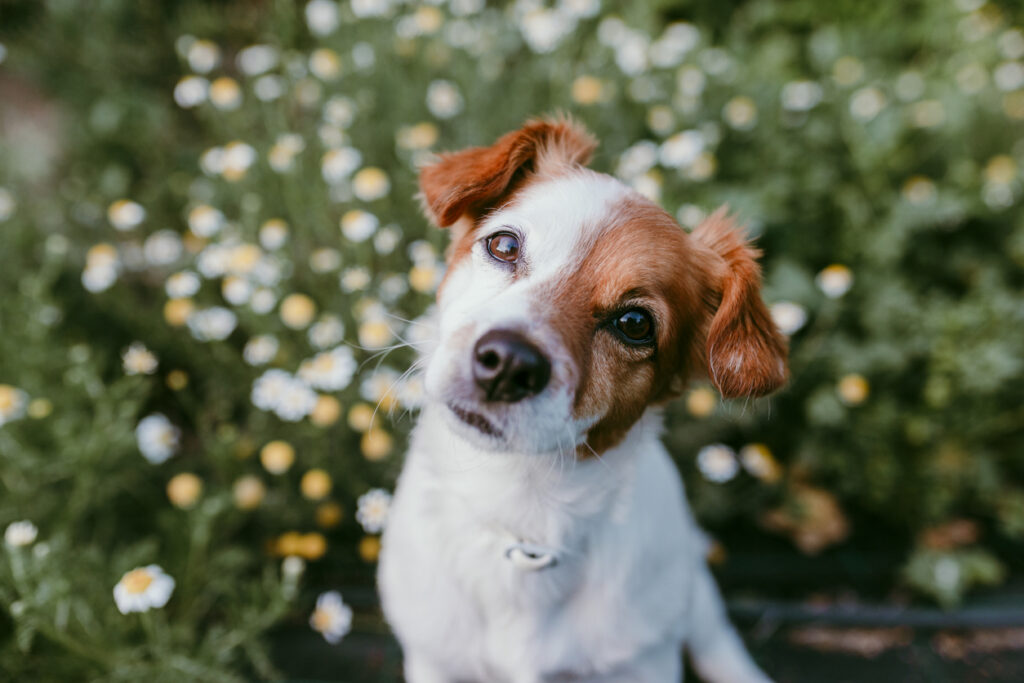
Some researchers believe dogs tilt their heads to get a clearer view of your face. For certain breeds, especially those with longer snouts, tilting the head may give them a better angle to see your mouth and eyes. Dogs are surprisingly good at reading human emotions, and your facial expressions are a big part of that. So if they’re focusing on your voice and trying to pick up emotional cues at the same time, the head tilt might just help them get the full picture.
They recognise familiar words.
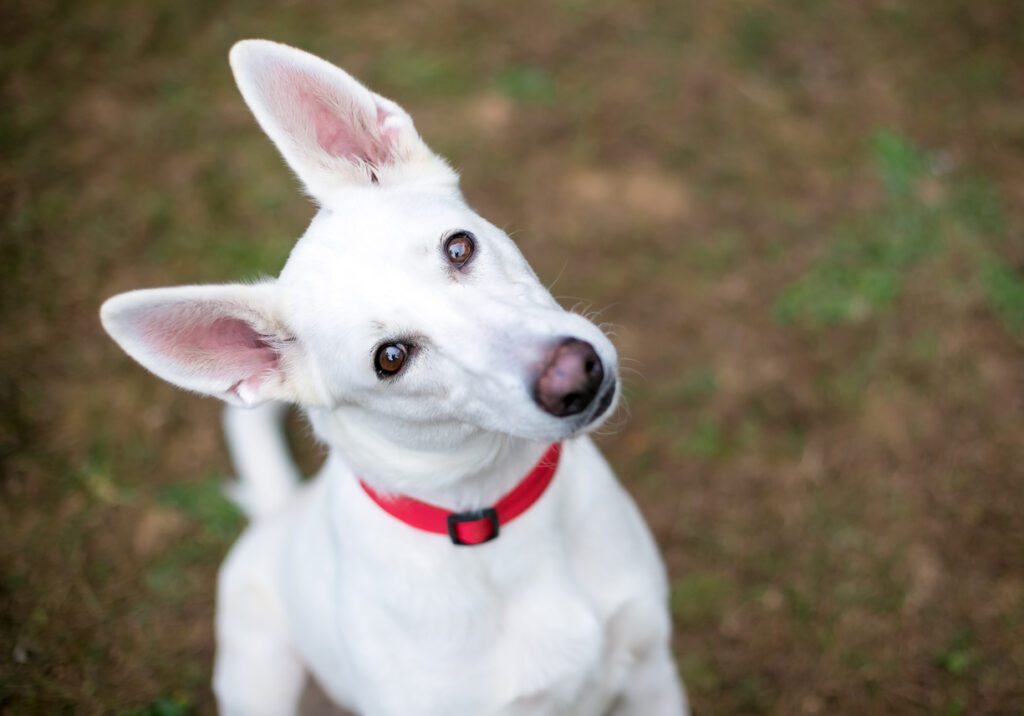
Dogs might also tilt their heads when they hear a word they recognise, like “walk,” “treat,” or “car.” It’s their way of perking up and trying to process what you just said, especially if they’re waiting to see what comes next. This tilt can be a sign of anticipation. Your dog may be trying to piece together your tone, expression, and the word itself to figure out if it’s time for something exciting. They’re not just listening, they’re interpreting.
It helps with sound filtering.

In noisy environments or places with lots of competing sounds, dogs might tilt their heads to help filter out irrelevant noise. Changing the angle of their ears and head can reduce some frequencies and enhance other people. It’s a bit like turning your head to hear someone better in a crowded room. This little movement helps them hone in on your voice and isolate it from everything else, especially if you’re speaking softly or from a distance.
Some breeds are more likely to do it.
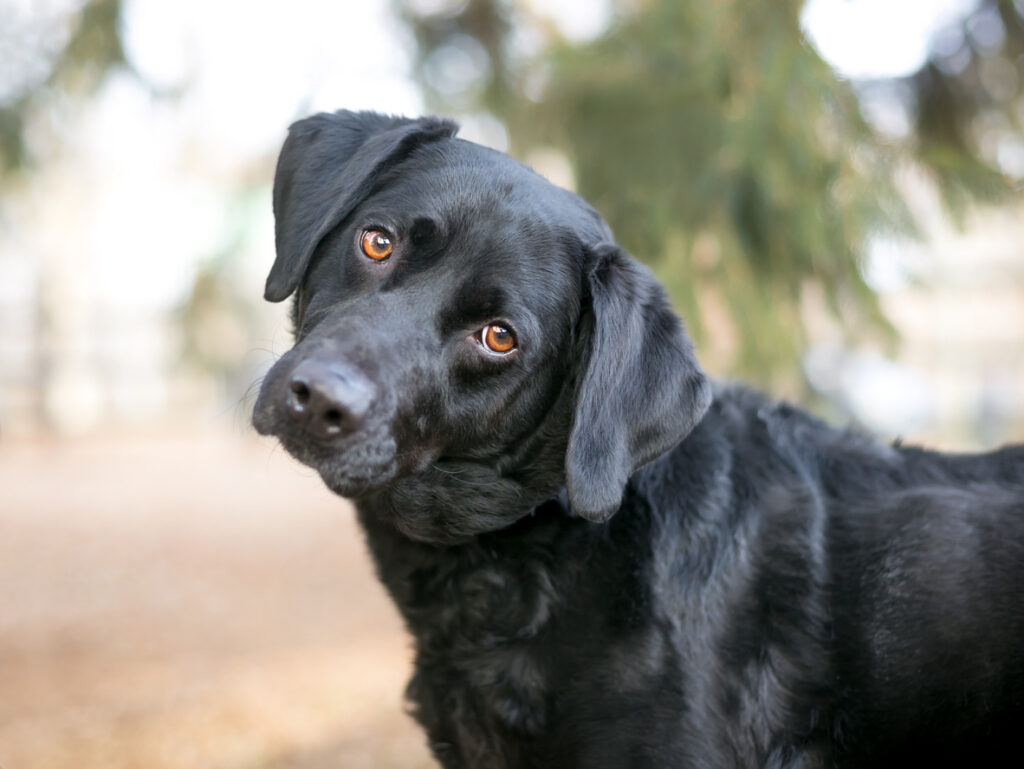
Not all dogs tilt their heads equally. Breeds with floppy ears or long snouts are more likely to do it, partly because their anatomy affects how they hear and see. Dogs like golden retrievers, cocker spaniels, and German shepherds are classic tilters.
It doesn’t mean that other breeds don’t understand you. It’s just that some find the head tilt more useful or instinctive. The shape of their ears, skull, and vision plays a big role in whether the tilt becomes a regular part of their response.
They’re gauging your tone.
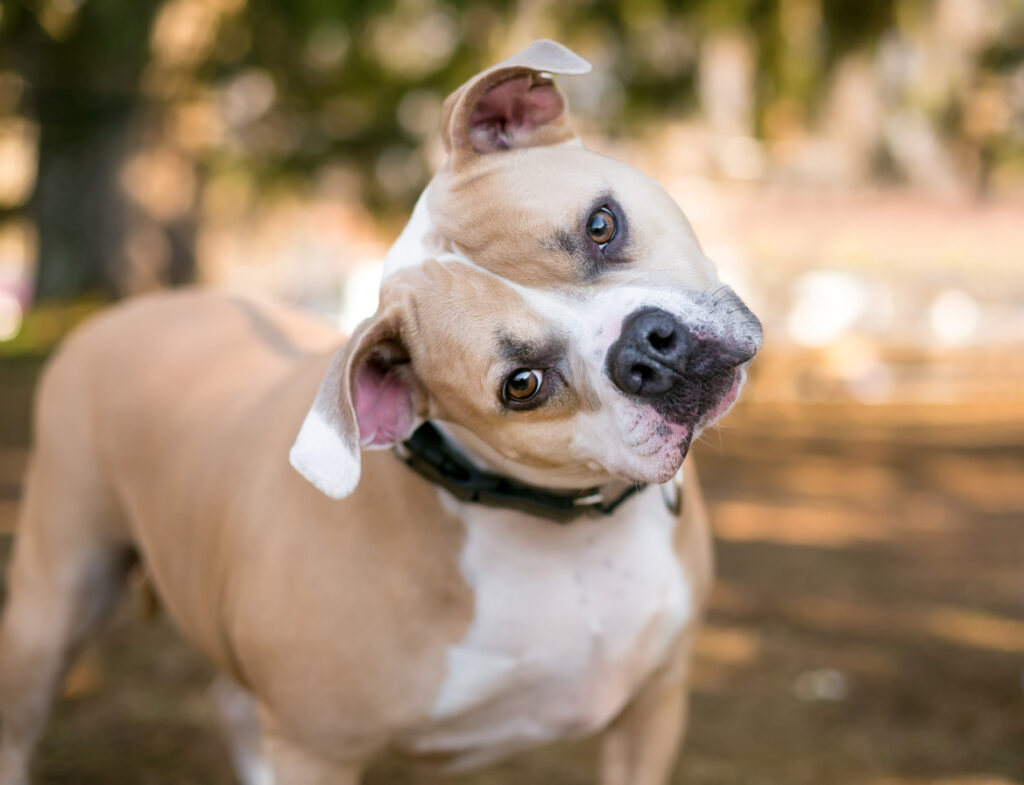
Dogs are incredibly sensitive to tone of voice. When you speak to them in a cheerful or exaggerated way, they might tilt their head as they try to decode what emotion you’re putting out there. They may not understand every word, but they definitely understand moods. The tilt is their way of showing curiosity or trying to connect emotionally, almost like they’re checking to make sure they’re reading the situation right.
It could be a learned behaviour.
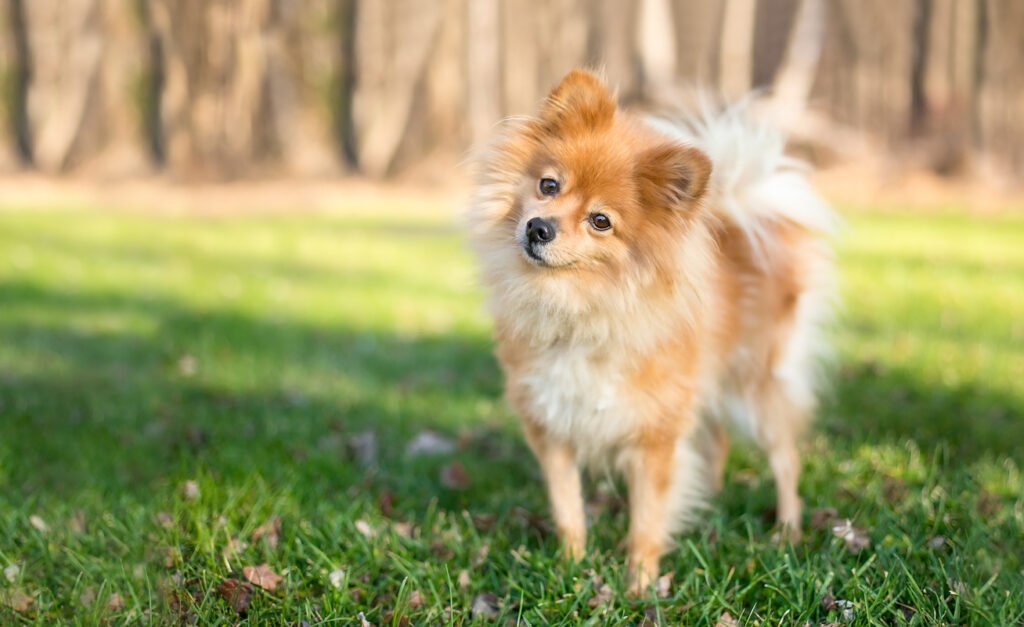
Let’s be honest—most of us melt a little when a dog tilts their head. Dogs pick up on that. If every time they tilt their head they get a smile, extra attention, or a treat, they’re more likely to keep doing it. This makes it a partly learned behaviour. Dogs repeat actions that bring positive reinforcement, so even if they started doing it for practical reasons, the reaction they get from you might turn it into a regular habit.
It’s a sign of alertness.

Head tilting usually means your dog is fully switched on and paying attention. It’s a sign that they’re listening carefully, not just hearing words passively. This is common during training or when they’re being asked to focus. Dogs that are curious, engaged, and mentally stimulated often show this kind of body language. So when you see a head tilt, you’re likely witnessing your dog’s brain working overtime to understand what’s going on.
It can indicate confusion.
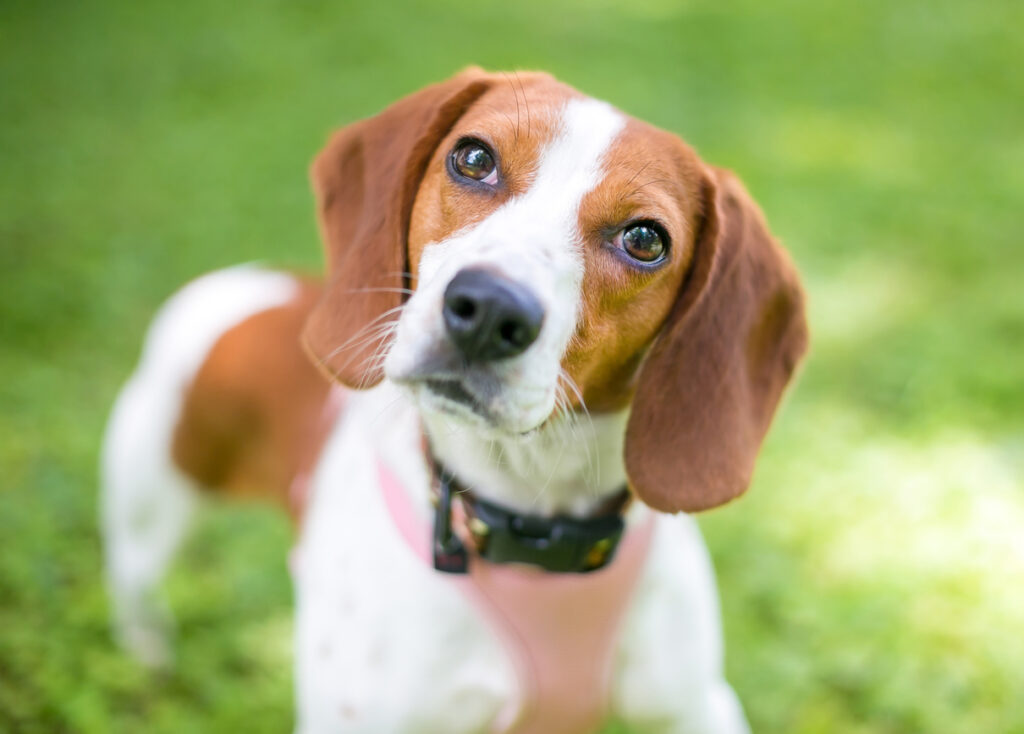
Sometimes the head tilt is your dog’s version of “Wait, what?” If they don’t quite understand what you’re saying, or they’re hearing something strange, they might tilt their head out of mild confusion or uncertainty. This doesn’t mean they’re lost. It just shows they’re processing. They’re trying to figure out whether you’re giving a command, making a new sound, or just being weird (which, let’s face it, we all are sometimes around our pets).
It’s often paired with other signals.
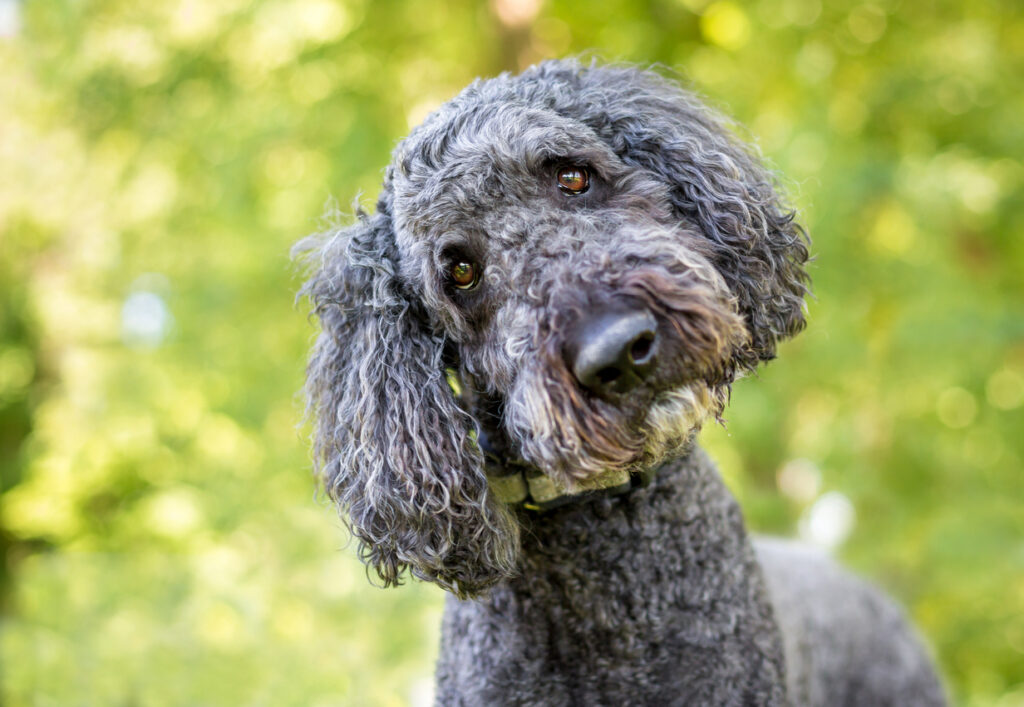
The tilt isn’t usually a solo move—it tends to come with perky ears, a wagging tail, or an alert stance. That combination shows your dog is not only curious, but emotionally invested in what’s going on. If your dog’s tail is wagging and their body is relaxed during the tilt, it’s a good sign they’re happy and engaged. If they seem tense or frozen, it might signal confusion or even concern, so the context matters.
Puppies do it more often.
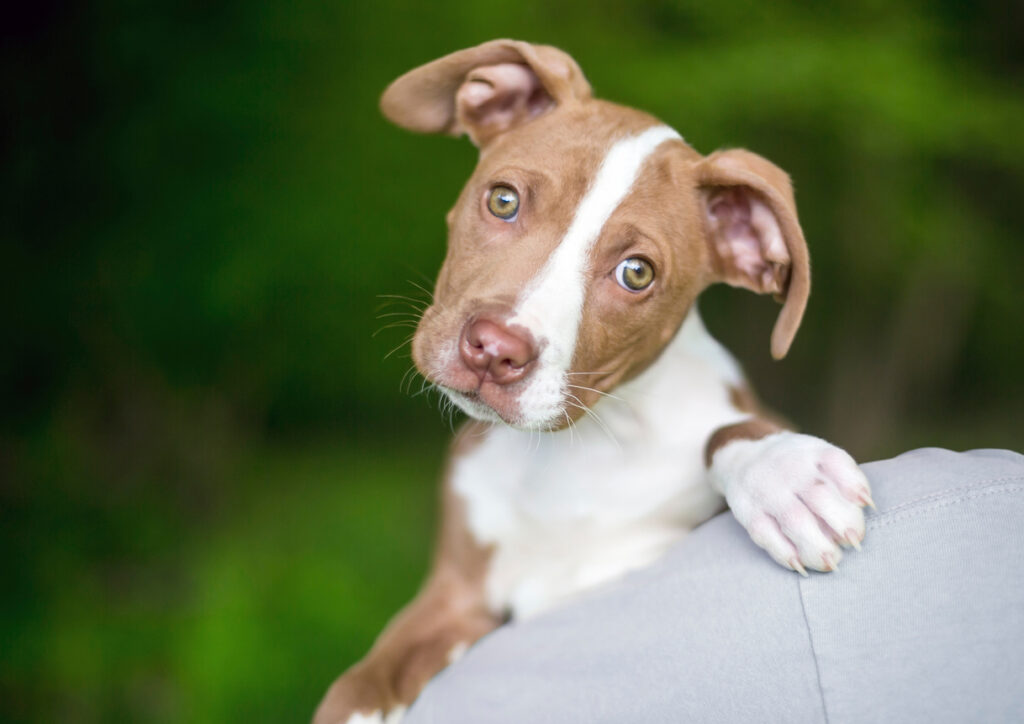
Puppies are more likely to tilt their heads because they’re still learning how to interpret human speech, tone, and behaviour. Everything is new, so they’re taking in every clue they can get to make sense of the world. As they grow up and become more familiar with your patterns and voice, the behaviour might lessen, but it can stick around if it’s reinforced or if the dog just finds it useful. It’s a sign of learning in action.
Sometimes it’s medical, so watch for changes.
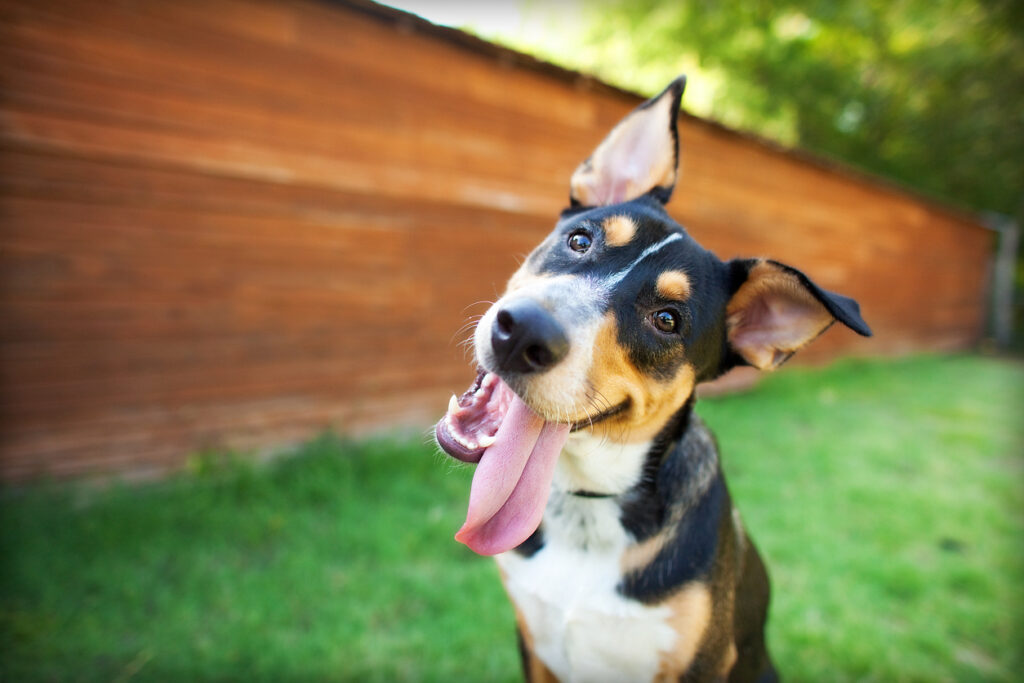
If your dog starts tilting their head frequently without obvious cause, especially if it’s always to one side, it could signal a medical issue. Ear infections, neurological problems, or vestibular disease can all cause excessive tilting. So, while the occasional head tilt is cute and normal, a sudden or persistent change in behaviour should be checked out by a vet. Better safe than sorry, especially when it comes to your dog’s ears or balance system.