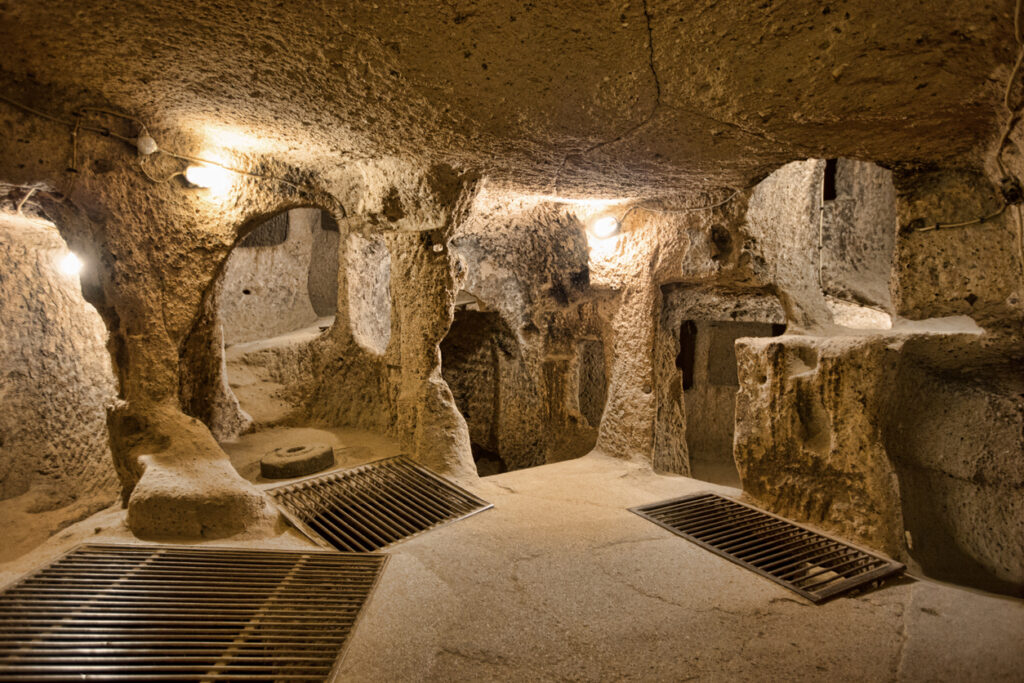
We tend to think of the underground world as dark, hidden, and kind of irrelevant unless you’re a mole. But the truth is, what’s happening beneath our feet is already shaping the way we live, grow, build, and even heal. From ancient networks of fungi to futuristic underground farms, the stuff going on below the surface is way more influential than it gets credit for. Here’s how the hidden underground world is sneakily changing the future above ground.
Fungi networks are teaching us about communication.
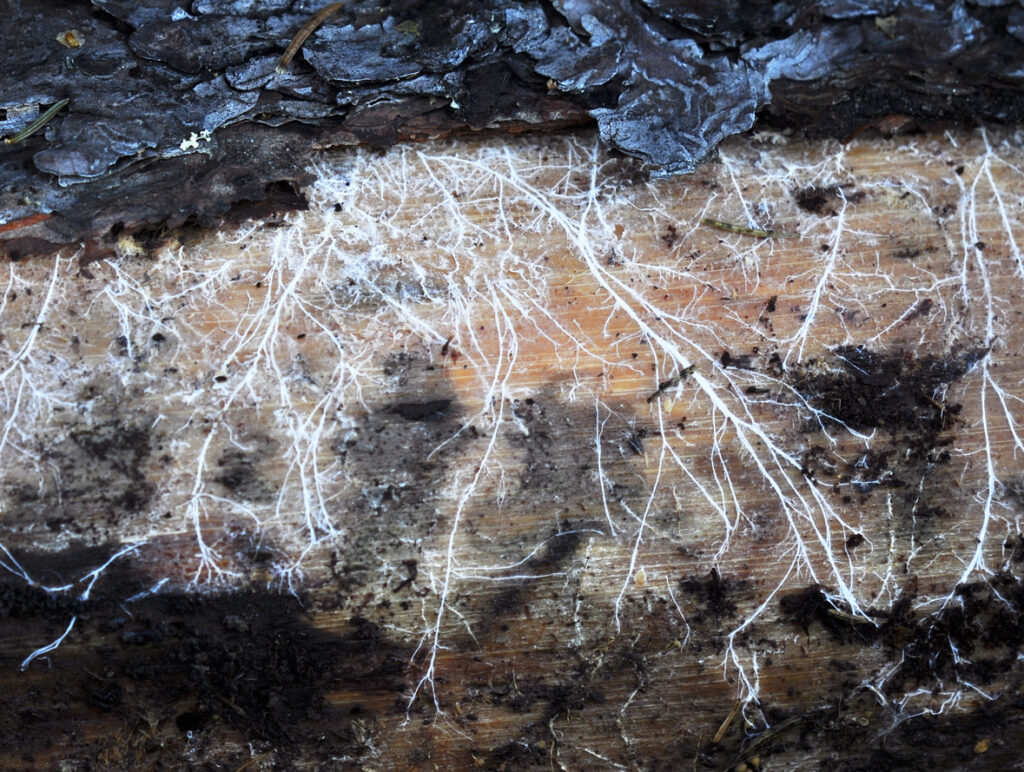
Mycorrhizal fungi, basically nature’s underground internet, connect trees and plants through root systems in what’s often called the “wood wide web.” These networks allow trees to share nutrients, warn each other about pests, and balance out resources in the forest. This idea has blown open how we think about ecosystems and is already inspiring tech design, communication systems, and even new ways to model AI. All from a bunch of mushrooms quietly networking under the soil.
Underground farms are becoming a real thing.
Old bomb shelters, tunnels, and disused basements are being turned into vertical farms—where LED lights and hydroponic systems grow herbs, veg, and greens right beneath busy cities. No need for sunlight, tractors, or massive fields. These farms use less water, avoid weather chaos, and cut down on transport emissions. So the next time you eat a salad in London, there’s a chance your lettuce was grown underneath it.
Cave environments help scientists study climate change.
Deep inside caves, mineral deposits called stalagmites and stalactites act like natural record-keepers. They grow slowly and trap tiny samples of the atmosphere from centuries ago, giving scientists clues about past climate patterns. That kind of data helps us predict future changes and understand how ecosystems might respond. So yes, caves are basically ancient hard drives, just more dramatic-looking.
Root systems could inspire smarter urban design.
Tree and plant roots don’t just dig down randomly—they explore, branch out, avoid obstacles, and stabilise their environment. Urban planners and architects are now looking at these behaviours to design more flexible, adaptive systems above ground. It’s a new take on biomimicry, where natural underground behaviour is being used to rethink traffic flow, drainage, and even city layouts. Who knew roots had such architectural swagger?
Underground fungi are helping clean up pollution.
Certain types of fungi have this incredible skill called mycoremediation, where they literally digest pollutants like oil, heavy metals, and pesticides. They’re nature’s clean-up crew, and they’re doing it underground, silently. Researchers are now experimenting with fungi-based methods to detox contaminated land and water, all while letting nature do the heavy lifting. No mop, no fuss, just fungi doing their thing.
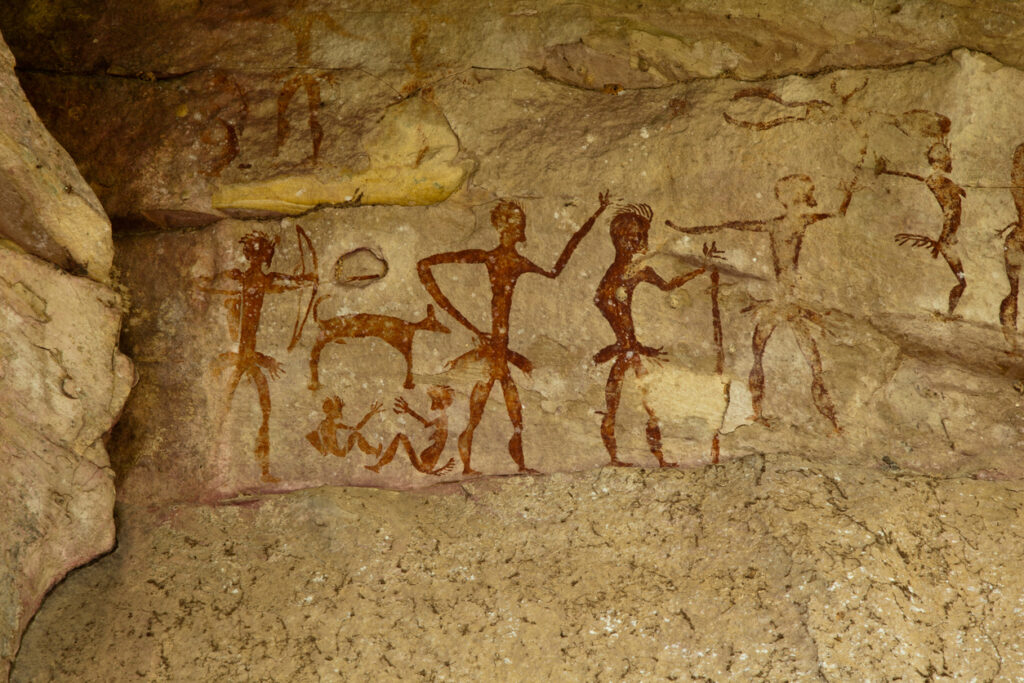
Ancient cave art is influencing modern storytelling.
Cave paintings might look simple, but they’re actually some of the earliest forms of visual storytelling. The way early humans used symbols, movement, and space still influences how we design logos, animations, and even emojis. It’s proof that even when we’re deep underground and thousands of years back, we’re still communicating in ways that feel weirdly familiar today. Old caves, new vibes.
Tunnels are giving us new ways to move around.
With traffic above ground reaching chaos levels in major cities, there’s been a big push to move transport underground. High-speed train tunnels, freight tubes, and even proposed underground car pods are being trialled around the world.Sure, we’re a long way from The Jetsons, but tunnelling our way around the problem is already reshaping how cities plan their future. And it all starts below the surface.
Subterranean animals are teaching us about resilience.
Creatures like naked mole rats and blind cavefish have adapted to extreme environments with no light, low oxygen, and sometimes toxic conditions. Scientists are studying them to understand everything from pain resistance to ageing. The lessons we’re learning from these oddballs are being used in medical research and even space travel planning. Turns out, weird underground creatures might hold the key to our long-term survival.
Earth’s deepest microbes may shape future medicine.
Microorganisms that live deep in the soil or beneath the ocean floor survive under crushing pressure and without sunlight, and some of them produce chemical compounds with serious medical potential. These deep-dwelling microbes are being explored for new antibiotics and treatments, especially as resistance to current meds grows. So while they live out of sight, they might just end up saving lives.
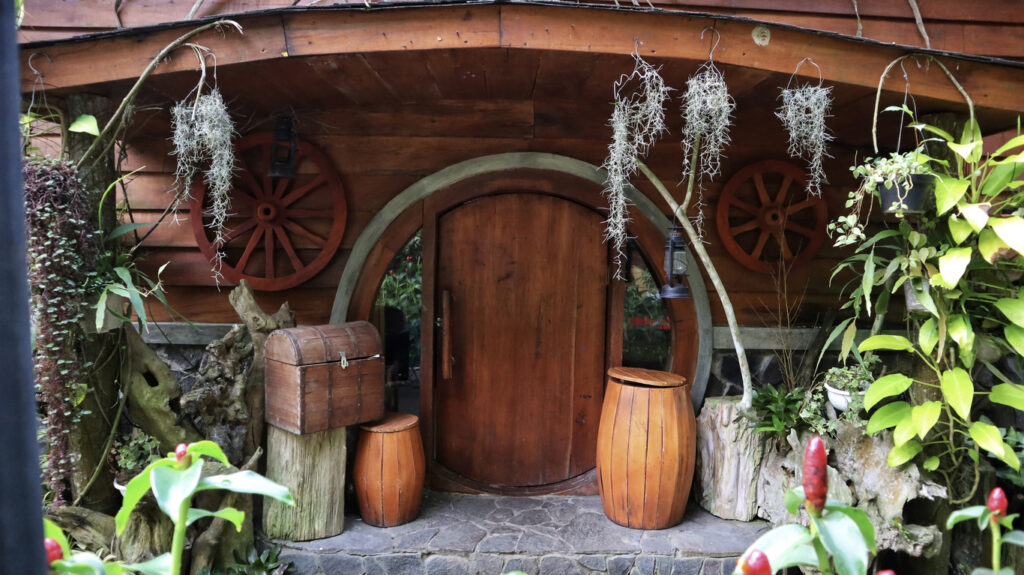
Underground architecture is redefining sustainable living.
Some architects are experimenting with homes built partially underground. They’re not bunkers, but beautifully designed spaces that use the earth for insulation and temperature regulation. These designs reduce energy use, blend into natural landscapes, and offer protection from heatwaves and storms. It’s like living in a hobbit house, but with modern plumbing and a solar roof.
Burial grounds are creating unexpected green spaces.
Some old cemeteries and burial grounds are being transformed into conservation areas and urban parks, with the roots and fungi in the soil helping restore biodiversity. It’s a poetic full circle, life growing above where life once ended. These spaces are helping cities reclaim green areas in ways that honour the past and serve the present.
The soil microbiome is changing how we farm.
We used to treat soil like a passive container for plants. But now we know it’s packed with microbes that play a vital role in plant health, resilience, and yield. Soil’s alive, and farmers are paying attention. The change is leading to better farming practices that ditch overuse of chemicals and rebuild soil health instead. Underground microbes might just be the secret to feeding the future.
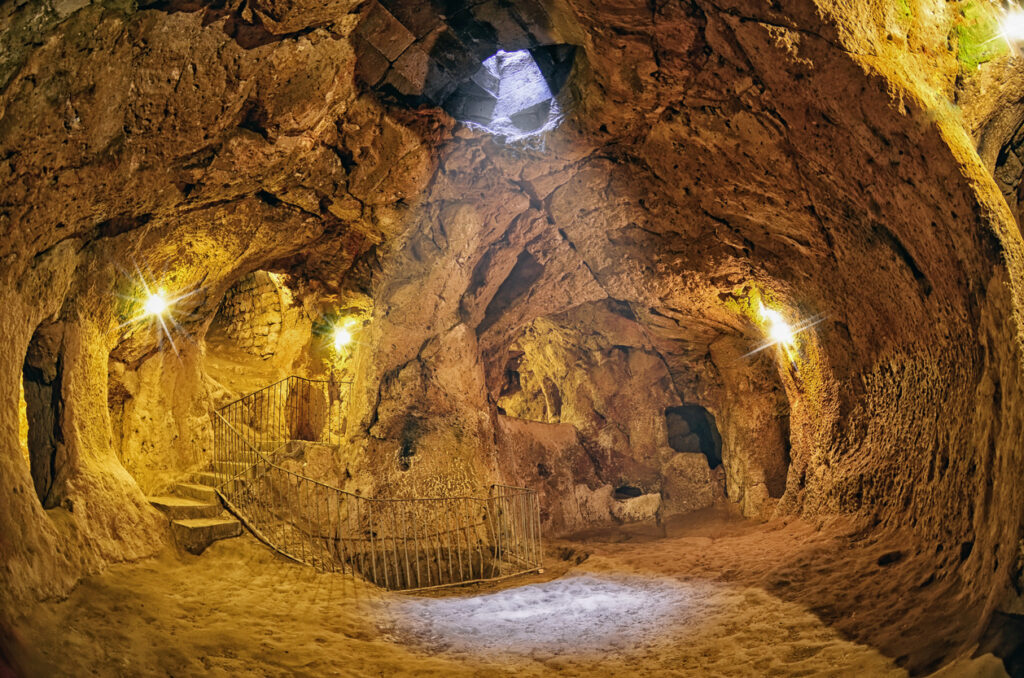
Ancient underground cities are helping us prepare for climate extremes.
From Turkey’s Derinkuyu to parts of China’s Loess Plateau, entire underground settlements have been discovered, built to escape heat, invaders, and harsh environments. These ancient solutions are inspiring modern versions that could help with climate adaptation. Sometimes, the future is hiding in the past… under a few thousand years of dust.
Sinkholes and caves remind us nature’s still in charge.
Every so often, a sinkhole swallows a street or a hidden cave opens up unexpectedly, and it’s nature’s way of reminding us we’re living on a crust. A thin one. Understanding the geology and hydrology of what’s underground is now a key part of city planning, disaster prediction, and environmental protection. Ignoring it? Not an option anymore.