Most people hear the word “dinosaur” and picture something long gone, wiped out in one dramatic moment millions of years ago.
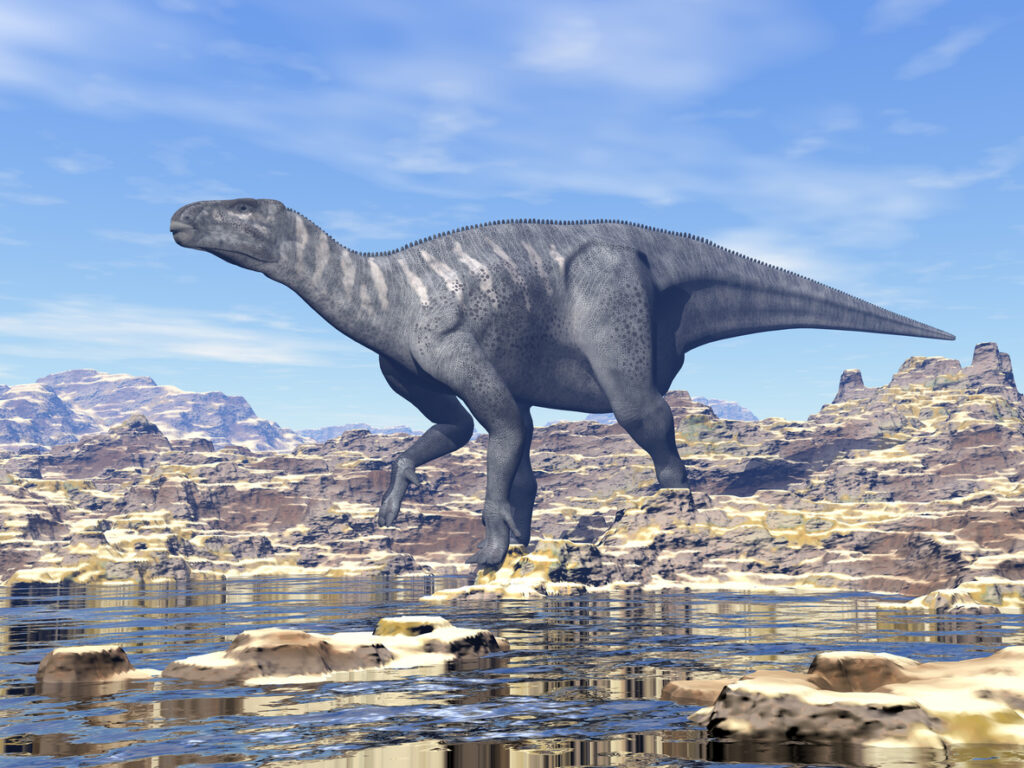
It’s a neat story, easy to remember, and repeated so often it feels settled. The problem is that it flattens a much messier, more interesting reality. Dinosaurs didn’t simply vanish and leave nothing behind.
What actually happened is more complicated, and frankly more fascinating. Some dinosaurs did disappear, yes, but not all of them in the way people imagine. One entire branch carried on, changed shape, adapted, and blended so seamlessly into the modern world that we stopped calling them dinosaurs at all. When you understand that, the idea of dinosaurs being “extinct” starts to feel a bit misleading.
Birds are literally dinosaurs with feathers.
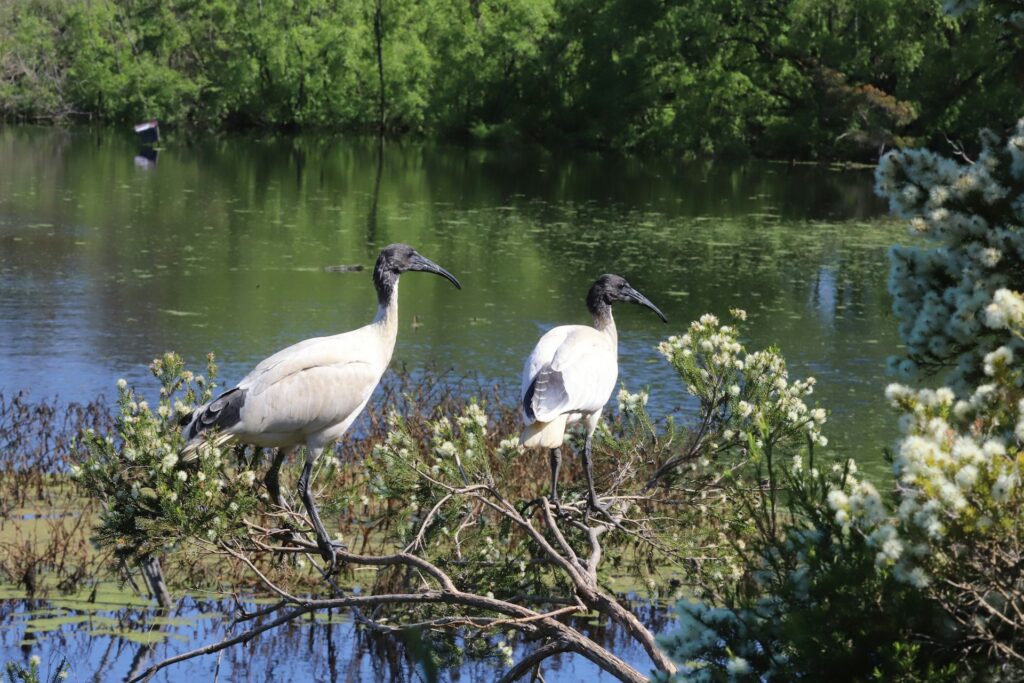
Scientists don’t just say birds descended from dinosaurs or evolved from them, but that birds actually are dinosaurs in the same way humans are mammals. Every single bird you see, from pigeons to chickens to eagles, belongs to a group called theropod dinosaurs, which makes them the direct survivors of the extinction event that killed everything else.
The classification system scientists use puts birds inside the dinosaur family tree rather than as a separate group. This means when you’re feeding ducks at the park or watching a robin in your garden, you’re looking at real living dinosaurs that have been around continuously for over 150 million years.
The extinction only killed non-bird dinosaurs.

The asteroid that hit Earth 66 million years ago wiped out all the big dinosaurs like T. rex and Triceratops, along with flying pterosaurs and marine reptiles. Small feathered dinosaurs that could fly survived because they didn’t need as much food and could escape the fires and find shelter more easily than massive ground-dwelling creatures.
These survivors were already proper birds by that point, with wings and feathers and beaks. They kept evolving after the extinction event and spread across the whole world, which is why there are over 10,000 species of birds alive today compared to zero species of non-bird dinosaurs.
Chickens have more dinosaur DNA than you’d think.
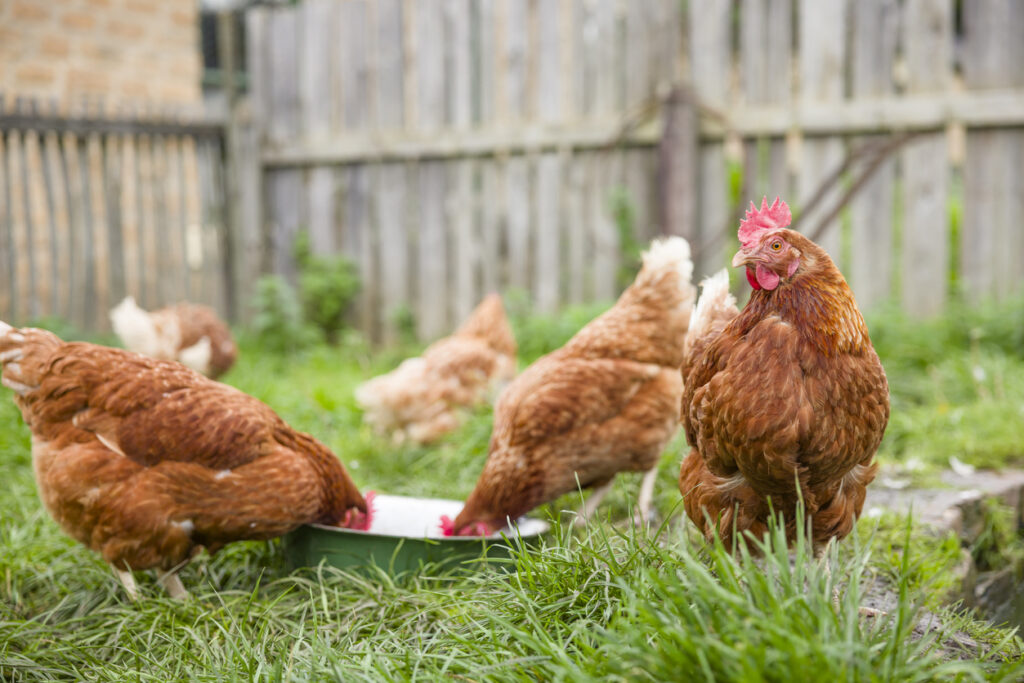
Chickens might look nothing like a T. rex, but they share a surprising amount of genetic material with their massive meat-eating ancestors. Scientists have even managed to activate dormant dinosaur genes in chicken embryos that made them grow teeth and long bony tails instead of the stubby tail chickens normally have.
These experiments prove that birds still carry the genetic instructions for dinosaur features buried in their DNA. The genes are just switched off during normal development, but they’re still there waiting, which shows how recently birds split off from their more recognisable dinosaur relatives in evolutionary terms.
Bird bones are hollow like other dinosaurs.

People think dinosaurs had massive solid bones to support their weight, but many dinosaurs actually had hollow bones filled with air sacs, just like modern birds do. This design made dinosaurs much lighter than you’d expect for their size, and it helped them move quickly despite being enormous compared to today’s animals.
Birds inherited this identical bone structure, which is why they’re light enough to fly, even though some species get quite large. The hollow bones connect to their respiratory system in exactly the same way they did in dinosaurs like Velociraptor, which proves birds didn’t just evolve from dinosaurs but kept most of the same body plan.
Feathers appeared millions of years before birds existed.
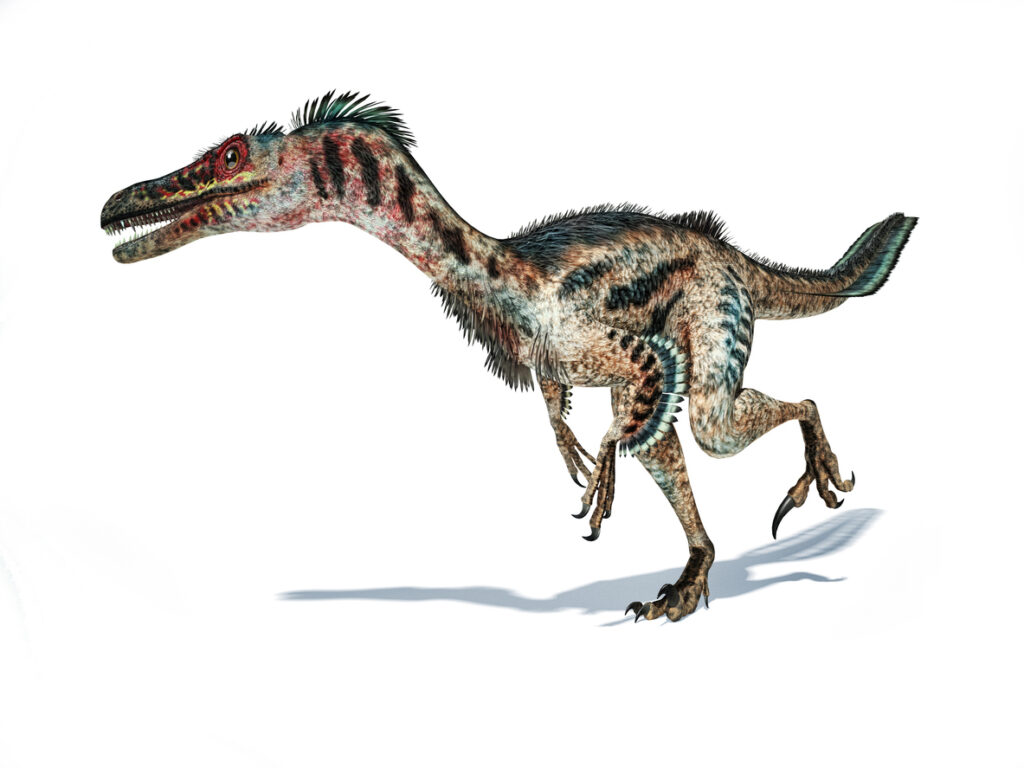
Dinosaurs were growing feathers at least 150 million years ago and probably even earlier based on fossil evidence from China. These early feathers weren’t for flying but for keeping warm and showing off to potential mates, which means feathers are actually a dinosaur invention that birds simply inherited and improved.
Many dinosaurs that couldn’t fly were still covered in fluffy feathers or had large display feathers on their arms and tails. This completely changes how we should picture dinosaurs because species like Velociraptor and even baby T. rex were probably fluffy rather than scaly, which makes them look much more like the birds we see today.
The way birds move matches how dinosaurs walked.
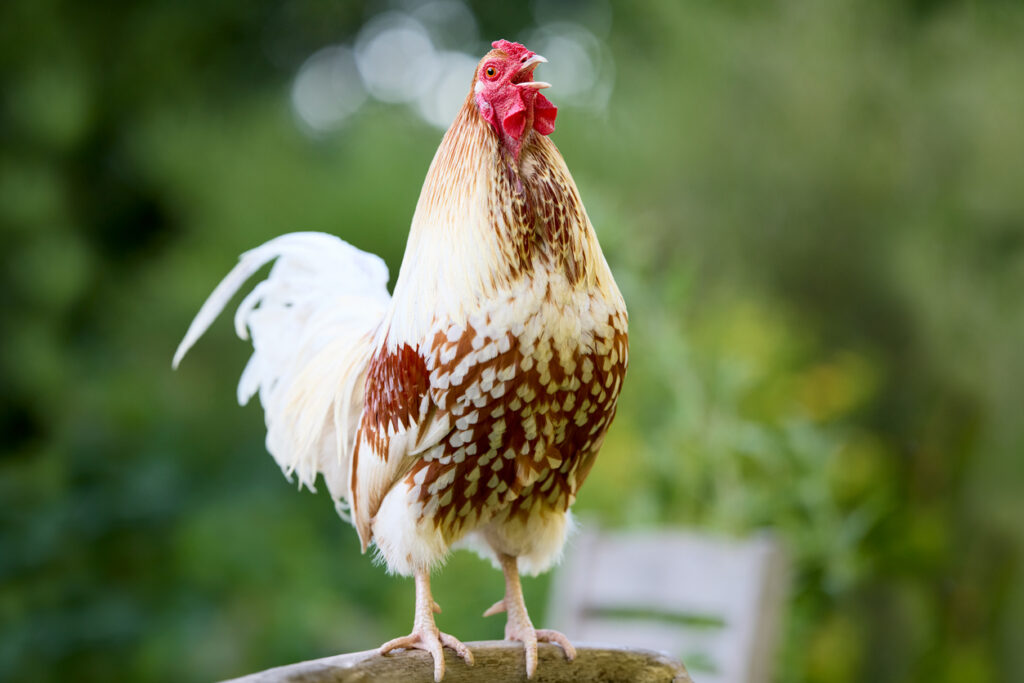
Birds walk and run using the same hip and leg structure that bipedal dinosaurs used millions of years ago. When you watch a chicken walking around a garden, it moves in exactly the same way a small theropod dinosaur would have moved, with that distinctive head-bobbing motion and the way it holds its body horizontal.
Scientists study how birds move to understand how extinct dinosaurs probably ran and hunted. The muscle attachments and joint angles are so similar that birds provide the best living model for dinosaur movement, which is why films and documentaries now show dinosaurs moving much more like birds than the slow, lumbering reptiles people imagined decades ago.
Modern birds still have claws like their ancestors.
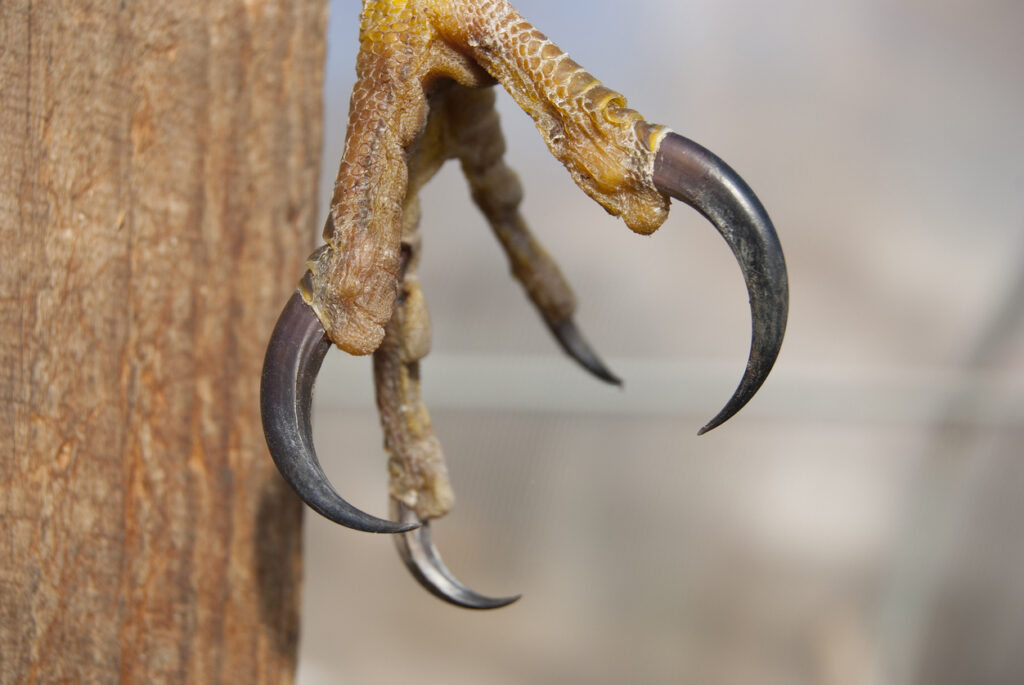
Most people don’t notice, but birds have three clawed fingers hidden inside their wings at the bend where the wing folds. These are the exact same three fingers that theropod dinosaurs had on their hands, and some birds like ostriches and chickens have quite prominent claws that they use for defence and climbing.
Baby birds of some species have even more obvious claws that they use to climb around before they can fly properly. The hoatzin chick in South America has two large claws on each wing that it uses to climb trees, which makes it look remarkably similar to how scientists think small feathered dinosaurs climbed and moved through prehistoric forests.
Birds kept the dinosaur hip socket design.
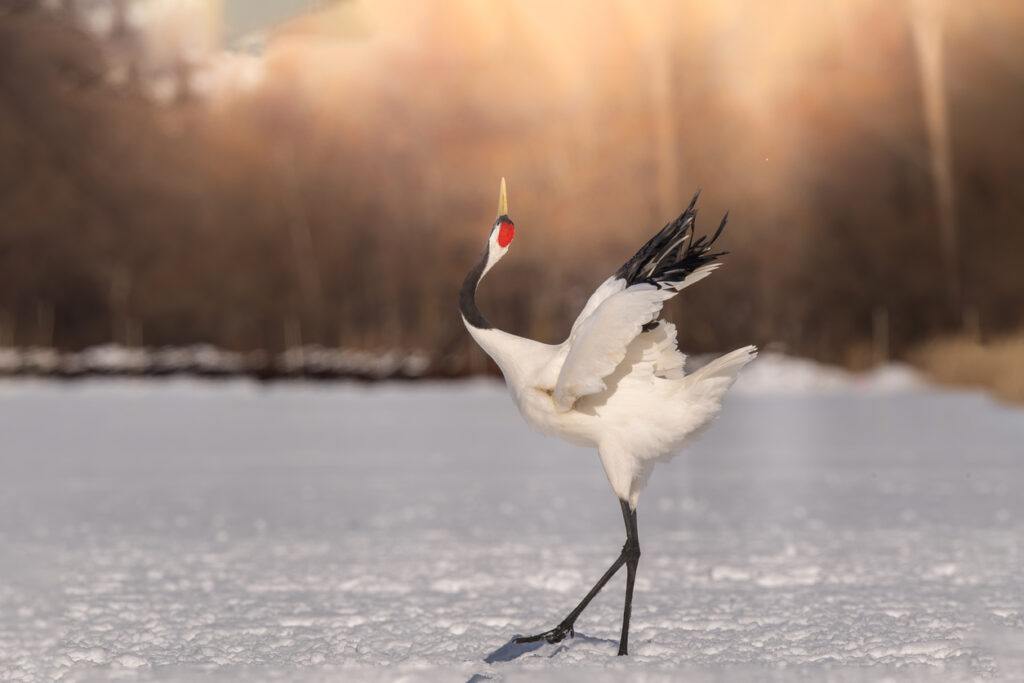
The hip structure that defines dinosaurs as a group is still present in every single bird alive today. Dinosaurs had a specific arrangement of hip bones that made them different from other reptiles, and birds inherited this exact structure, which is why scientists classify them as dinosaurs rather than as a completely separate group.
This hip design allowed dinosaurs to walk with their legs directly underneath their bodies, rather than sprawled out to the sides like crocodiles do. Birds use the same arrangement, which gives them efficient movement and is part of why they can run so quickly on land before taking off into flight.
The closest living relatives to T. rex are chickens.
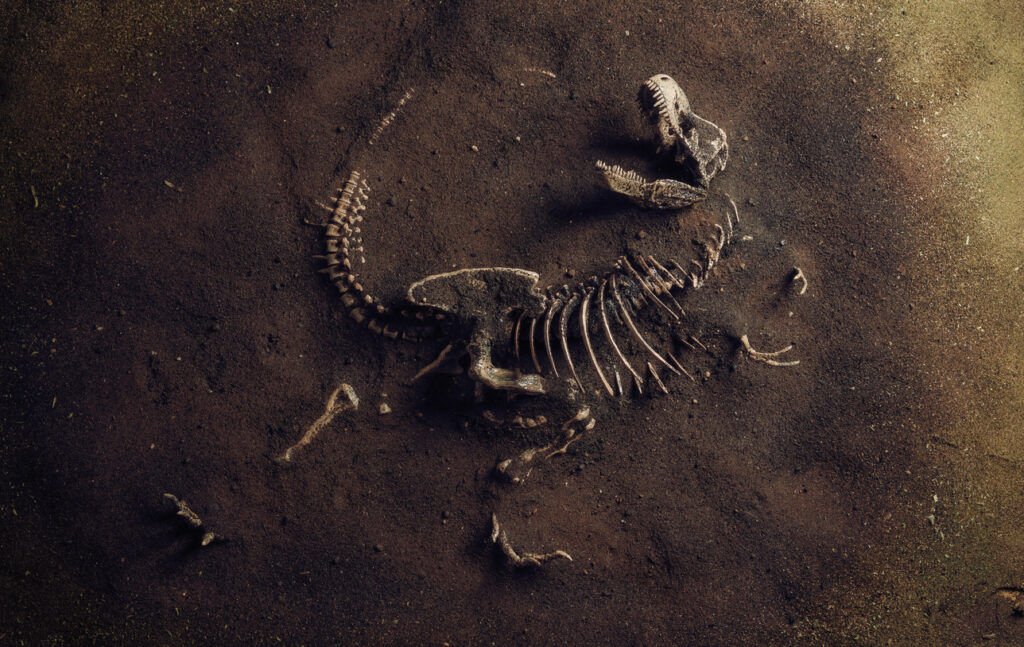
Scientists extracted protein sequences from a T. rex fossil and compared them to modern animals to find the closest genetic matches. Chickens and ostriches came out as the nearest living relatives to T. rex, which means your Sunday roast is more closely related to the most famous predator in history than any reptile is.
This connection exists because chickens belong to the same branch of theropod dinosaurs that T. rex came from. They share a common ancestor that lived around 100 million years ago, and while chickens evolved to be small and T. rex evolved to be enormous, they kept many of the same basic features in their skeletons and genetics.
Birds still have remnants of teeth in their DNA.
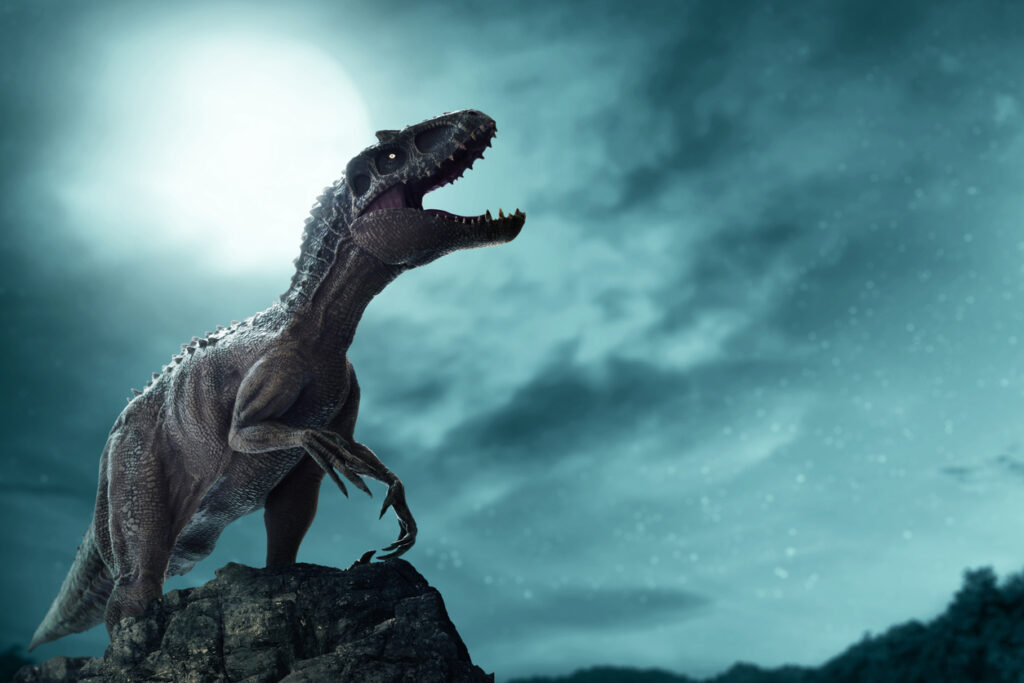
Modern birds don’t have teeth, but their ancestors definitely did and the genes for growing teeth are still hiding in bird DNA waiting to be reactivated. Scientists have triggered these genes in chicken embryos and made them start growing tooth-like structures in their beaks, which proves the instructions for teeth never actually disappeared.
Birds lost their teeth gradually over millions of years because beaks were lighter and more efficient for their lifestyle. The genetic blueprint for teeth stuck around though because evolution doesn’t delete genes cleanly, it just stops using them, which means every bird carries a bit of its toothed dinosaur past locked away in its cells.
Some birds still build nests like dinosaurs did.
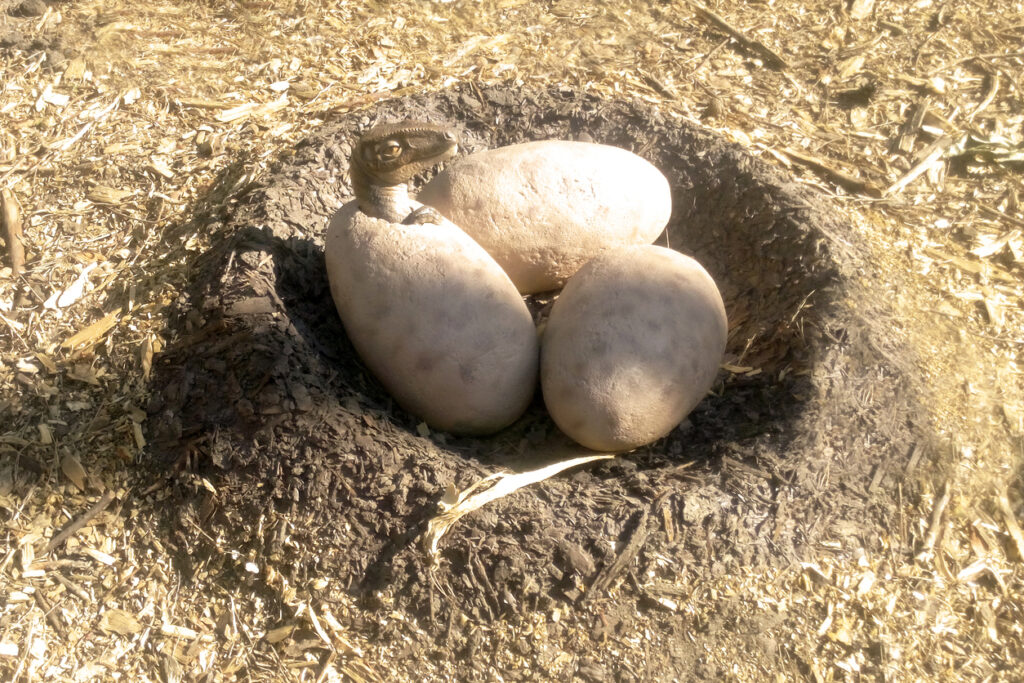
Fossil evidence shows that many dinosaurs built nests on the ground and sat on their eggs to keep them warm, just like birds do today. The nesting behaviour isn’t something birds invented, but something they inherited directly from their dinosaur ancestors who were already caring for eggs in exactly the same way.
Some dinosaur fossils have been found sitting on nests in the same position a brooding chicken uses. This proves that parental care in dinosaurs was already well-developed millions of years before birds appeared, and modern birds simply kept doing what their ancestors had been doing all along.
The dinosaur family tree never actually ended.
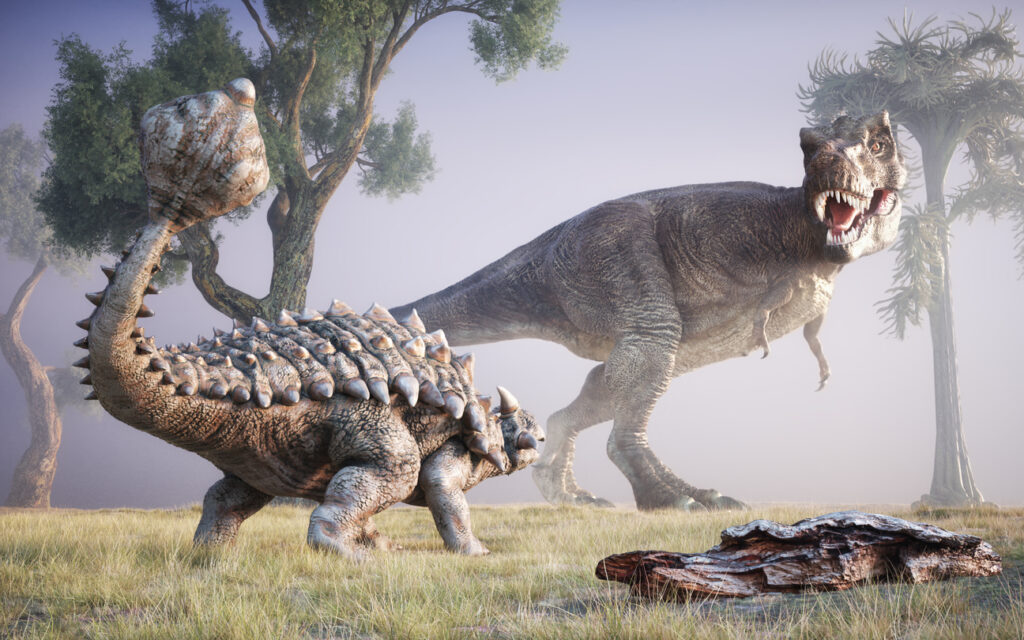
When people say dinosaurs became extinct, they really mean that most branches of the dinosaur family tree died out suddenly. One branch survived though, and that branch kept growing and splitting into new species for the last 66 million years, which means the dinosaur lineage never actually stopped existing at any point.
Saying dinosaurs are extinct is technically wrong because it ignores the thousands of species that made it through and evolved into every bird species alive today. The only accurate way to talk about it is to say non-bird dinosaurs became extinct while bird dinosaurs survived and thrived, which makes the whole story much more interesting than the simple version schools usually teach.