Space is one of those subjects where half-remembered facts and film scenes blur together very easily.
Most people don’t spend much time thinking about how things actually work beyond Earth, so the simplified version sticks. Add in a few confident-sounding statements passed around for decades, and suddenly myths feel like common knowledge.
What keeps these ideas alive isn’t stupidity. It’s familiarity. The neat explanation sounds better than the messy one, even when it’s wrong. Scientists have been correcting these myths for years, yet they still pop up in conversations, documentaries, and school memories that never quite got updated. Here are the space myths that refuse to die, and the reality that needs to be accepted instead.
1. The Great Wall of China is visible from space.

This one gets repeated so often it feels unquestionable, but astronauts have been clear about it for a long time. From low Earth orbit, the Great Wall simply doesn’t stand out. It’s narrow, follows the natural landscape, and blends into its surroundings far too well to be picked out by the naked eye.
What is visible are things with strong contrast, such as large cities glowing at night, major road networks, airports, and coastlines. Fame doesn’t matter in space; size, shape, and contrast do. The Great Wall is impressive on the ground, but from above, it doesn’t announce itself the way people imagine.
2. Space is completely silent.
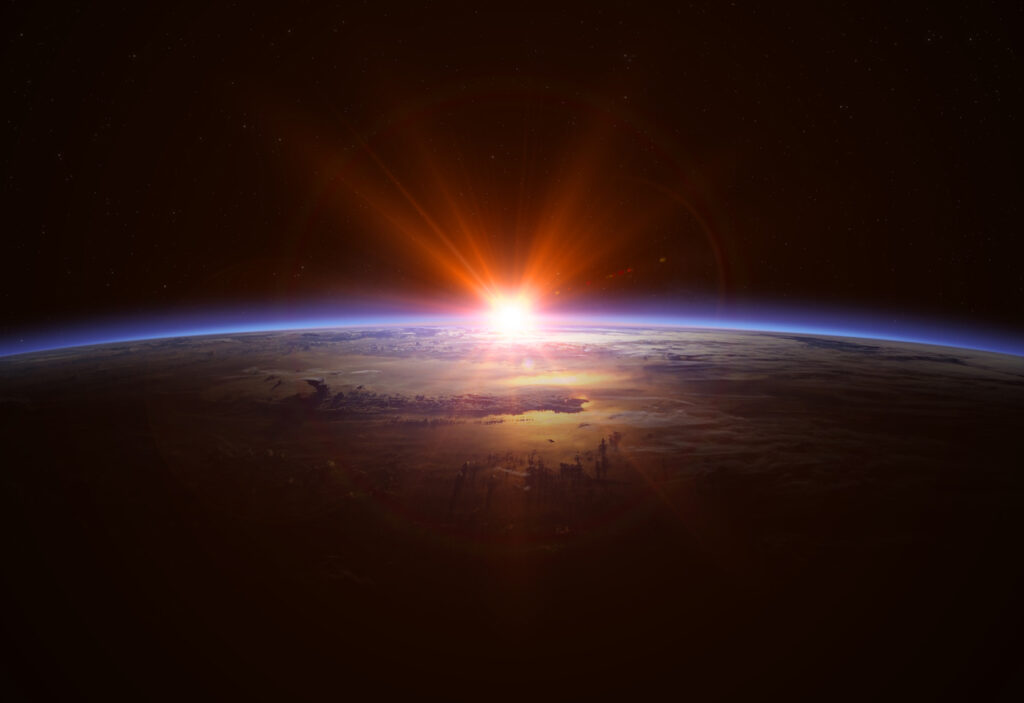
People often picture space as total silence, and in one sense that’s true. There’s no air out there to carry sound waves, so shouting into the void would get you nowhere. Sound as we experience it needs a medium.
Inside spacecraft, though, it’s a different story. Vibrations travel through metal, wiring, and structure. Astronauts hear hums, fans, clicks, and movement all the time. Space itself isn’t noisy, but the environments humans build within it certainly aren’t soundless.
3. Black holes act like giant vacuum cleaners.
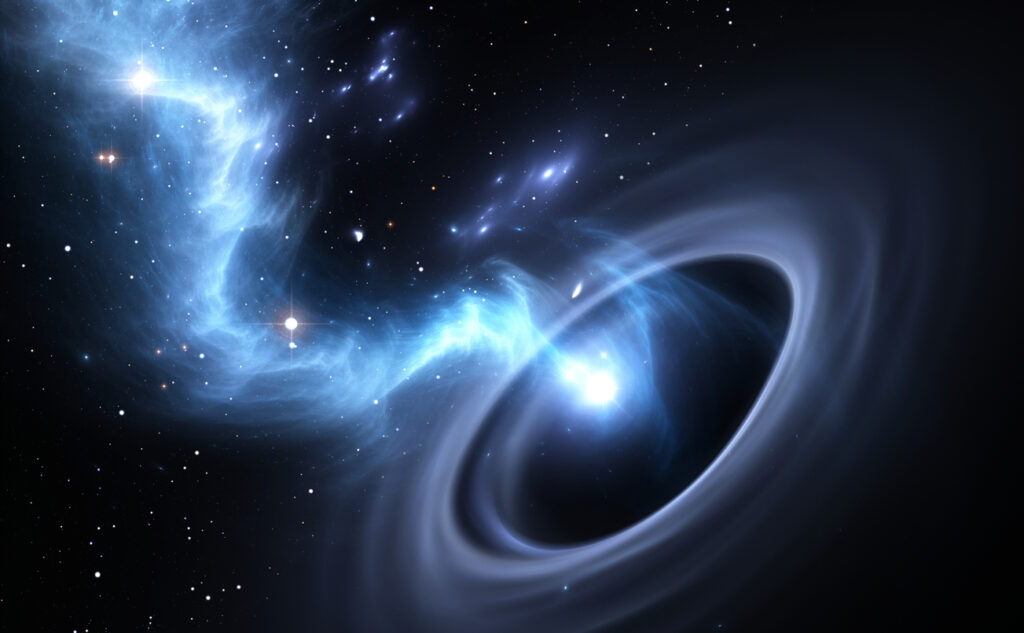
Black holes have a reputation for swallowing everything nearby, but they don’t work that way. They don’t roam space dragging stars, planets, and unlucky spacecraft into their grip. Their gravity behaves like any other object of the same mass.
If our sun were suddenly replaced with a black hole of identical mass, Earth wouldn’t spiral inward. It would keep orbiting as usual. Objects only fall in when they get extremely close. The danger comes from proximity, not pursuit.
4. The sun is burning like a giant fire.
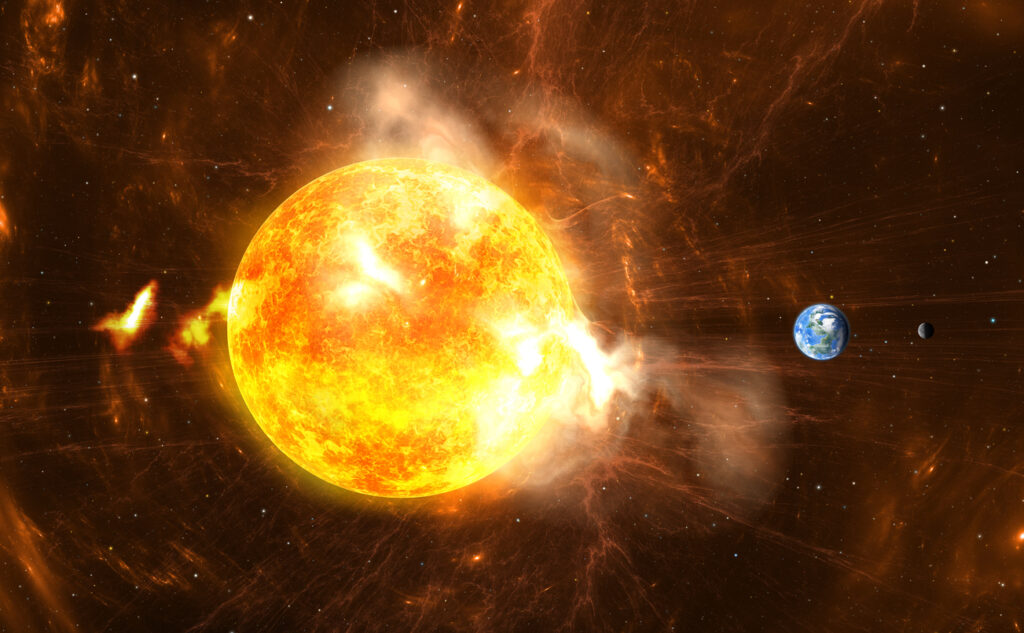
It’s easy to think of the sun as a massive ball of flame because it looks familiar. Bright, hot, glowing. But fire as we know it needs oxygen, and there’s none of that involved in how the sun produces energy.
What’s happening instead is nuclear fusion. Hydrogen atoms are being forced together under immense pressure, releasing enormous amounts of energy in the process. The sun isn’t burning fuel the way a fire does. It’s running a continuous nuclear reaction that just happens to light up our sky.
5. Astronauts float because there’s no gravity in space.
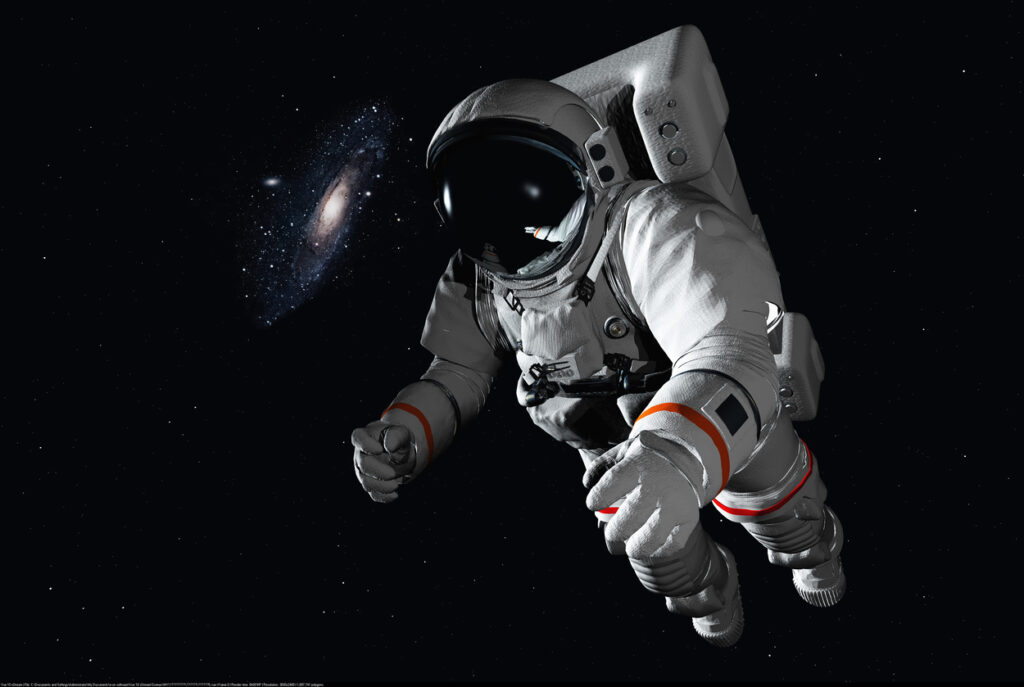
This idea sounds logical, but it misses a key detail. Gravity is very much present in low Earth orbit. Astronauts float because they and their spacecraft are falling together around the planet. They’re in constant free-fall, moving forward fast enough to keep missing the Earth beneath them. That shared motion creates the sensation of weightlessness. Gravity never switches off. It just doesn’t feel the way people expect.
6. Space is cold enough to freeze you instantly.
Films love to show instant freezing the moment someone is exposed to space, but that’s not how temperature works. Cold doesn’t rush in and grab you. Heat leaves slowly unless something actively pulls it away. Without air or water to carry heat, your body would cool gradually. Exposure would still be fatal, but not in the immediate icy way films suggest. Space is extreme, but its dangers don’t operate on a cinematic stopwatch.
7. The moon only has one side.

People often talk about the “dark side of the moon,” which makes it sound like half of it never sees sunlight. In reality, the moon has a near side and a far side. Both receive sunlight over the course of its orbit. We only ever see one face because the moon rotates at the same rate it orbits Earth. That synchronised movement keeps the same side facing us. Hidden doesn’t mean dark. It just means out of view.
8. Mars is red because it’s hot.
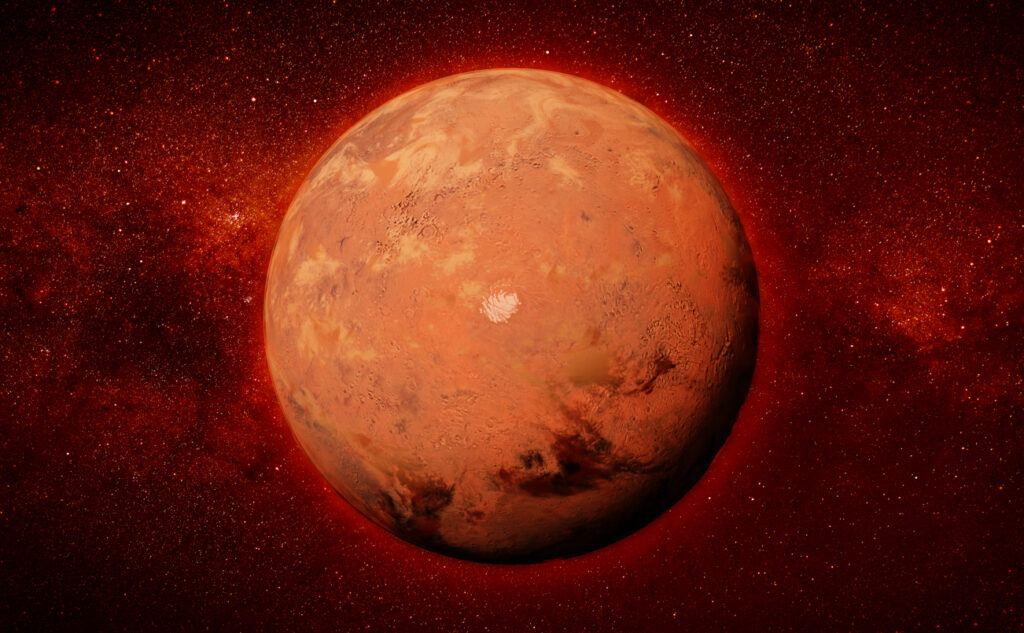
Mars looks rusty and warm in pictures, which leads some people to assume heat plays a role in its colour. In fact, Mars is cold, dry, and far from the sun compared to Earth. The red hue comes from iron in the soil reacting with oxygen, essentially forming rust. That colour tells a story about the planet’s surface chemistry, not its temperature. Mars looks warm, but it definitely isn’t.
9. Space suits are mainly to help astronauts breathe.
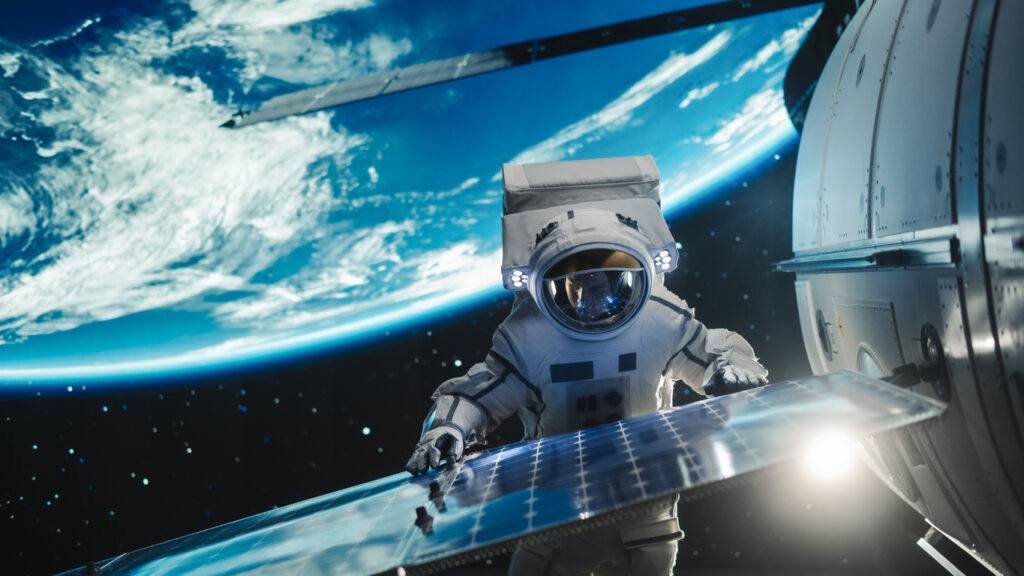
Breathing is important, but it’s only one part of what a space suit does. A suit is more like a personal spacecraft wrapped around a human body. It manages pressure, regulates temperature, shields against radiation, and protects against micrometeoroids. Without that pressure control alone, the human body wouldn’t function. Space suits don’t just supply air. They create an environment where the body can survive at all.
10. Meteors heat up from air friction alone.
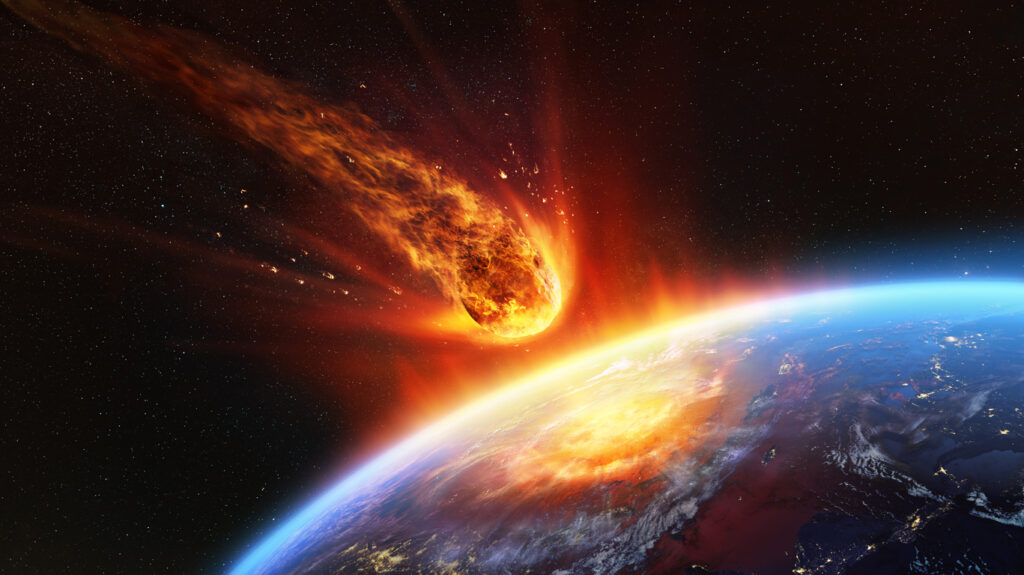
People often picture meteors heating up the same way your hands do when you rub them together. In reality, most of the heat comes from what happens to the air in front of the meteor. As it enters the atmosphere at high speed, the air gets compressed rapidly. That compression causes the air to heat up intensely, which then transfers heat to the meteor. Friction plays a role, but compression does most of the work.
11. The universe is the same everywhere you go.
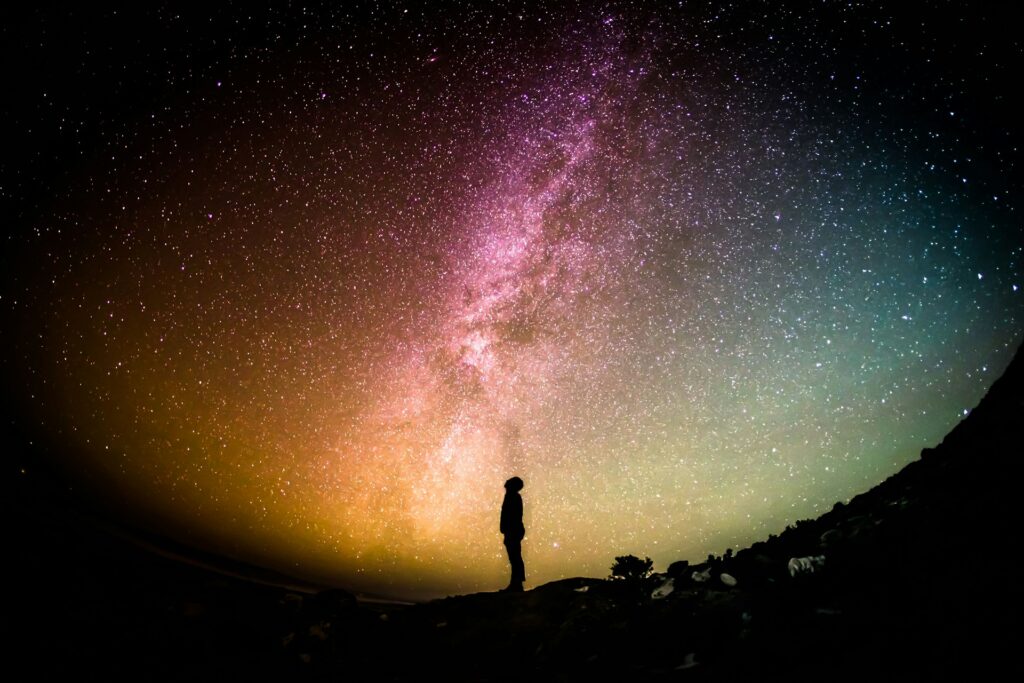
From a distance, space can seem uniform, just a scattering of stars against blackness. Up close, it’s anything but even. Some regions are crowded with galaxies, while others are vast stretches with very little in them. Galaxies clump together in large structures, leaving enormous voids between them. This uneven layout is one of the reasons mapping the universe is so challenging. It’s not a smooth spread. It’s lumpy, clustered, and full of extremes.
12. You’d explode without a space suit.
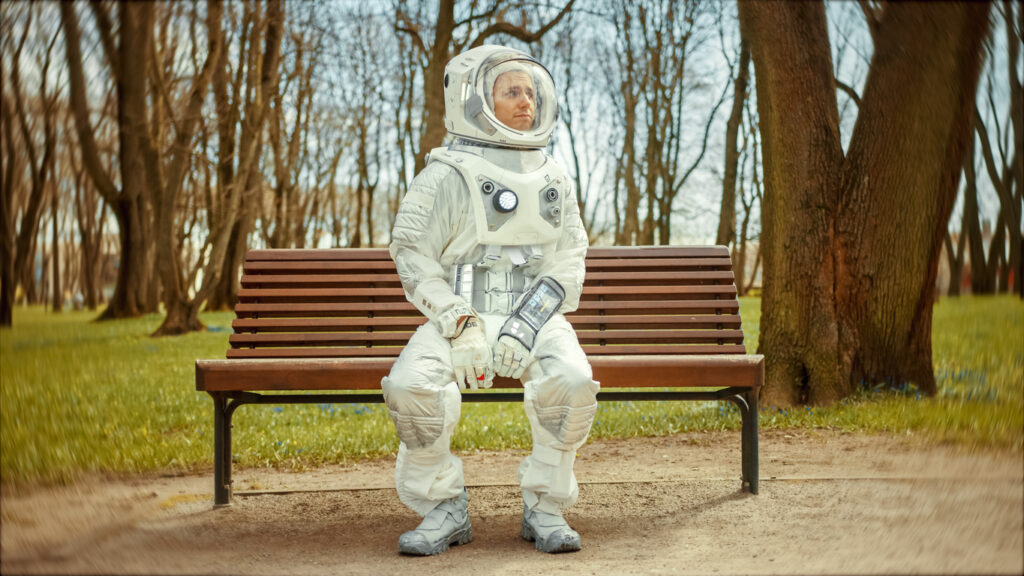
This is one of the most persistent film myths. A human body wouldn’t burst open in space. Skin and tissue are strong enough to hold everything together. The real danger is rapid oxygen loss, pressure changes, and exposure. Consciousness would fade quickly, but there would be no explosion. Space is unforgiving, just not in the cartoonish way films love to show.