When you think of bird-related dangers, your mind probably goes to a sharp peck or an annoying dive-bombing while you’re eating chips at the beach.

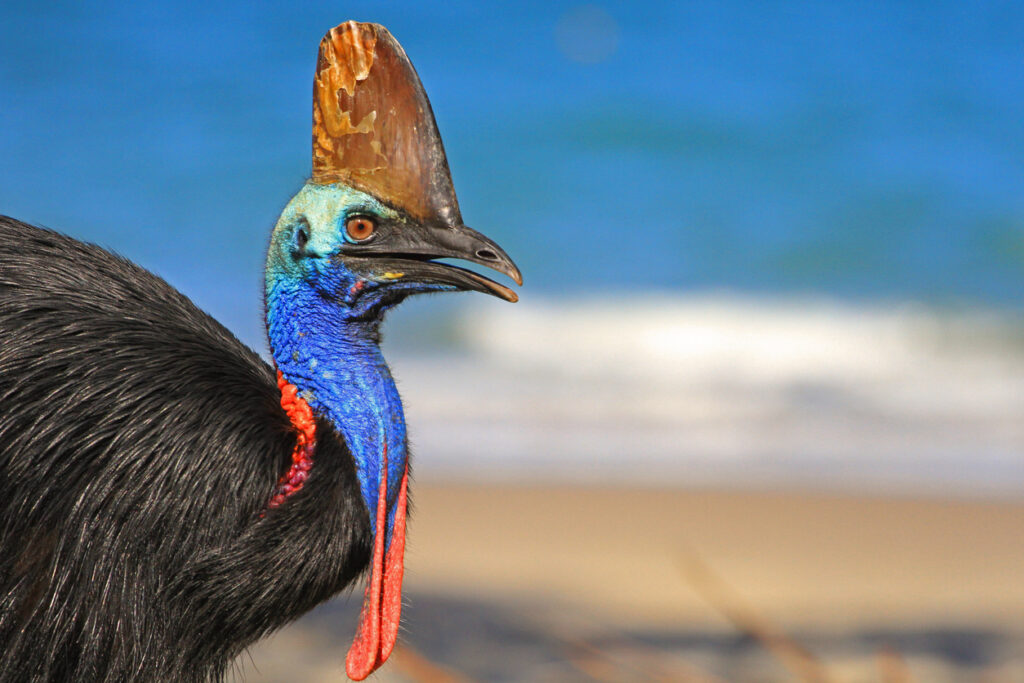
But the cassowary is a completely different beast. Looking like a prehistoric relic with its bright blue neck and a massive, bony helmet on its head, this flightless bird is a living reminder that modern birds are essentially just feathered dinosaurs. It is a creature that demands a massive amount of respect, and if you’re lucky enough to spot one in the wild, the general rule is to keep a healthy distance.
What makes them so intimidating isn’t just their size or their intense stare; it is the fact that they are built like a high-speed tank. They are incredibly powerful, notoriously territorial, and they possess a set of weapons that can turn a chance encounter into a serious medical emergency in seconds. They don’t just act aggressively for no reason, but when they feel cornered or threatened, they have a way of defending themselves that is unlike any other bird on the planet. Here’s exactly why the cassowary has earned its reputation as the most dangerous bird alive.
Those claws are basically daggers attached to their feet.
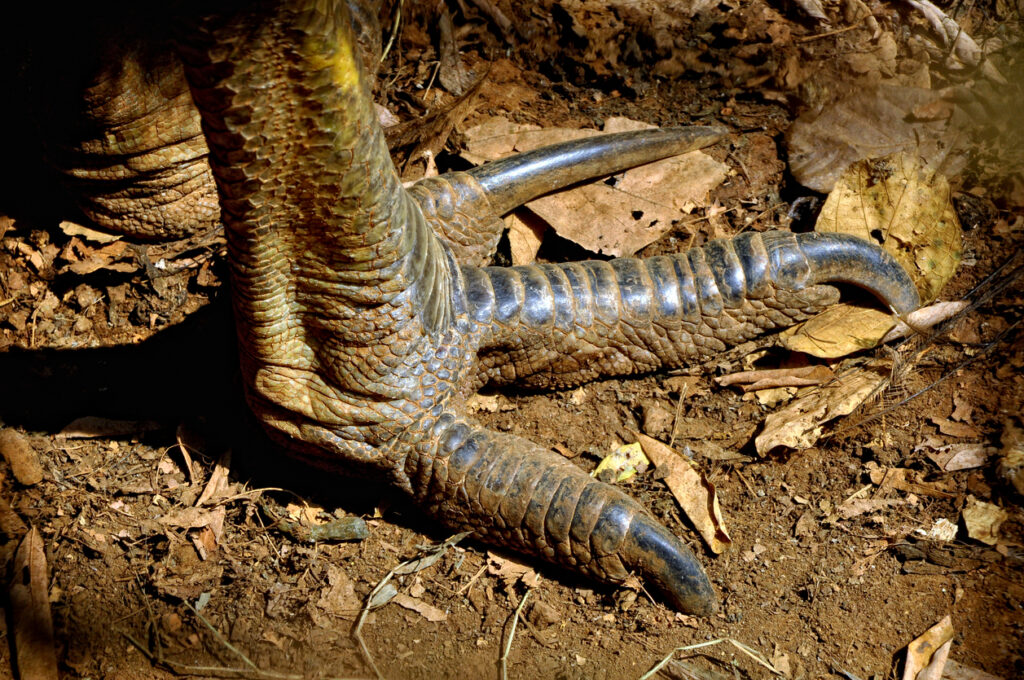
The cassowary’s inner toe sports a claw that can reach 12 centimetres long, and it’s not blunt. This is a sharp, pointed weapon that’s designed for slashing and puncturing, so when the bird kicks, that claw can deliver deep wounds. The other toes have claws too, but it’s this dagger-like inner claw that does the most damage. Scientists often compare them to the claws of velociraptors, which isn’t exactly comforting.
They can run faster than Usain Bolt through dense forest.
Cassowaries can sprint at speeds up to 50 kilometres per hour, and they’re doing this through thick rainforest undergrowth where humans would be stumbling around. Once a cassowary decides to charge, you’re not outrunning it. Their powerful legs propel them at incredible speeds while they navigate obstacles that would slow anyone else down, which means if they want to reach you, they will.
These birds weigh as much as a full-grown man and stand six feet tall.
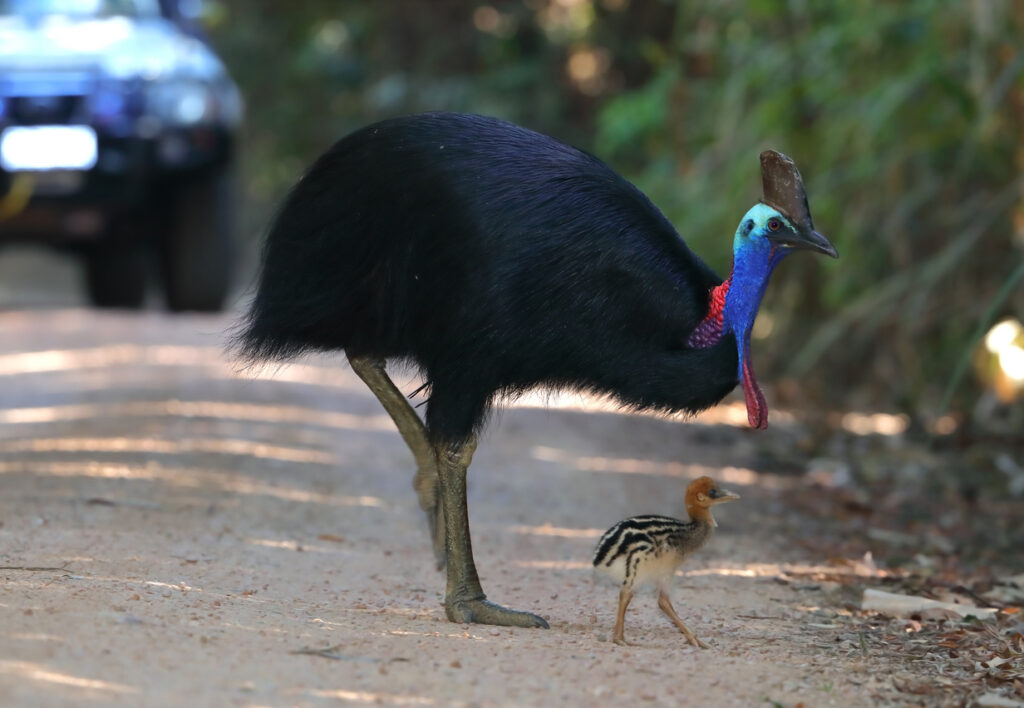
Southern cassowaries can weigh up to 75 kilograms and reach heights of nearly two metres. That’s a massive amount of muscle and bone coming at you at high speed. They’re the second-heaviest bird in the world after ostriches, and unlike smaller aggressive birds, when a cassowary hits you, the sheer mass behind the impact causes serious damage even before you factor in the claws.
They’ve actually killed people, not just injured them.
There are two confirmed human deaths from cassowary attacks. The first happened in 1926 when a teenager in Australia tried to kill a cassowary with a club, fell down, and the bird slashed his jugular vein with its claw. The second occurred in 2019 in Florida, when a 75-year-old man who kept cassowaries as pets fell near their enclosure, and the bird attacked him. He died from his injuries at hospital. Both deaths involved people on the ground, which is when cassowaries are most lethal.
They jump on top of their victims during attacks.
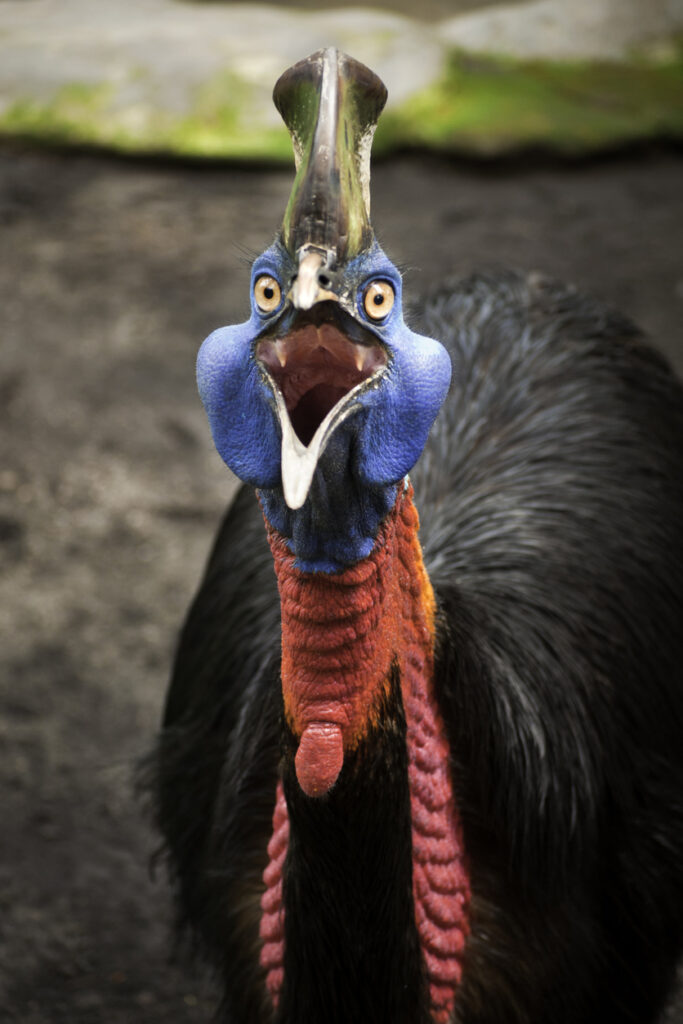
When cassowaries attack, they don’t just kick from ground level. They’re capable of jumping up to 1.5 metres in the air and landing on their target, which puts their full body weight behind those slashing claws. This jumping behaviour has been documented in several serious attacks, and it’s what makes them particularly dangerous compared to other large birds that only strike from a standing position.
Feeding them turns them into aggressive muggers.
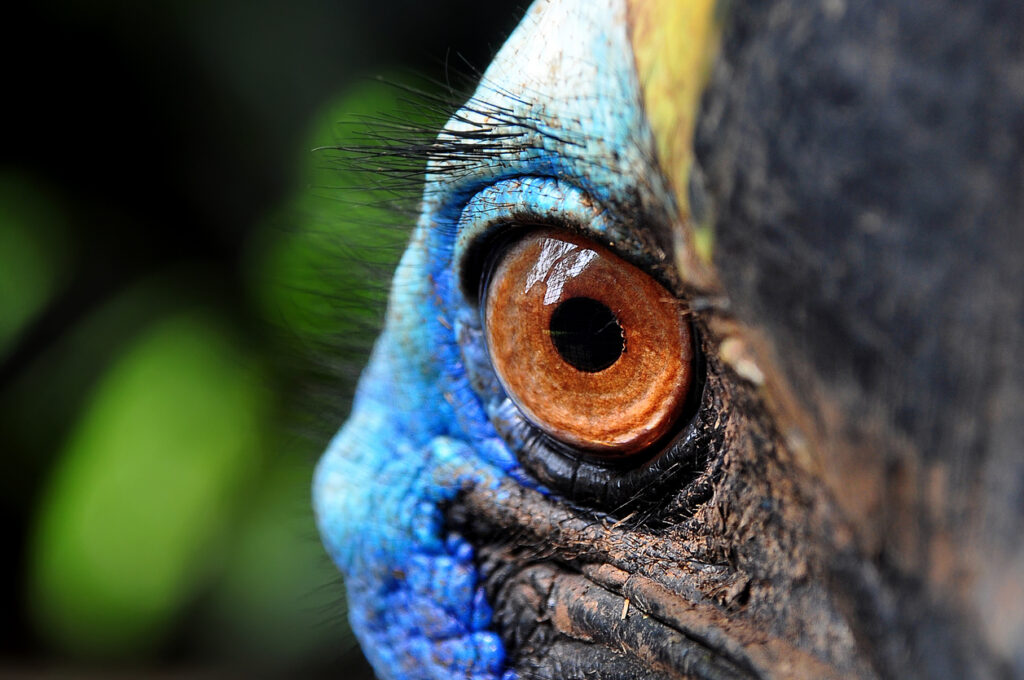
About 200 cassowary attacks happen each year in Australia, and 70% of them occur because humans have been feeding the birds. Once cassowaries associate people with food, they become demanding and will charge at anyone expecting a handout. A study of 221 attacks found that 73% involved birds that were expecting food, so the biggest risk factor is humans creating the problem by teaching cassowaries that people equal meals.
They get extremely territorial during breeding season.
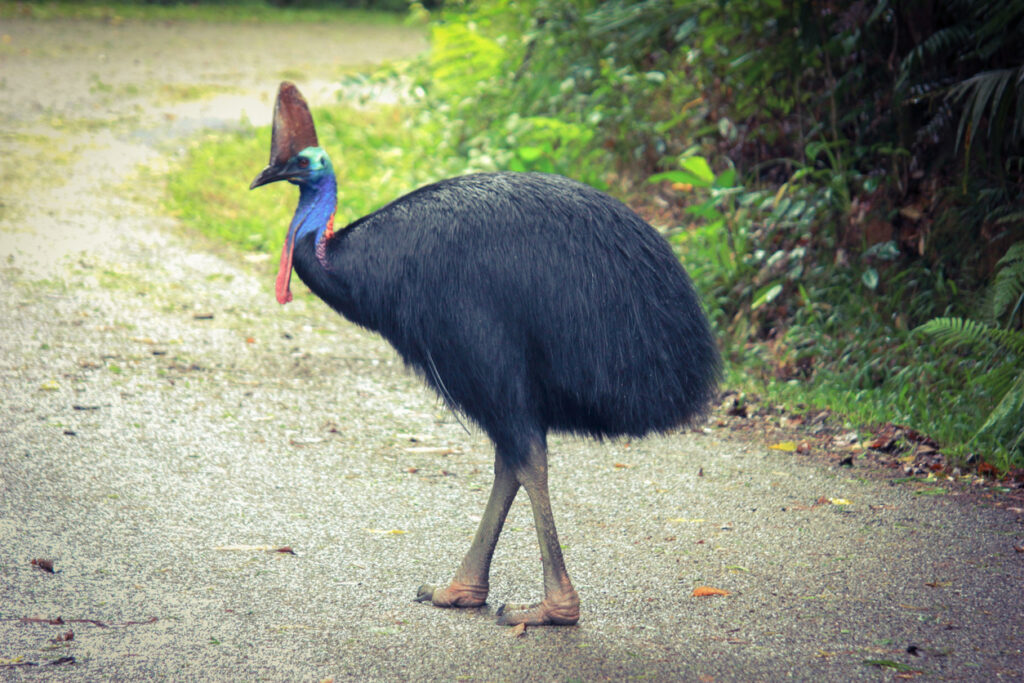
From June to October, male cassowaries are guarding nests and raising chicks, which makes them far more aggressive than usual. During this time, they’ll defend their territory fiercely and see any intrusion as a threat. The normally shy birds become unpredictable and willing to attack anything that comes too close, including humans who accidentally wander into their patch.
Their kicks can break bones and rupture organs.
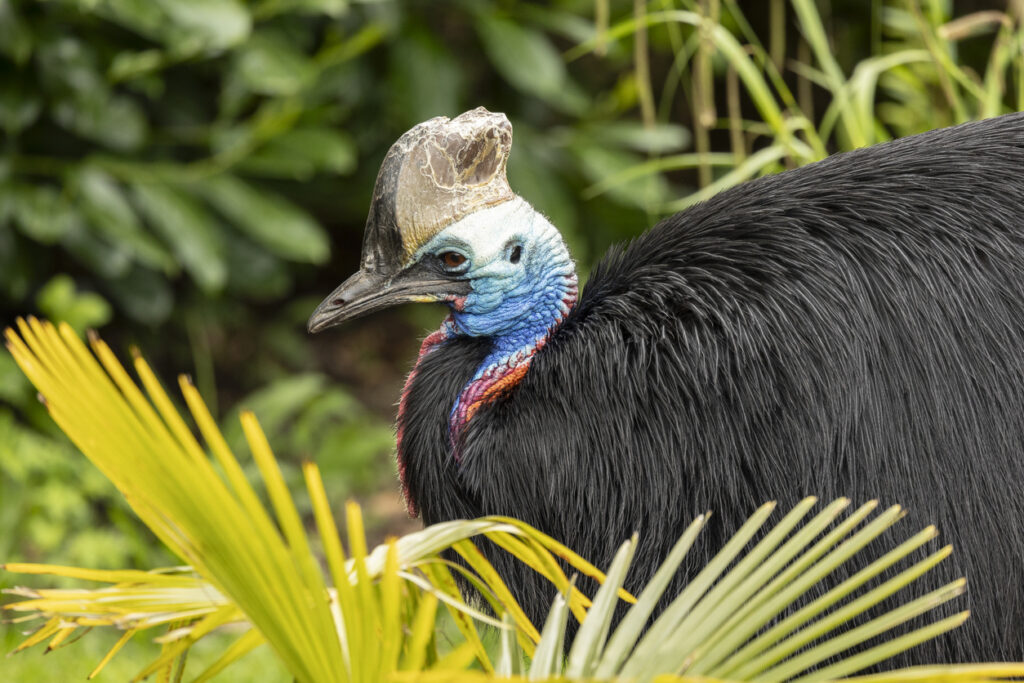
The power behind a cassowary’s kick is extraordinary. They’ve been known to break human bones, cause severe bruising, and in at least one documented case, a dog was kicked in the abdomen so hard that it suffered an intestinal rupture and died. The force of the kick combined with those claws means injuries aren’t superficial scratches but deep puncture wounds, torn flesh, and broken ribs.
They absolutely despise dogs and will kill them.
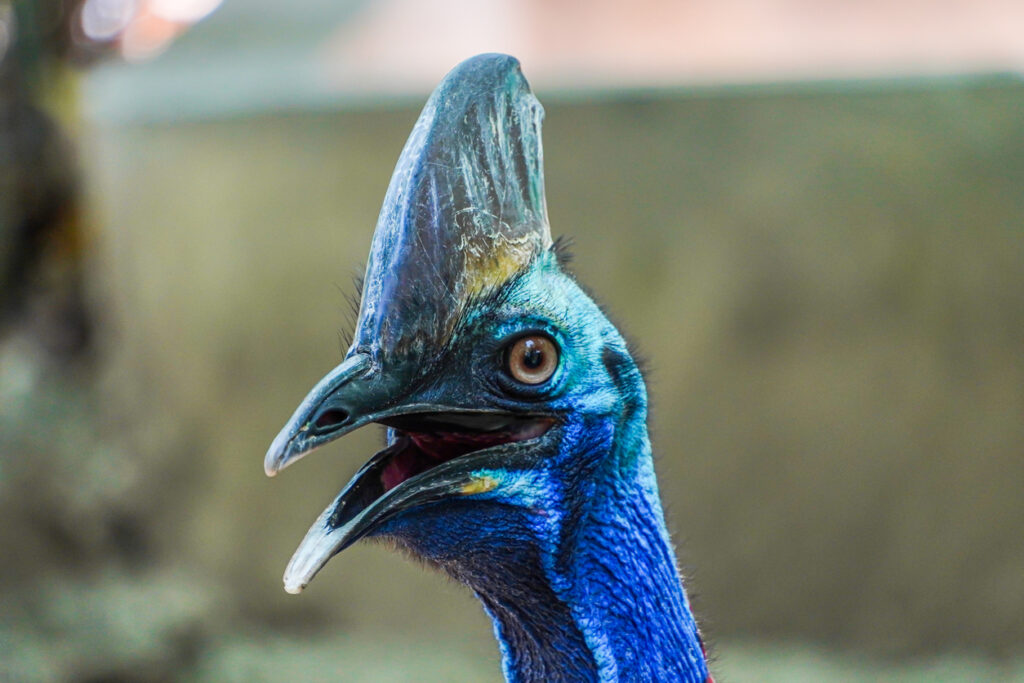
Cassowaries have a particular hatred for dogs, probably because wild dogs and dingoes prey on cassowary chicks. Between June 1996 and February 1997, cassowaries killed six dogs in the Cairns area alone. Of 35 recorded cassowary attacks on dogs, the birds kicked them with such force that many died quickly from lacerations and puncture wounds. If you’re in cassowary territory with a dog, you’re putting both yourself and your pet at serious risk.
They can deliver injuries in multiple ways, not just kicking.
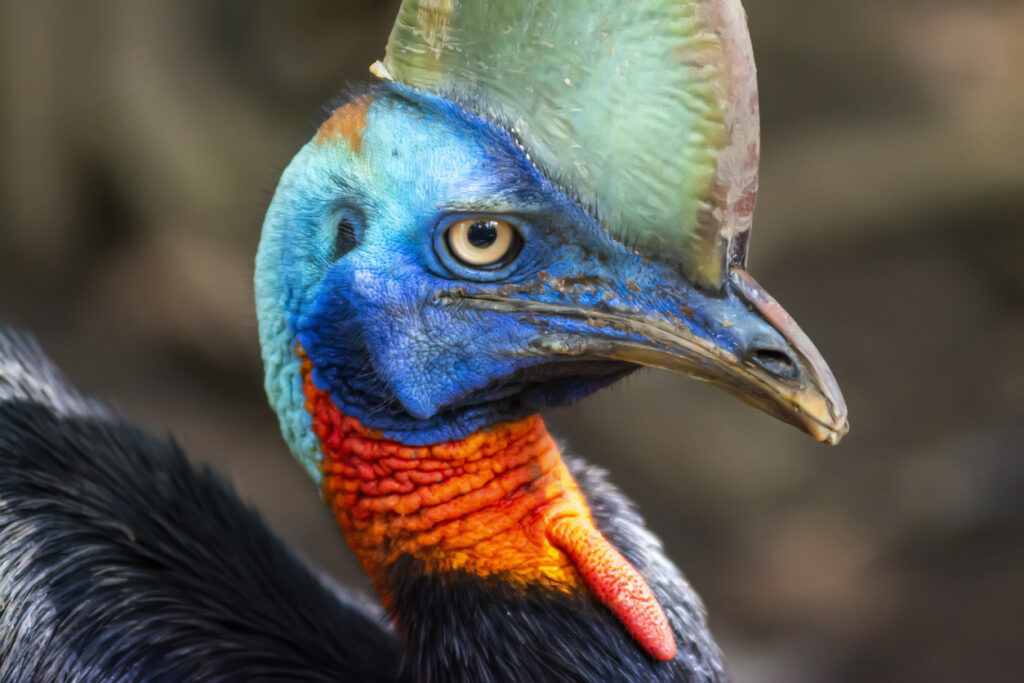
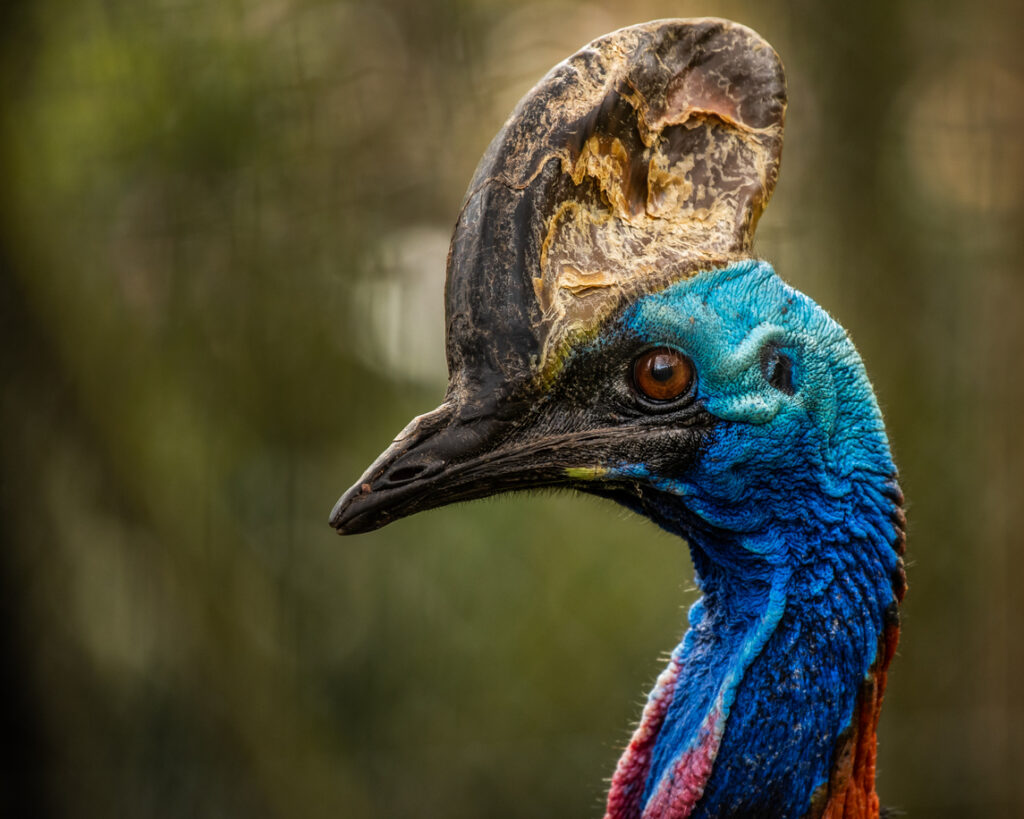
Beyond the famous claws, cassowaries will also peck with their sharp beaks, headbutt with the hard casque on their skull, and barge into people with their substantial body weight. They kick forwards and downwards rather than just backwards, which gives them better aim. When you’re dealing with a cassowary attack, you’re facing a bird that has multiple weapons and knows how to use all of them effectively.