Shallow water feels safe because you can see the bottom, touch the sand, and stand up if you need to.
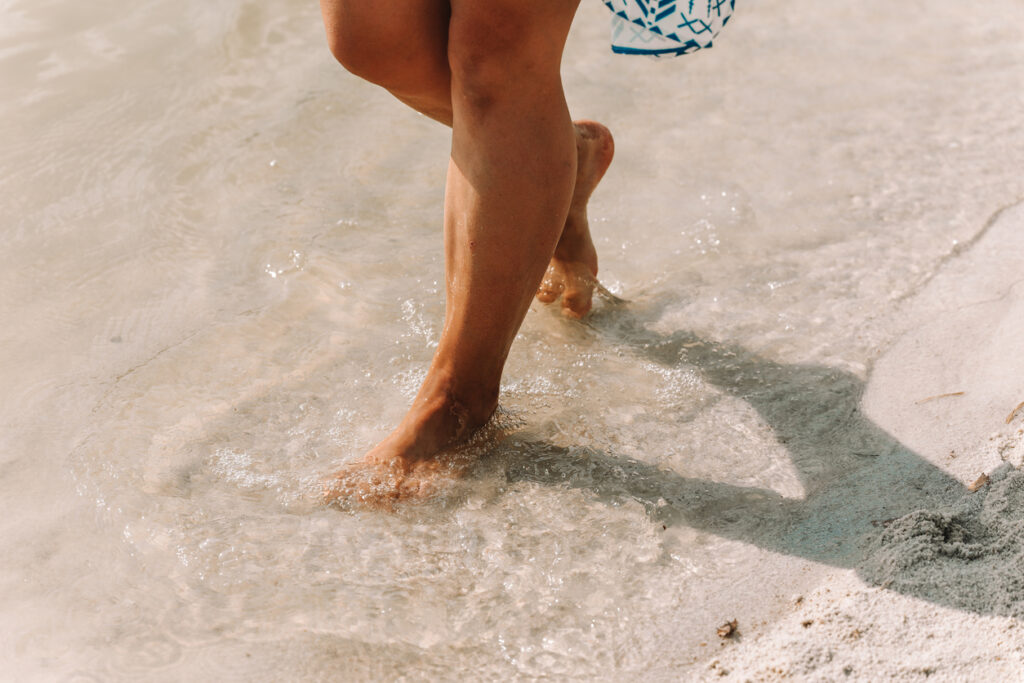
That sense of control is mostly an illusion. Some of the most dangerous creatures on Earth prefer water you can wade through, and they rely on that false sense of safety to stay unnoticed. When we’re only ankle-deep, we tend to let our guard down, assuming that anything truly threatening would need a lot more room to move. The reality is that for many predators and venomous species, the shallows are a prime hunting ground or a perfect place to hide in plain sight. Here are some of the creatures that deserve our respect—and our distance.
1. Box jellyfish
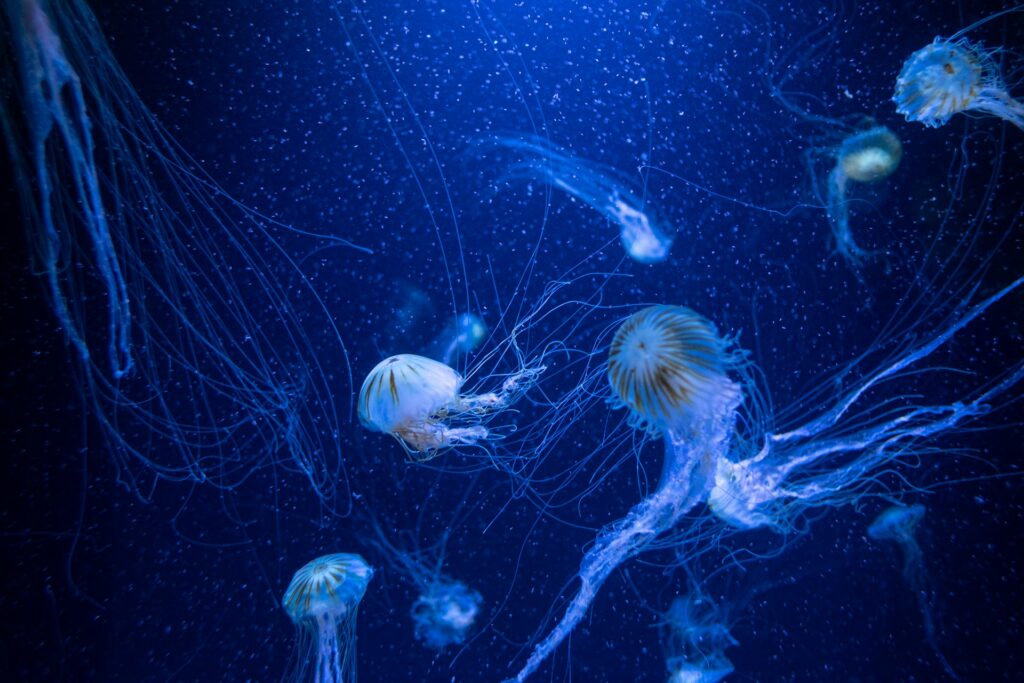
Box jellyfish don’t just drift far offshore like people imagine. They’re active swimmers that often hunt in shallow coastal waters, especially near popular beaches and estuaries. Their bodies and tentacles are almost entirely transparent, which makes them nearly invisible in clear water. You could be wading through what looks like an empty, pristine patch of ocean and still be seconds away from a nasty encounter.
Their venom is incredibly fast-acting and can shut down the heart or nervous system in just a few minutes. What makes them especially dangerous is how little warning you get; there’s no dorsal fin or splashing to alert you. You don’t need to be in deep water to be at serious risk. In certain parts of the world, just stepping into the surf during the wrong season is enough to put you in harm’s way.
2. Stonefish

Stonefish don’t chase or stalk their prey. They’re masters of disguise that sit perfectly still, blending into sand, rock, and coral so well that most people would step right on them without ever knowing they were there. They look exactly like an encrusted stone, which is where the trouble starts. When pressure is applied to their back, venomous spines drive straight into the foot.
The sting from a stonefish is often described as one of the most painful experiences a human can have, and it can even be fatal if not treated quickly. Shallow reef flats and coastal shallows are exactly where these fish thrive, making a casual paddle across the rocks far more risky than it looks. It’s a perfect example of why you should never trust a “rock” in tropical waters.
3. Stingrays
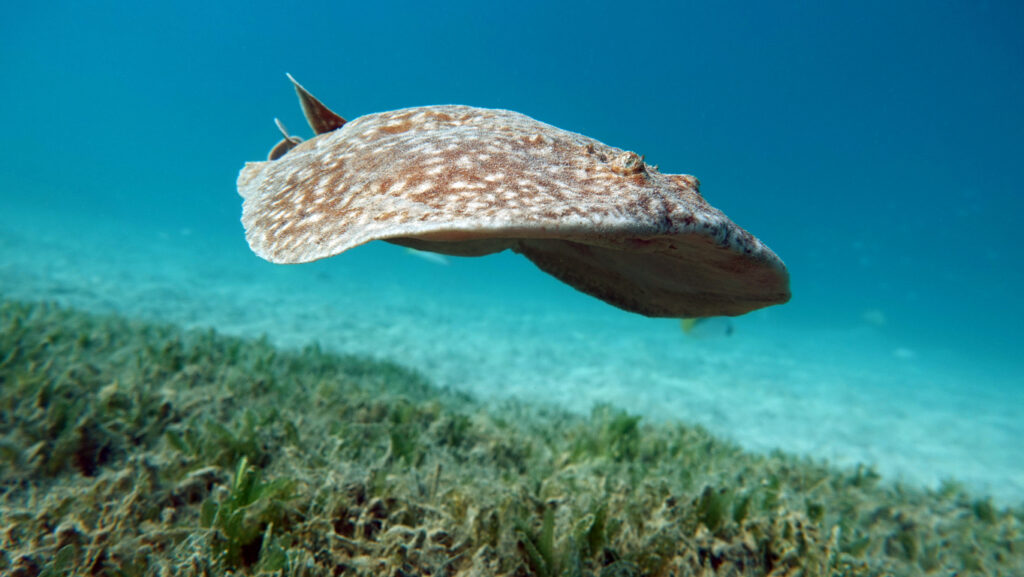
Stingrays are generally calm, shy animals that spend much of their time partially buried in the sand in knee-deep water. They’re not looking for a fight, but they have a very effective way of defending themselves if they feel trapped. If you accidentally step on the disc of a ray, it triggers a defensive tail strike that can drive a jagged, venomous barb into your leg.
Most injuries happen because people simply don’t see them. The ray is just trying to stay hidden from its own predators, but its choice of hiding spot often overlaps with where we like to walk. That sharp barb can cause deep wounds and serious bleeding. It’s the reason many coastal locals use the “stingray shuffle,” sliding their feet along the bottom to give the rays a chance to swim away before being stepped on.
4. Saltwater crocodiles
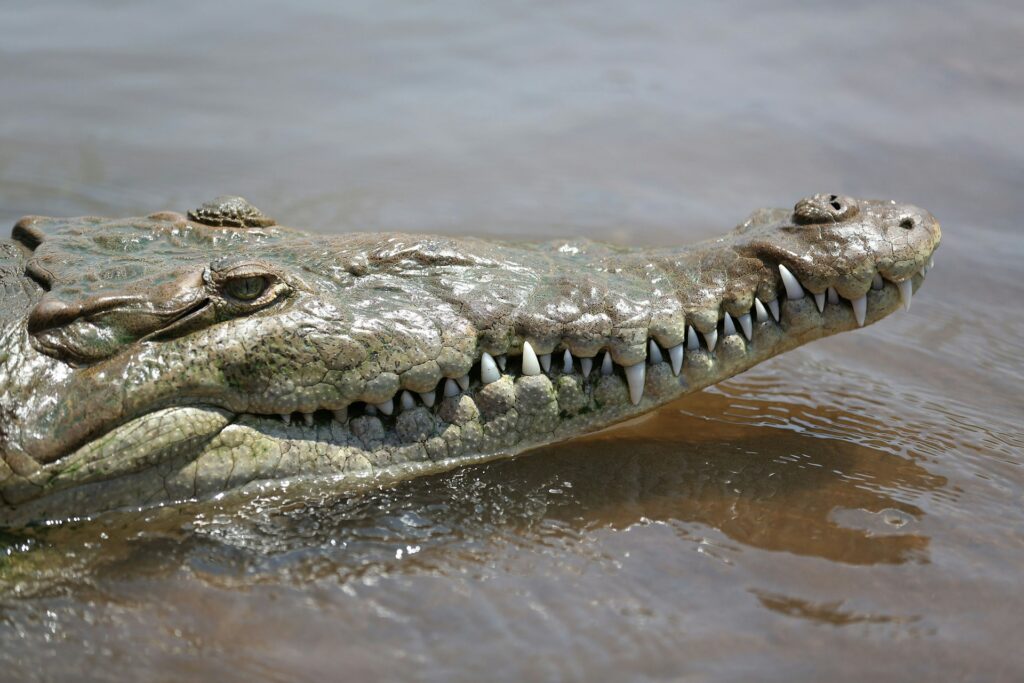
Saltwater crocodiles don’t need deep water to be deadly. They’re incredibly versatile predators that regularly hunt in mangroves, river mouths, tidal flats, and shallow coastal zones where the water is often murky. They’re not just sitting in the middle of the ocean; they’re often right at the water’s edge, waiting for something to come down for a drink or a swim.
Their ability to stay almost entirely submerged with just their eyes and nostrils exposed makes them nearly impossible to spot until they’re already moving. Shallow water is where they feel most comfortable launching an ambush on prey that assumes it’s safe because the water isn’t deep. If you’re in croc country, the shoreline is often the most dangerous place you can be.
5. Cone snails
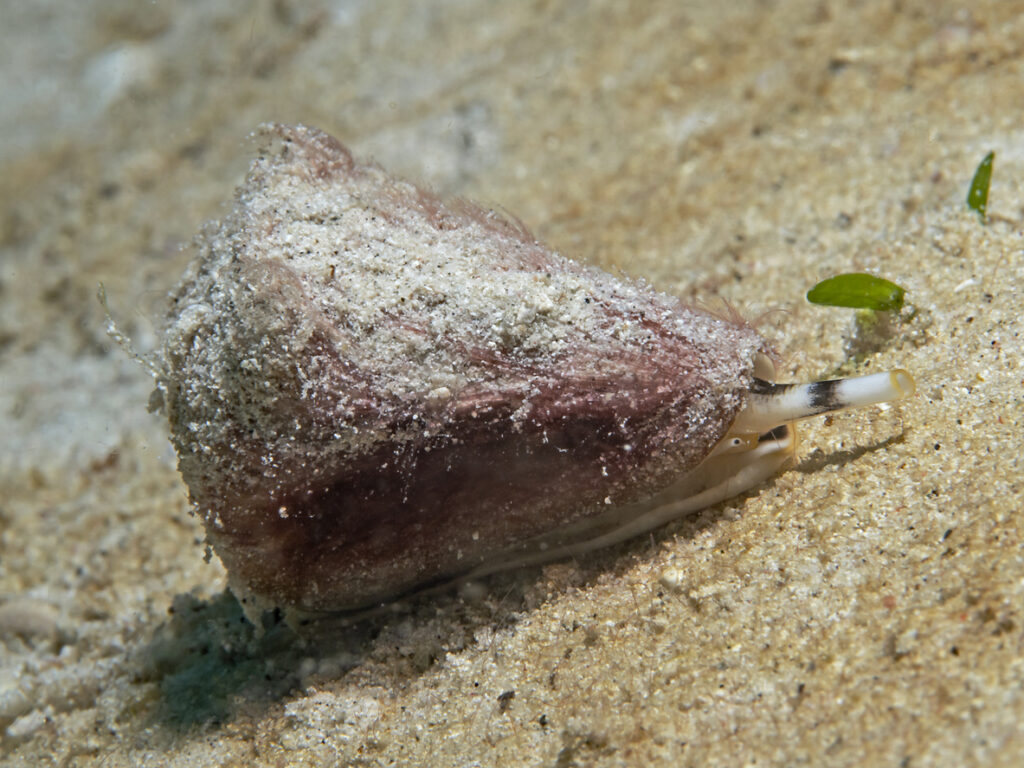
Cone snails look harmless and are often quite beautiful, which is exactly why they’re so dangerous. They’re slow-moving molluscs frequently found in shallow tropical waters where people like to collect shells. To an unsuspecting tourist, a cone snail looks like a prize for the mantelpiece, but inside that shell is a sophisticated predatory tool.
Some species carry a complex cocktail of venom powerful enough to paralyse or kill an adult human. The danger comes entirely from curiosity. Picking one up in ankle-deep water to get a better look can be enough to trigger a sting from their harpoon-like tooth. There is no anti-venom for many of these species, making a simple walk on the beach a lot more high-stakes than you’d think.
6. Blue-ringed octopus
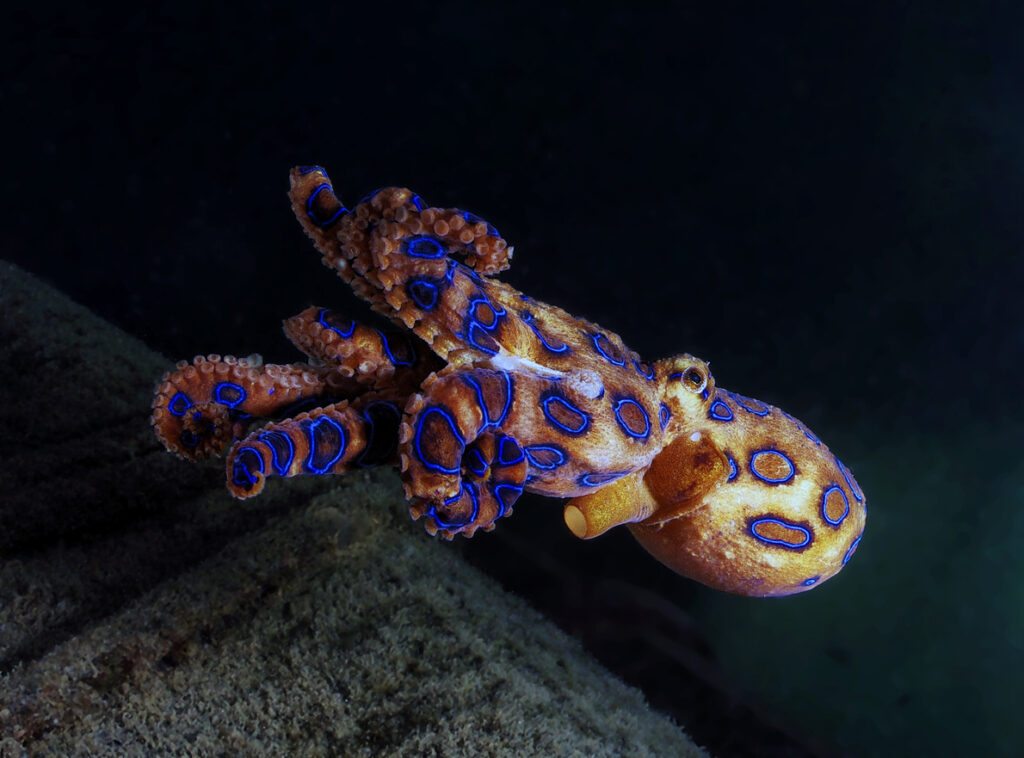
The blue-ringed octopus is tiny, often no bigger than a golf ball, and spends its time hiding in tide pools and shallow reefs. They don’t look threatening at all, and their famous glowing blue rings only appear when they feel provoked or under attack. Most of the time, they just look like a small, brown octopus that’s easy to overlook.
Despite their size, their venom is strong enough to stop a person’s breathing within minutes by causing total muscle paralysis. The real danger is how easily they’re disturbed by people exploring rock pools. Because they’re so small and don’t have a frightening appearance, people often get way too close without realising they’re looking at one of the most toxic animals in the sea.
7. Bull sharks
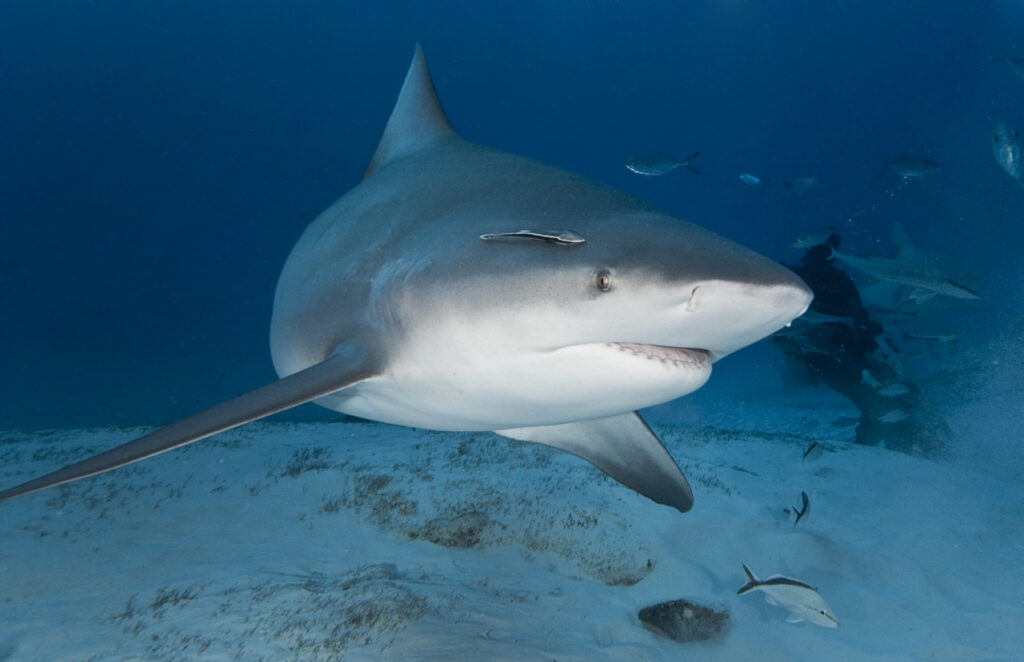
Bull sharks are unique because they can handle freshwater and low-salinity environments just as well as the open ocean. This means they regularly move through shallow coastal waters, rivers, and even estuaries that are miles from the sea. They’re sturdy, aggressive sharks that aren’t put off by shallow or turbid water at all.
Because they hunt in areas where visibility is poor and where people tend to wade or swim, encounters happen much closer to shore than most expect. They don’t need a deep drop-off to feel comfortable; they’re perfectly happy patrolling in just a few feet of water. Shallow water doesn’t discourage them, and it actually gives them an advantage over prey that can’t see them coming through the gloom.
8. Tiger sharks
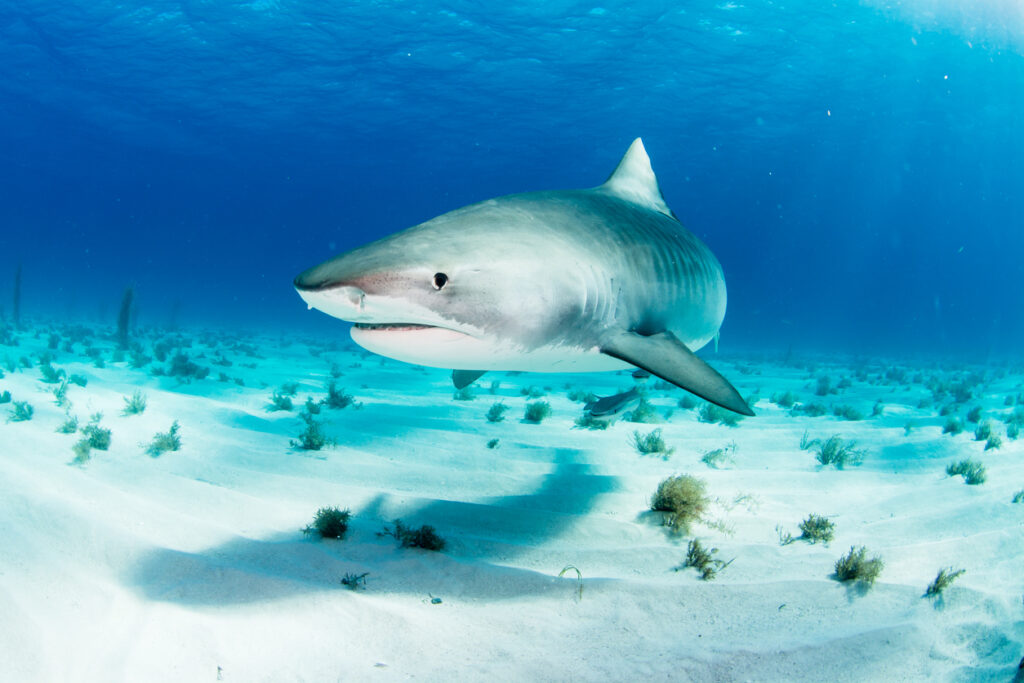
Tiger sharks are highly adaptable and known for being the “rubbish bins” of the ocean because they’ll investigate almost anything as a potential meal. They frequently patrol reef edges, lagoons, and shallow coastal zones, especially at night or during twilight hours. They’re curious feeders and will often swim into very shallow areas to check out unfamiliar movement.
While unprovoked attacks are rare, encounters happen because these shallows are exactly where their natural food sources, like turtles and rays, gather to feed. Depth offers no guarantee of safety when you’re dealing with a large, nomadic predator like this. If there’s food in the shallows, the sharks won’t be far behind.
9. Sea snakes
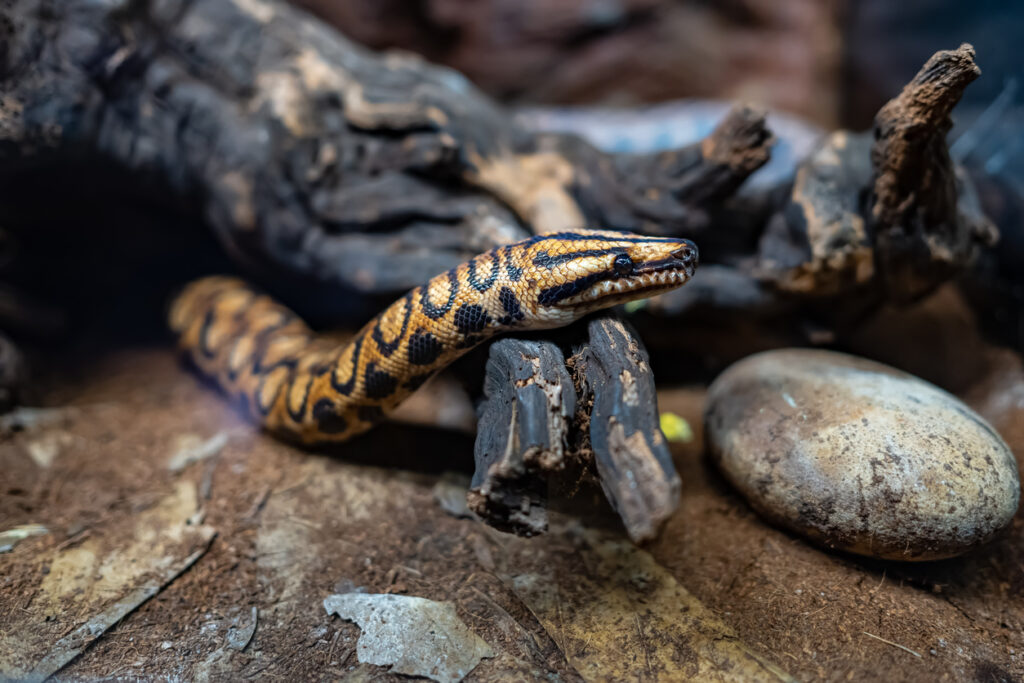
Sea snakes are common sights in shallow reefs and coastal waters across the Indo-Pacific. Many species are highly venomous, possessing a potent neurotoxin used to quickly incapacitate fish. For the most part, they’re pretty chilled out and won’t bother you unless they feel cornered or poked, but their presence in the shallows is still something to be wary of.
The danger usually comes from accidental contact, like a swimmer unknowingly putting a hand down near a snake’s hiding spot, or people mistaking them for harmless eels. In shallow, choppy water, it’s easy to misidentify what’s moving around your ankles. While they have small mouths and aren’t naturally aggressive, a bite in a remote area is a massive medical emergency.
10. Lionfish
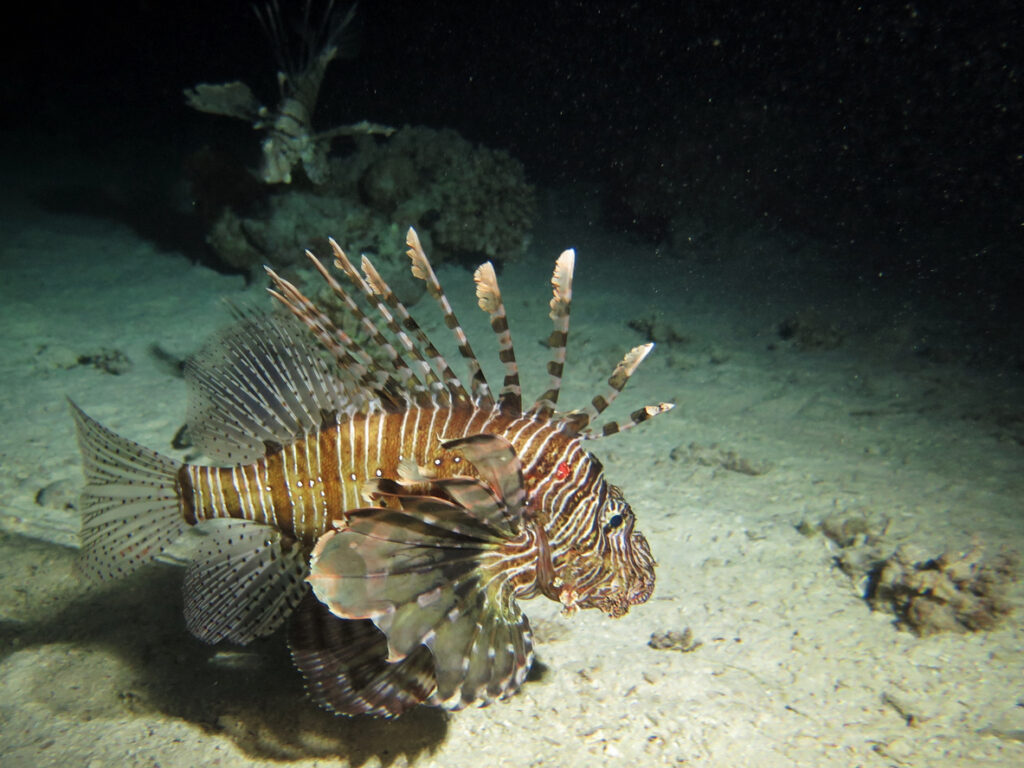
Lionfish are slow, strikingly patterned, and often hover near the shadows of reefs in shallow water. They don’t have the “scary” reputation of a shark, but their long, flowing fins hide a series of venomous spines that can cause intense pain, swelling, and nausea if they puncture the skin. They’re an invasive species in many parts of the world, meaning they’re popping up in places where people don’t expect them.
They don’t chase or threaten people; they mostly just stand their ground. The danger comes from accidental contact while you’re swimming, snorkelling, or reaching into a rocky crevice. Because they’re so bold and don’t swim away when humans approach, it’s very easy to brush against one by mistake while you’re distracted by the rest of the reef.