It’s easy to look at a penguin and think they’ve just been short-changed by evolution, but they haven’t actually lost the ability to fly; they’ve just traded the sky for the water.
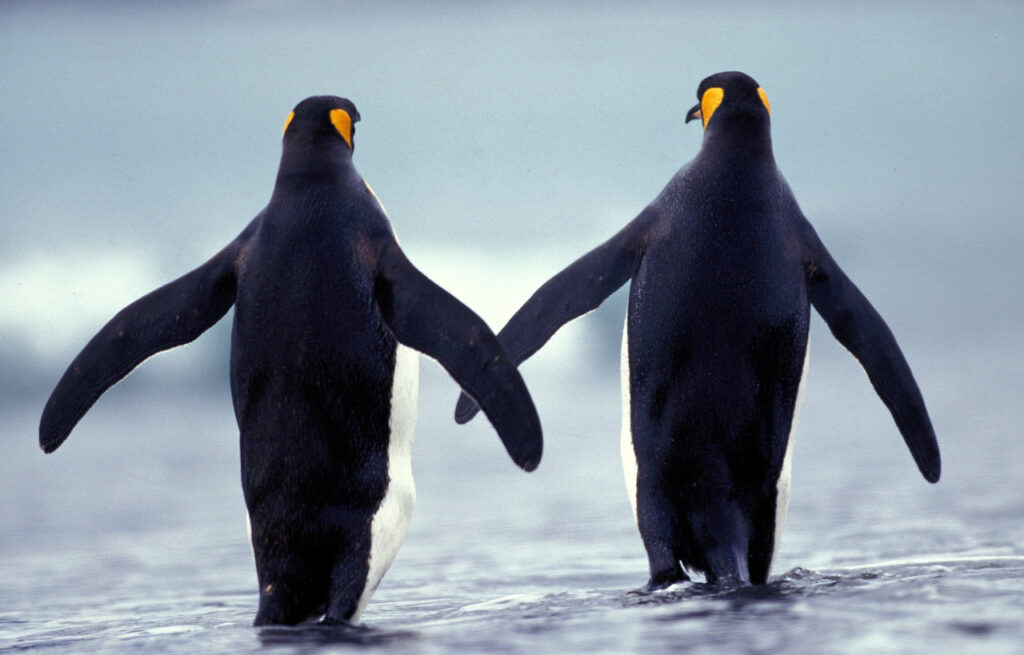
Millions of years ago, their ancestors decided to specialise in diving, and as their wings became better at acting like powerful underwater paddles, they became far too heavy and stiff to ever lift them off the ground. You can’t really have it both ways because the thick, dense bones and short wings needed to “fly” through heavy seawater are the exact opposite of the light, hollow frames you need to stay airborne. They’re basically the ultimate example of a biological trade-off, where being an Olympic-level swimmer meant giving up on the commute.
Their wings turned into flippers.

Penguin wings aren’t built like the wings of flying birds. Instead of long, flexible feathers designed to catch air, their wings are short, stiff, and shaped more like paddles. The bones are flatter and stronger, which helps them slice through water with power and control. In the ocean, those flippers act like underwater propellers. Penguins can twist, turn, and shoot forward with incredible precision. That design makes them brilliant swimmers, but it removes the lightweight structure needed to generate lift in the air.
Their bones are heavier than most birds.
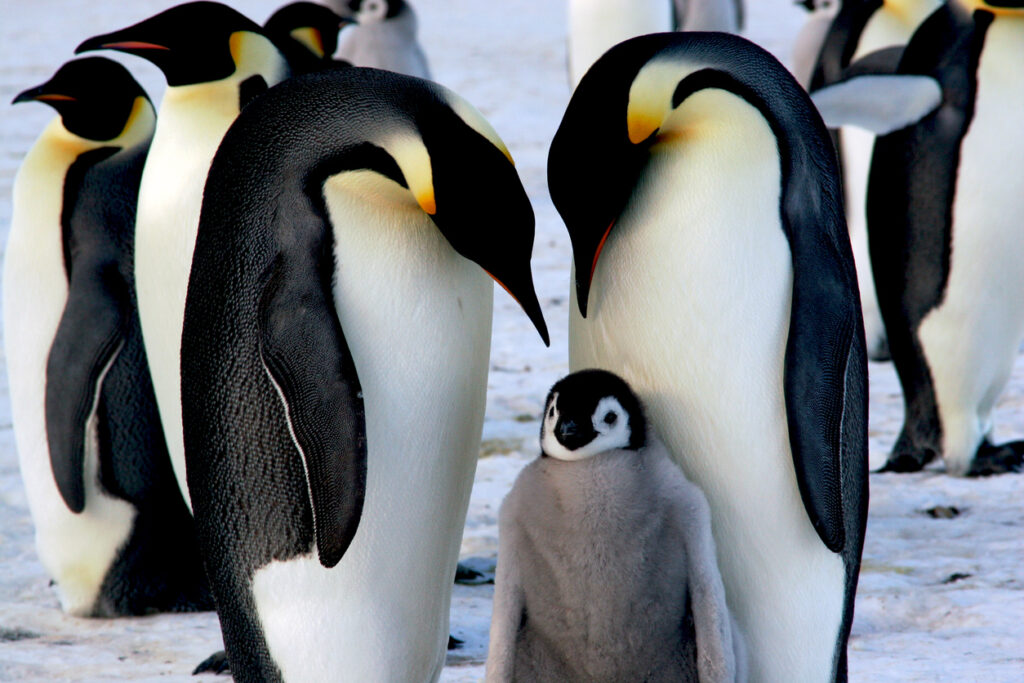
Many flying birds have hollow bones to keep their bodies as light as possible, but penguins don’t. Their bones are denser and more solid, which helps them stay submerged rather than bobbing up to the surface. The extra weight is perfect for diving, especially in rough Antarctic waters. In the sky, though, weight is the enemy. Dense bones make powered flight far more difficult, and in penguins, swimming won the evolutionary trade-off.
Their bodies are built for speed in water, not air.
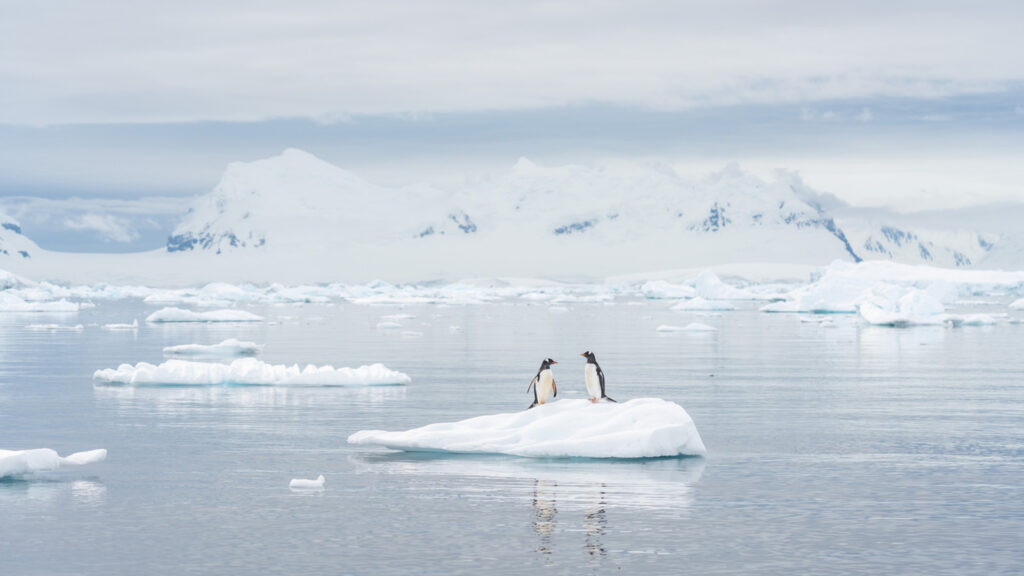
Penguins have streamlined, torpedo-shaped bodies that reduce drag underwater. Their smooth feathers lie tight against the body, creating a sleek surface that allows them to glide efficiently through cold seas. That same compact shape doesn’t generate the lift needed for flight. Flying birds often have broader wingspans and lighter frames to catch air currents. Penguins sacrificed aerial lift for underwater speed.
Their chest muscles evolved for diving power.
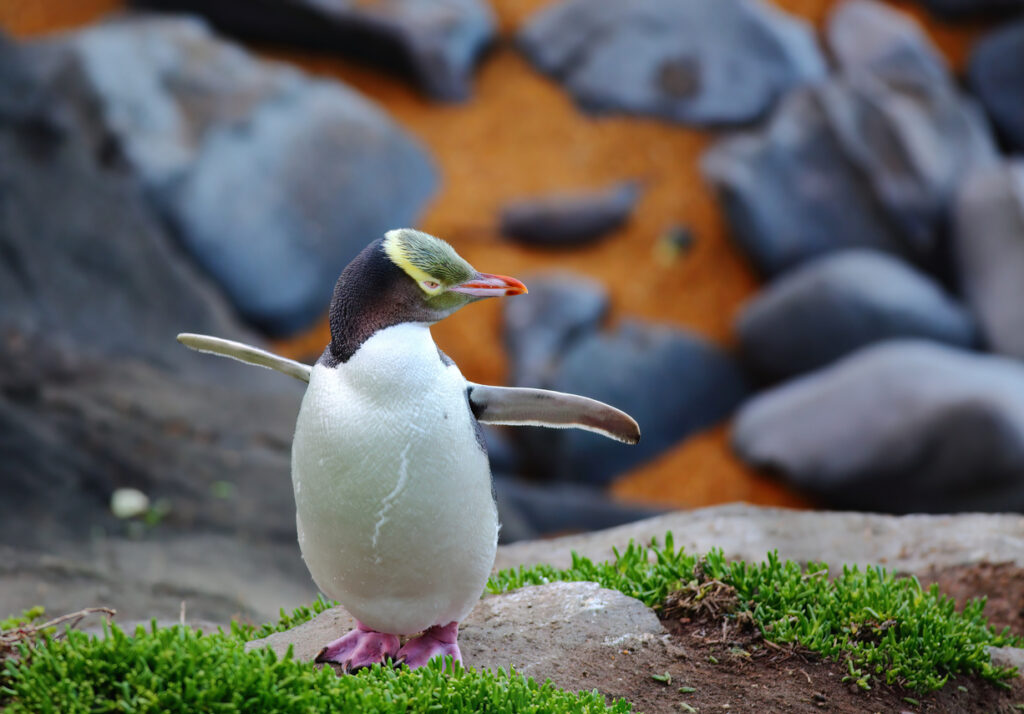
Flying birds rely on strong chest muscles to flap their wings in the air. Penguins also have powerful chest muscles, but theirs are tuned for pushing against dense water, not thin air. Water offers much more resistance than air. To move through it quickly, penguins need serious force. Their muscular build supports powerful underwater strokes, but it’s not matched to the lighter, rhythmic motion required for flight.
They live where flying is less useful than swimming.
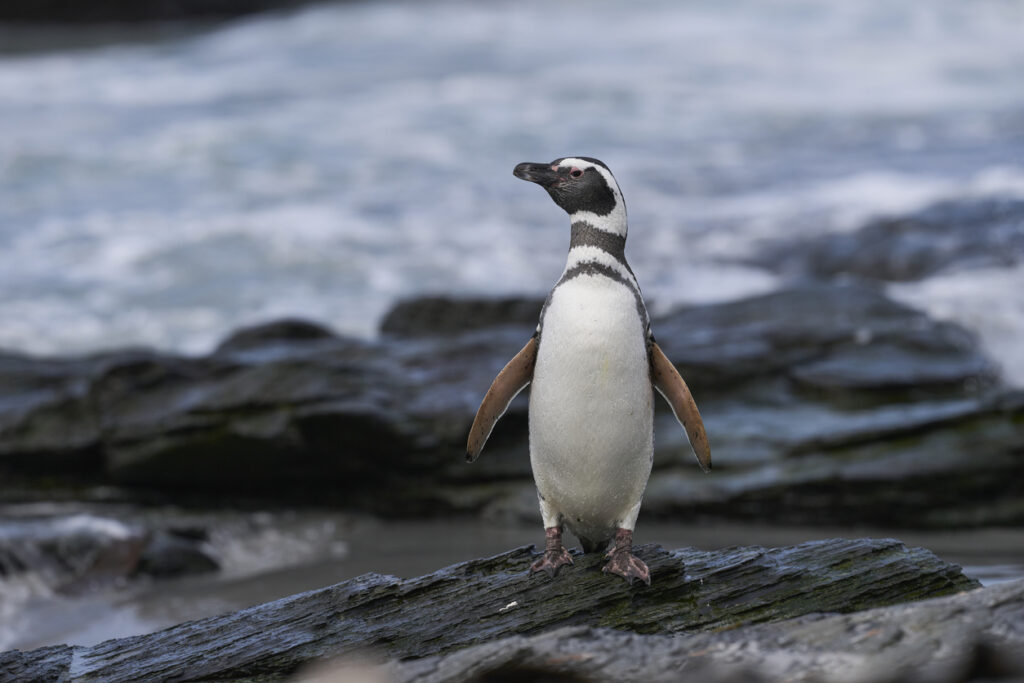
Penguins evolved in regions where food is found in the ocean rather than in trees or fields. For them, survival depends on catching fish, krill, and squid beneath the surface. The ability to dive deep and swim fast matters far more than taking to the sky. In many of the southern environments they inhabit, there are few land predators compared to other continents. That reduced pressure to escape by flying meant evolution could favour swimming specialisation instead.
They traded lift for insulation.
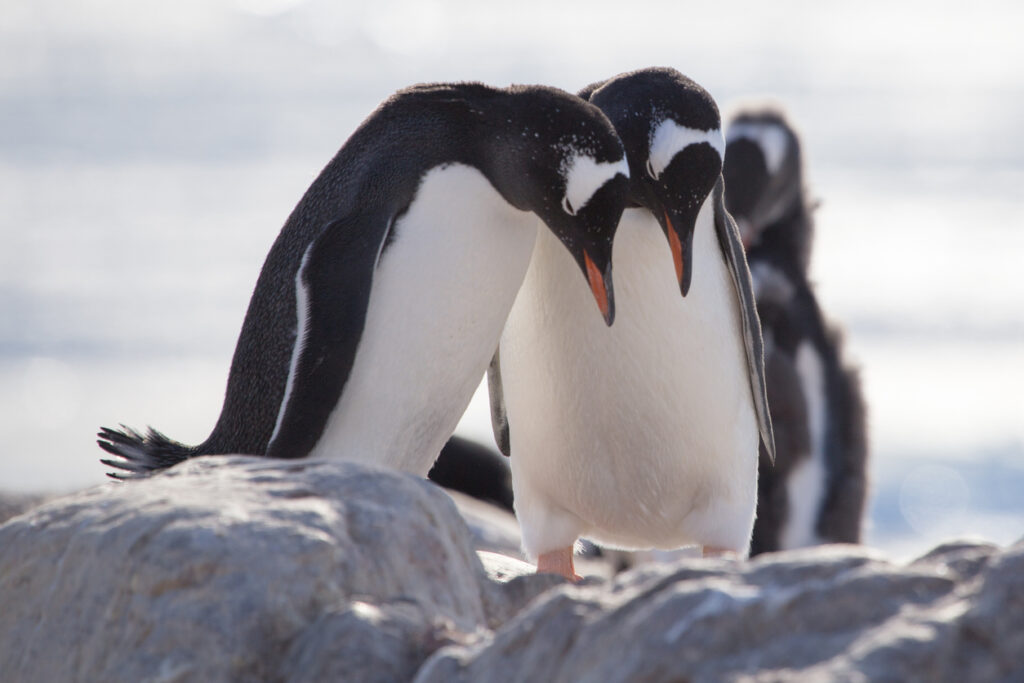
Penguins live in some of the coldest environments on Earth. Their feathers are tightly packed and layered to trap air for insulation. This thick covering keeps them warm in icy water and harsh winds. However, those dense feather layers add weight and reduce the flexibility needed for flight. What keeps them alive in freezing temperatures also makes airborne movement inefficient.
Their wing joints are stiff and limited.
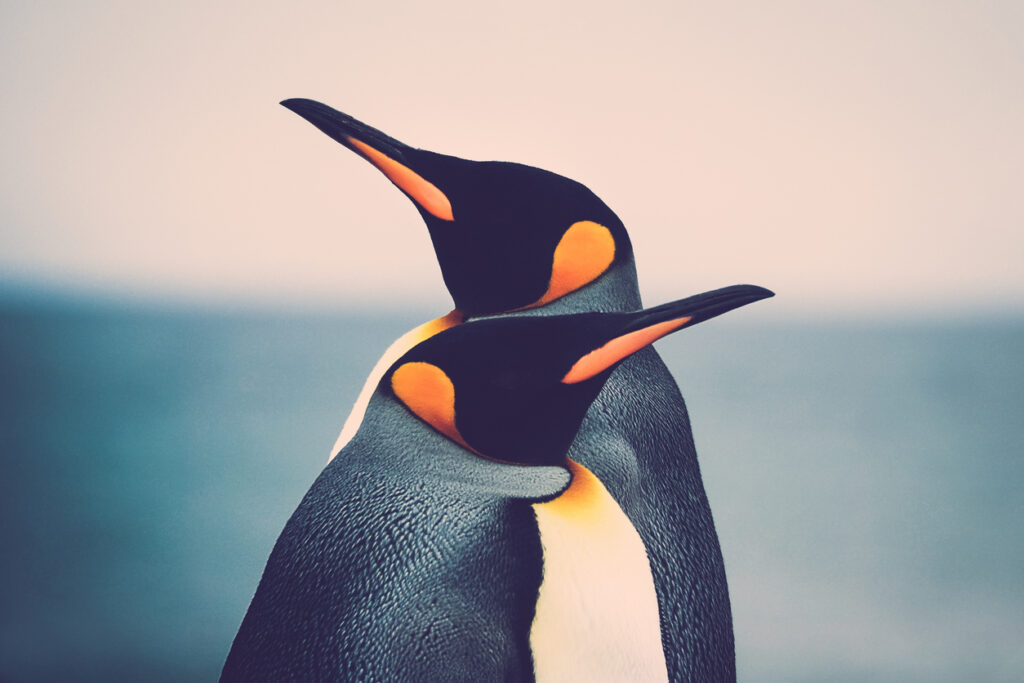
Flying birds rely on flexible wing joints that allow for fine adjustments in angle and shape midair. Penguins have more rigid wing joints, which provide stability when pushing through water. That stiffness is ideal for strong, repeated strokes underwater. In the air, though, flight demands subtle adjustments to maintain balance and lift. Penguins simply aren’t built for that kind of movement anymore.
They dive extremely deep.
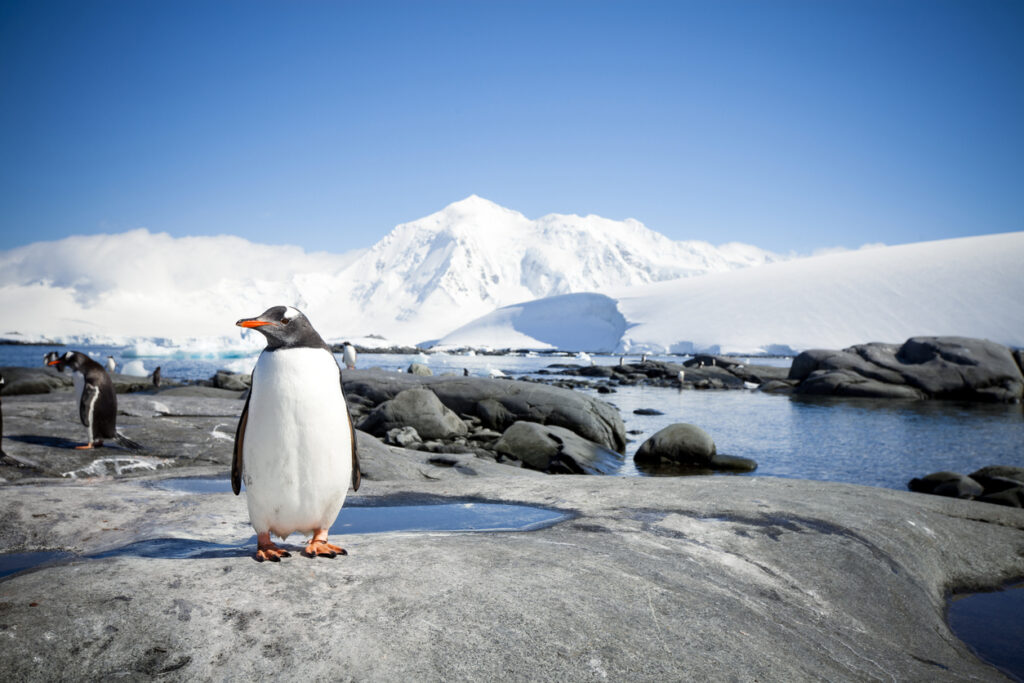
Some penguin species, like the emperor penguin, can dive hundreds of metres below the surface. Reaching those depths requires bodies that can handle pressure and conserve oxygen efficiently. Every adaptation that supports deep diving, from dense bones to powerful flippers, moves them further away from flight capability. Evolution tends to refine what works best for survival, and for penguins, that was diving mastery.
They still use their wings in a different way.
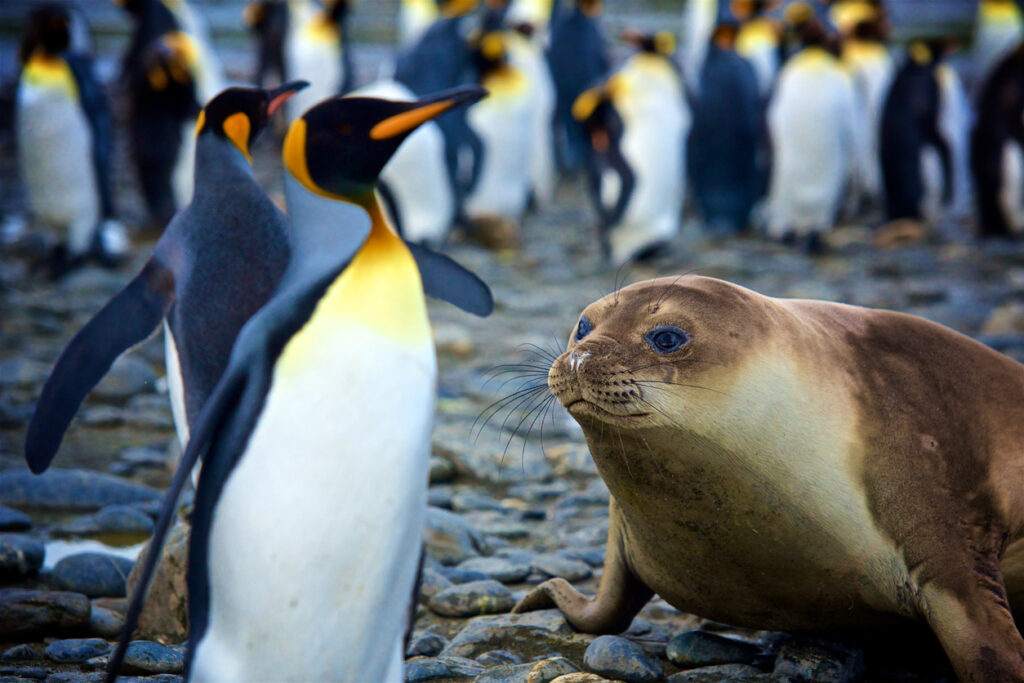
Although penguins can’t fly through the air, they effectively fly underwater. Their wing strokes mirror the flapping motion of airborne birds, just adapted for a different medium. Watching a penguin move beneath the surface shows how graceful they are. In water, they’re agile and fast, far more elegant than they appear on land. They didn’t lose flight entirely. They simply shifted it into the sea.
Evolution is about trade-offs, not failure.
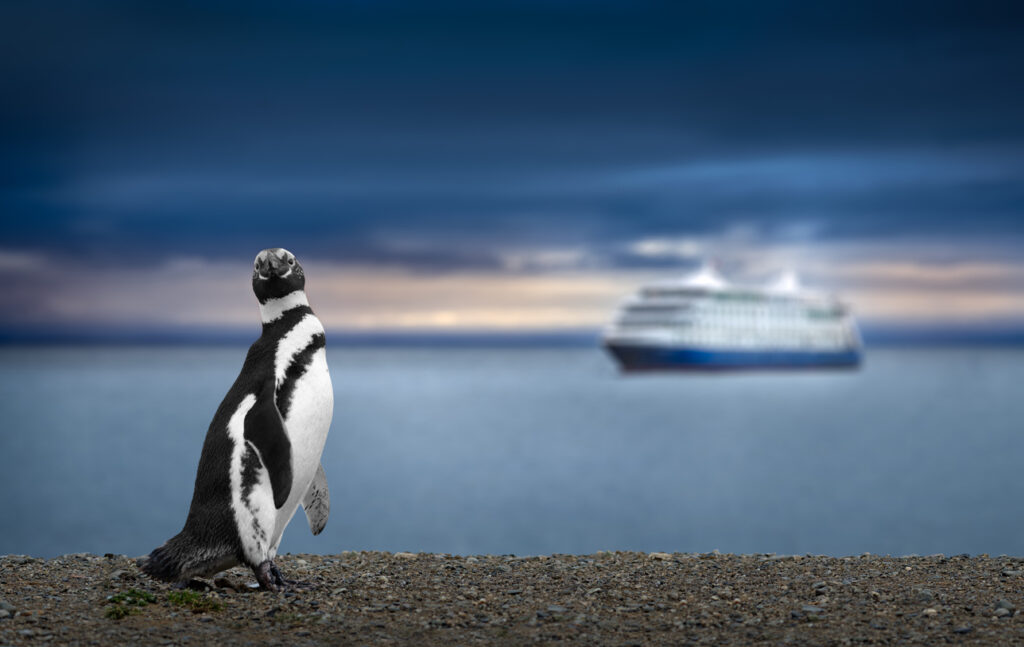
It might seem like penguins gave something up, but evolution doesn’t aim for perfection. It favours what works in a specific environment. For penguins, flying was less valuable than becoming elite swimmers. Over millions of years, natural selection refined their bodies for life in the ocean. The result is a bird that can’t soar above the waves, but can outswim many marine predators below them. In evolutionary terms, that’s not a loss. It’s a specialised success.