When people talk about elephant families, they usually focus on the matriarchs, but the older bulls play a massive part in keeping the younger males in line.

Without a senior bull around to mentor them, adolescent elephants often turn into absolute nightmares, becoming aggressive and destructive because they’ve got no one to show them how to handle their own strength. These older mentors teach the youngsters everything from how to navigate miles of scrubland for water to the complex etiquette of when to stand your ground and when to back off. It’s essentially a years-long apprenticeship in how to be a functioning member of the herd rather than a rogue loose cannon. These are some of the important lessons they learn.
1. How to read and respond to musth correctly
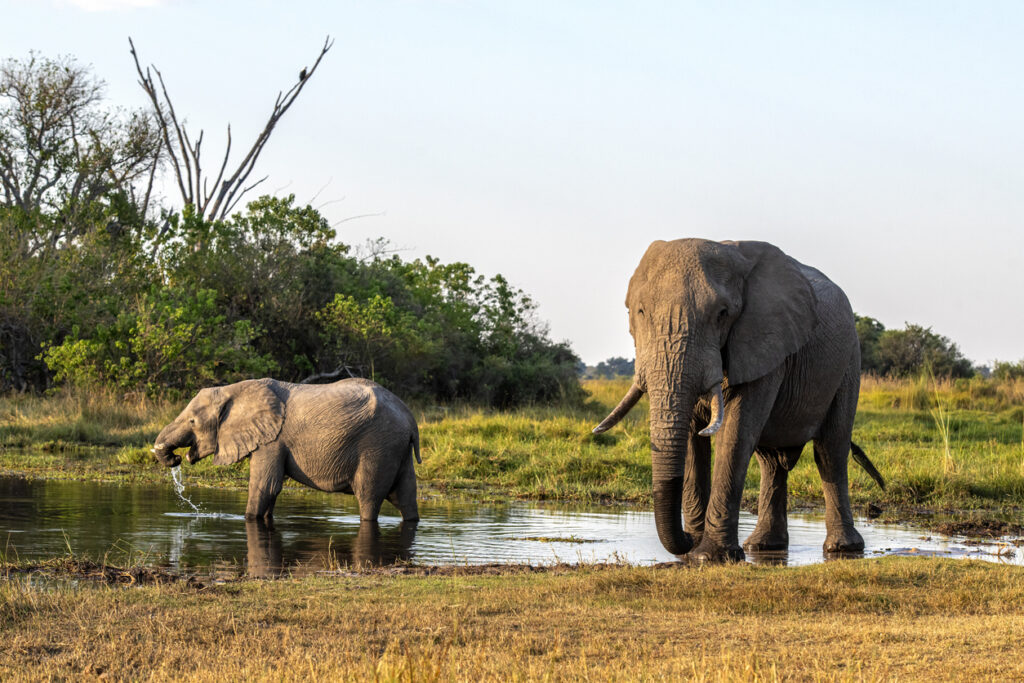
Musth is a state of heightened testosterone and aggression that male elephants go through periodically, and navigating it safely is something young bulls genuinely have to learn. In populations where older bulls are present, younger males learn to back down and defer when a bigger, more experienced bull enters musth, which keeps conflict at manageable levels. Where older males are absent, younger bulls have been observed entering musth earlier, staying in it longer, and behaving far more erratically because there’s nobody around to teach them the appropriate social response.
2. When to fight and when to walk away

Young male elephants are physically capable of fighting long before they have the judgement to know when it’s worth it, and that gap between ability and wisdom can cause serious problems. Older bulls demonstrate through their own behaviour that not every challenge needs a response and that backing down from a much larger male isn’t weakness, it’s sense. Without that influence, young bulls tend to be more aggressive overall, picking fights they can’t win and escalating situations that a more experienced animal would have defused without any drama at all.
3. How to behave around females without causing chaos
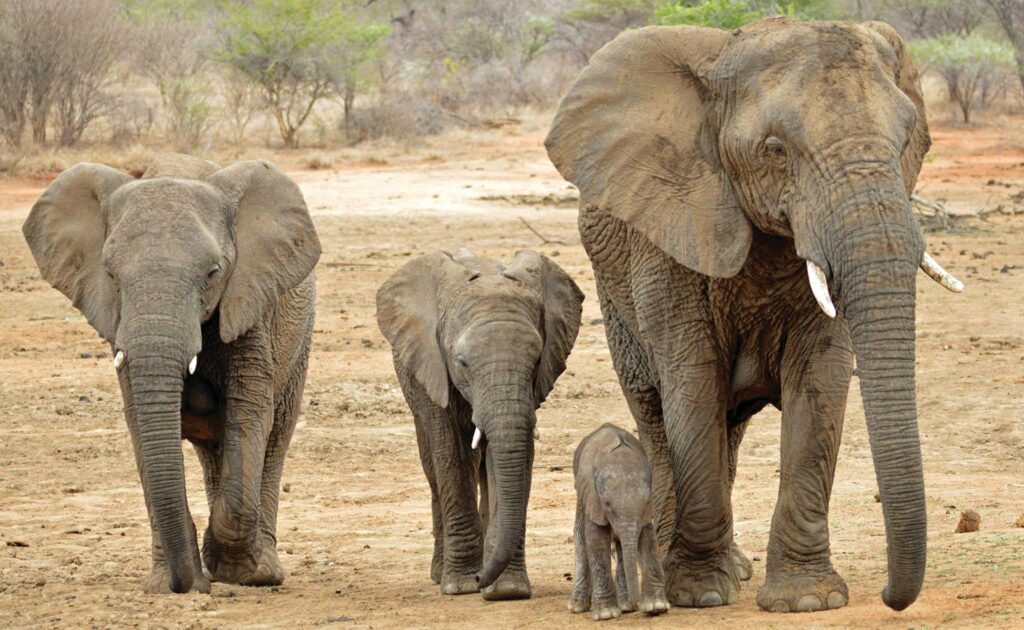
Interacting with female herds requires a level of social awareness that takes time and guidance to develop properly. Older bulls model the kind of measured, appropriate behaviour that allows them to move through and around family groups without causing panic or conflict, and young males learn by watching how that’s done. In reserves where older bulls have been removed or were never present, younger males have sometimes harassed and even attacked female elephants and calves in ways that suggest they simply hadn’t learned the social rules that govern those interactions.
4. The geography of their home range
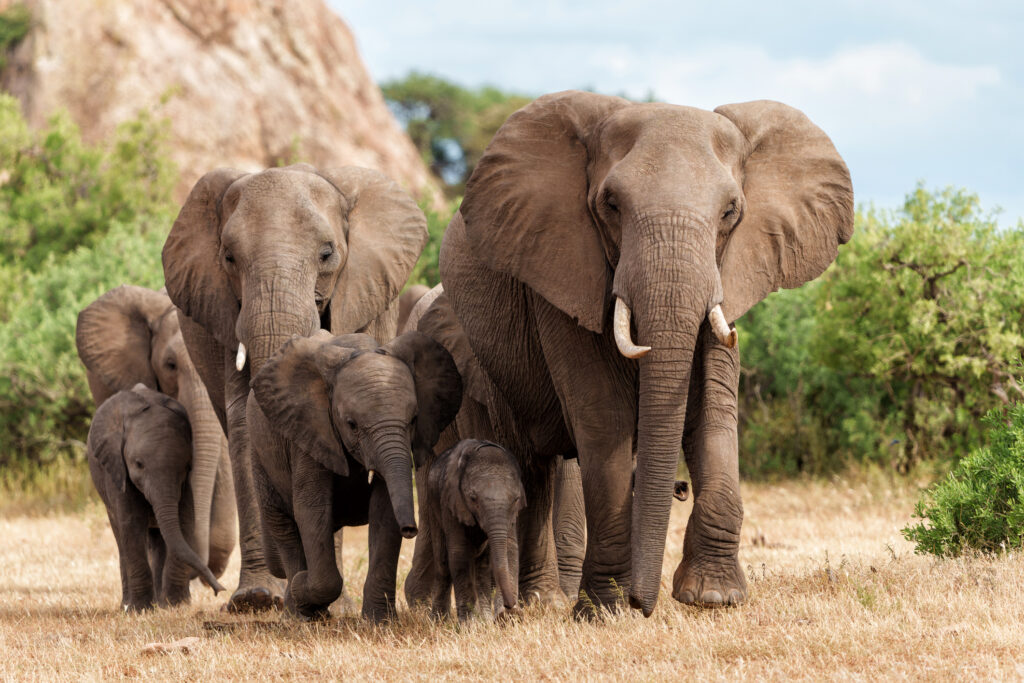
Experienced bulls carry decades of knowledge about the landscape, knowing where water sources are during different seasons, which routes are safe, and where food can be found when conditions are poor. Young males moving with or near older bulls absorb this spatial knowledge gradually, building a mental map of their territory that would take far longer to construct through trial and error alone. This kind of inherited geographical understanding can be genuinely life-saving during droughts or other periods when resources become scarce and the wrong route could mean days without water.
5. How to communicate with other elephants effectively
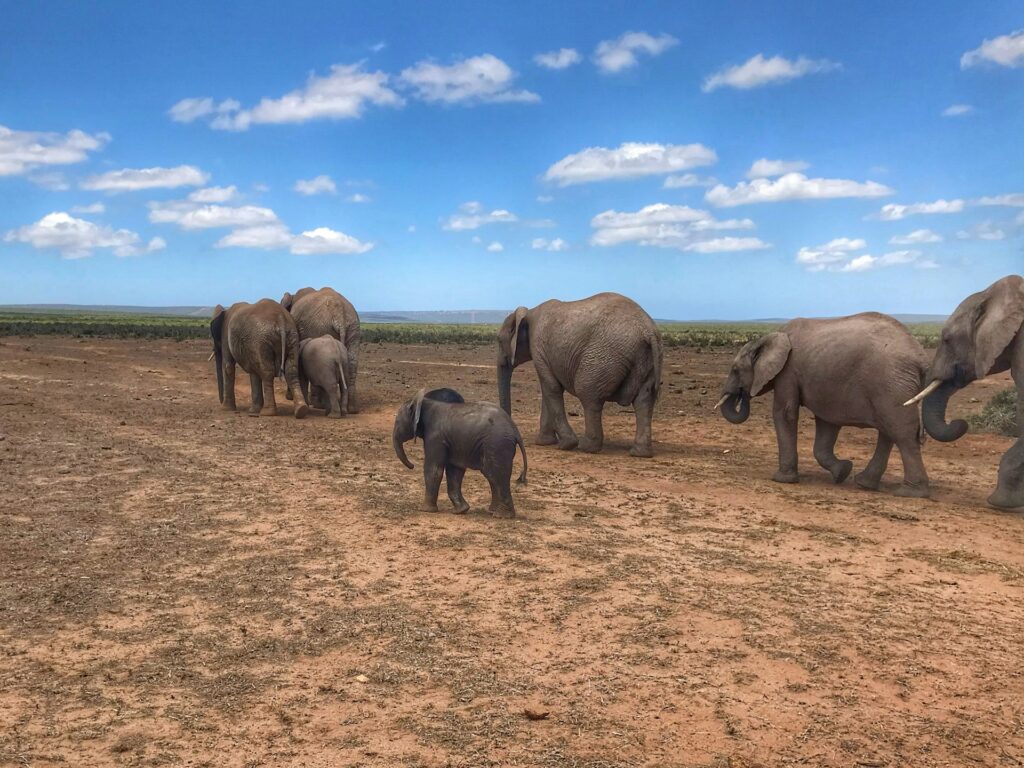
Elephants communicate in extraordinarily sophisticated ways, using a combination of vocalisations, infrasound, body posture, and physical contact, and the full vocabulary of that communication system isn’t something a young bull is born knowing how to use. Older males demonstrate how signals are given and interpreted, what particular postures mean in different contexts, and how to respond to the communications of others in socially appropriate ways. Getting this wrong has real consequences in elephant society, since misread signals between bulls can trigger unnecessary conflict that a more fluent communicator would have avoided.
6. Patience during competition for mates

Young bulls are often impulsive around females and can waste enormous amounts of energy pursuing matings they have no realistic chance of achieving while a dominant bull is present. Older males model the longer game, conserving energy, waiting for the right conditions, and understanding that reproductive success comes with age and status rather than constant frantic effort. It’s a lesson that takes time to sink in, but young bulls that spend time around experienced males tend to develop more strategic behaviour earlier than those that don’t.
7. How to use their size and posture without escalating to violence
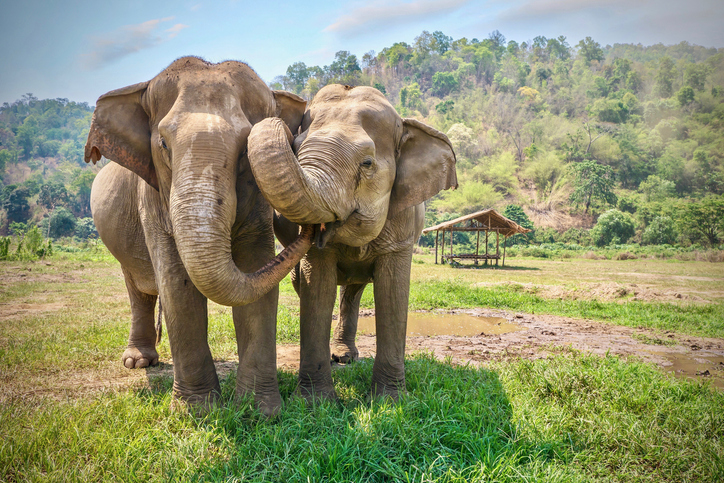
A lot of elephant conflict is resolved through display rather than actual physical contact, and knowing how to make yourself appear as large and confident as possible is a skill that requires practice and observation. Older bulls are masters of the kind of slow, deliberate posturing that communicates dominance without starting a fight, and young males watching that learn the difference between genuine threat and theatrical performance. It’s a crucial distinction because unnecessary physical conflict between large male elephants carries a real risk of serious injury to both parties.
8. The importance of mineral licks and specific feeding sites
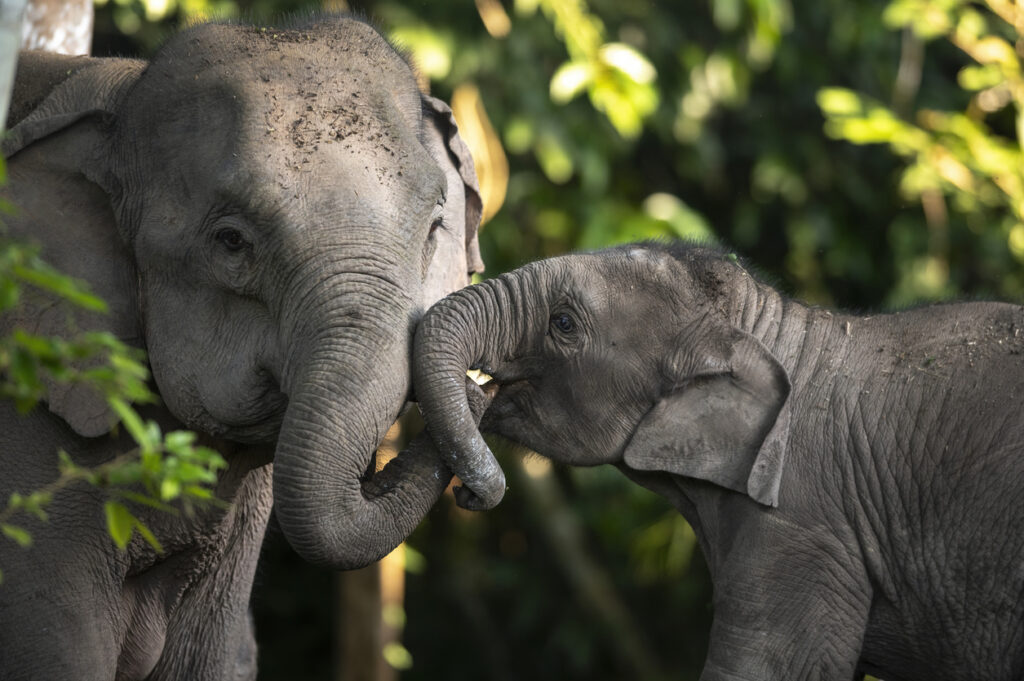
Certain locations are nutritionally important in ways that aren’t obvious from the surface, and experienced bulls know exactly where these places are and when to visit them. Mineral-rich waterholes and specific soil deposits provide nutrients that are hard to source elsewhere, and older males lead younger ones to these spots through their own routine movements. A young bull left entirely to its own devices might never discover some of these sites, or might find them much later in life after missing years of nutritional benefit.
9. How to manage their own stress and arousal levels

Self-regulation is something young male elephants genuinely struggle with, and the presence of calm, socially experienced older bulls has a measurable settling effect on their behaviour. Studies on populations where older bulls were reintroduced after being absent found that rates of aggression in younger males dropped significantly within a relatively short period, suggesting that the older animals were actively modelling and reinforcing calmer behaviour. It’s a form of emotional education that happens through proximity and observation, rather than anything that looks like explicit teaching.
10. That dominance is earned over time, not taken by force

Perhaps the most important lesson older bulls pass on is a social one, that elephant hierarchy is built on age, experience, and accumulated respect rather than just brute strength at any given moment. Young bulls that grow up around older males seem to internalise this more readily, accepting their place in the social order with less friction and building their own status gradually and appropriately as they age. Where that influence is missing, younger males often seem to be operating without a clear social framework, which tends to make them less stable, less predictable, and harder for the rest of the population to live alongside.