Taking on someone else’s dog might seem like a bit of a laugh, but it can quickly turn into a massive headache if you haven’t done your homework.
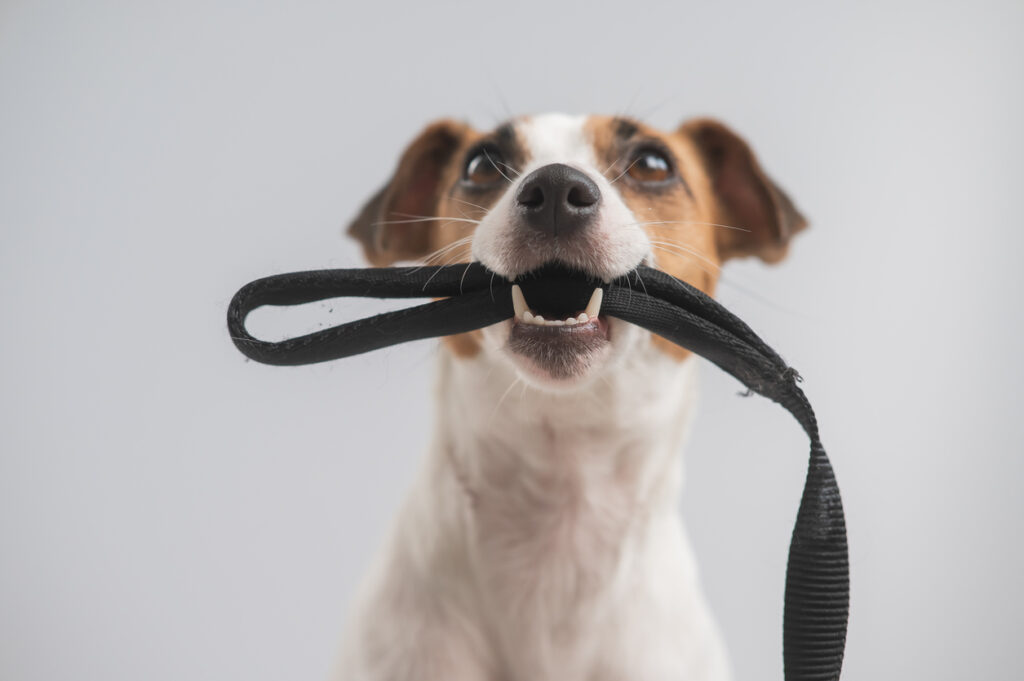
It’s not just down to whether the dog is friendly; you need to know exactly how they’re going to behave the second you step out of the front door. One minute, you’re enjoying a stroll, and the next you’re being dragged across a muddy park because a squirrel ran past, and you didn’t realise the dog has a high prey drive. Getting the full picture before you grab the lead is the only way to make sure you aren’t walking into a situation you can’t handle.
1. Is the dog good with other dogs?
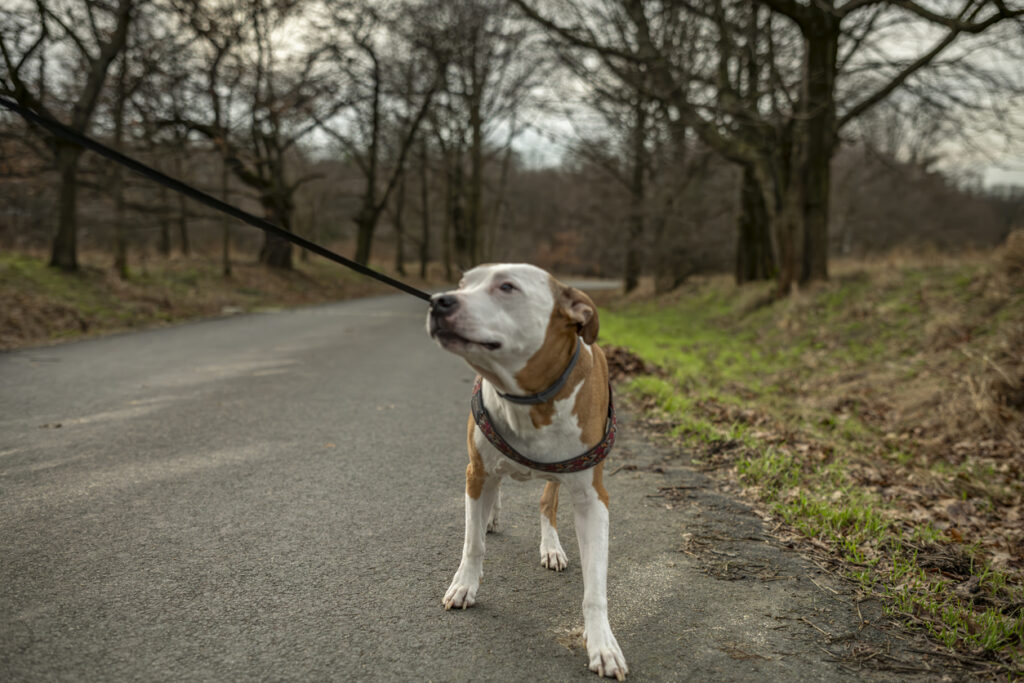
This is probably the most important thing to establish before you take any dog out, especially because an unexpected aggressive reaction toward another dog on the lead can be genuinely frightening and difficult to manage if you’re not prepared for it. Some dogs are selective, fine with most dogs but unpredictable with certain breeds or sizes, and knowing that in advance means you can choose your route and be alert rather than being caught off guard when another dog appears around a corner.
2. How does the dog behave on the lead?
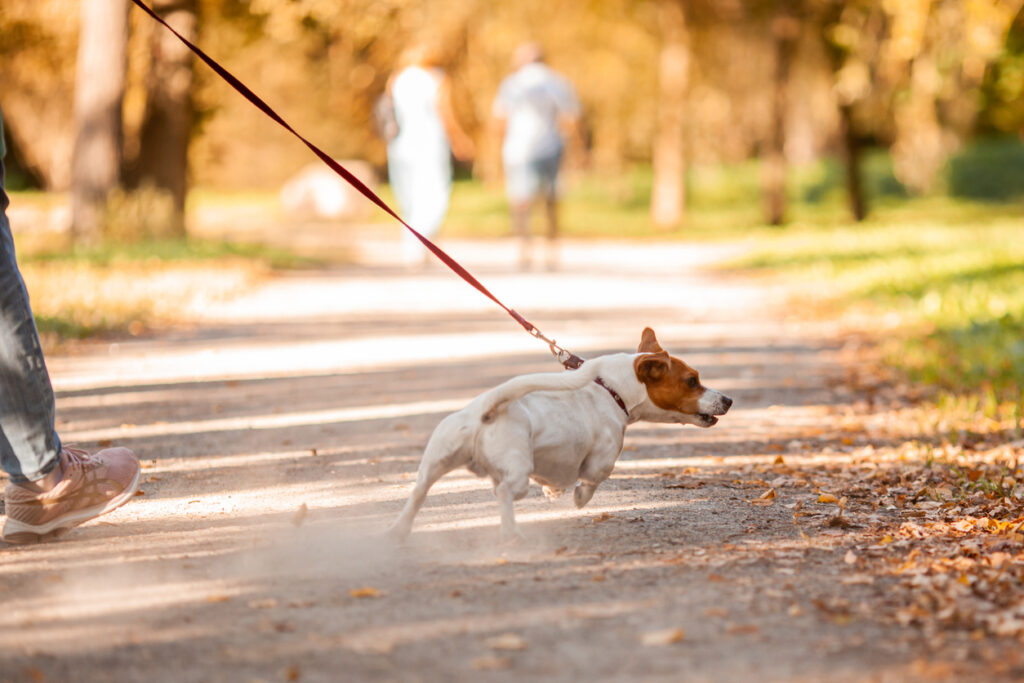
A dog that pulls constantly, lunges at things, or refuses to walk in a straight line is a very different experience from one that trots happily alongside you, and it’s worth knowing which you’re dealing with before you commit. If the dog is strong and badly behaved on the lead, you need to decide whether you’re physically and confidently able to handle that, particularly if you’re smaller or less experienced with dogs. There’s no shame in saying a dog is more than you can manage.
3. Are there any commands the dog reliably responds to?
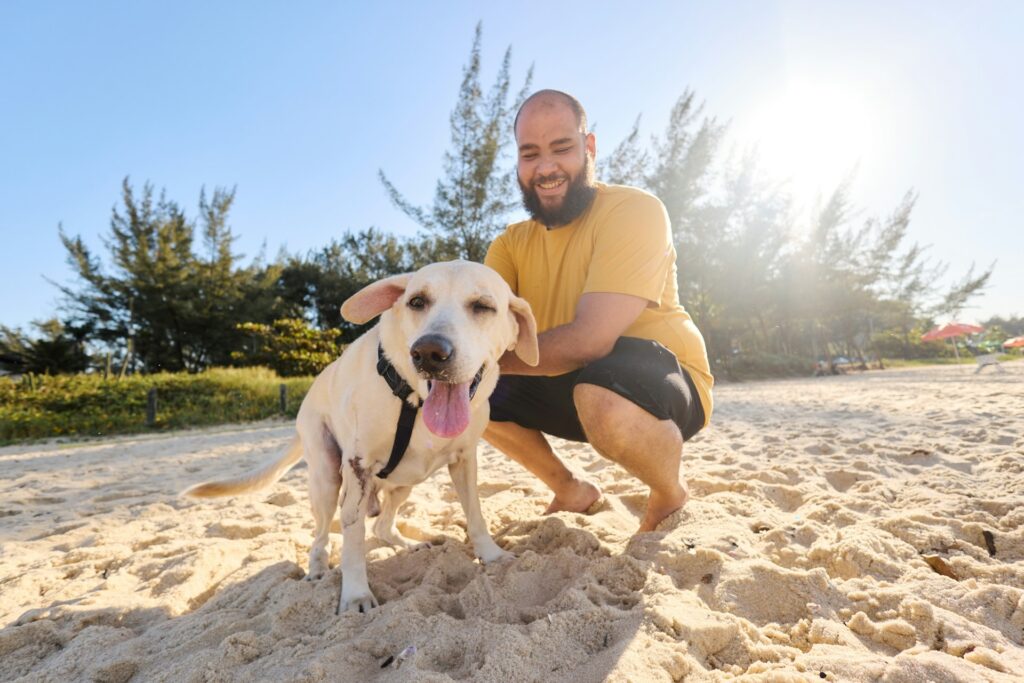
Knowing what words the dog has been trained to respond to makes a big difference to how much control you have when things get unpredictable. Some dogs have solid recall, sit and stay on command, and respond well to their name, while others have had patchy training and treat every instruction as optional. Find out what commands work, how reliably they work, and whether there are any that genuinely don’t register so you know what you’re working with from the start.
4. Can the dog be let off the lead?

This is a question a lot of people forget to ask, and it matters enormously. Some dogs have reliable recall and can be trusted off lead in an open space, while others will bolt the moment they’re unclipped and be three fields away before you can react. Even if the owner tells you the dog is fine off lead, it’s worth asking in what contexts because a dog that comes back reliably in a quiet park might completely ignore you near other dogs, wildlife, or traffic.
5. Does the dog have any health issues you should know about?
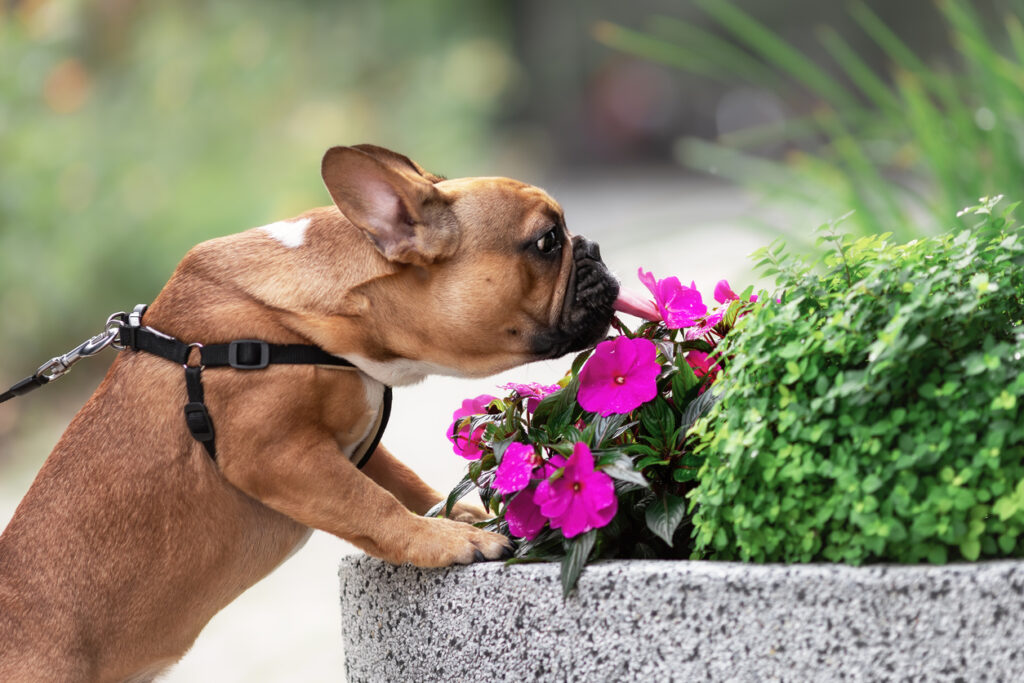
A dog with a heart condition, joint problems, or a recent injury needs a very different walk from a healthy, energetic one, and the owner should be upfront about anything that affects what the dog can physically do. It’s also worth asking whether the dog has any allergies, since some dogs react badly to certain grasses or plants, and knowing that means you can steer clear rather than returning the dog in a worse state than you found it.
6. How does the dog react to strangers approaching it?
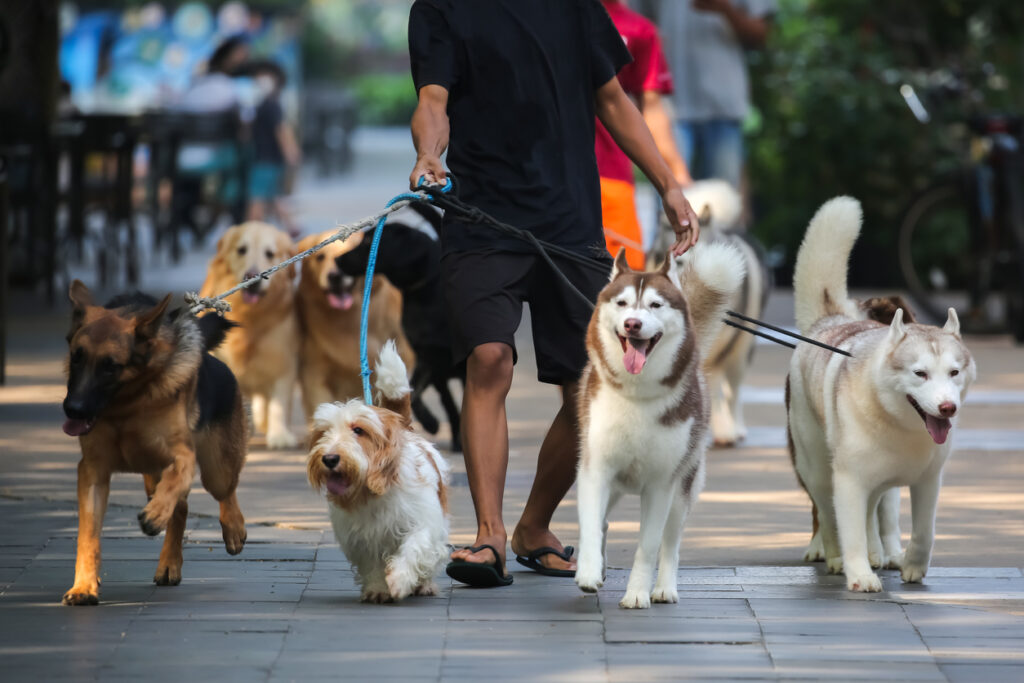
Some dogs are sociable and love attention from anyone they meet, while others are nervous, reactive, or outright unfriendly with people they don’t know. If the dog is wary of strangers, you need to know so you can manage situations where someone wants to stop and say hello, which happens constantly when you’re walking a dog, and being caught off guard by a snap or a lunge is both dangerous and embarrassing.
7. Is the dog scared of anything specific?
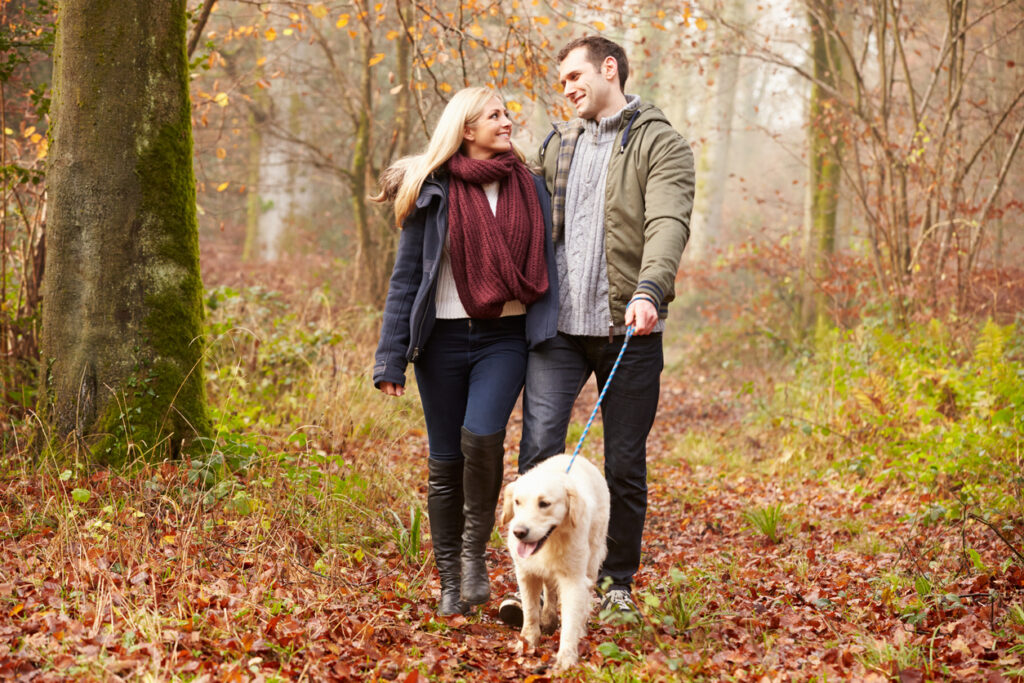
Loud noises, bikes, skateboards, pushchairs, men in hats, other specific triggers that might seem random but are very real to the dog. A frightened dog can behave unpredictably, pulling hard, freezing completely, or trying to bolt in any direction, so knowing the dog’s specific fears means you can anticipate and prepare rather than having a sudden panic response on your hands with no idea what caused it.
8. What’s the dog’s recall like around distractions?
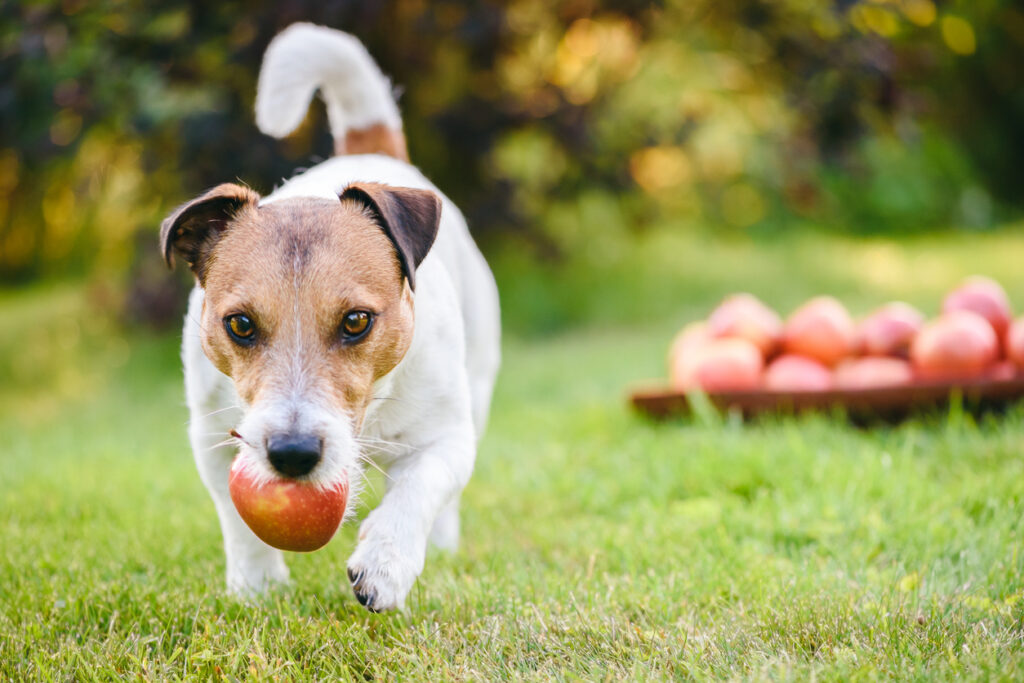
Recall in a quiet garden and recall when a squirrel bolts across the path are two entirely different things, and a lot of owners overestimate their dog’s reliability in high-distraction environments because they’ve never tested it properly. Ask specifically whether the dog has been tested around wildlife, other dogs, food on the ground, or cyclists because those are the situations most likely to come up on a walk and the ones where a dog with patchy recall can become a genuine problem.
9. Does the dog have a tendency to scavenge or eat things off the ground?
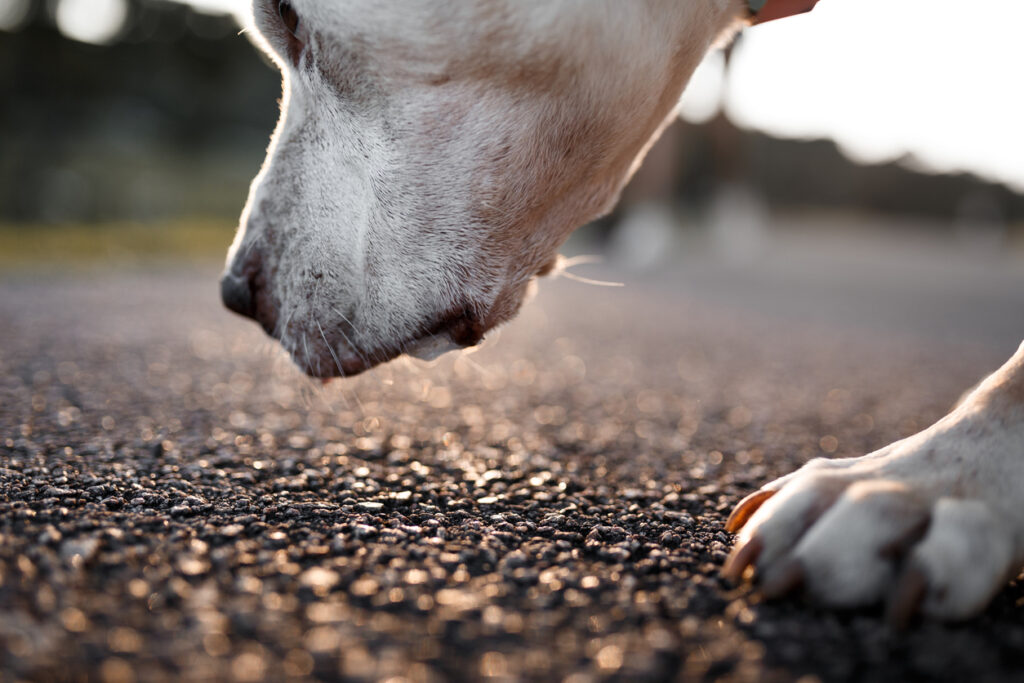
Some dogs are constantly hoovering up anything they find on the pavement, and that’s not just annoying, it can be dangerous if they get hold of something toxic before you can intervene. Knowing in advance that a dog is a scavenger means you can keep a closer eye and be quicker to intervene, whereas if you don’t know, you might not react until it’s too late. It’s also worth knowing whether the dog has a strong enough “leave it” command that actually works in practice.
10. How long does the walk need to be?
Different dogs have very different exercise needs, and it’s important to know whether the owner is expecting a twenty-minute stroll around the block or a proper hour-long walk with some off-lead time. Getting this wrong in either direction isn’t great, a high-energy working breed that only gets fifteen minutes will be frustrated and badly behaved, while an older dog pushed beyond what it can manage is being done real harm. Be clear about what you’re able to offer and make sure it matches what the dog actually needs.
11. What should you do in an emergency?
Ask for the owner’s contact number, their vet’s number, and what they’d want you to do if something went wrong, whether that’s an injury, an escape, or a confrontation with another dog. Most people don’t think about this until something happens, and in the moment of an emergency, you really don’t want to be figuring it out from scratch. A responsible owner will appreciate the question rather than finding it odd because it shows you’re taking the responsibility seriously.
12. Are there any places you should avoid on the route?
Some dogs have specific patches they get into trouble, a road where they always try to dart across, a spot where they got into a fight once and now kick off every time, a neighbour’s garden they’re obsessed with. Owners often know their dog’s personal geography very well but don’t always think to share it unprompted, so asking directly whether there are any routes or locations to steer clear of can head off a lot of predictable problems before they happen.
13. What are the arrangements for keys, payment, and timing?
It sounds obvious but sorting the practical details clearly before you start means there’s no awkwardness later. Agree on when the walk happens, how you’ll access the dog, how long each walk will be, what you’re being paid if it’s a paid arrangement, and how you’ll communicate if anything needs to change. Vague arrangements lead to vague expectations, and those tend to cause friction eventually, even between people who get along perfectly well.