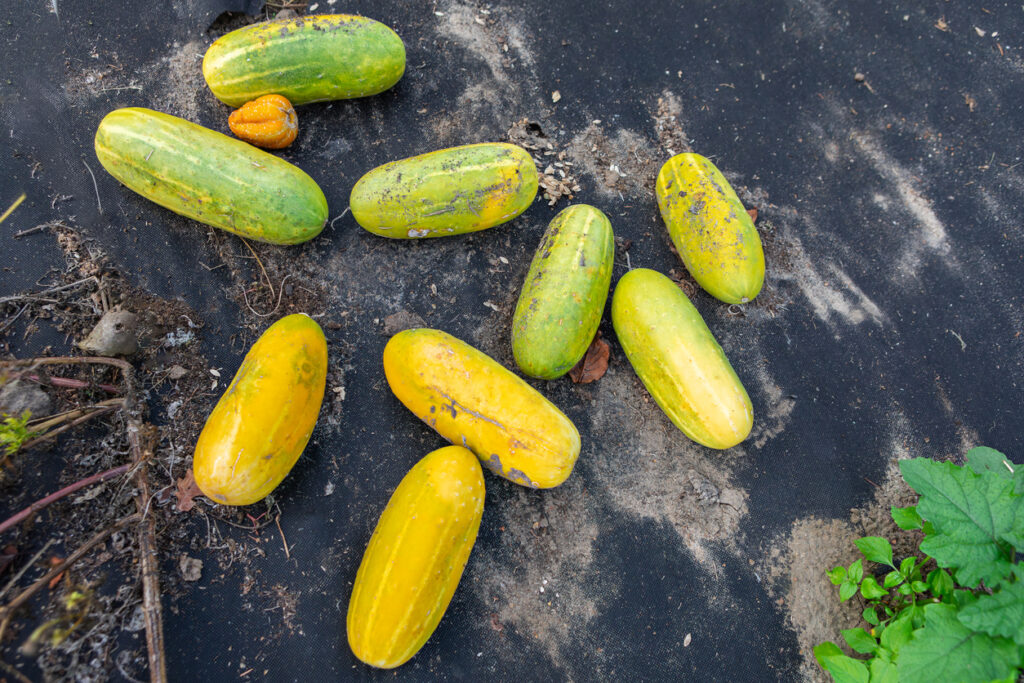
Few things are as frustrating for gardeners as watching cucumbers that should be crisp and green turn an unappealing yellow. While it looks like a sign of failure, it often comes down to a handful of clear reasons. Here are 10 causes and what you can do about them.
1. They’ve simply become overripe.
One of the most common reasons cucumbers turn yellow is because they’ve been left too long on the plant. As fruits age, their skins thicken, their flavour turns bitter, and the colour changes from vibrant green to a duller yellow. Overripe cucumbers are also packed with seeds, which makes them less pleasant to eat.
The best way to avoid this is to harvest cucumbers regularly. Once they reach a good size, usually six to eight inches for standard varieties, pick them straight away. Frequent picking keeps your crop fresh and encourages the plant to produce more fruit, giving you a longer, healthier harvest overall.
2. They’re not getting enough nutrients.
Cucumbers are heavy feeders, which means they need a steady supply of nutrients to stay healthy. If the soil is lacking in nitrogen, potassium, or magnesium, the fruits can begin to lose their lush green colour and take on a yellow tinge instead. A lack of balance in the soil often shows up first in the cucumbers themselves.
Feeding your plants with a balanced fertiliser every couple of weeks is a simple way to keep them strong. Adding compost or organic matter before planting also gives the soil a boost. If you want to be precise, a soil test can help you spot exactly what is missing so you can correct it before yellowing appears.
3. Irregular watering is stressing them.
Watering is one of the trickiest parts of cucumber care. Letting the soil dry out completely and then flooding it again causes stress, which shows up as discoloured fruit. Uneven watering can also make cucumbers bitter or oddly shaped, adding to the disappointment.
The fix is to water deeply and consistently, aiming for even moisture throughout the soil. Two to three thorough waterings a week usually works well, though you may need more during hot spells. Adding a layer of mulch helps keep the soil damp for longer and prevents those stressful ups and downs.
4. Pollination has gone wrong.
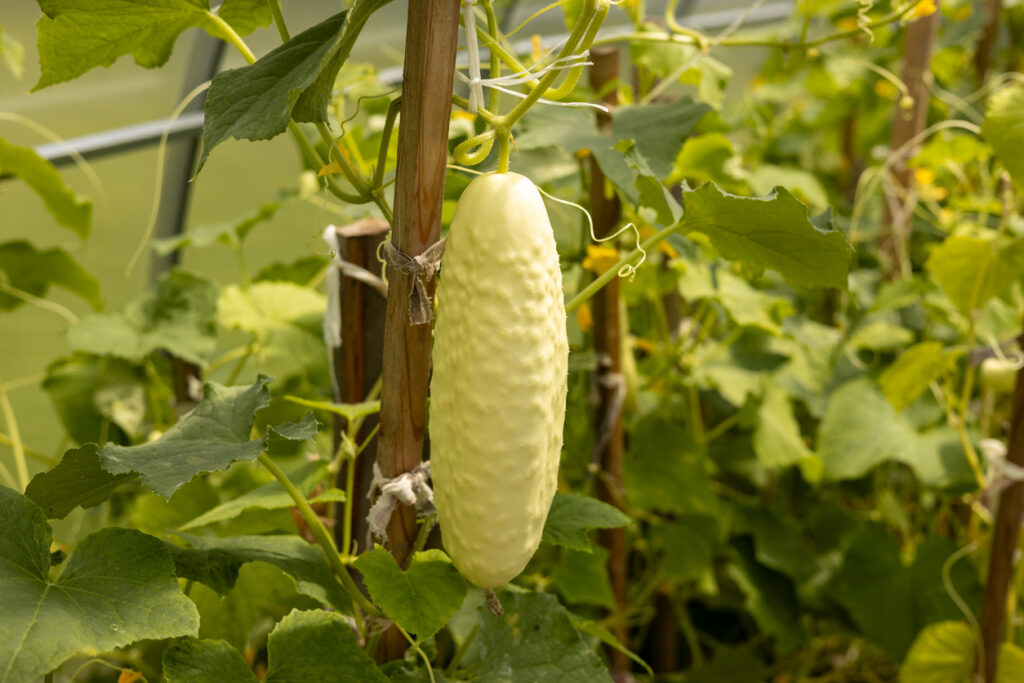
Sometimes cucumbers turn yellow because the flowers weren’t pollinated properly. When pollination is incomplete, fruits may grow unevenly, develop strange shapes, or change colour as they struggle to mature. This happens more often in greenhouses or gardens where pollinators are scarce.
Encouraging bees and butterflies into your garden makes a big difference. Planting nectar-rich flowers nearby, avoiding pesticides, and even hand-pollinating with a small brush can all help. Once pollination improves, fruits grow evenly and hold their colour much better.
5. They’re getting too much water.
While cucumbers love moisture, drowning them in water does more harm than good. Waterlogged soil cuts off oxygen to the roots, which affects nutrient uptake. This imbalance can cause fruits to yellow, leaves to wilt, and plants to weaken overall.
Check the soil before you water. If it’s damp a few centimetres below the surface, hold off for another day. Good drainage is vital, so growing cucumbers in raised beds or adding grit to heavy soil helps prevent the soggy conditions that lead to yellow fruit.
6. Pests are causing damage.
Common pests such as cucumber beetles, aphids, or spider mites feed on plants and weaken them. As they suck sap or spread disease, fruits may lose colour and turn yellow. Infestations often go unnoticed until the damage is visible on the cucumbers themselves.
Inspect plants regularly and act quickly if you spot trouble. Washing pests off with a hose, using insecticidal soap, or encouraging natural predators like ladybirds can all help. Staying on top of pest control means your plants have more strength to put into producing healthy green fruit.
7. Disease has taken hold.
Fungal and viral infections are another reason cucumbers lose their colour. Conditions like downy mildew or cucumber mosaic virus cause yellowing in fruits as well as mottled leaves and stunted growth. Once a plant is infected, it struggles to channel energy properly into the fruit.
Prevention is always better than cure. Rotate crops each year so pests and diseases don’t build up in the soil, and water at the base of plants rather than overhead to keep leaves dry. If a plant is badly infected, removing it quickly helps protect the rest of your crop.
8. They’ve cross-pollinated with other cucurbits.
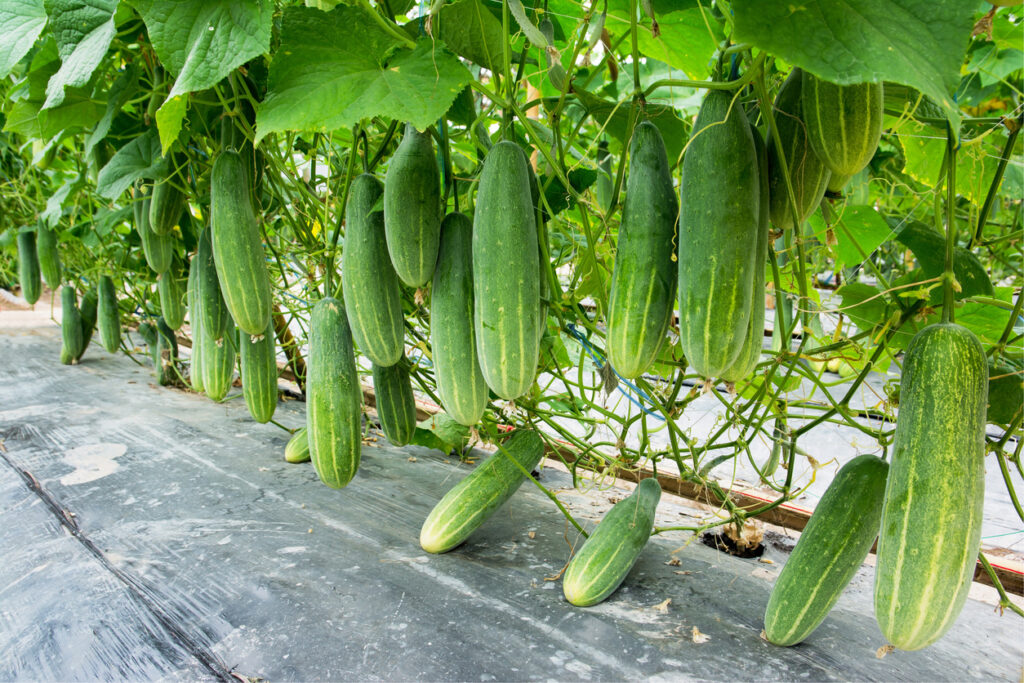
If you grow cucumbers close to pumpkins, squashes, or gourds, cross-pollination can sometimes affect the appearance of the fruit. While it doesn’t change the taste in the same season, seeds from these plants may produce yellow or oddly shaped cucumbers the following year.
The best way to avoid this is to plant cucumbers slightly apart from other cucurbits, especially if you plan to save seed. Alternatively, stick to varieties that don’t rely on pollination, as they produce fruit reliably without interference from nearby plants.
9. The variety might naturally turn yellow.
Not all cucumbers are meant to be green. Some heritage and speciality types, like the Lemon cucumber, ripen to a golden yellow colour. Gardeners often panic, thinking their crop has failed, when in fact it’s simply the plant doing what it’s supposed to.
Check the seed packet or plant label before worrying. If you’re growing a yellowing variety, enjoy the novelty—they’re often just as crisp and refreshing, with a slightly different flavour profile that makes them a fun addition to salads.
10. Environmental stress is taking its toll.
Finally, cucumbers are sensitive to sudden weather changes. A heatwave, unexpected frost, or even a week of poor light can be enough to throw them off balance. When stressed, plants divert energy to survival, which sometimes leaves fruit yellowing instead of developing fully.
You can’t control the weather, but you can protect your plants. Using shade cloth in hot spells, fleece in cold snaps, and choosing sheltered planting spots reduces stress. The more stable the environment, the greener and healthier your cucumbers will stay.