Trying to have a conversation underwater would be pretty much impossible for us humans.
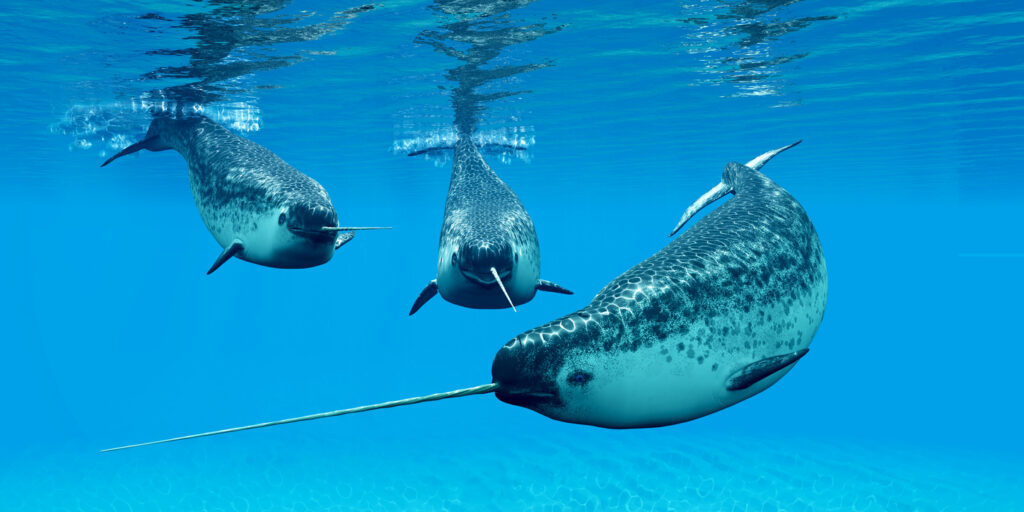
However, sea creatures have figured out absolutely brilliant ways to chat with each other beneath the waves. From whale songs that travel for miles to fish that basically text each other with electric signals, the ocean is buzzing with conversations we can’t even hear or see. Here are some of the cool ways they “talk” to each other.
1. Whales and dolphins use sound like underwater mobile phones.

These clever marine mammals create sounds that can travel incredible distances through the water, much further than any sound could travel through air. They’ve got different calls for different situations, like saying hello, warning about danger, or even just having a chat with their mates.
Sound travels about four times faster underwater than it does in air, which means their voices can reach friends who are miles and miles away. It works across entire ocean basins, and that’s impressive.
2. Fish create electrical fields to send secret messages.
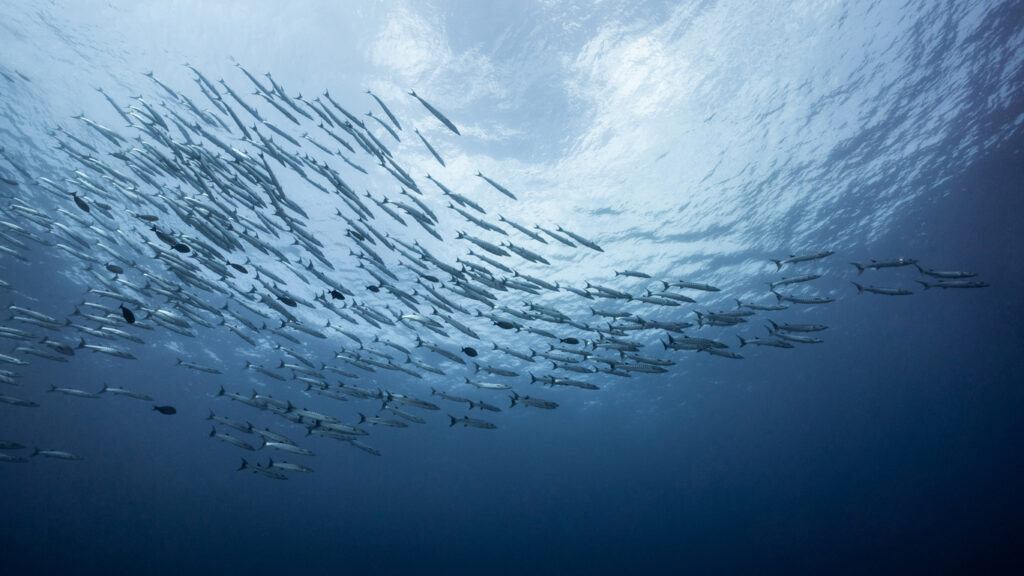
Some fish can generate electrical signals that work like invisible text messages, sending information to other fish nearby without making any sound at all. These electric fish can tell who’s friend or foe just by reading each other’s electrical signatures.
This electrical communication is completely silent and invisible to most predators, making it the perfect way to have private conversations. It’s like having a secret code that only certain fish can understand and use.
3. Octopuses change colours like living mood rings.
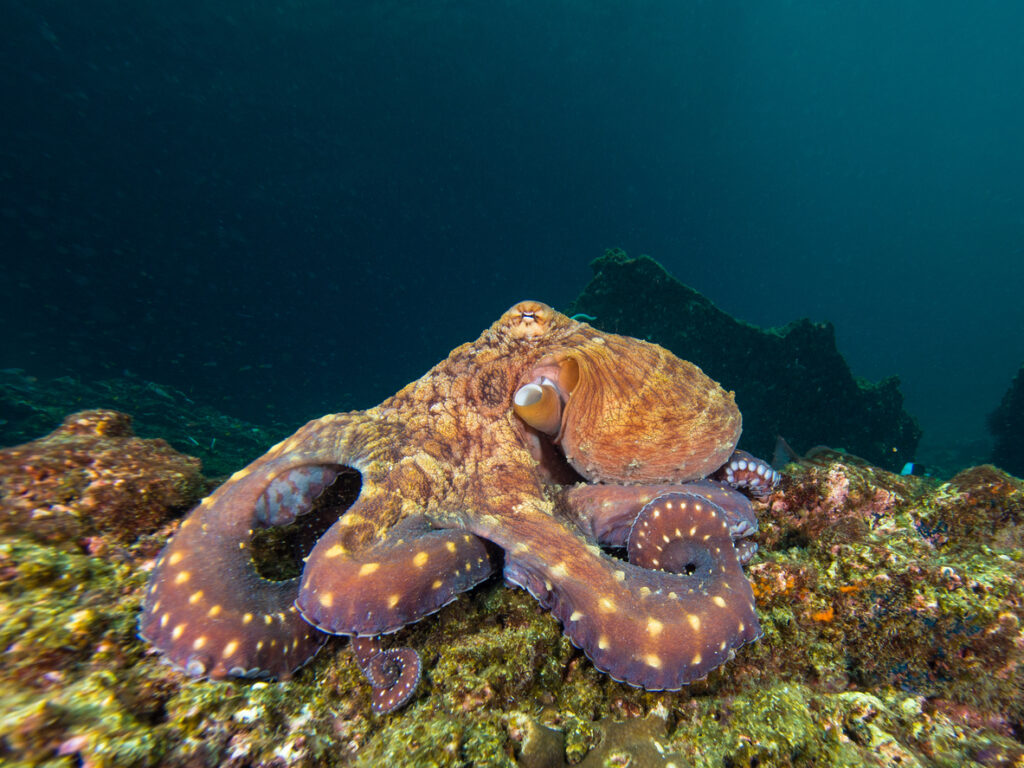
These amazing creatures can instantly change the colour and pattern of their skin to communicate different emotions and messages to other octopuses. They can flash warnings, show if they’re feeling aggressive, or even flirt using their colour-changing superpowers.
Their skin works like a massive TV screen that can display different messages in seconds. Imagine if you could change your appearance instantly to show exactly how you’re feeling without saying a word.
4. Sea creatures use bioluminescence like underwater fireworks.
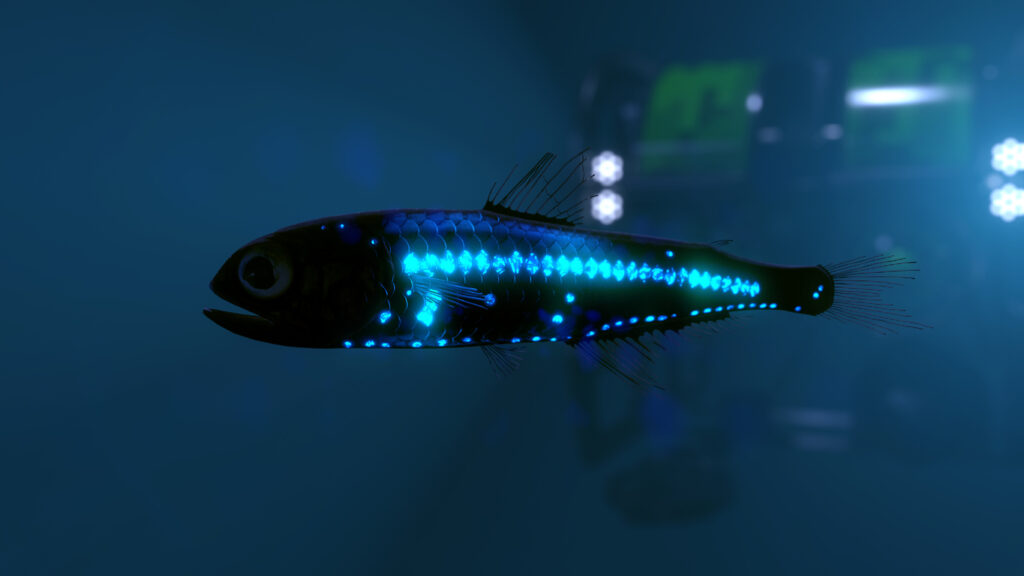
Many deep-sea animals create their own light through special chemical reactions in their bodies, using these glowing displays to communicate with each other in the dark depths. They can flash different patterns to attract mates, warn off enemies, or signal to their friends. These living light shows are happening constantly in the deep ocean, creating underwater concerts that we rarely get to see.
5. Sharks detect tiny electrical signals from other animals.
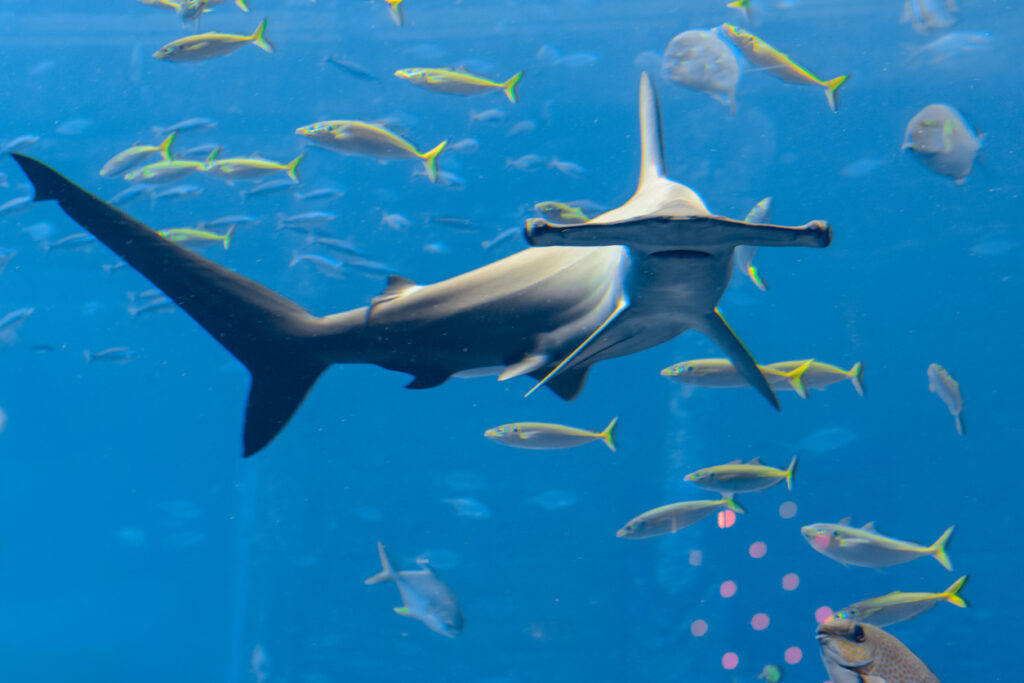
Sharks have special sensors that can pick up the tiny electrical fields created by other animals’ muscles and heartbeats, basically allowing them to eavesdrop on the electrical conversations happening around them. They’re like underwater detectives with super-powered sensing abilities.
This electrical detection helps them find hidden prey and navigate through murky wwater,where their eyes might not work very well. They’re reading the electrical signatures of everything around them like a constantly updating radar system.
6. Fish use body language and visual signals.
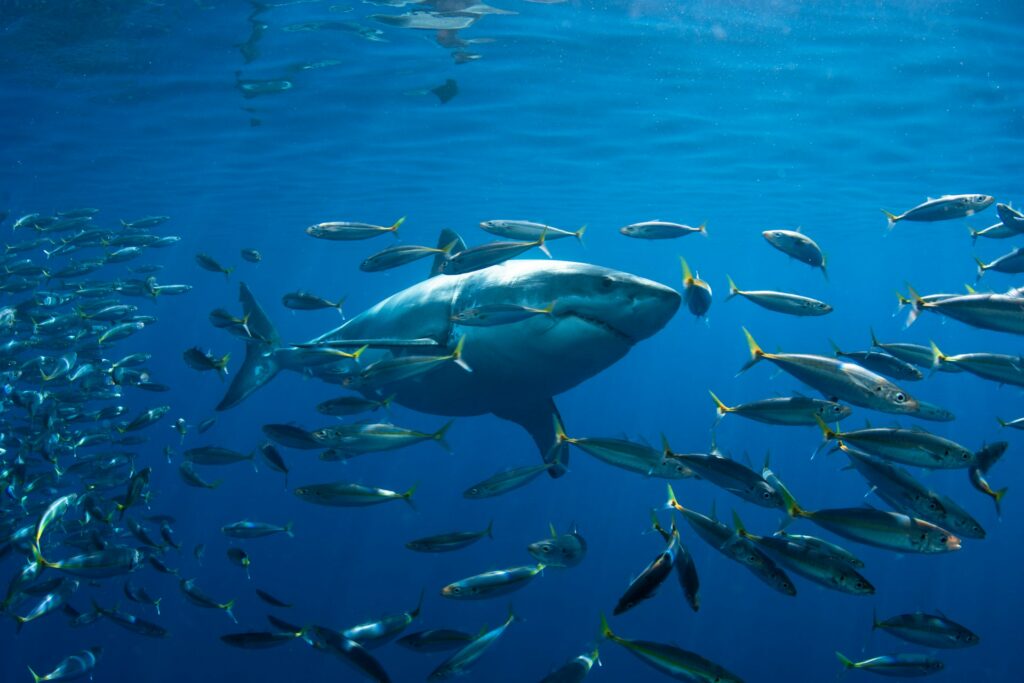
Many fish communicate through specific movements, fin positions, and colour changes that work like underwater sign language. They can signal aggression by spreading their fins wide, show submission by changing colours, or attract mates with special swimming patterns.
These visual signals work brilliantly in clear water, where fish can see each other clearly. They’re basically able to have an entire conversation using only gestures and expressions, which fish have mastered perfectly over millions of years.
7. Marine animals use chemicals like underwater perfume.
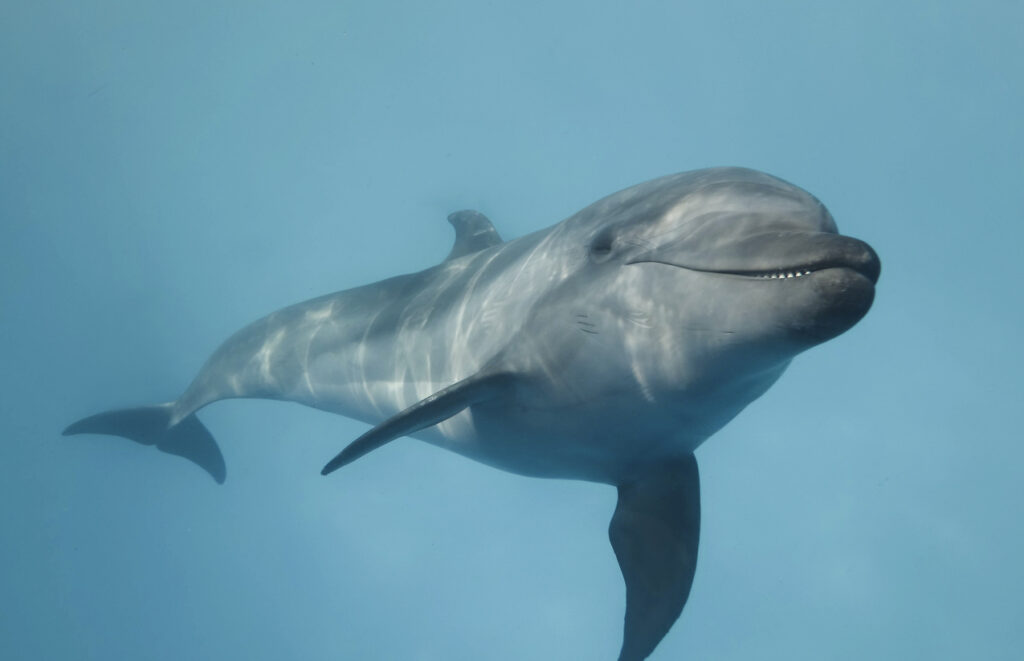
Sea creatures release special chemicals into the water that carry messages to other animals, working like scent-based text messages that can travel with the ocean currents. These chemical signals can communicate everything from “I’m looking for a mate” to “danger nearby.”
The ocean currents act like a postal service, carrying these chemical messages to animals who might be far away. Fish can literally smell their way to finding friends, food, or avoiding enemies.
8. Crustaceans make noise by rubbing body parts together.
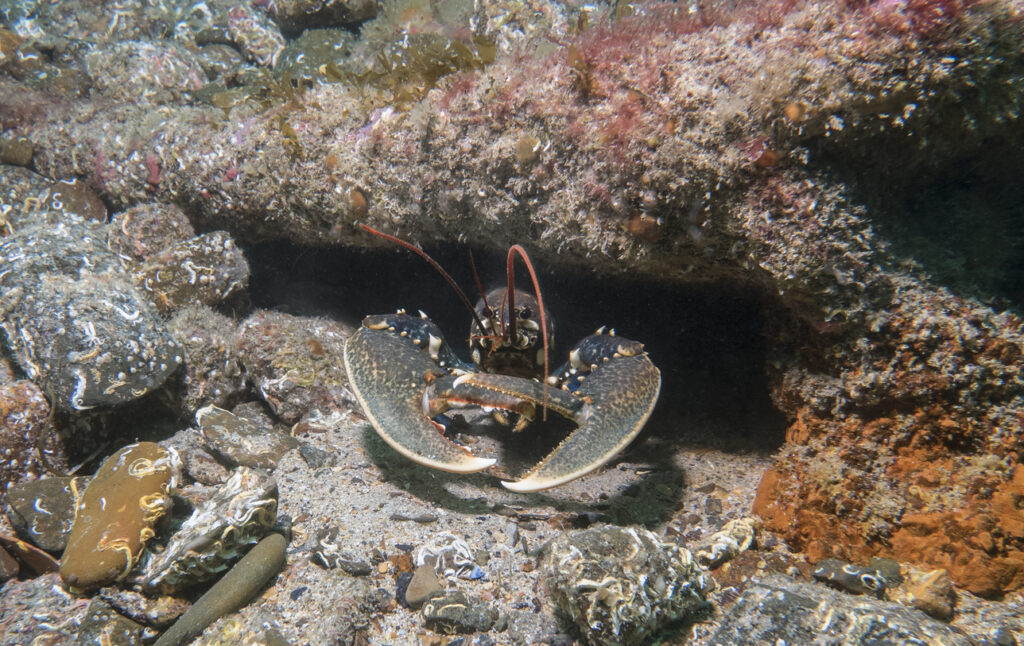
Crabs, lobsters, and shrimp create sounds by rubbing different parts of their shells and claws together, like underwater musicians playing their own bodies as instruments. These scratching and clicking sounds can warn off competitors or attract potential partners. Each species has its own unique sound signature, so they can recognise their own kind even in the noisy underwater environment.
9. Some fish use echolocation like dolphins.
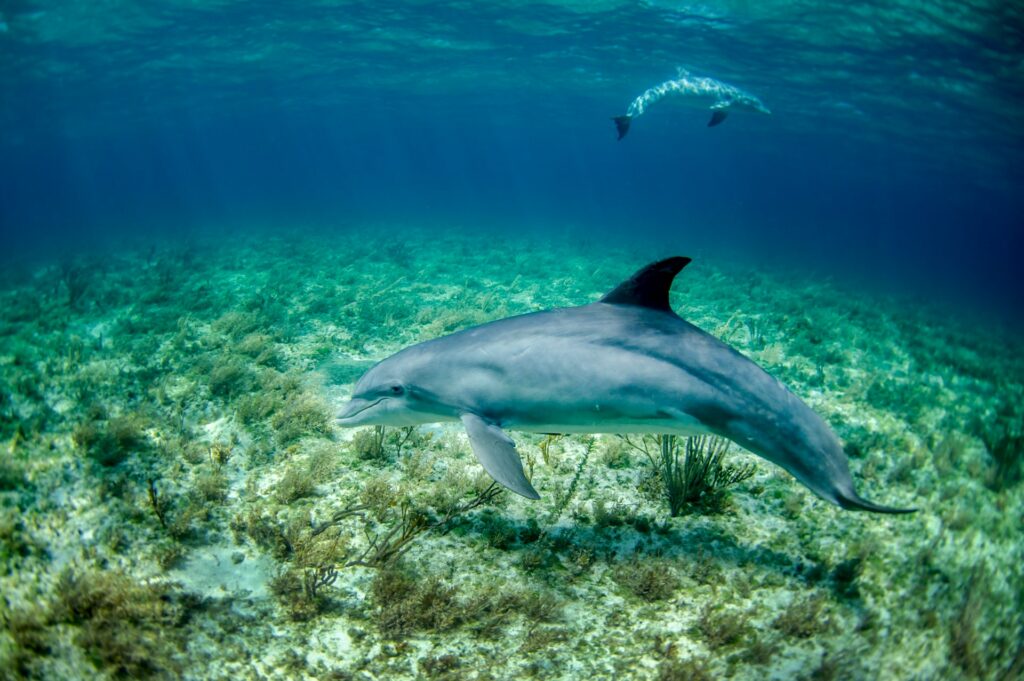
Certain fish species send out sound clicks and listen to the echoes that bounce back, allowing them to navigate and communicate in murky water where they can’t see very well. This biological sonar system works like underwater GPS combined with a communication network.
They can map their surroundings and send messages to other fish using the same sound system. It’s like having super-hearing that lets you see with your ears while chatting with your friends at the same time.
10. Deep sea creatures use pressure waves.
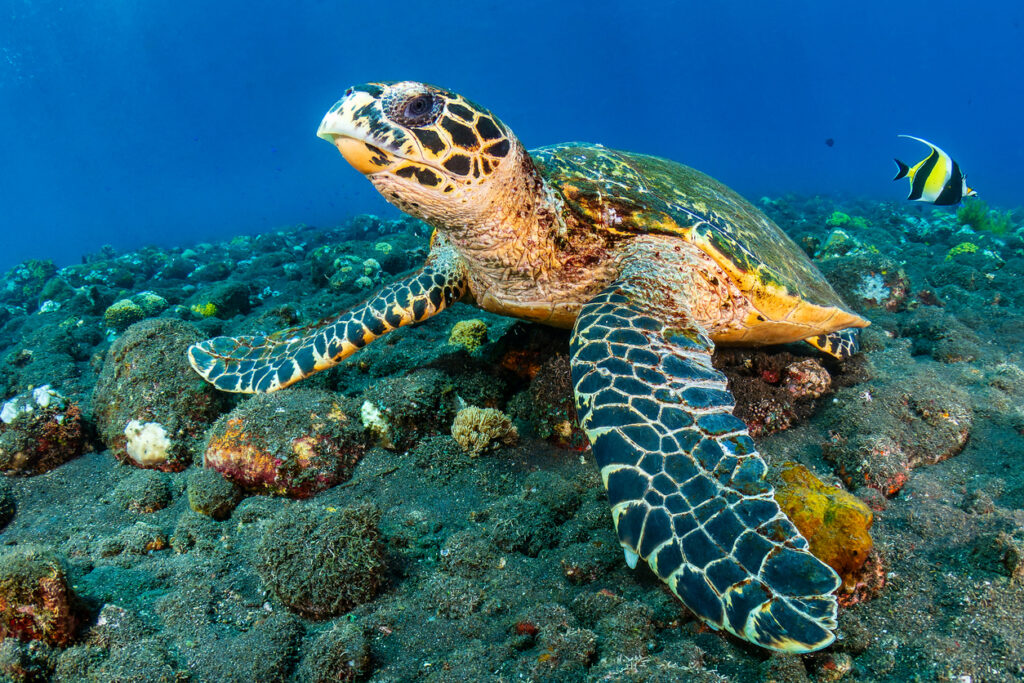
Animals in the deepest parts of the ocean create pressure changes in the water that work like underwater earthquakes, sending vibration messages through the sea floor and water column. These pressure signals can travel enormous distances through the ocean depths.
Fish can feel these pressure changes through special organs in their bodies, allowing them to receive messages from creatures they might never see. They basically have a built-in earthquake detector that doubles as a long-distance communication system.