The jaguarundi is one of the lesser-known wild cats of the Americas, and at first glance, it hardly looks feline at all.
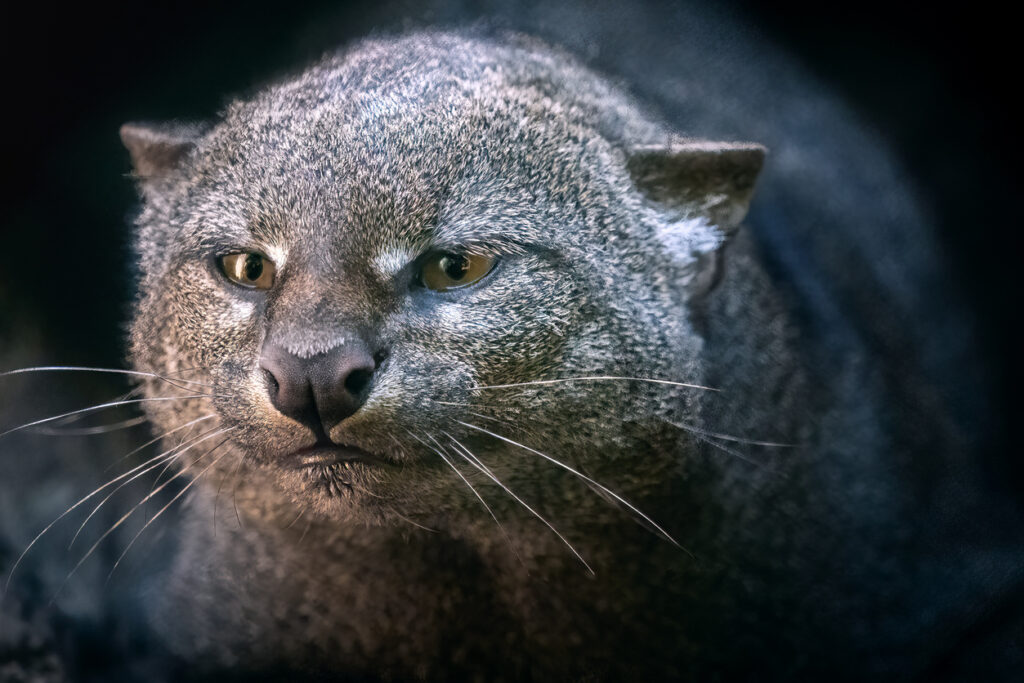
With its otter-like body, long tail, and extraordinary range of sounds, it’s an animal full of surprises. Chances are, you probably haven’t even heard of this remarkable creature, but that’s all about to change. Here are 13 fascinating facts about this unusual cat to file away in your brain.
1. Their appearance is deceiving.
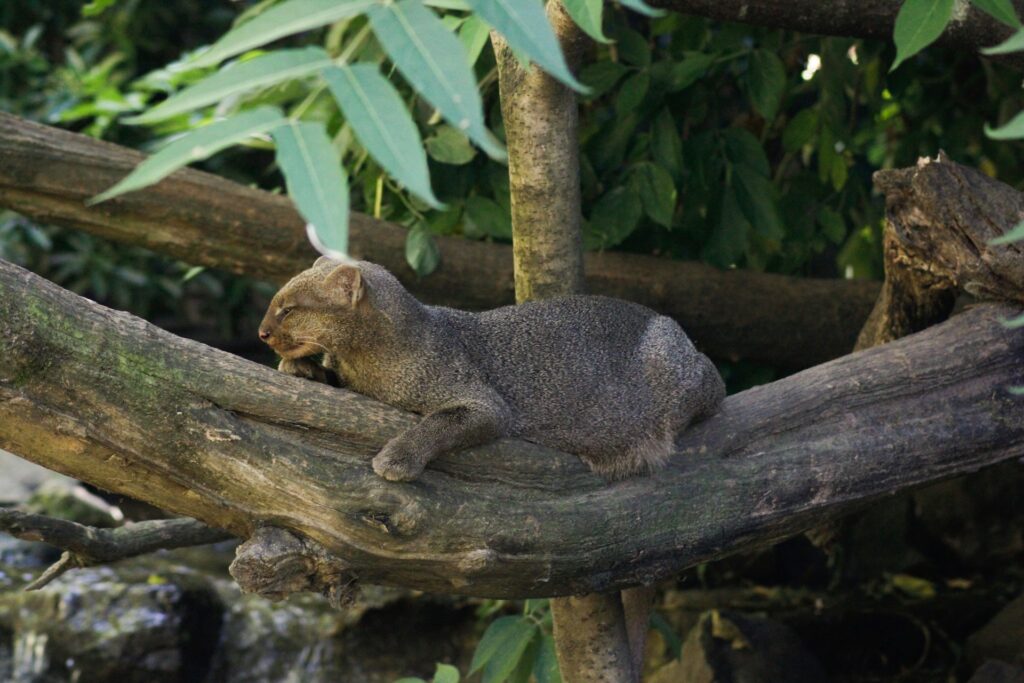
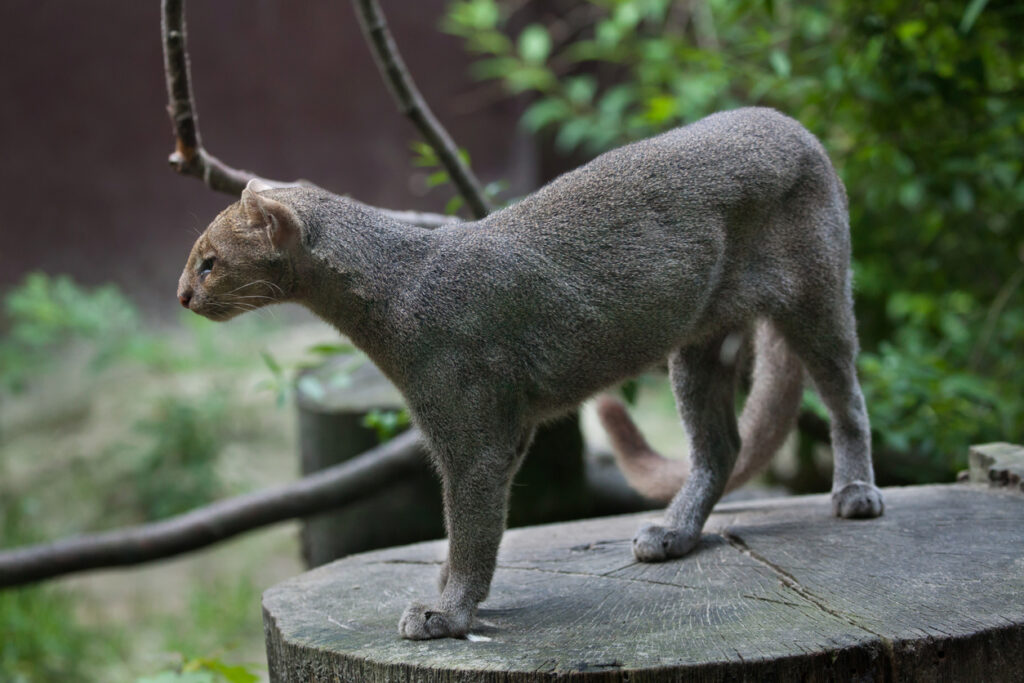
Jaguarundis don’t look like your typical wild cat. They have long, slender bodies, short legs, and a flat head that makes them resemble an otter or even a weasel. Their coats are usually solid grey, brown, or reddish, lacking the bold patterns of other cats.
Their unusual build helps them move easily through dense vegetation. Their streamlined shape makes them agile hunters on the ground, slipping through scrubland and forest with very little effort.
2. They have an enormous vocal range.
Jaguarundis are famous for their wide variety of calls. They can produce up to thirteen distinct vocalisations, ranging from whistles and chirps to purrs, growls, and even bird-like sounds. This makes them one of the most vocal wild cats in the world.
These calls serve different purposes, from keeping in touch with family members to warning rivals. Their ability to mimic bird-like noises may also help them avoid predators or surprise prey in dense habitats.
3. Their habitat stretches across the Americas.
Jaguarundis are native to a wide range of environments, from southern Texas down through Central America and into much of South America. They thrive in forests, scrublands, savannas, and even near agricultural areas. Being so adaptable means they can live in both wet and dry regions, although they usually stick close to water sources. Their wide range reflects just how resilient and resourceful these cats are.
4. They’re mostly daytime hunters.
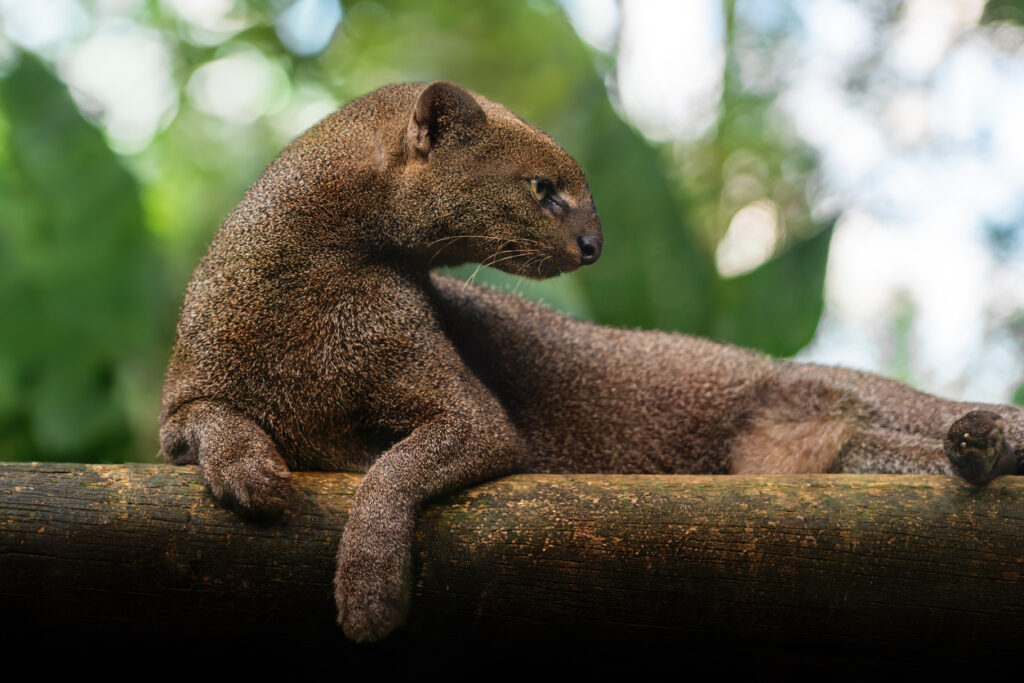
Unlike many other wild cats, jaguarundis are diurnal, meaning they’re most active during the day. This gives them an advantage, since they avoid competing directly with nocturnal hunters like ocelots and jaguars. Their daytime activity makes them easier to observe than other elusive cats. However, they still remain secretive, often slipping away before humans even realise they’re nearby.
5. Their diet is highly varied.
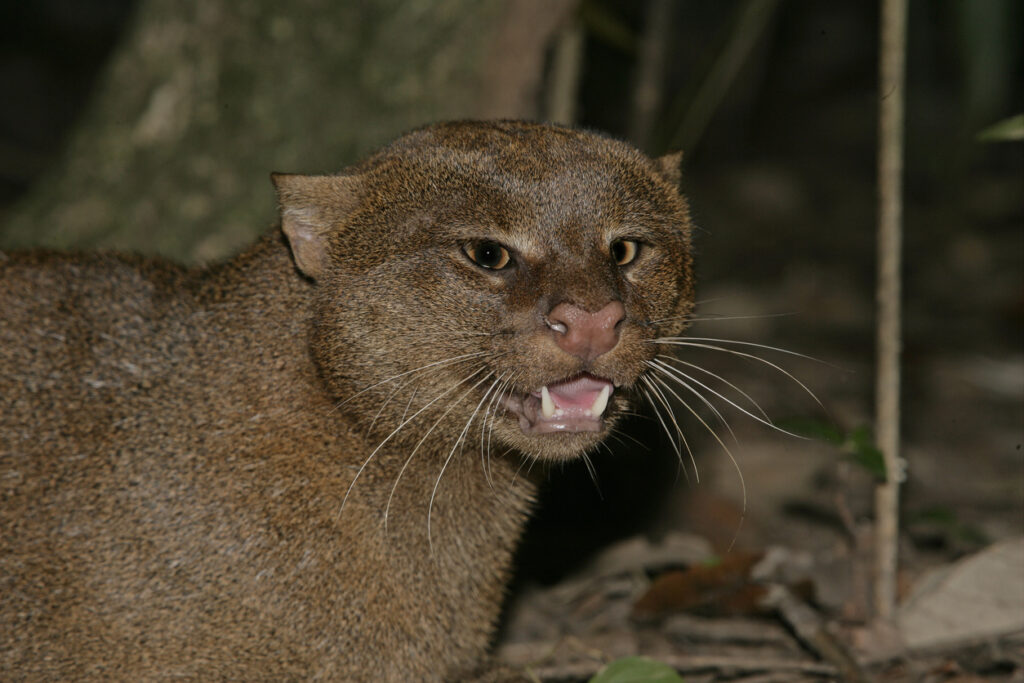
Jaguarundis are opportunistic hunters that eat whatever is available. Their diet includes small mammals, birds, reptiles, frogs, and insects. They’ll even scavenge when necessary, which helps them survive in tough environments.
Their flexible diet allows them to live in habitats where other predators might struggle. By adapting to seasonal food sources, they keep their populations stable despite environmental challenges.
6. They’re excellent climbers and swimmers.
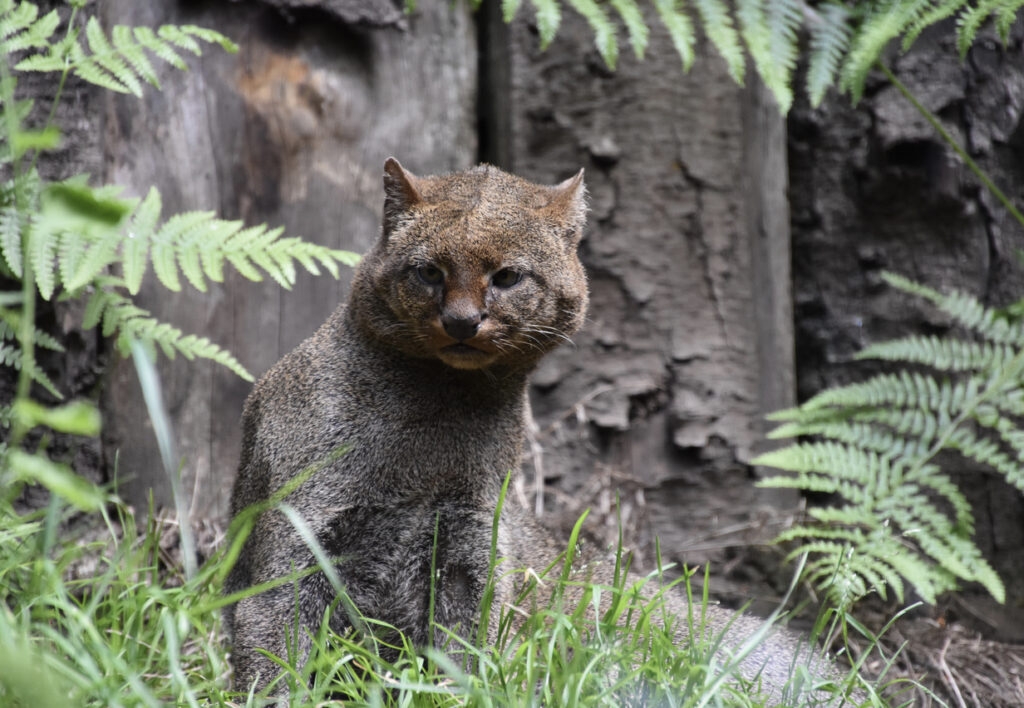
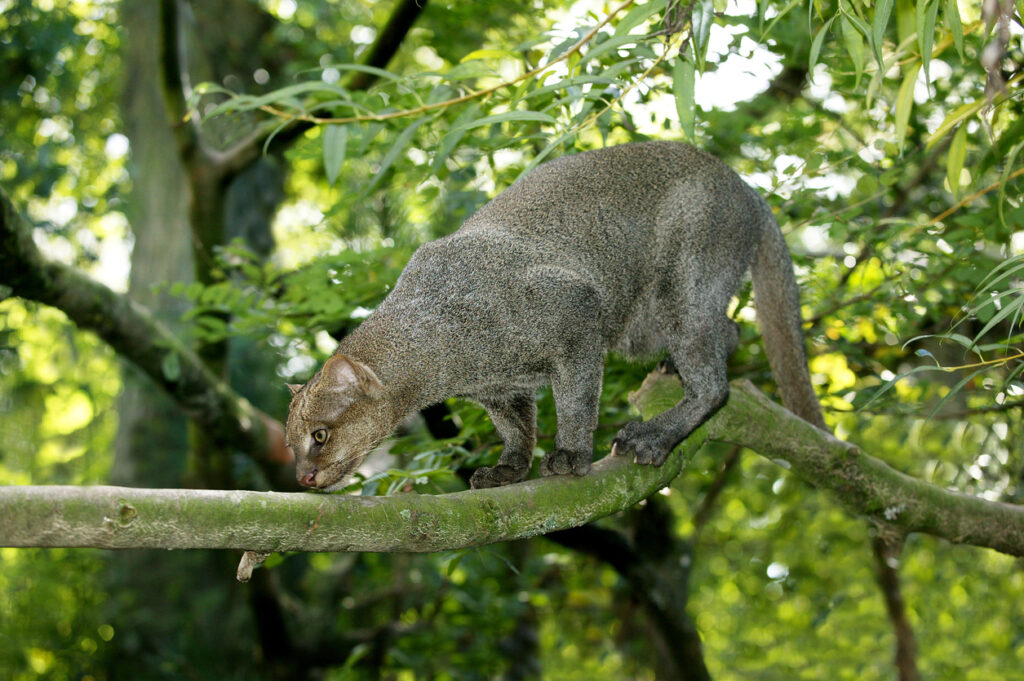
Although they spend much of their time on the ground, jaguarundis are skilled climbers. They can scale trees quickly to escape predators or to raid bird nests for food. They’re also strong swimmers, unusual for cats. That versatility makes them efficient survivors. Being able to move comfortably through trees, water, and undergrowth ensures they have access to a wide range of prey and safe escape routes.
7. They live mostly solitary lives.
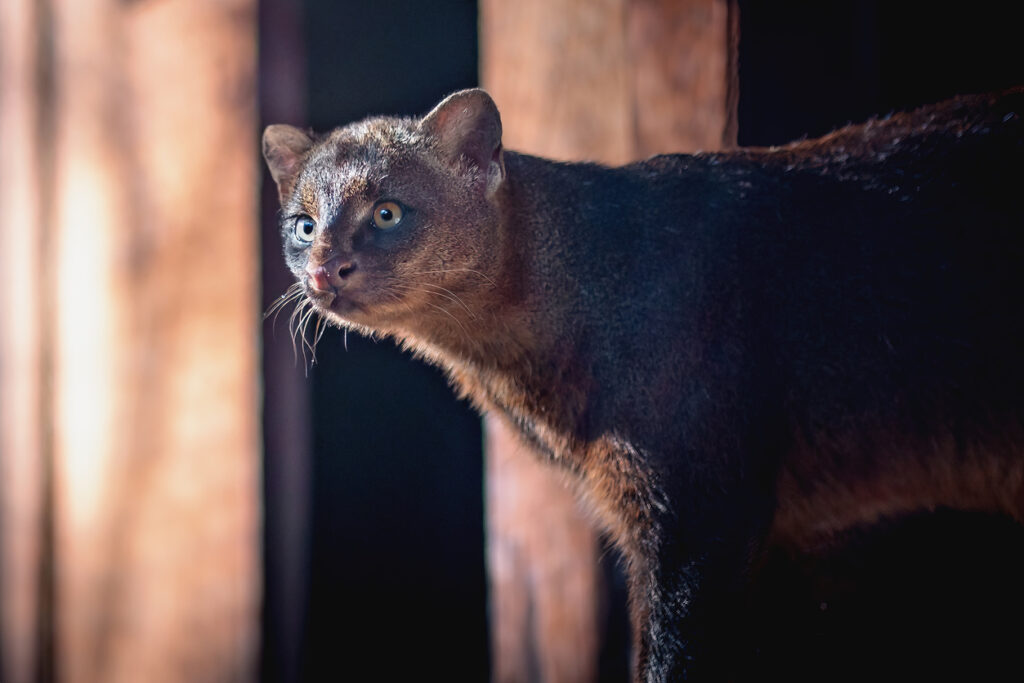
Jaguarundis, like most cats, are solitary animals. Adults typically live alone, coming together only during mating season. Their large home ranges mean encounters with other jaguarundis are relatively rare. Even so, they rely heavily on vocal communication when they do cross paths. These sounds help avoid unnecessary conflict and allow them to signal territory without constant physical fights.
8. They use scent to mark territory.
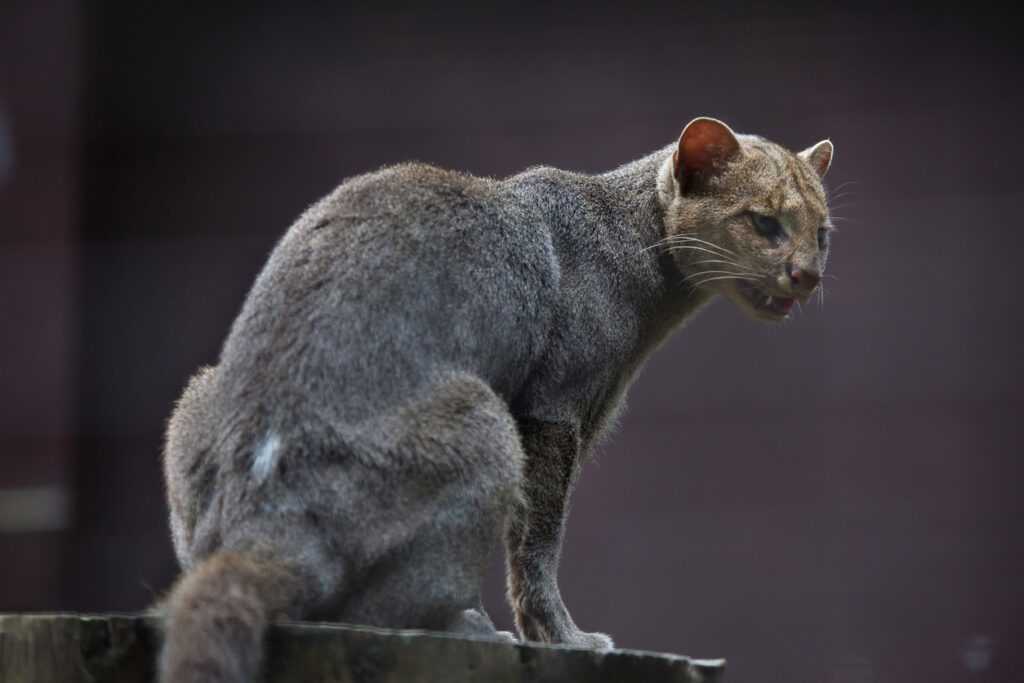
In addition to their vocal calls, jaguarundis mark their territories with scent. They use urine and gland secretions to signal their presence, warning other individuals to keep away. This behaviour helps them maintain space without wasting energy on conflict. It’s a common trait among wild cats, but combined with their vocal tricks, jaguarundis have an unusually rich communication system.
9. Their coat colour can vary widely.
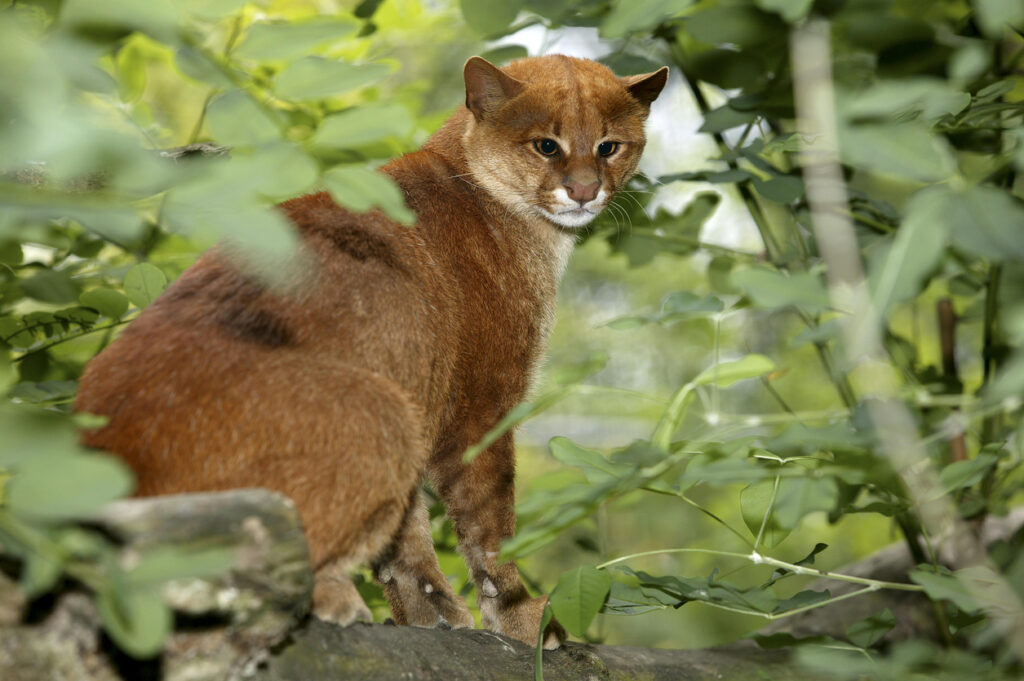
Jaguarundis come in two main colour phases: a reddish or chestnut brown, and a grey to black phase. These variations often occur within the same litter, which is unusual for wild cats. That diversity in coat colour may help them blend into different habitats. Redder individuals suit drier, open areas, while darker coats provide camouflage in dense forests and shaded undergrowth.
10. They have small litters.
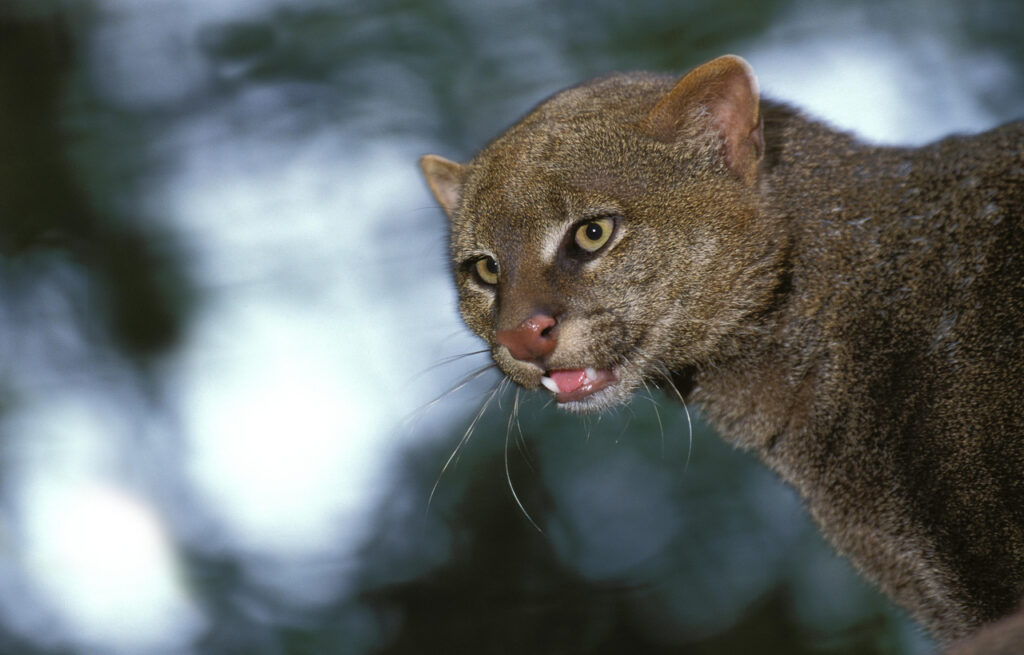
Female jaguarundis usually give birth to one to four kittens after a gestation period of around two to three months. The young are born blind and helpless, relying on their mother for food and protection. It takes several weeks before the kittens can see and explore. During this time, mothers are especially protective, using hidden dens in dense vegetation to shield their young from predators.
11. They’re threatened by habitat loss.
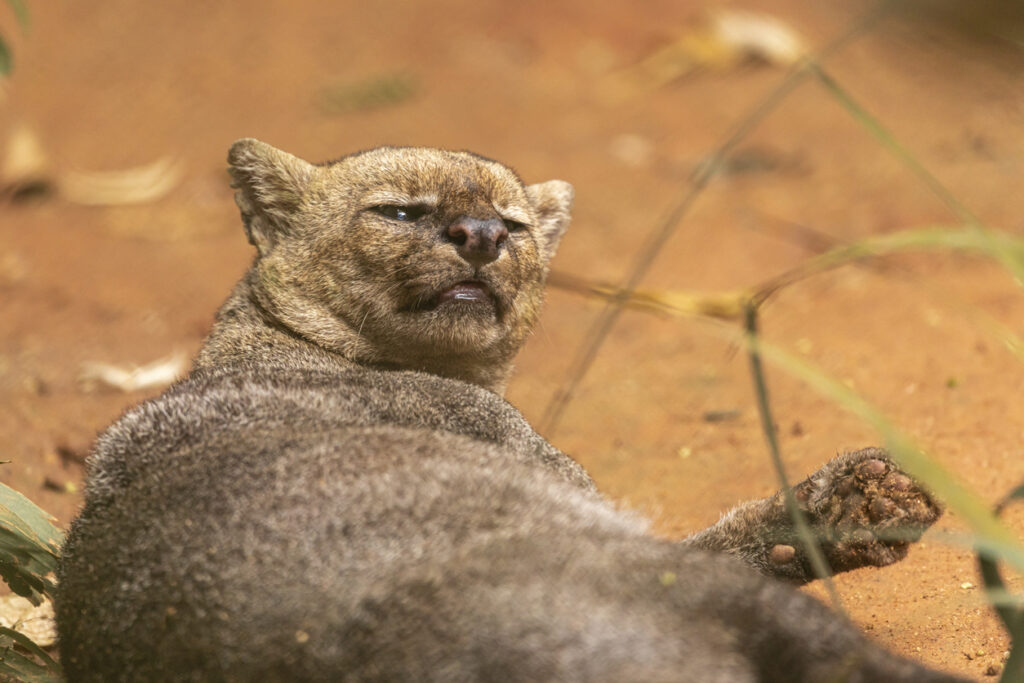
Although jaguarundis aren’t considered globally endangered, they face ongoing threats from deforestation, agriculture, and urban expansion. Habitat fragmentation makes it harder for them to hunt, breed, and find safe territories. Conservation efforts focus on protecting large, connected areas of habitat. Maintaining natural corridors helps jaguarundis continue to thrive despite human pressure on their environments.
12. They were once thought to be two species.
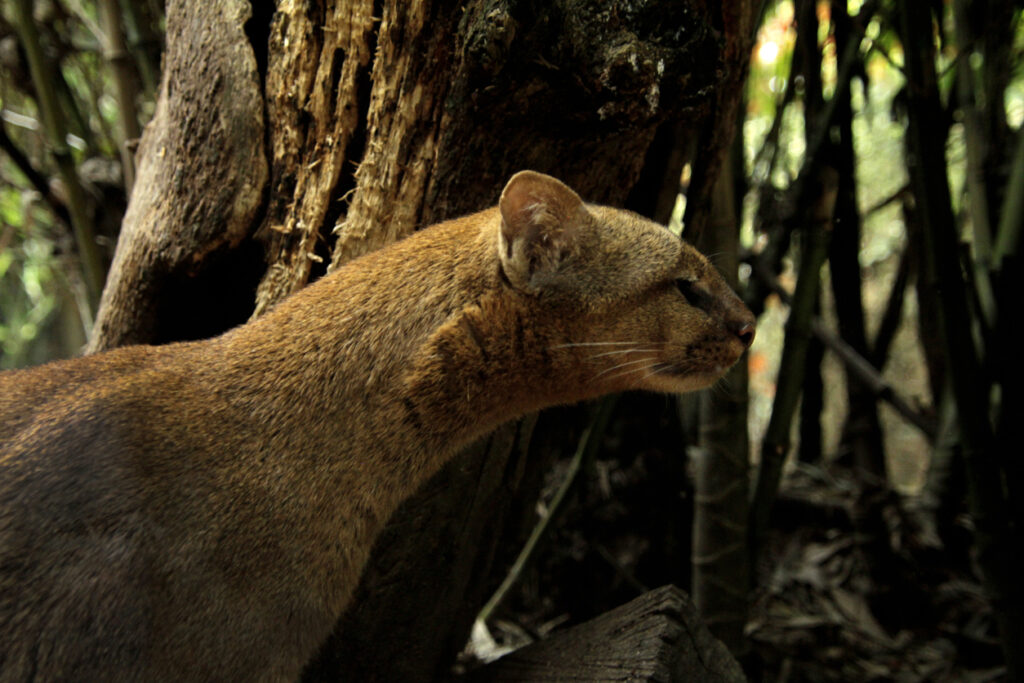
For years, scientists debated whether the grey and red forms of jaguarundis were actually different species. Some early naturalists even classified them separately, given how different their coats appeared. Modern research shows they’re the same species, with coat colour simply a natural variation. This misunderstanding highlights just how unusual jaguarundis appear compared to other wild cats.
13. They remain one of the least studied wild cats.
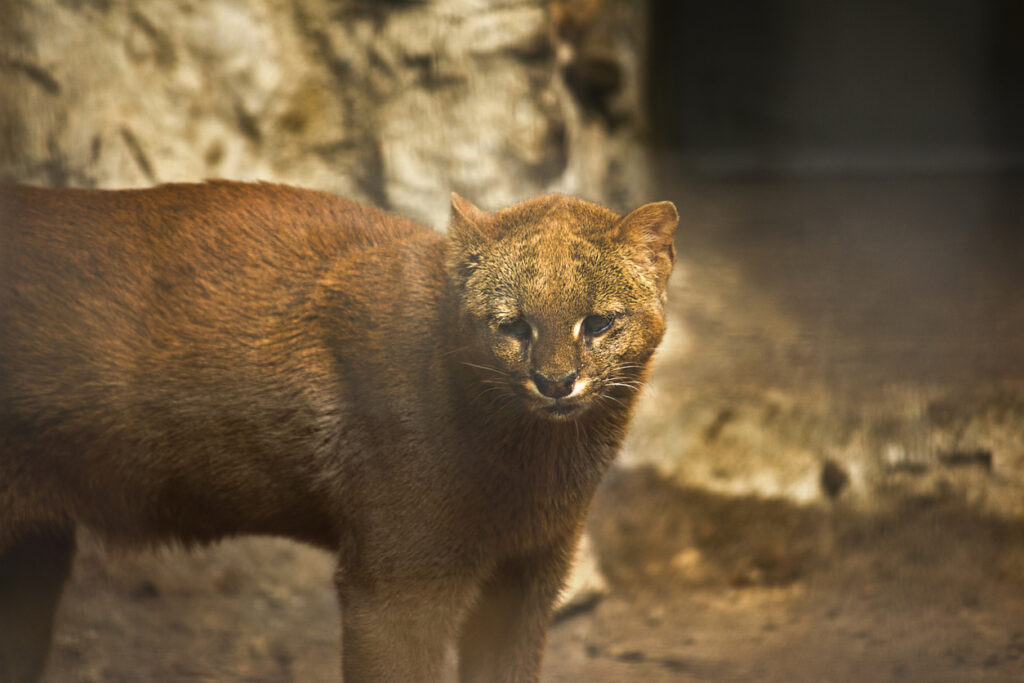
Despite their wide range, jaguarundis remain relatively mysterious compared to larger cats like jaguars or pumas. Their secretive nature and low conservation profile mean fewer studies have focused on them. As a result, there is still much to learn about their behaviour, population numbers, and ecological role. Each new study reveals more about how unique these half-cat, half-otter animals really are.