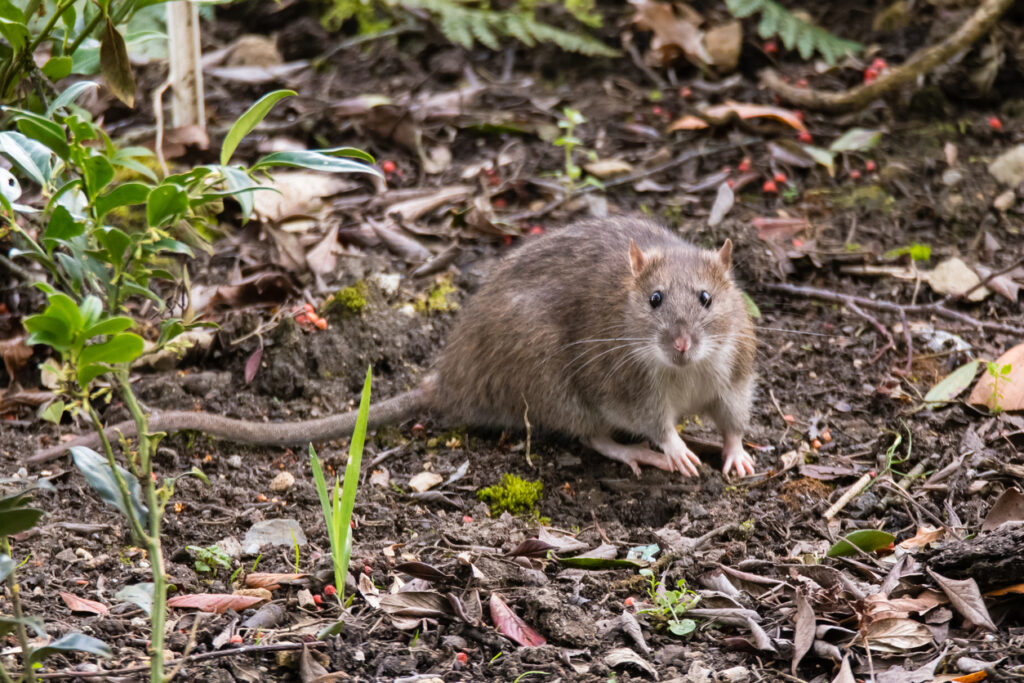
Rats are resourceful and opportunistic, and if your garden provides food, shelter, or easy access, they will move in. Many people encourage them without realising it. These are some common garden features that may be drawing rats into your space.
Bird feeders spilling seed
Bird feeders are meant to support wildlife, but rats often enjoy the leftovers even more than the birds. Spilled seed and fat balls provide a reliable food source, especially when feeders are left unmonitored. Using seed catchers and cleaning around feeders regularly can help reduce the attraction. Placing feeders away from fences or walls also makes it harder for rats to reach them in the first place.
Compost heaps left uncovered
An open compost heap is like an invitation for rats. They’re drawn to food scraps, warmth, and cover, which makes compost a perfect shelter if it’s not managed properly. Using a sealed compost bin instead of an open pile cuts off easy access. Avoid adding cooked food or meat, which attracts pests more quickly than garden waste or peelings.
Rubbish bags stored outdoors
Black bin bags left in the garden provide both food and nesting materials for rats. Even a small tear is enough for them to get inside and feast on leftovers. Keeping rubbish in sturdy bins with secure lids makes a big difference. Moving bags indoors or to a shed until collection day reduces the chance of rats sniffing them out.
Pet food bowls left outside
Leaving pet food outdoors is one of the quickest ways to draw rats into your garden. They will happily clear up kibble, scraps, or any food left behind after mealtimes. Bringing bowls inside immediately after use helps remove temptation. If pets spend time outside, feed them in supervised sessions, so food isn’t left sitting around for opportunistic pests.
Overgrown grass and shrubs
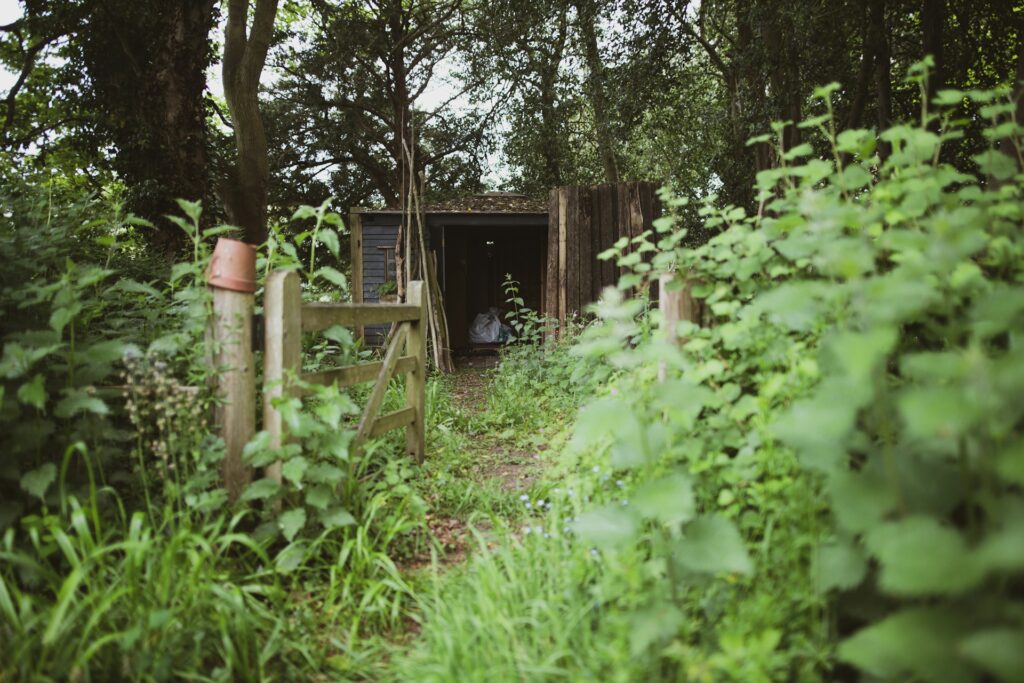
Dense vegetation creates perfect hiding spots for rats. Long grass, thick shrubs, or ivy-covered corners give them shelter to move around unnoticed and set up nests close to food sources. Keeping grass trimmed and pruning shrubs regularly makes the space less appealing. Tidy borders remove cover and expose activity quickly, discouraging rats from settling in your garden.
Unharvested fruit and vegetables
Fruit trees and vegetable patches are prime attractions for hungry rodents. Fallen apples, tomatoes, or berries on the ground provide an easy food supply that rats quickly discover and exploit. Collecting produce as soon as it ripens and clearing away anything that drops keeps temptation to a minimum. Raised beds and secure fencing also help protect edible crops.
Garden sheds with gaps
Old sheds often have gaps around the floor or broken panels, making them perfect nesting sites. With shelter from the weather and easy access to stored items, sheds are ideal for rats to take over. Sealing gaps, repairing damaged panels, and keeping sheds tidy reduces the chances of infestation. Storing food or seed in sealed containers adds another layer of protection.
Piles of wood or clutter
Stacked firewood, old furniture, or even bags of soil provide sheltered nooks where rats can hide and build nests. They are drawn to any pile that offers cover and stability. Storing wood on raised racks and keeping clutter to a minimum helps deny them hiding places. Regularly checking and moving piles also prevents long-term nesting.
Water sources left uncovered
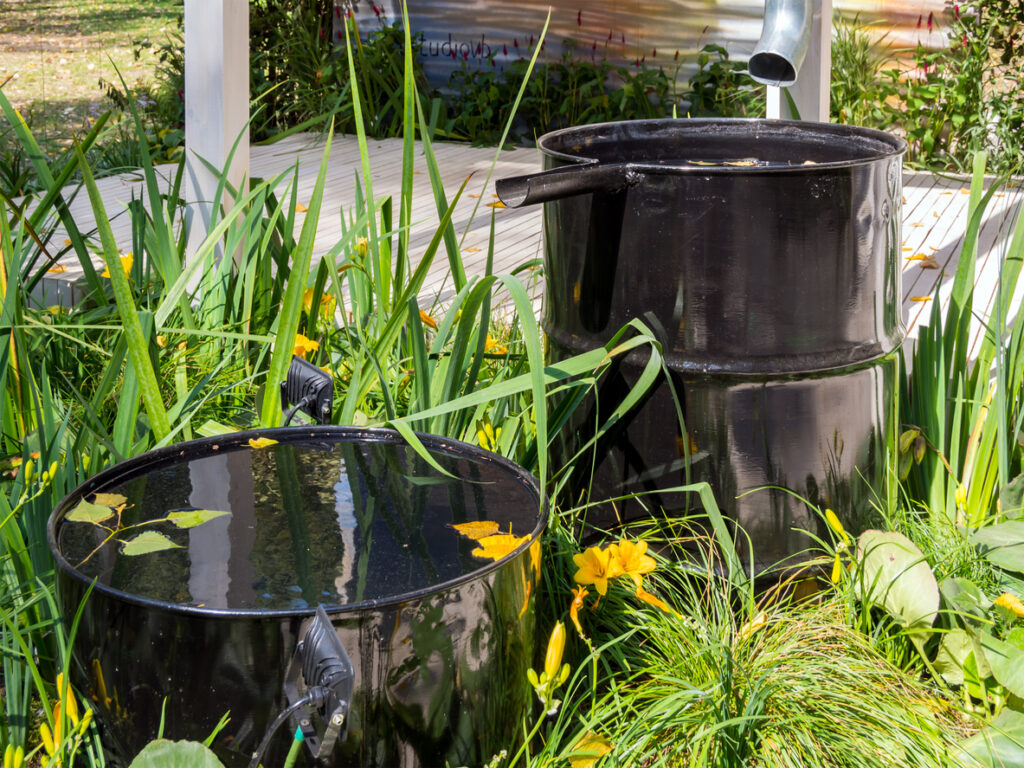
Bird baths, ponds, or even leaking outdoor taps can provide easy drinking water. Rats will happily return if they know a steady supply is available, especially during warmer months. Fixing leaks and refreshing bird baths regularly helps keep water clean for birds, while making it less predictable for rats. Covering or netting ponds can also reduce easy access.
Unused garden furniture cushions
Cushions or fabrics left outdoors make excellent nesting materials. Rats shred them into bedding and enjoy the added warmth they provide, especially when left damp or neglected. Bringing soft furnishings indoors when not in use keeps them safe from both pests and weather damage. Storing them in sealed boxes or containers is the most effective deterrent.
Holes in fences or walls
Even small gaps in fences, decking, or walls are enough for rats to squeeze through. Once inside, they use the cover to travel across gardens without being spotted. Inspecting boundaries regularly and sealing holes quickly helps keep them out. Using wire mesh or strong boards closes off entry points and reduces the risk of them moving in.
Leftover barbecue scraps
Food remains from barbecues or outdoor meals are irresistible to rats. Grease drips, crumbs, and discarded bones provide plenty of reasons for them to visit repeatedly. Cleaning the barbecue thoroughly after use and clearing leftovers immediately reduces temptation. Covering equipment when you’re not using it also helps mask scents that might draw them back.