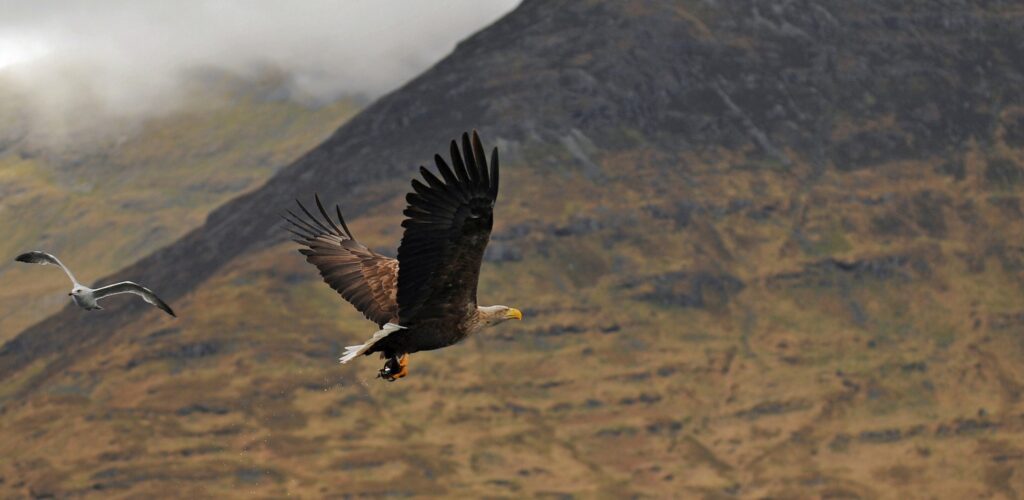
Half a century after the first young birds were ferried from Norway to the Isle of Rum, white-tailed eagles are once again a regular sight in Scottish skies. The comeback has moved from cautious hope to everyday reality: pairs on Mull and Skye, birds drifting over Argyll sea lochs, sightings nudging east. Recent coverage in STV News put a simple headline on it: the species is growing in number more than five decades after reintroduction, with well over two hundred breeding pairs now established. For a bird that was wiped out in Britain in the early 20th century, that’s a remarkable turn.
It didn’t happen accidentally. Sea eagles were among the first big tests of modern species recovery in the UK. The early phase demanded patience: repeated translocations from Norway, careful choice of release sites, years of low numbers with little guarantee of success. By the mid-1980s, the first wild-born chick had fledged on Mull, and the slow build began. What you see today—broad wings flattening into the wind, the white wedge of tail bright against a pewter loch—is the product of long, often quiet work.
How we got here

The species’ collapse was driven by persecution and habitat change; the last native bird in the UK was shot in 1918. Early attempts to bring them back in the 1950s and 60s failed, but the programme launched on Rum in 1975 stuck. The story is set out clearly by NatureScot: releases on Rum led to the first breeding on Mull in 1985, later topped up by further releases on Wester Ross and the east coast, and then the population began to take care of itself. By 2019 there were around 120–130 breeding pairs; today’s total of more than 200 shows how quickly a recovered population can build once survival and breeding conditions are good.
The history has a folklore quality now: boats landing young birds at remote bays, wardens hiking food into hillside cages, but it sits on serious fieldwork. The Scottish Ornithologists’ Club has tracked the milestones for years, recording how early releases failed and why the Rum project worked, and noting the first Mull chick as the moment the tide turned. Those years established the pattern that continues now: protect nest sites, minimise disturbance, keep the public on side, and let the birds do the rest.
Range expansion has followed the same logic. Strongholds on the west coast seeded new territories in neighbouring glens and islands; occasional birds began to cross to the east; and sightings in places like the Cairngorms or the Moray Firth, once treated as wonders, are now simply good news. The species’ curious mix of habits including scavenger, fish-taker, and opportunist helps it fit into varied landscapes. Give it space, prey, and a measure of tolerance, and it gets on with life.
The benefits (and the pinch points)
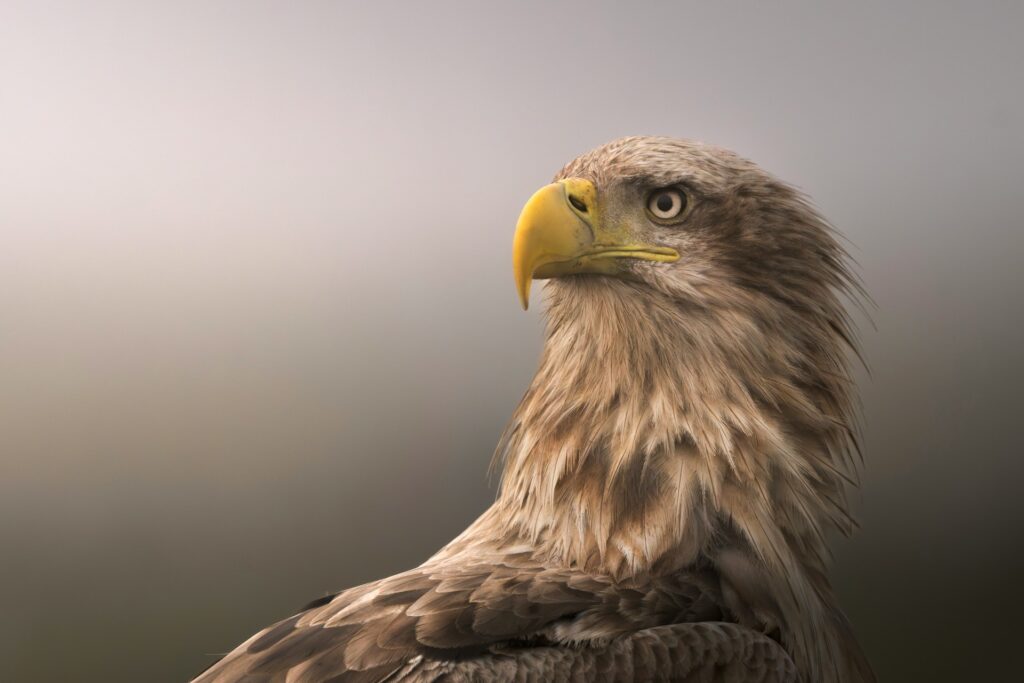
Success brings questions. On Mull, the birds have become part of the island’s identity, and not just in poetry. A decade of research on visitor spend suggests sea eagles are worth millions each year to the local economy, supporting jobs and small businesses; the findings were reported by BirdGuides when the latest study landed. That money flows through boat trips, cafés, B&Bs, ferries and shops. It is one of the clearest examples of wildlife paying its way in modern rural Scotland.
There is, however, a real pinch for some farmers. Lamb losses are emotionally and financially hard, and eagles are easy to blame when dead stock is found on open ground. The truth is nuanced: post-mortems often show scavenging rather than kills, and weather and disease take their share. Even so, there are cases where eagles do take live lambs, and those losses matter to the people who bear them. The management scheme run and explained by NatureScot is the bridge here: practical advice on husbandry, trial measures like diversionary feeding at sensitive times, and compensation where evidence supports it. None of that removes the stress of lambing on exposed hillsides, but it shows the state recognises the cost of living alongside a big predator.
Public perception is another gear to mesh. Sea eagles are not golden eagles and do not behave like them; they spend a lot of time loafing on headlands and rafts of kelp, they will lift a dead salmon from a river as happily as they’ll take a grey mullet from a sea pool, and they are just as likely to peel a rabbit from a verge. That opportunism helps them thrive near people, but it can also bring them into conflict. Good interpretation at viewpoints, clear guidance from rangers, and honest messaging about what the birds do and do not eat helps dial down the noise.
So, what now?
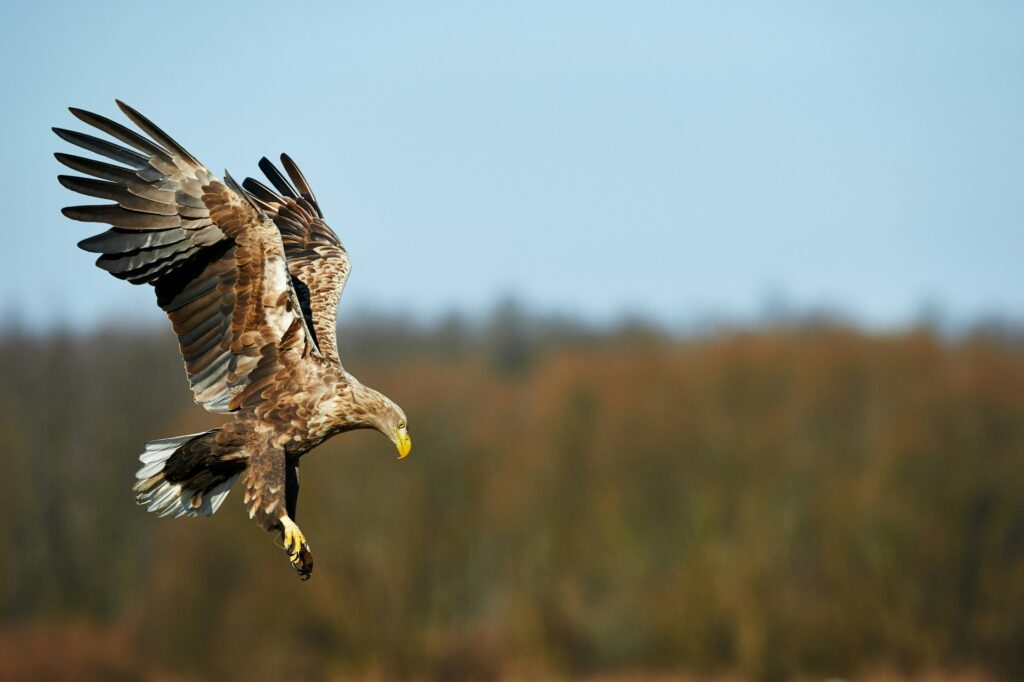
The line through the next decade is already sketching itself in. Numbers will continue to rise where habitat and prey allow; young birds will push into new ground; and the east will see more nests as gaps are filled. Climate adds a variable: storms and shifting fish stocks can hit productivity, but a wide diet helps buffer the species. The task for agencies and communities is to keep the recovery on a steady footing: keep nest sites safe from disturbance, keep data flowing, so policy is based on evidence, and keep support in place for farms that carry the risk of early-season losses.
There is also a bigger, joined-up picture emerging across Britain and Europe. England’s young population, seeded from releases on the Isle of Wight and now breeding in the south, points to a time when sea eagles are once again a truly British bird. That arc of recovery makes the Scottish story even more valuable: it shows how to bring a species back without turning rural life upside down, and how to share the gains when wildlife starts lifting local economies.
If you want a single measure of change, think back to the 1970s. Then, a sea eagle in Scotland was a rumour and a hope. By 2019, the official figure was around 120–130 breeding pairs. Now, that total has cleared 200. The line on the graph is pointing the right way.
The takeaway is simple. Given time, protection and a fair hearing, a lost bird can return and settle back into the weave of a landscape. Sea eagles will still test patience on lambing hills and will still pull a cheer from a viewpoint car park when someone lifts binoculars and says, “There.” The job now is to keep the balance: back the science, keep the support for those who carry the risk, and remember that the sight of a great bird banking over a sea loch has value you can feel, even if you can’t always count it.