
September is a turning point in the gardening calendar. The days are cooler, light is changing, and the soil holds the last of summer warmth. Planting now sets up colour, harvests, and structure for the months ahead. Here are 10 great choices if you’re looking forward to the seasons ahead.
1. Spring bulbs for early colour
September is the ideal month to start planting spring-flowering bulbs like daffodils, crocuses, and hyacinths. Soil is still warm enough for root development, giving bulbs time to settle before winter. This preparation ensures bursts of colour at the very start of spring.
Plant them in groups for maximum impact, and consider layering varieties with different blooming times. Doing so provides an extended display of flowers when gardens are just waking up from winter.
2. Hardy greens for autumn harvests
Fast-growing leafy greens such as spinach, kale, and rocket can be sown in early September. They take advantage of the cooling weather and shorter days, which make leaves more tender and flavoursome. These crops thrive in the residual warmth of late summer soil. Covering them with cloches or fleece extends their season even further. This makes September sowings an efficient way to keep fresh greens on the table well into late autumn.
3. Garlic for next year’s crop
Garlic planted in September benefits from a long growing season. Bulbs need a cold spell to split into cloves, so autumn planting sets them up for plumper, more reliable harvests the following summer. Choose a sunny, free-draining spot and space cloves well apart. By giving them this early start, you reduce the risk of rot and boost their size come harvest time.
4. Perennial flowers for long-term structure
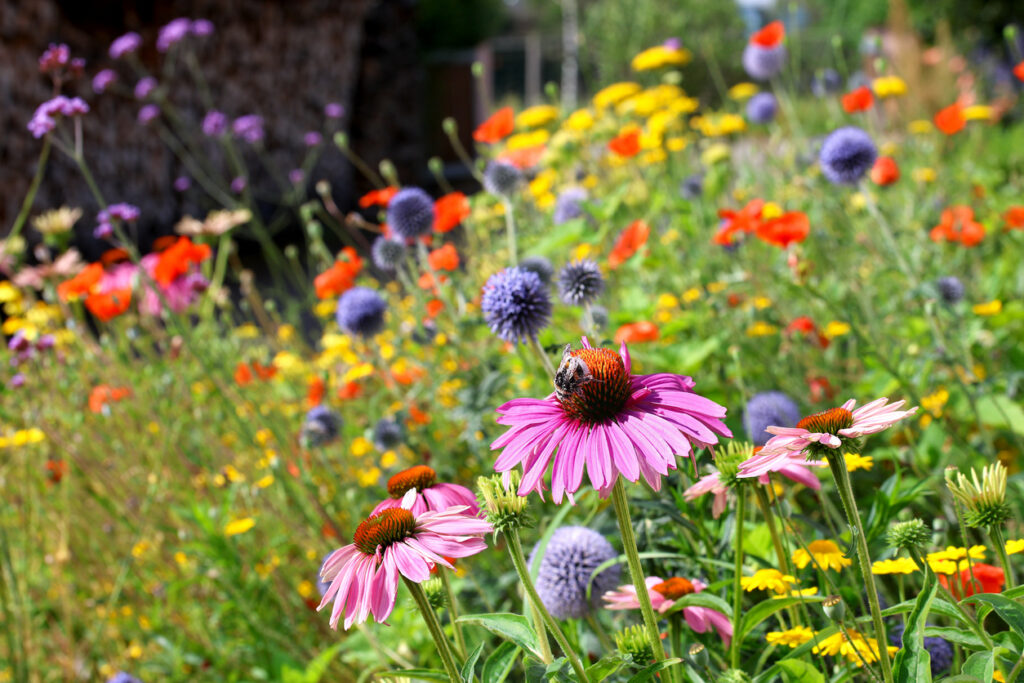
September is perfect for planting perennials such as echinacea, rudbeckia, and asters. Warm soil encourages strong root growth, while cooler air reduces stress on new plants. They settle in quietly over winter, ready to flourish in spring and summer. Adding perennials now gives gardens structure for the long term. Planting in autumn also means less watering and fewer weeds, making it easier for plants to establish successfully.
5. Winter brassicas for steady supply
Cabbages, Brussels sprouts, and sprouting broccoli can still be planted in September if you want crops through winter. These sturdy vegetables thrive in cooler conditions, producing reliable yields when little else is available in the garden. Supporting them with netting or fleece protects against pests and frost. With just a little effort, brassicas planted now become a backbone for winter meals.
6. Autumn-flowering crocuses
Not all crocuses wait until spring. Autumn-flowering types planted in September bloom within weeks, bringing fresh colour just as other flowers fade. Their lilac and purple petals brighten borders and pots during a season when colour is often scarce. These bulbs are easy to grow and return year after year. Planting them alongside spring bulbs extends crocus displays across two seasons, adding depth to the garden calendar.
7. Herbs for overwintering indoors
Perennial herbs such as rosemary, thyme, and chives can be planted outdoors in September, where they establish roots before cold weather. Tender herbs like basil can be potted up and brought indoors to continue providing fresh flavour through winter.
This combination keeps your kitchen stocked with herbs year-round. By planning now, you avoid bare months and enjoy both hardier outdoor growth and indoor windowsill crops.
8. Fruit trees and bushes
September marks the beginning of bare-root planting season for fruit trees and bushes. Apples, pears, currants, and gooseberries planted now benefit from months of root growth before spring. The cooler conditions also mean less watering is required during establishment.
Planting fruit this month is an investment in long-term harvests. With care, trees and bushes will provide fruit for years, making autumn planting one of the most rewarding decisions in the garden.
9. Sweet peas for early blooms
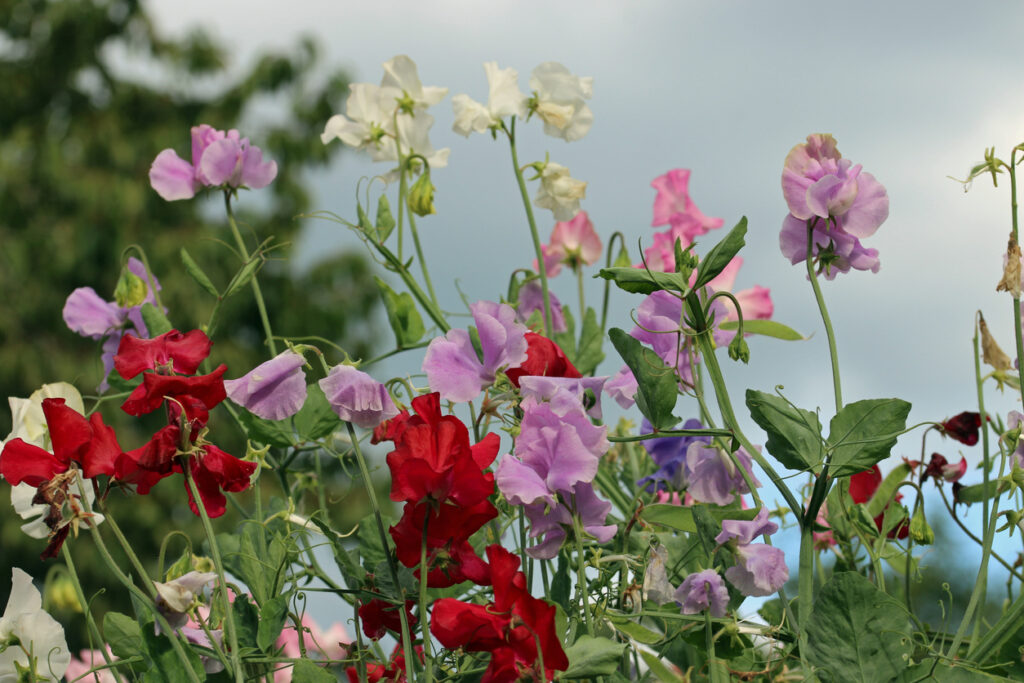
Sowing sweet peas in September gives them a head start. Young plants establish roots during the cooler months, allowing them to shoot up quickly in spring. This early sowing often leads to stronger plants with earlier flowers. Protect seedlings in a cold frame or greenhouse until winter passes. By planning ahead now, you secure a longer, more colourful display next year.
10. Green manure to enrich soil
When beds are cleared of summer crops, September is the perfect time to sow green manures like clover, vetch, or rye. These plants protect soil from erosion, suppress weeds, and add nutrients when dug in before spring planting.
This simple step keeps soil active through the colder months. By spring, beds will be richer and easier to work, rewarding you with healthier growth for the season ahead.