Autumn in Britain is often seen as the winding down of the gardening year, yet for many plants, it’s the season they thrive.
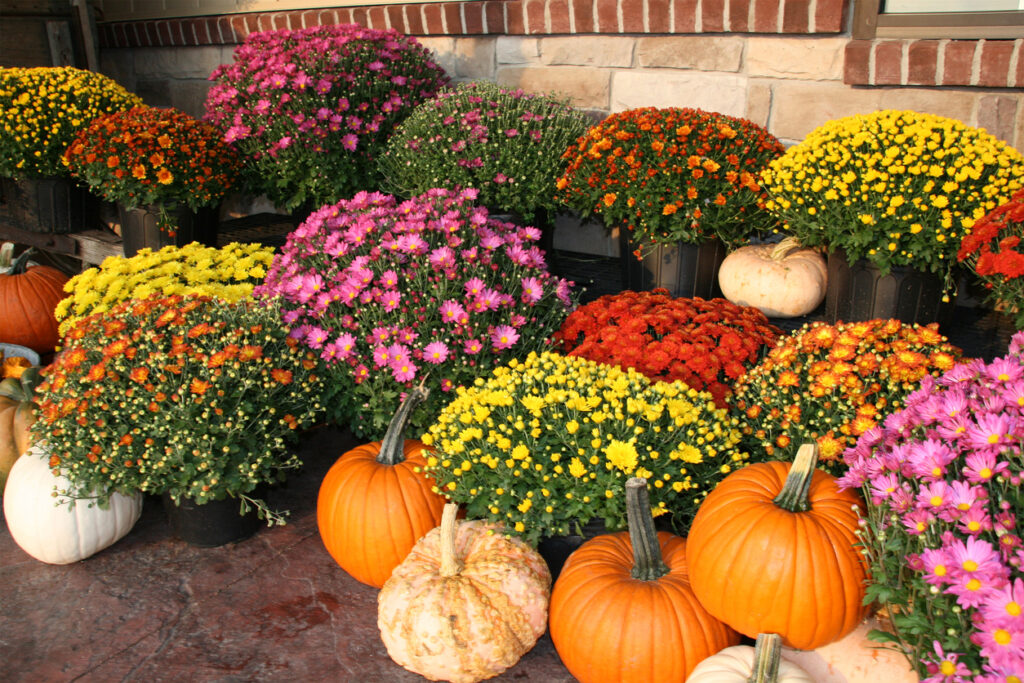
With cooler air, gentler light, and reliable rainfall, autumn brings opportunities to refresh, replant, and enjoy vibrant displays. These are some of the most beautiful flowers and bits of foliage to have in your garden as the weather gets colder.
1. Japanese anemones keep borders glowing.
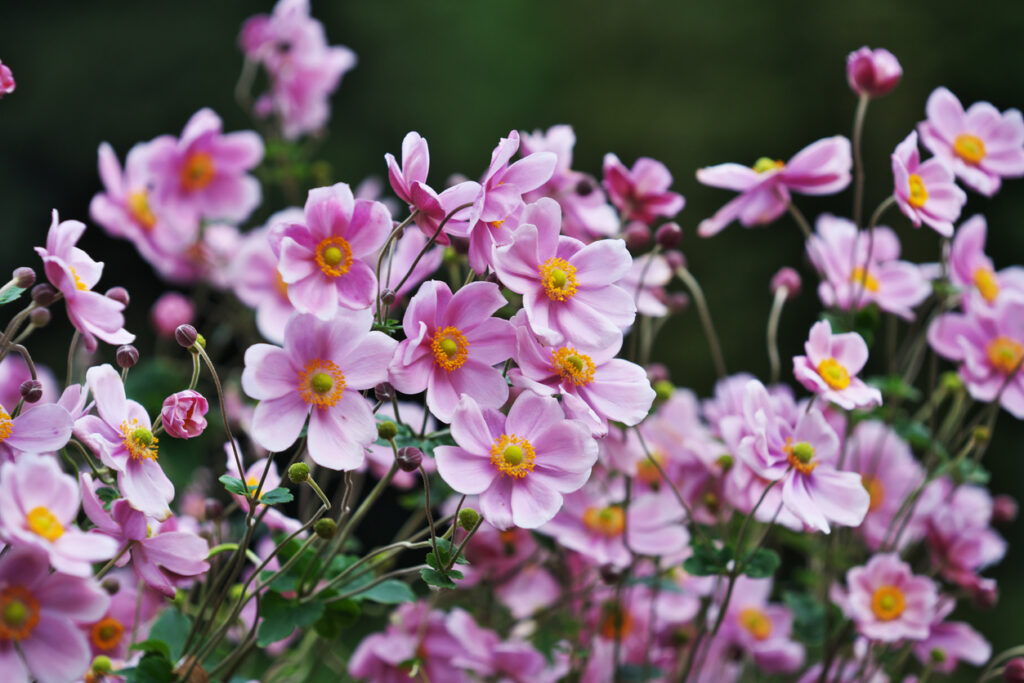
Japanese anemones are among the longest-lasting autumn flowers, carrying soft pink or crisp white blooms well into October. They spread steadily over the years, filling gaps in borders just as summer perennials begin to fade away.
These plants prefer partial shade and moist soil, making them ideal for British gardens with mixed conditions. Once established, they need little attention, rewarding gardeners with graceful flowers and a reliable source of late-season colour.
2. Sedums attract pollinators until frost.
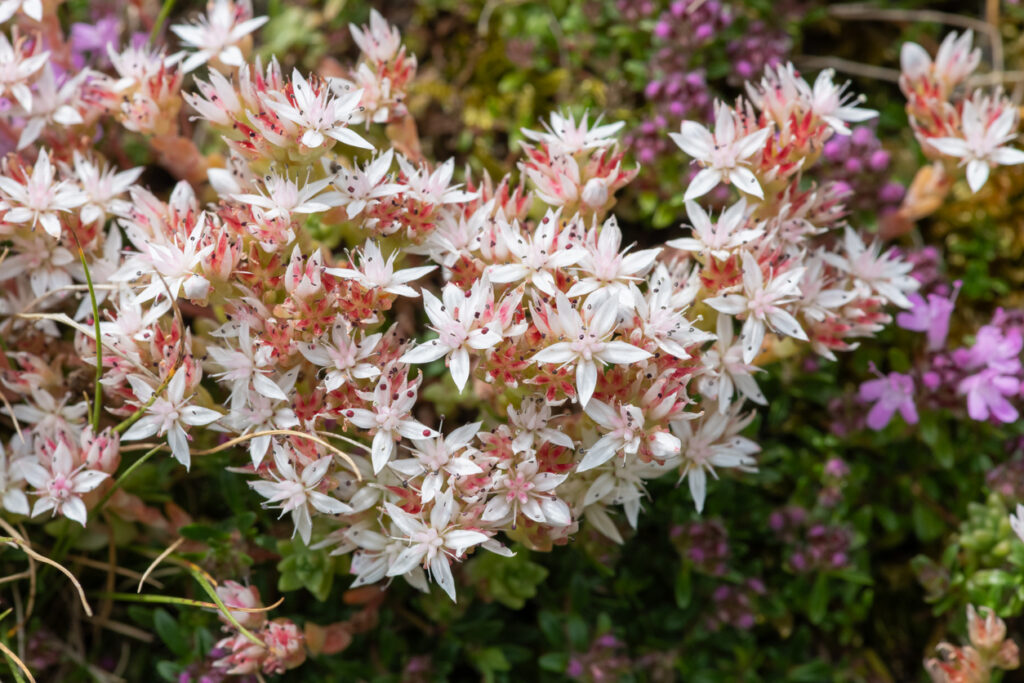
Also known as stonecrops, sedums offer clusters of star-shaped flowers that deepen in colour as the season progresses. Their thick stems and fleshy leaves provide structure even after the flowers have passed, keeping borders attractive into winter.
Bees and butterflies love sedums, which makes them especially valuable for pollinator-friendly gardens. Planting them in sunny spots ensures strong growth and provides nectar just when many insects are running short of food sources.
3. Dahlias extend the summer spirit.
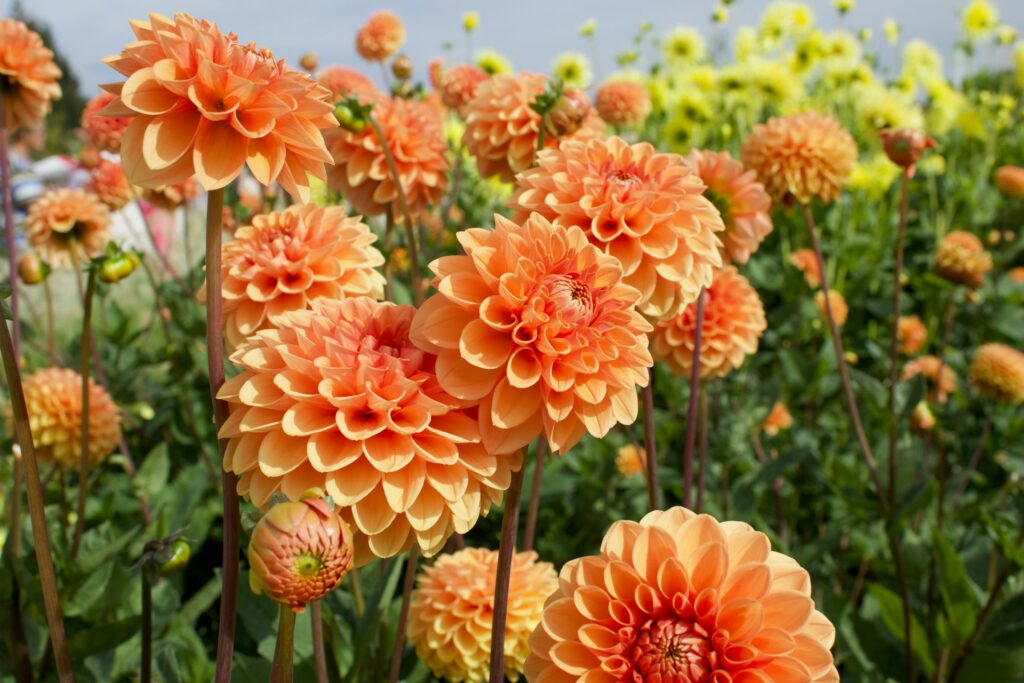
Dahlias are renowned for their show-stopping blooms that last until the first frosts. From bold dinner-plate varieties to neat pom-poms, they add drama and colour at a time when many gardens are fading into brown and gold.
They do require a bit of care, particularly lifting and storing the tubers in colder regions, but the reward is months of flowers. Cutting them regularly encourages more growth, making them both beautiful and practical for autumn arrangements.
4. Cyclamen bring colour to shady corners.
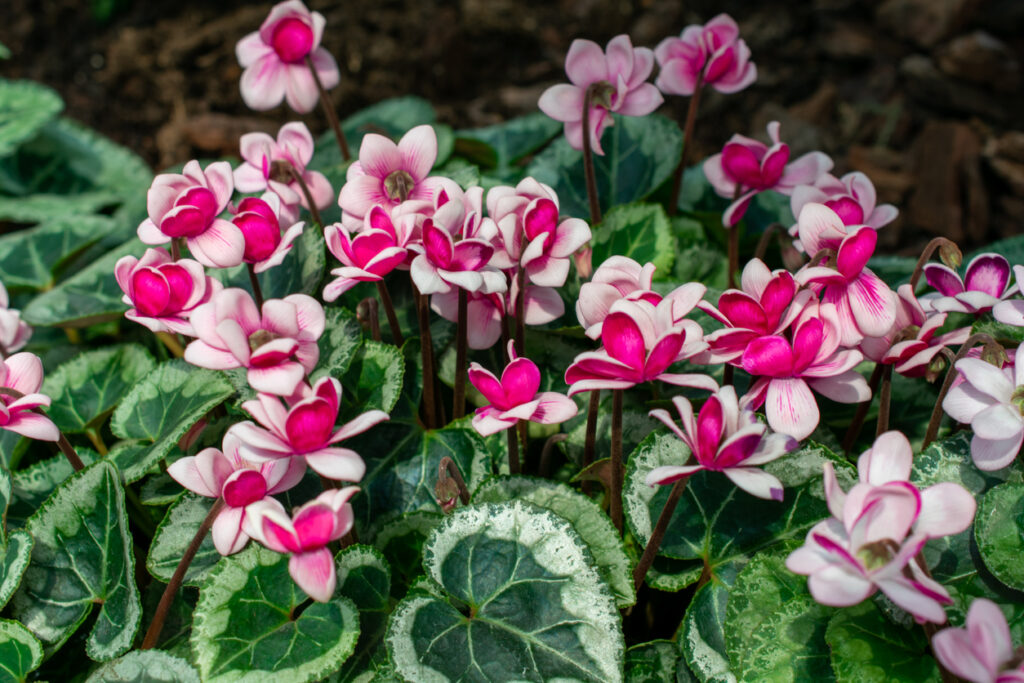
Hardy cyclamen thrive in the cool, damp shade under trees where few other plants succeed. Their patterned leaves and delicate blooms in shades of pink, white, and purple appear when most groundcover is fading.
They naturalise well in British conditions, gradually forming carpets of colour that return year after year. Ideal for woodland gardens or beneath deciduous shrubs, cyclamen are a simple way to brighten darker spots in autumn.
5. Michaelmas daisies provide late bursts of blue.
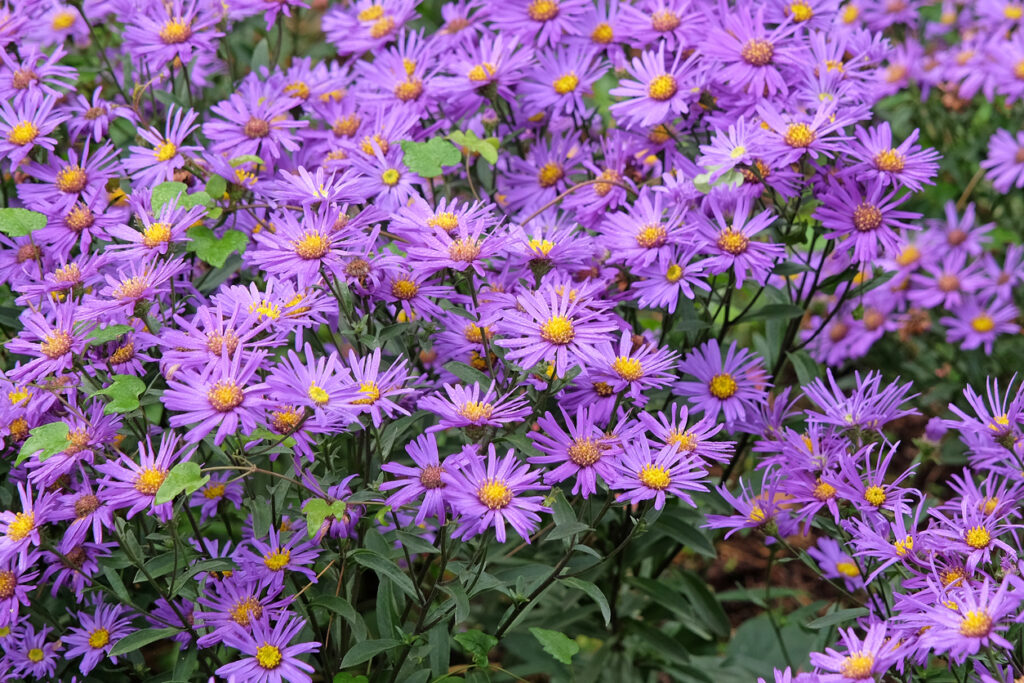
These autumn-flowering asters light up borders with masses of blue, purple, or pink daisy-like flowers. They’re especially valuable because their colour contrasts beautifully with the warmer tones of autumn foliage and late-flowering yellows.
Michaelmas daisies thrive in sunny positions with well-drained soil and will spread generously if left unchecked. Cutting them back in early summer helps control their size and encourages even more blooms come autumn.
6. Chrysanthemums add richness and variety.
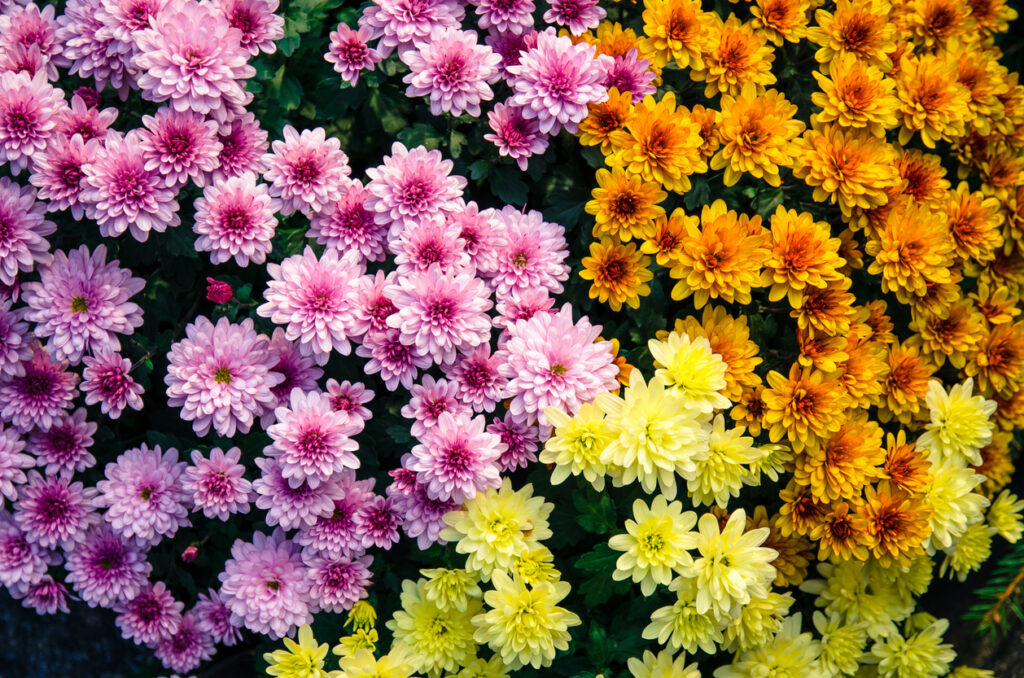
Chrysanthemums have long been associated with late autumn, and modern varieties provide everything from neat domes of flowers to sprawling sprays. They offer vibrant colours when many plants are retreating for winter.
They can be grown both in the ground and in pots, making them versatile for any garden. With some protection from frost, their season can stretch deep into November, extending the gardening year further than most plants allow.
7. Ornamental grasses give movement and texture.
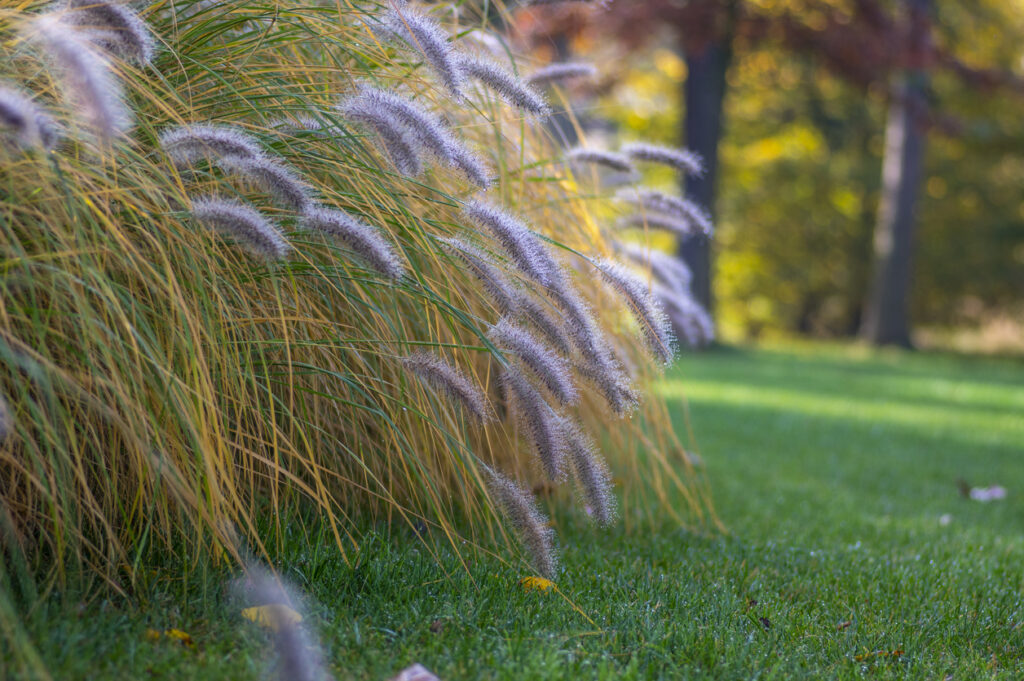
Grasses such as miscanthus, panicum, and pennisetum come into their prime in autumn, producing plumes that sway in the breeze and catch the low sun beautifully. Their structure helps gardens look full even as flowers fade.
They’re easy to grow in most British soils and require little maintenance once established. Leaving the seed heads standing through winter not only adds texture but also provides food and shelter for wildlife.
8. Autumn crocus surprise with sudden blooms.
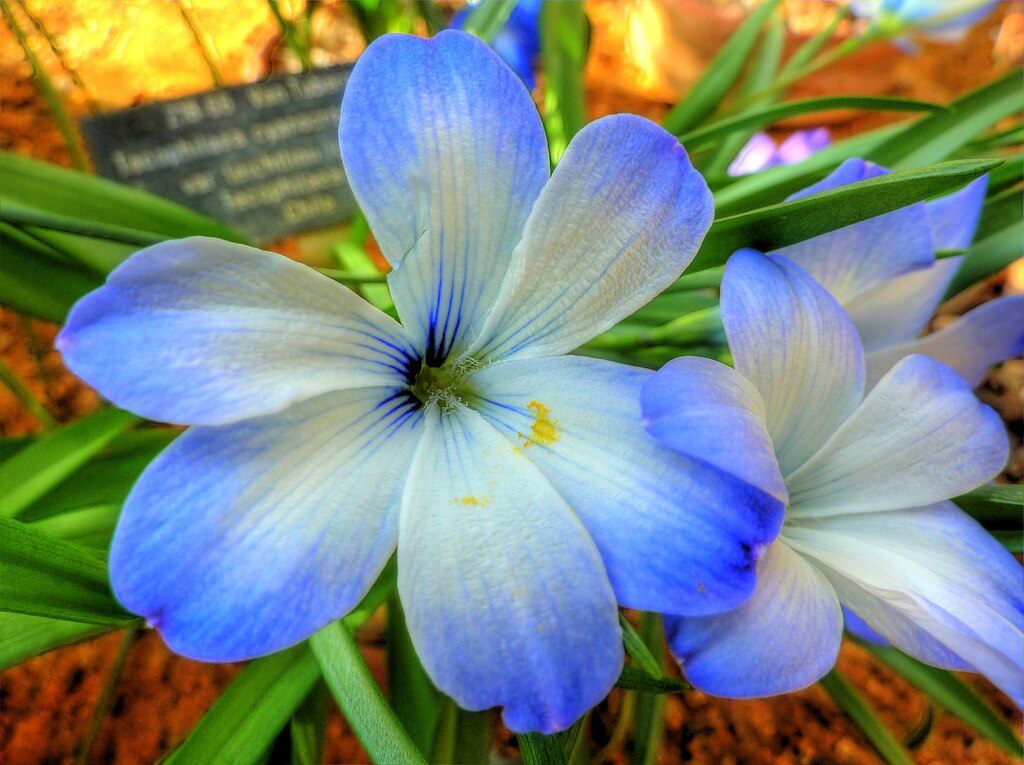
Also called colchicums, autumn crocus push through bare soil to deliver bold lilac or pink flowers when few expect them. Unlike spring crocus, their leaves appear in spring and disappear by summer, leaving only the flowers in autumn.
They thrive in moist, fertile soil and work well naturalised in lawns or under deciduous trees. Their sudden appearance gives an element of surprise and adds charm to gardens just as the days shorten.
9. Heathers brighten borders and containers.
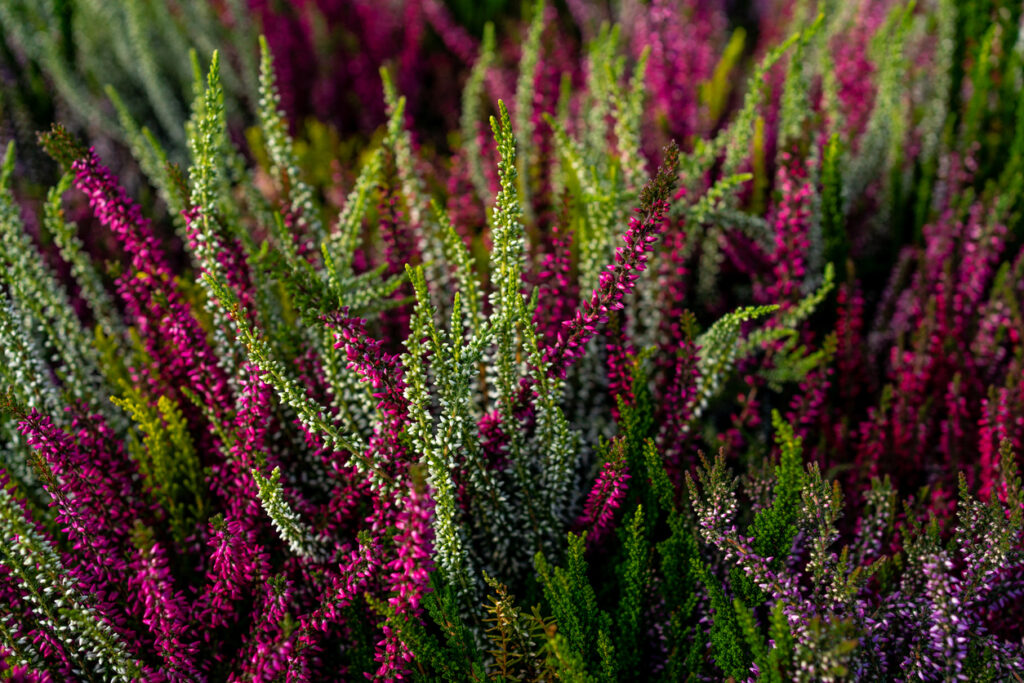
Autumn-flowering heathers provide carpets of pink, white, and red flowers that can last right into winter. They’re particularly valuable in acidic soils where other plants struggle, making them a reliable choice for many British gardens.
They pair beautifully with dwarf conifers and ornamental grasses, creating low-maintenance displays. Even when not in flower, their evergreen foliage keeps borders colourful and structured through the colder months.
10. Nerines sparkle with exotic colour.
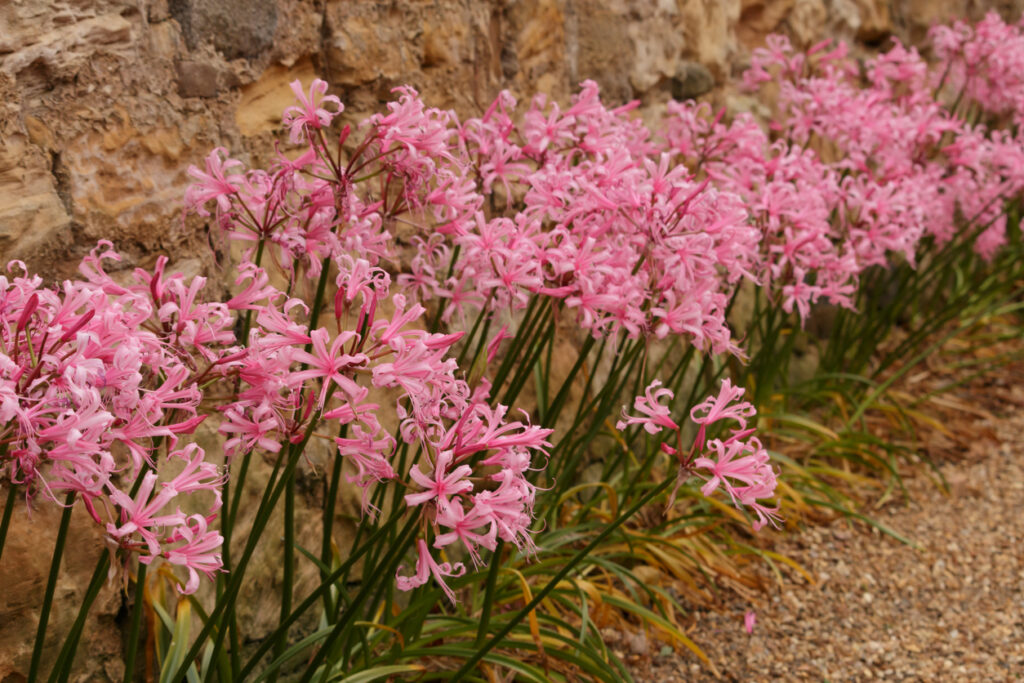
Nerines, sometimes called Guernsey lilies, bring unexpected brightness with clusters of starry pink flowers in September and October. Their strappy green leaves emerge later, allowing the flowers to take full stage in autumn.
They thrive best in sunny, sheltered spots and look striking planted against south-facing walls. Although they may seem exotic, they perform reliably in British conditions and provide a fresh shot of colour as days shorten.
11. Viburnums give fragrance and foliage.
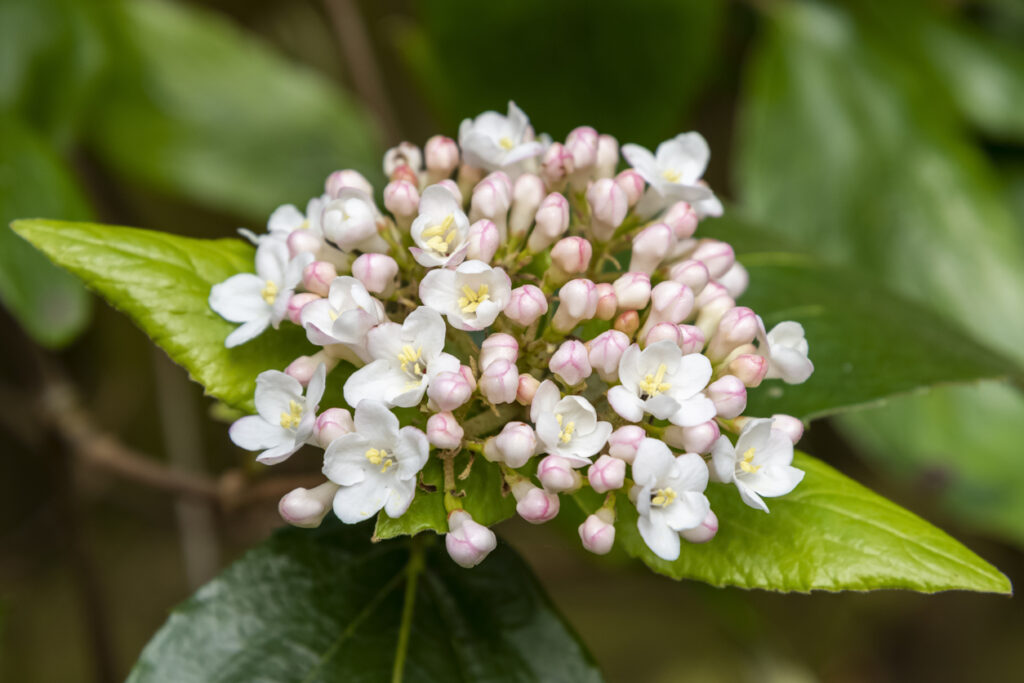
Several viburnum varieties flower in autumn, offering clusters of white or pink blooms, often paired with berries and colourful leaves. Their fragrance is a welcome addition when many gardens are winding down for winter.
They’re hardy shrubs well-suited to British weather and can be pruned easily to keep their shape. Planting them near paths or doorways makes the most of their scent during crisp autumn mornings.
12. Winter pansies bridge the seasons.
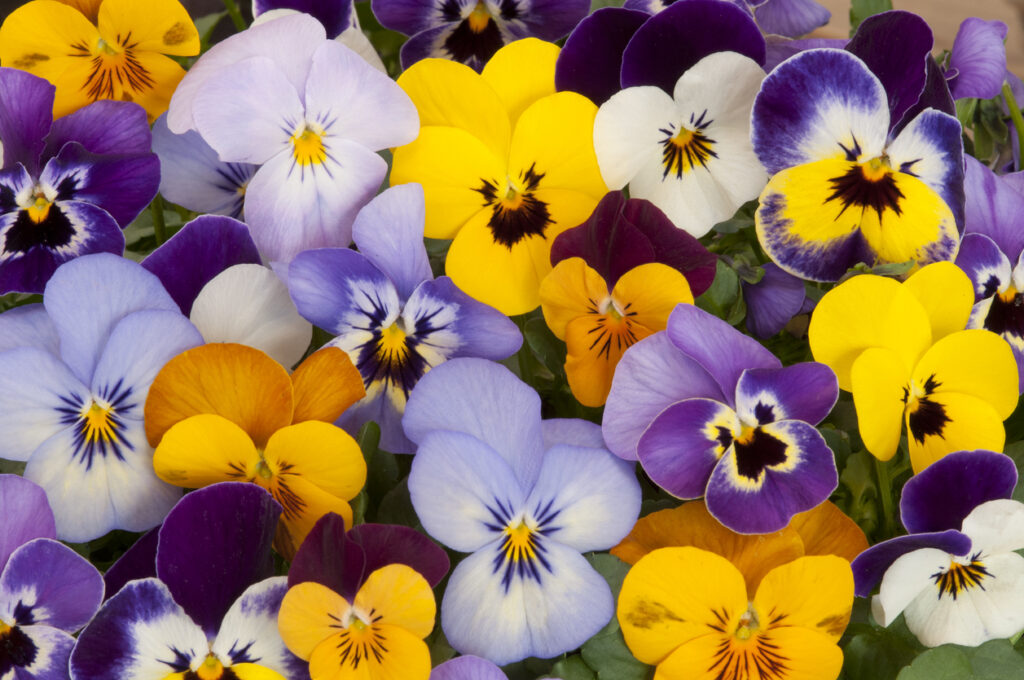
Planted in autumn, winter pansies bloom right through to spring, filling beds, borders, and containers with cheerful colour. Their resilience makes them a favourite for keeping gardens alive during the darker months.
They’re inexpensive, easy to grow, and provide instant impact. Choosing varieties bred for winter hardiness ensures reliable flowering, making them the perfect bridge between autumn’s last display and spring’s first show.