
Acid rain seemed like a problem we solved decades ago, but in 2025, signs suggest it’s creeping back in worrying ways. From weakened protections to new chemical threats, here are twelve reasons acid rain could be making a comeback.
Rolling back emissions protections has really hurt us.
Decades of progress came from strict limits on sulphur dioxide and nitrogen oxides, but some governments are loosening these rules. Without those safeguards, pollutant levels rise and the risk of acid rain returns far faster than most people realise.
The danger isn’t theoretical. Relaxed standards mean higher emissions, and that reopens the door to problems we thought were behind us. Forests, lakes, and soils could once again face harmful levels of acidity.
Weakening environmental monitoring isn’t doing us any favours.
Tracking rain acidity and soil chemistry is vital, but many long-running monitoring programmes are losing funding. Without early warning systems, subtle increases in acidity can go unnoticed until ecosystems are already damaged.
Strong data was what allowed us to fight acid rain last time. Cutting back on monitoring leaves us vulnerable to repeating old mistakes without realising until it’s too late.
Soils are still recovering.
Many soils have never fully regained the nutrients lost during the last acid rain crisis. With calcium and other minerals still depleted, they remain fragile and unable to buffer even small rises in acidity.
This means that a slight increase today could harm trees and crops far more quickly than before. Vulnerable land is still paying the price for past decades, making it easy for new damage to take hold.
Forever chemicals are creating acid rain.

Modern rain carries more than the classic pollutants. A chemical called trifluoroacetic acid, formed when PFAS break down, is now appearing in rainfall worldwide. Unlike older forms of acid rain, it persists and spreads everywhere it falls.
This new type of chemical rain is harder to control, and once it reaches water supplies it’s nearly impossible to remove. It’s a 21st century twist on an old problem.
Rain now carries microplastics and PFAS.
Tests show rainwater even in remote regions contains PFAS and microplastics. These synthetic pollutants behave like acid rain, contaminating soil and water long after storms pass. Unlike natural acids, they don’t wash away quickly.
Every downpour becomes a delivery system for pollutants. The result is that rain is no longer as clean as we once assumed, and ecosystems face constant chemical stress.
Freshwater and forests remain vulnerable.
Acid rain isn’t just about chemical novelty. Sulphur dioxide and nitrogen oxides are still present in the atmosphere, and when controls slip, lakes, rivers, and trees suffer first. Aquatic life and forest soils are especially sensitive.
We may not see dead lakes as in the 1980s, but small increases can still cause major damage. Keeping these pollutants in check is just as important as before.
Stronger storms concentrate pollutants.
Climate change means rainfall is arriving in heavier bursts. When acidic or polluted rain falls all at once, the shock to soil or waterways is greater than when it arrives gradually, overwhelming natural buffering systems. That concentrated acidity makes individual storms more damaging. Weather extremes are amplifying the risks acid rain already poses.
There’s a risk to infrastructure and heritage.
Acid rain once corroded statues and buildings, and the same threat exists again. Concrete, paint, and stone are all vulnerable to prolonged acidic precipitation, leading to costly damage over time. If acid levels rise again, historic monuments and modern infrastructure could deteriorate faster. This isn’t only an environmental risk, but also an economic one.
Public health concerns are very real.
Acid rain indirectly harms human health by adding fine particles to the air and altering soil chemistry. These changes can worsen asthma, heart disease, and other respiratory conditions in already polluted areas. When combined with modern contaminants like PFAS, the health impacts intensify. Communities close to heavy industry will feel the effects first and most severely.
Fragile ecosystems are under a lot of strain.
Some environments, such as alpine lakes and wetlands, are especially sensitive to small pH changes. Acid rain pushes them out of balance quickly, leading to species loss or disrupted nutrient cycles. These ecosystems take centuries to form, but only a few years of acidity to collapse. They can’t recover easily if the problem resurfaces.
Uneven global action makes things more complicated.
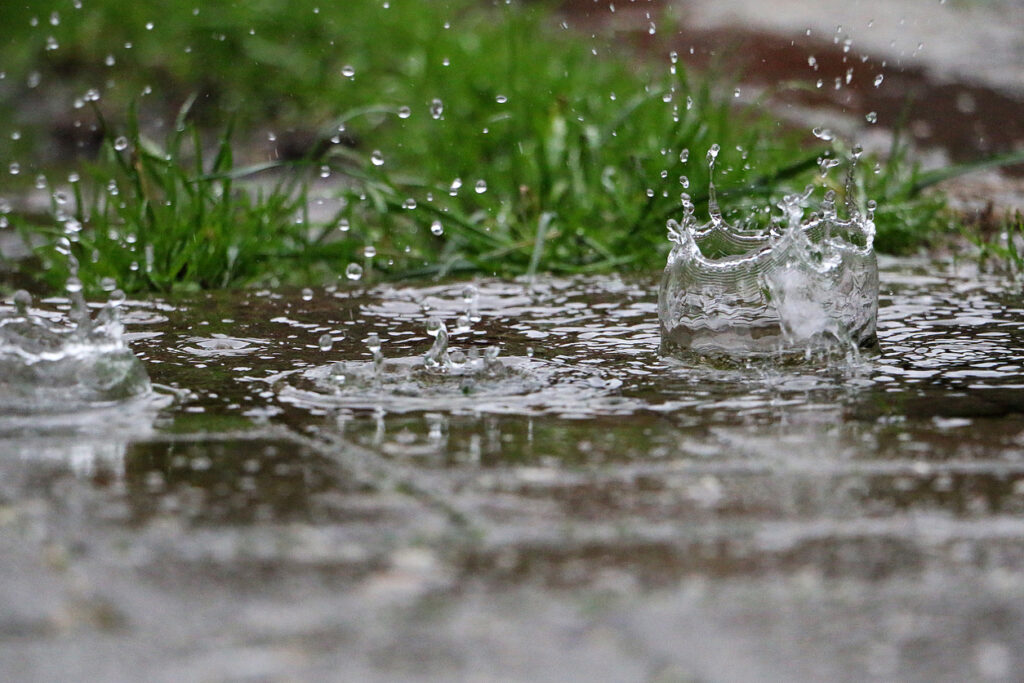
Not all countries have reduced pollution equally. Some are rolling back standards, while others never enforced them fully. Since air pollution crosses borders, one country’s weak rules can cause acid rain in its neighbour’s forests and lakes.
Making such uneven progress risks undermining global achievements. Unless action is consistent, gains in one region may be cancelled out by inaction elsewhere.
Preventing a second crisis is vital.
The return of acid rain is not inevitable. Strong regulation, proper monitoring, and phasing out harmful chemicals can still keep it at bay. The risk comes from complacency more than inevitability. We solved this once and could do so again. But ignoring the signs means repeating a crisis that should have stayed in the past.