
Having a hedge on your own land doesn’t mean you can do whatever you like with it, unfortunately. UK rules are surprisingly strict in places, especially when wildlife, neighbours, or public safety are involved. While generally speaking, you’re not going to have enforcement officers at your door for the occasional “offence,” especially since most people aren’t even aware of the legalities, these are 12 things you’re not actually allowed to do, according to the law.
Some of these are common sense, while others are downright bizarre.
1. You can’t rip out a countryside hedgerow.
In rural areas, hedges aren’t just decoration, they’re part of the landscape’s history. The Hedgerows Regulations 1997 make it illegal to remove certain countryside hedges without permission. If yours is considered “important,” because of age, wildlife, or historic value, pulling it out could land you with fines or an order to put it back.
The smart move is to contact your local planning authority before you even think about removal. They’ll check records and decide if it’s protected. Even if it’s not, getting written clearance saves arguments later and keeps you firmly within the rules.
2. You can’t cut during bird nesting season.
Between 1 March and 31 August, most hedge cutting is restricted to protect nesting birds. Even if your hedge looks scruffy, disturbing an active nest is against the law. This rule applies to farmers and homeowners alike, so you can’t simply tidy up because it suits you.
If your hedge really needs attention in summer, check carefully for nests before trimming. If you find any, hold off until autumn. Outside nesting season, you’re free to cut as much as needed, but always keep an eye out for wildlife first.
3. You can’t treat land right up to the hedge.
Farmers now face strict two-metre buffer zones around hedges where no ploughing, spraying, or fertilising is allowed. This might seem unnecessary, but the rule protects hedge roots and reduces chemical run-off into the countryside. Even private landowners benefit from following it.
Respecting the buffer keeps hedges healthy and supports the wildlife living inside them. If you’re farming, it also keeps you eligible for government schemes. Ignoring it risks both penalties and the long-term health of your boundary lines.
4. You can’t let hedges block roads or paths.
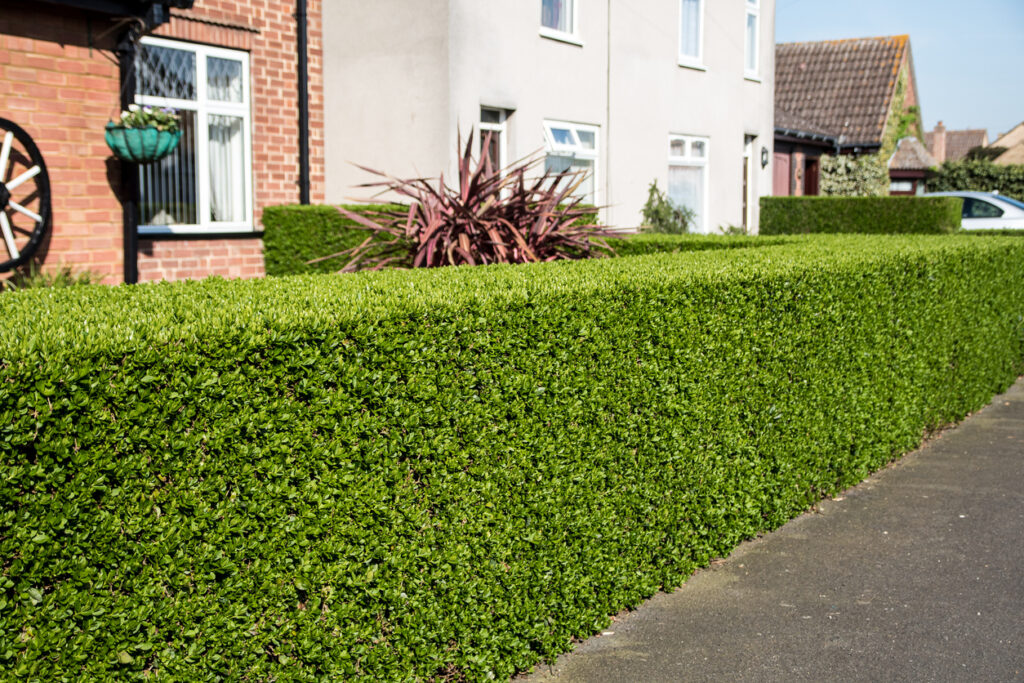
If your hedge spills onto a pavement, public path, or road, the council can step in. Overgrown hedges that block signs, lights, or visibility are considered hazards under the Highways Act 1980. If you ignore a notice to cut them back, the council can do it themselves and send you the bill.
Stay on top of trimming where your land borders public routes. A neat hedge keeps everyone safe and saves you from enforcement letters. It also shows respect for neighbours and passers-by who use the space daily.
5. You can’t plant too close to highways.
Planting a hedge right up against a road or footpath without permission is a no-go. It may block sightlines for drivers, narrow pavements, or create future maintenance problems. Once planted, removing or cutting back can become a messy legal process.
Always plant set back from the boundary if there’s a road involved. If you’re unsure, ask your council’s highways department. It’s easier to get it right from the start than to fight over an obstruction later.
6. You can’t trim your neighbour’s side.
If a hedge runs along the boundary, you can cut back any branches or roots that grow into your land. But stepping into your neighbour’s side to trim without permission is trespassing. Even if you think you’re being helpful, it can trigger disputes.
The safer option is to talk first. Most neighbours will agree if the hedge has got out of hand. If they refuse, you’re still entitled to tidy what’s on your side. Just don’t cross the line without consent.
7. You can’t ignore nesting wildlife.

Hedges are homes for birds, bats, and insects. The Wildlife and Countryside Act makes it illegal to destroy active nests or harm protected species. Even in your own garden, you could face fines for disturbing wildlife sheltering inside your hedge.
Before cutting, have a good look inside. If you spot nests, wait until chicks have left. Protecting wildlife doesn’t just keep you legal, it helps biodiversity thrive right outside your window.
8. You can’t remove “important” hedgerows.
Some hedges are formally designated as “important” because they’re centuries old or contain rare plants and animals. These aren’t just countryside features, they’re legally protected landmarks. Removing them is out of the question without special approval.
If your hedge falls into this category, expect the council to issue a retention notice preventing removal. It means you’ll be maintaining it indefinitely, but it also preserves a living part of local history.
9. You can’t ignore council notices.
When hedges become a nuisance by blocking light, posing hazards, or threatening safety, councils can issue remedial notices. These carry legal weight, and ignoring them can lead to fines or forced work done at your expense.
It’s always better to fix issues early. A quick trim or bit of maintenance avoids formal complaints and keeps you on good terms with both the council and your neighbours.
10. You can’t demand your neighbour cuts theirs just for height.
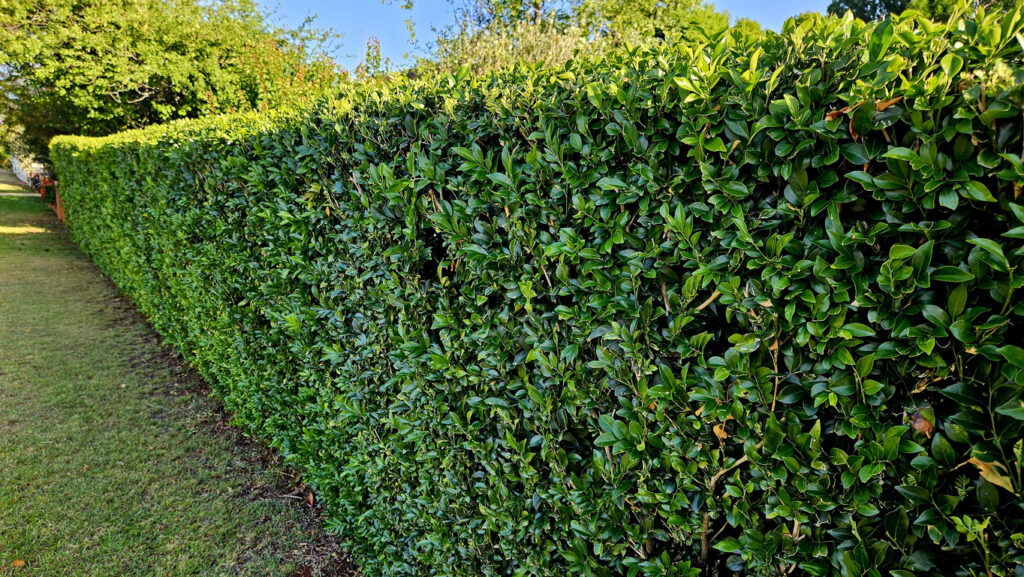
Tall hedges can be annoying if they block sun or views, but you can’t demand your neighbour cuts them unless they fall under “high hedge” rules in the Anti-Social Behaviour Act. Even then, it’s a matter for the local authority, not you.
If you’re bothered by a neighbour’s hedge, try talking first. If nothing changes, you can apply to the council for an investigation. They’ll decide if it’s unreasonable and whether to issue a notice for it to be reduced.
11. You can’t replace a shared hedge with a wall without agreement.
If a hedge sits directly on a boundary and both parties use it, it’s usually classed as jointly owned. Removing it and replacing it with a fence or wall without agreement can lead to boundary disputes and even legal action.
Before making changes, confirm who owns what and get your neighbour’s input. Written agreements help avoid conflict. Where boundaries are unclear, Land Registry plans or mediation can clarify things before they escalate.
12. You can’t assume garden hedges are exempt.
Even in private gardens, hedges aren’t always free of restrictions. If your home is in a conservation area, near a listed building, or subject to planning conditions, you may need permission before altering or removing a hedge.
Check with your council’s planning department before major work. It might feel tedious, but it protects you from fines and ensures you’re not accidentally damaging the character of the area.