Thanks to the efforts of conservationists across the world, we’re actually making strides in saving certain wildlife populations.
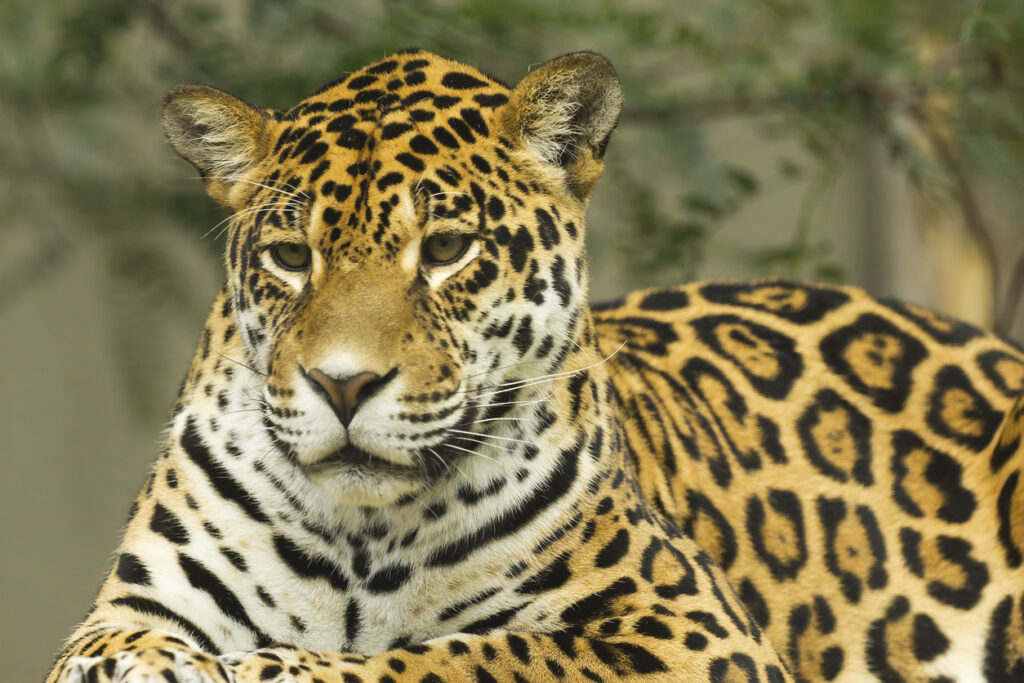
We’re constantly being told that everything’s doomed and all the animals are becoming extinct, but here’s a story that’ll actually make you feel good about the future for once: Mexico’s jaguar population is up 30%, which is absolutely incredible and shows that when we get it right, nature can bounce back in amazing ways.
They were basically wiped out across most of their range.
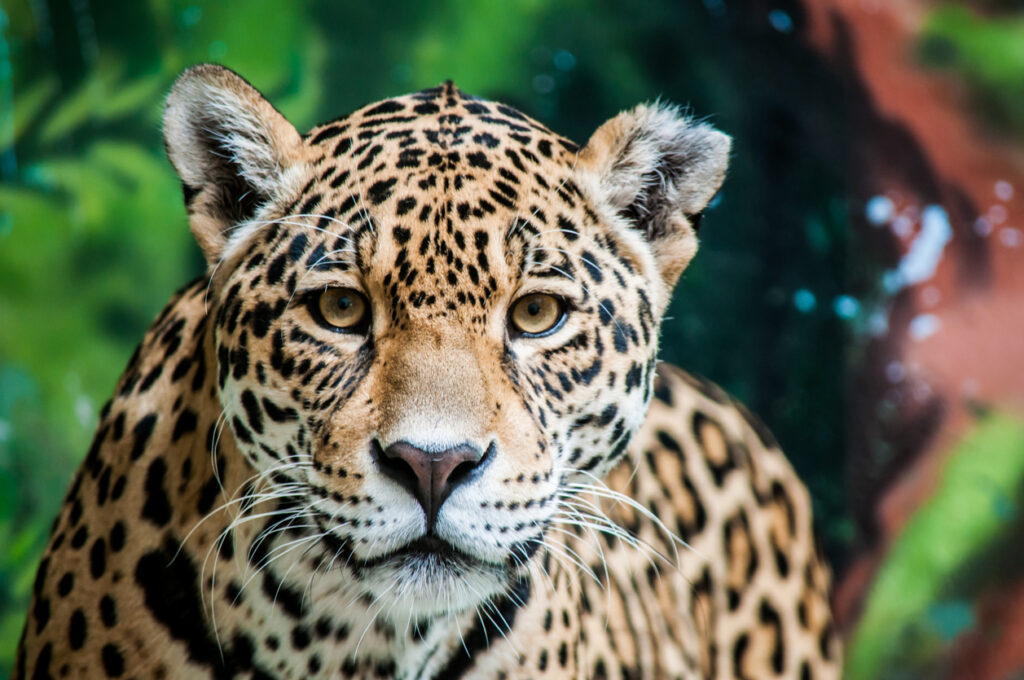
By the 1960s, jaguars had disappeared from huge chunks of Central and South America, where they’d lived for thousands of years. Hunting for their gorgeous spotted coats, plus habitat destruction for cattle ranching, had pushed these cats to the brink.
However, this near-disaster became the wake-up call that conservationists needed. Sometimes you have to almost lose something completely before people realise how precious it actually is.
The fur trade was absolutely devastating their populations.
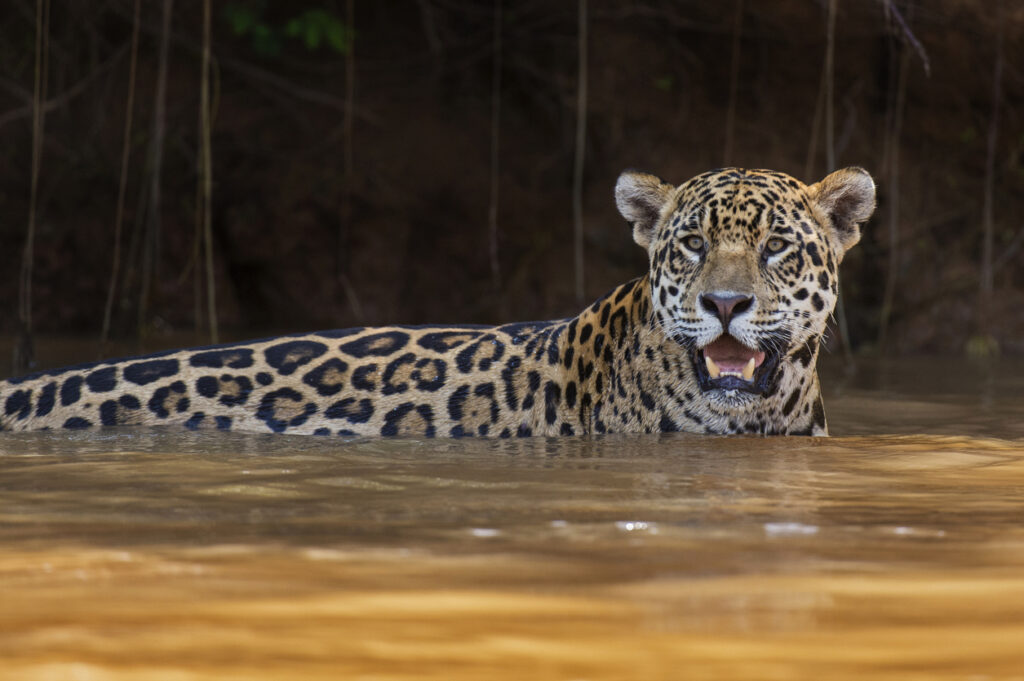
In the 1960s and 70s, jaguar pelts were incredibly fashionable for coats and accessories. Thousands of animals were killed every year just so people could look glamorous at parties.
International pressure and changing fashion trends eventually made jaguar fur socially unacceptable. Sometimes shame works better than laws when it comes to stopping destructive trends.
Ranchers saw them as livestock killers to be eliminated.
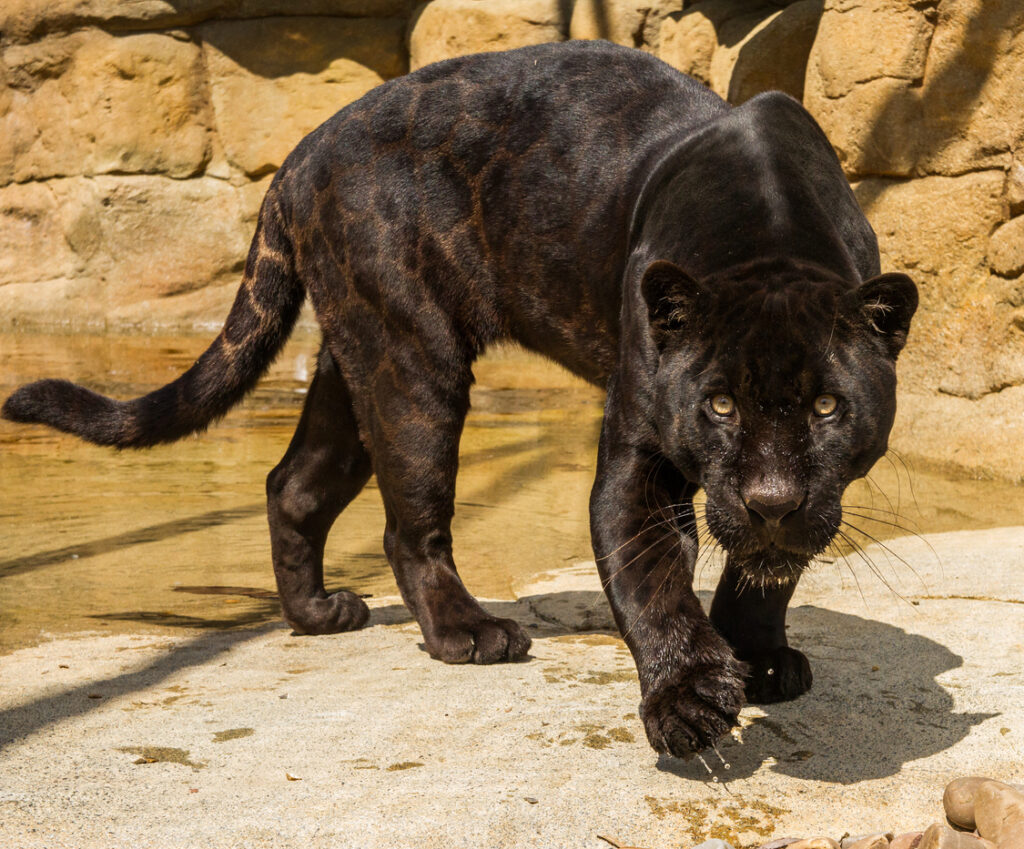
Cattle ranchers across Latin America viewed jaguars as expensive problems that would kill their cows and horses. The solution seemed obvious: shoot every jaguar on sight.
That conflict seemed impossible to solve until conservationists started working with ranchers instead of against them. Programs that compensate for livestock losses have transformed many ranchers into unlikely allies.
Their habitat was being chopped up into tiny fragments.
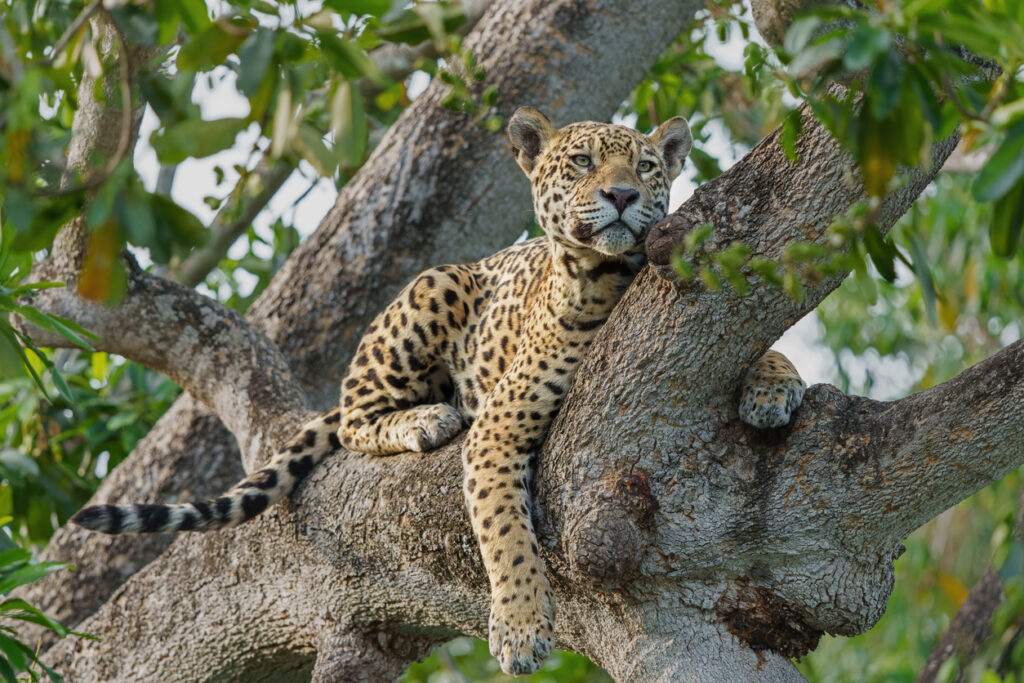
Roads, farms, and cities were carving up the vast forests that jaguars need to survive. Small isolated populations couldn’t find mates or hunt effectively anymore.
The solution was creating wildlife corridors that connect fragmented habitats. It sounds simple, but getting governments and landowners to cooperate took decades of patient negotiation.
Nobody really understood how jaguars lived and what they needed.
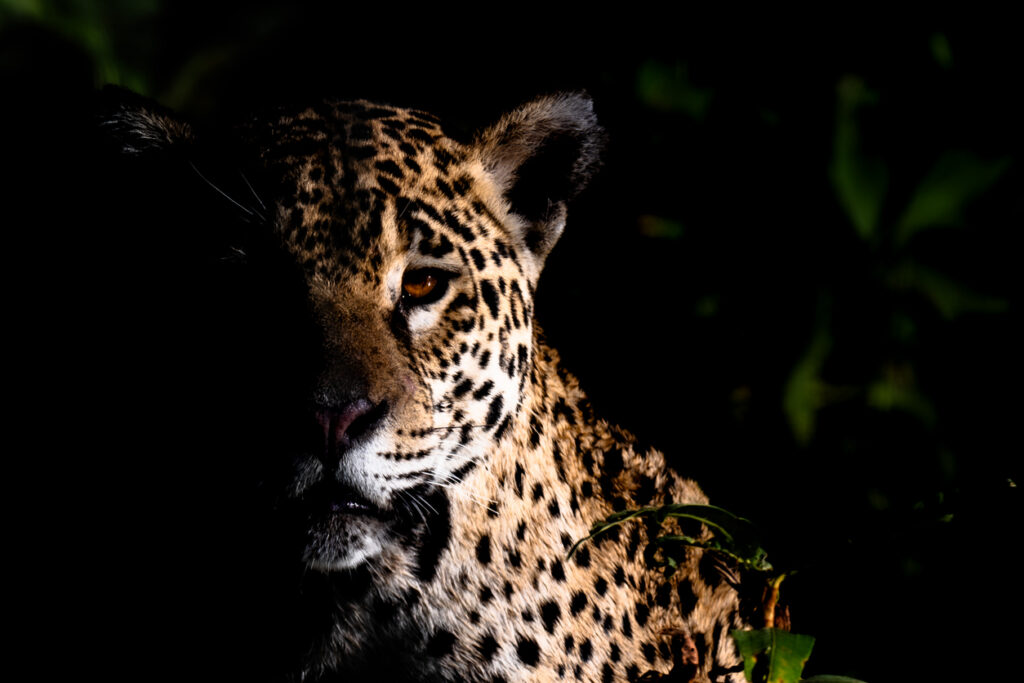
Early conservation efforts were basically guesswork because scientists hadn’t studied jaguar behaviour properly. How can you protect an animal when you don’t know what it needs?
Long-term research using GPS collars and camera traps finally revealed jaguar secrets. This knowledge became the foundation for conservation strategies that actually work.
Local communities were left out of conservation planning.
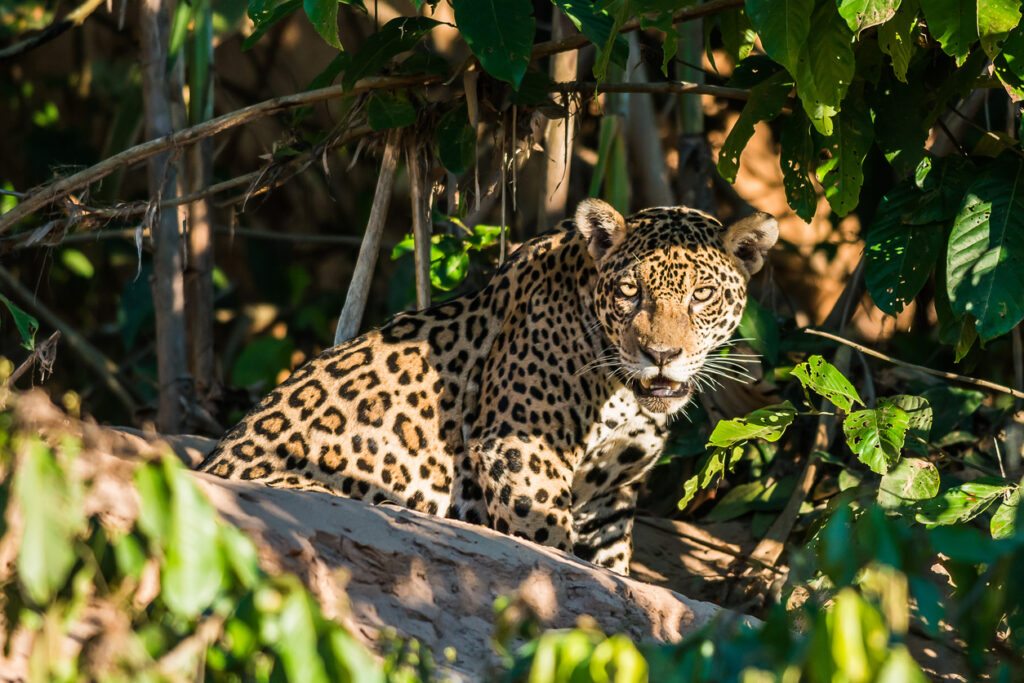
Early conservation was very top-down, with foreign scientists making decisions without consulting people who’d lived alongside jaguars for generations. Unsurprisingly, many programs failed.
Modern jaguar conservation puts local communities at the centre. These programs provide economic benefits through ecotourism while respecting traditional knowledge about living with big cats.
There was no international cooperation between countries.
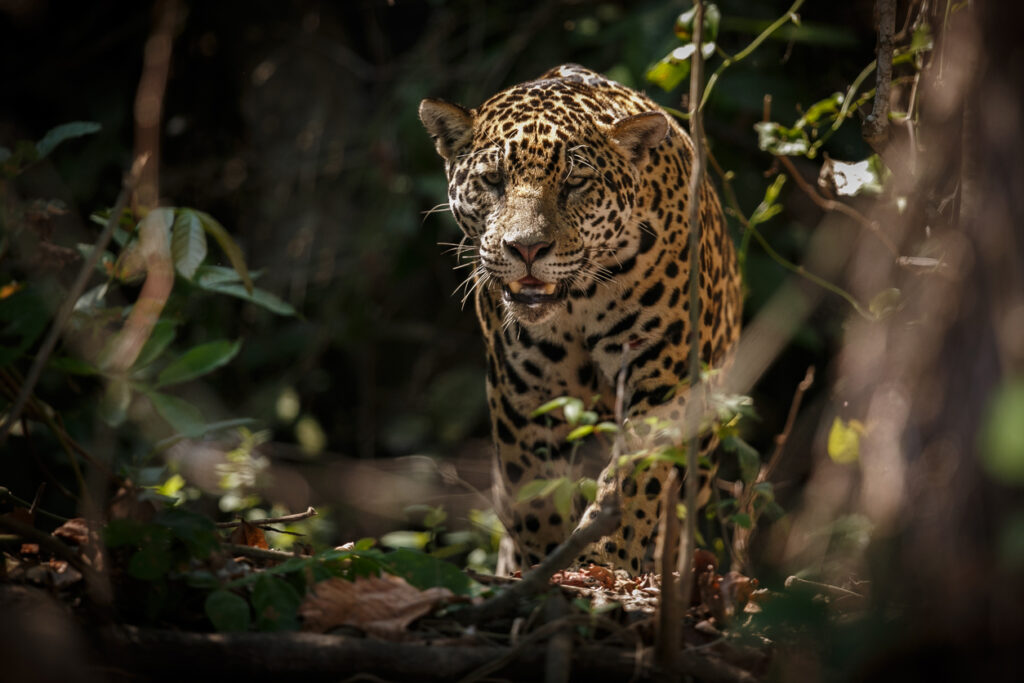
Jaguars don’t recognise national borders, but conservation efforts were happening in isolation. A jaguar wandering between countries was basically out of luck.
The Jaguar Corridor Initiative now connects protected areas across 18 countries. Getting that many governments to work together on anything is remarkable, especially wildlife conservation.
Camera traps revolutionised how we monitor populations.
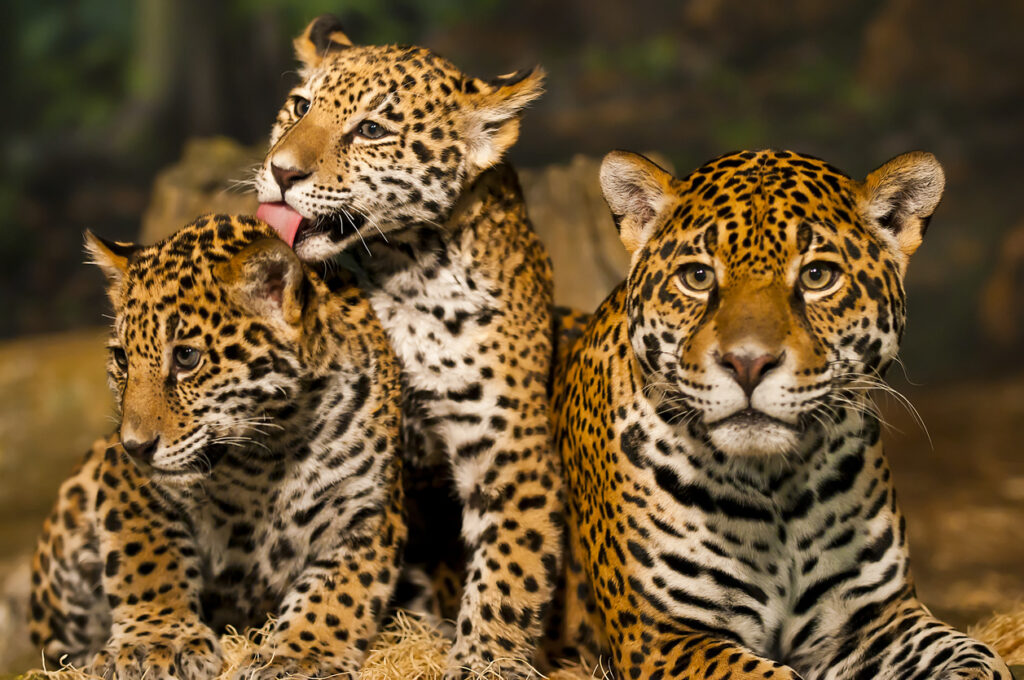
Before camera traps, counting jaguars was nearly impossible because they’re so secretive. Scientists had to rely on footprints and occasional sightings, which wasn’t very accurate.
Camera traps can now identify individual jaguars by their unique spot patterns. This technology transformed jaguar conservation from guesswork into proper science.
Ecotourism created economic value for living jaguars.
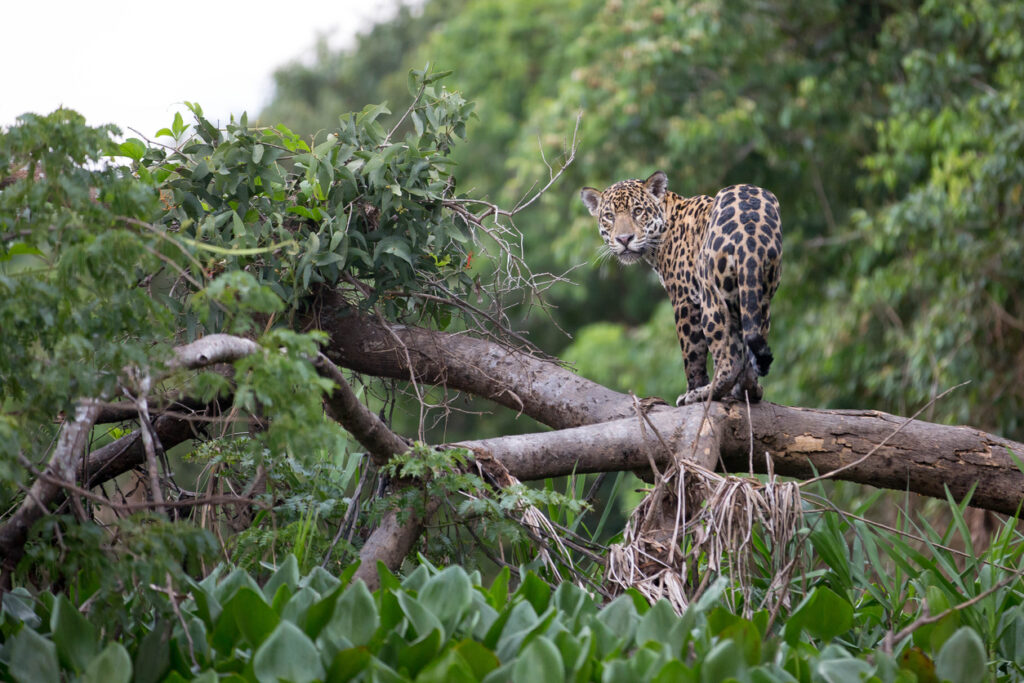
When jaguars were only seen as threats, they had negative value for local communities. But wildlife tourism showed that a living jaguar could generate thousands in revenue.
The Pantanal in Brazil became a global hotspot for jaguar tourism. Local guides and communities now have strong financial incentives to protect rather than kill jaguars.
Genetic research revealed surprising population connections.
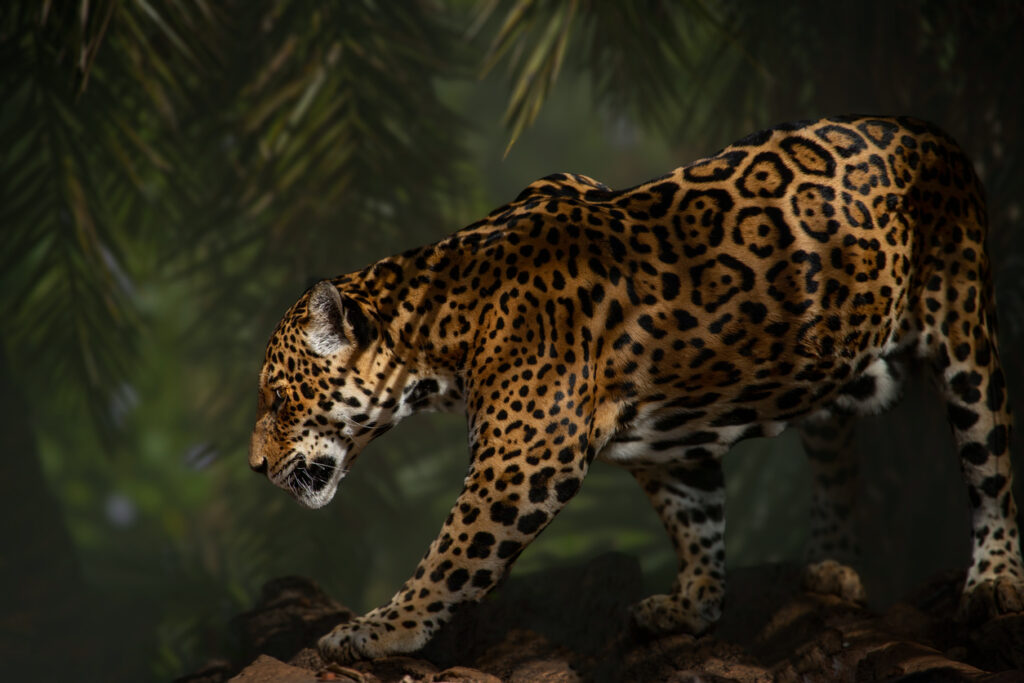
DNA analysis showed that isolated jaguar populations were actually connected through occasional long-distance movements. This revealed that corridor conservation was even more crucial.
Understanding genetics also helped identify which populations needed urgent protection. Some had dangerously low diversity, while others were more resilient than expected.
Anti-poaching efforts got serious international support.
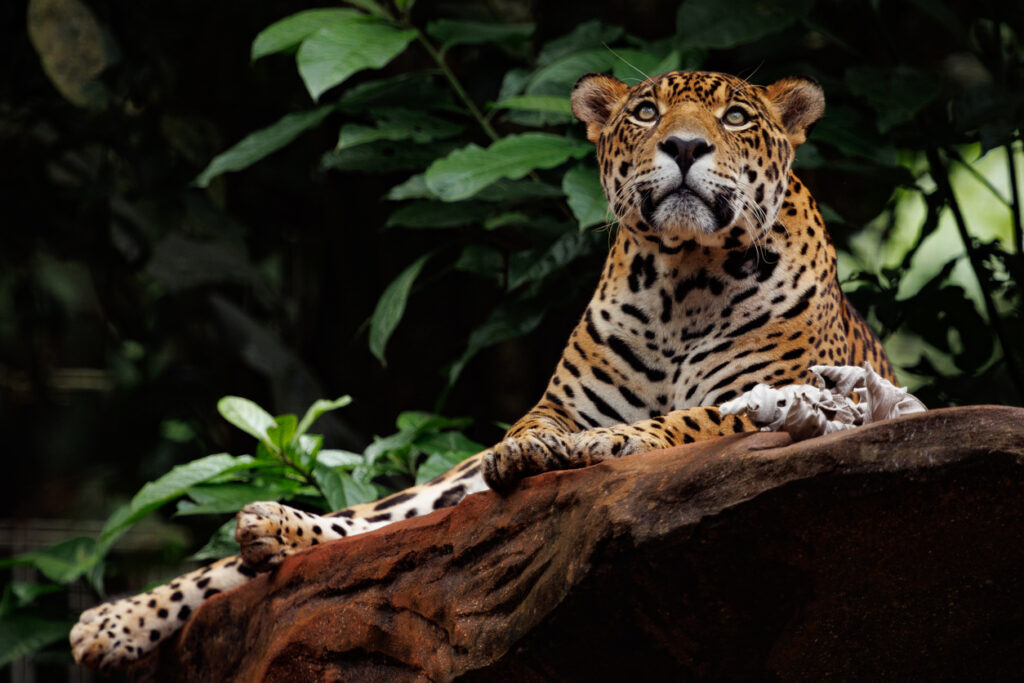
Jaguar poaching for traditional medicine was becoming serious as tiger parts got harder to find. Criminal networks were targeting jaguars as substitutes.
International law enforcement has disrupted these trafficking networks. It’s the same approach helping elephants and rhinos, now applied to jaguars.
Technology is making human-jaguar conflict manageable.
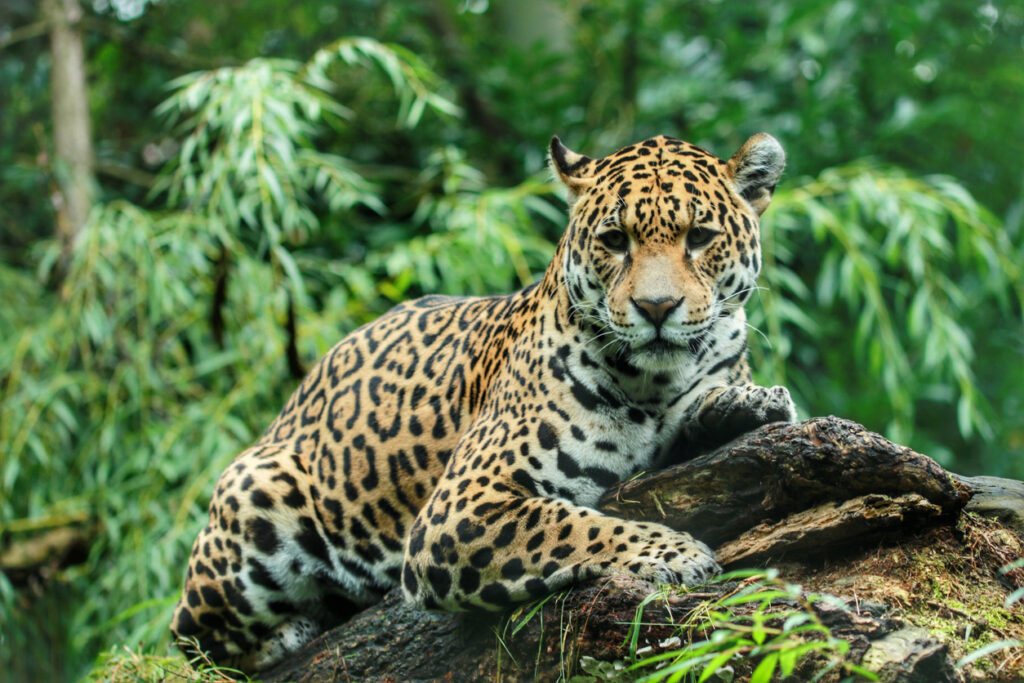
GPS collars on jaguars and cattle now alert ranchers when cats are near livestock. Early warnings give ranchers time to move cattle before any killing happens.
Smart fencing, solar lights, and even guard llamas help reduce predation without harming jaguars. These practical solutions address conflict causes rather than symptoms.
The numbers are actually improving in many places.
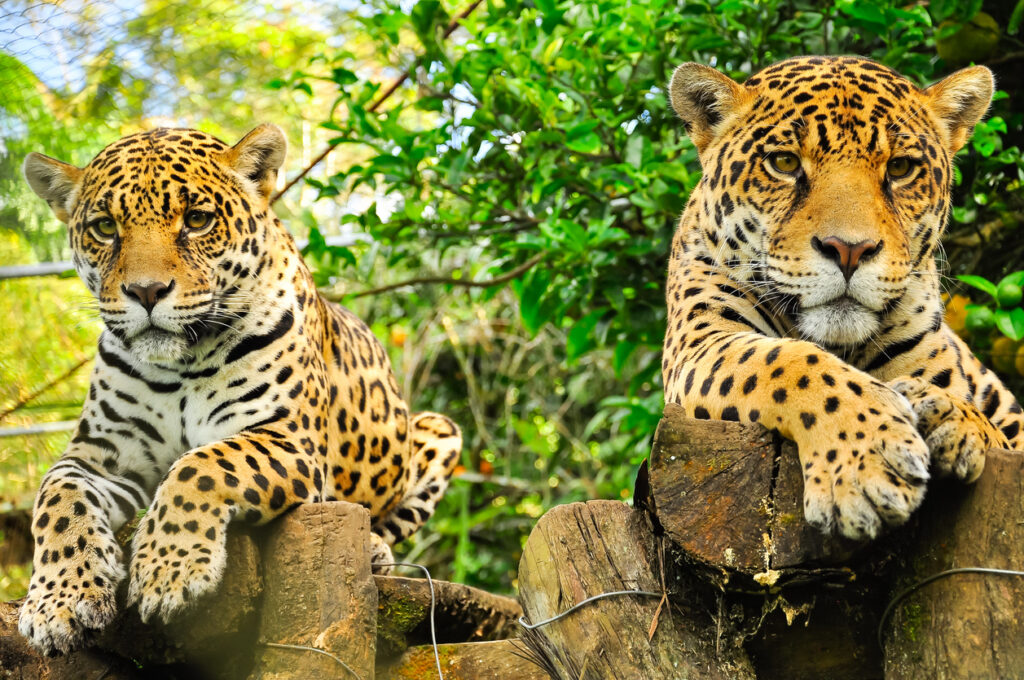
Recent surveys show jaguar populations recovering where they’d been extinct for decades. The Iberá wetlands in Argentina now have growing populations thanks to reintroduction programs.
While jaguars still face threats, the trend is cautiously positive for the first time in decades. It’s proof that conservation works when we commit to doing it properly.