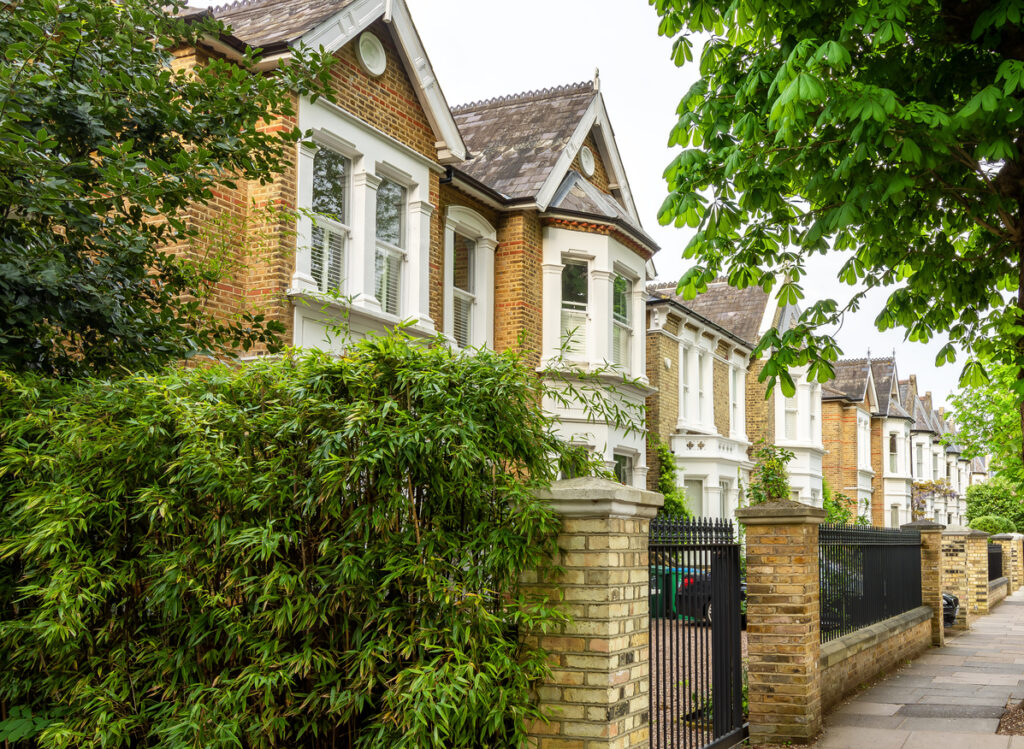
Your front garden may feel like your personal space, but in the UK there are surprising rules on what you can and can’t grow—yes, even if you own the property. From protected plants to invasive species, here’s what you need to know before filling up your borders. You don’t want to run afoul of the law, right?
You can grow most common flowers freely.
For the majority of front gardens, planting favourites like roses, daffodils, lavender, and tulips is perfectly fine. These classic garden plants pose no legal issues and are encouraged for their beauty and support of pollinators. Seasonal flowers are the easiest way to brighten your garden without worrying about restrictions. Choosing a mix of native species also helps local wildlife thrive.
You can’t grow invasive species unchecked.
Plants such as Japanese knotweed, giant hogweed, and Himalayan balsam are banned under the Wildlife and Countryside Act 1981. It’s illegal to allow them to spread outside your property. If you spot one of these in your garden, it must be controlled properly. Some require professional removal because of how aggressive and damaging they can be.
You can plant hedges, but height matters.
Hedges are common in front gardens, but issues arise when they block light or views. The Anti-Social Behaviour Act allows councils to step in if a hedge, such as leylandii, grows too tall and causes complaints. Keeping hedges trimmed avoids conflict and ensures privacy without upsetting neighbours. Choosing slower-growing species also reduces the need for constant maintenance.
You can’t plant trees without thinking ahead.

Most trees are allowed, but if you live in a conservation area or the tree is protected by a Tree Preservation Order (TPO), you need permission before cutting or altering it. Even in normal areas, think about roots, size, and proximity to buildings. Planting without foresight can lead to costly problems later.
You can grow fruit and vegetables.
Front gardens can double as kitchen gardens, with many people choosing strawberries, beans, or tomatoes to add colour and flavour. Growing your own food is legal and often celebrated. However, make sure taller plants or trellises don’t obstruct pavements or driveways. A well-kept edible garden adds charm rather than clutter.
You can’t block public pathways.
Anything you grow that spreads onto pavements can lead to complaints or council action. Overhanging brambles, thorny bushes, or climbing plants that snag walkers are considered a hazard. Regular pruning ensures your garden stays within your boundary. It also shows consideration for passers-by, which keeps neighbourly relationships positive.
You can plant wildflowers responsibly.
Wildflower patches are increasingly popular and are generally encouraged. They support biodiversity and create colourful displays, particularly in urban areas where wildlife needs help. However, avoid introducing wild plants collected from the countryside without permission. Buying seed mixes designed for UK gardens is a safe and sustainable choice.
You can’t plant poisonous species carelessly.
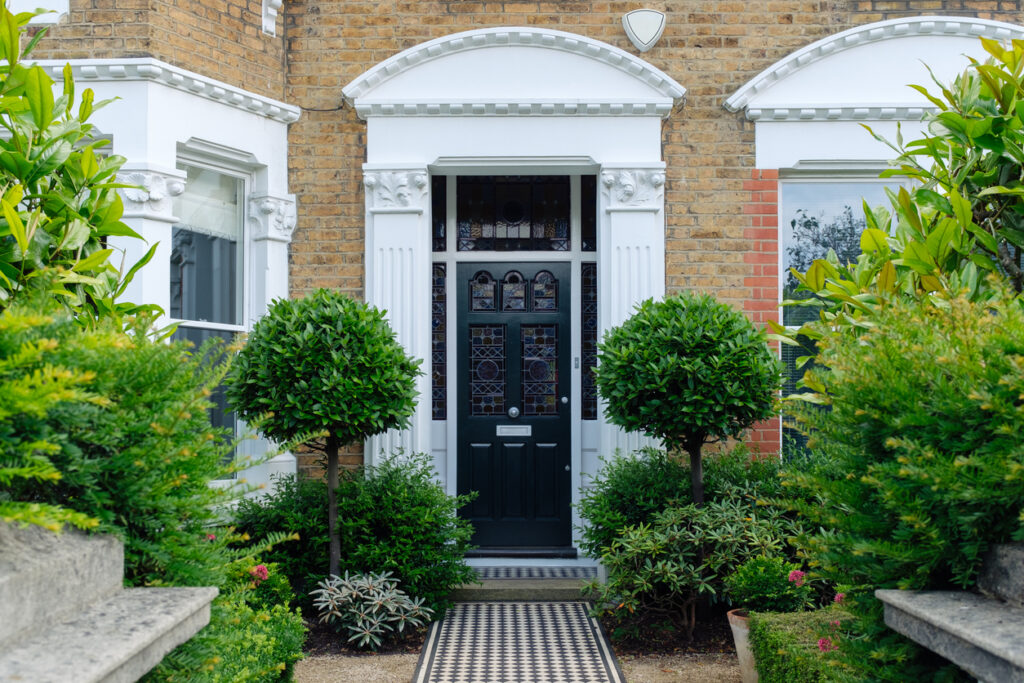
Plants like foxglove, yew, and laburnum are beautiful but toxic. While it’s not illegal to grow them, planting them in an unfenced front garden may pose a risk to children, pets, or unaware visitors. Choosing placement carefully makes a difference. Keeping toxic plants to the back or in controlled areas ensures safety without losing their ornamental value.
You can grow climbing plants but watch structures.
Climbers such as wisteria, honeysuckle, and ivy add charm, but they can also damage walls or fences if left unchecked. Councils may intervene if damage affects neighbouring properties. Training climbers on trellises or supports helps prevent issues. With the right care, they enhance your garden without causing costly repairs.
You can’t ignore local restrictions.
Some new-build estates or council-managed areas have specific rules on what you can grow in front gardens. Covenants may limit certain trees, hedges, or alterations to keep a uniform appearance. Checking with your council or housing agreement before planting avoids disputes. Once you know the rules, you can design your garden with peace of mind.