Trees are so common that it’s easy to forget how much we depend on them for basically everything.
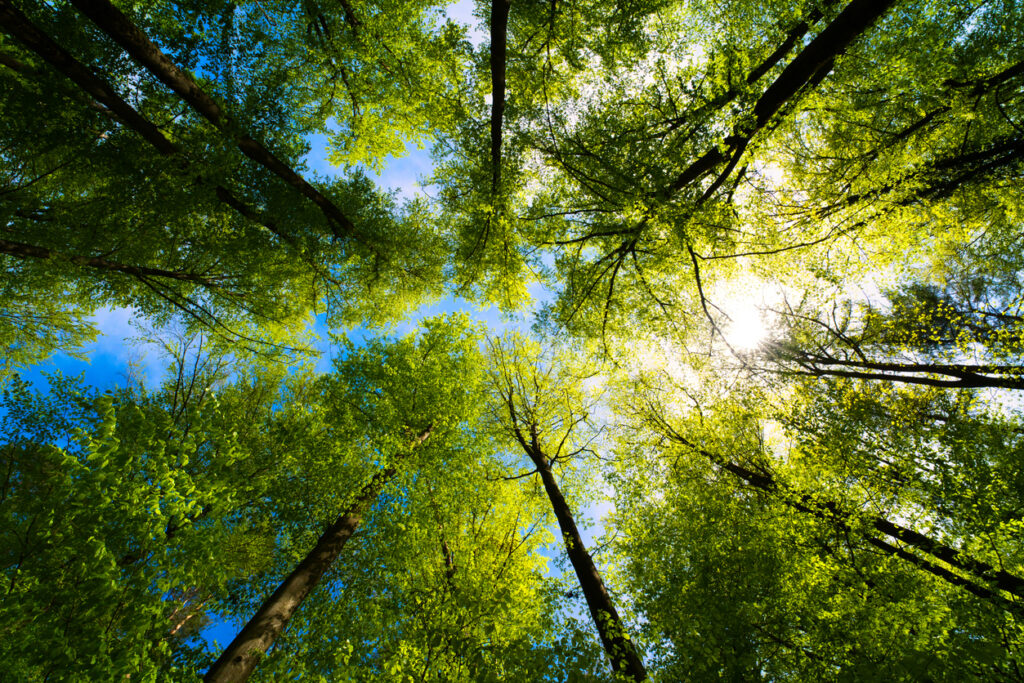
They’re not just nice to look at or good for climbing, they’re keeping the entire planet functioning in ways most people never think about. If all the trees suddenly disappeared, the consequences would be catastrophic and immediate, affecting everything from the air we breathe to the weather patterns across the globe.
This isn’t some distant hypothetical, either, because we’re already losing forests at alarming rates and experiencing some of these effects in real time. Understanding what trees actually do helps explain why their loss would be absolutely devastating for every living thing on Earth.
We’d run out of breathable air.

Trees produce a massive amount of the oxygen we breathe through photosynthesis, so losing them would make the air increasingly unbreathable. The ocean produces oxygen too, but trees contribute such a huge portion that their loss would create a genuine crisis.
Oxygen levels would drop gradually at first, but the decline would accelerate as other oxygen-producing organisms struggled without trees. We wouldn’t suffocate immediately, but breathing would become harder over time, and eventually the atmosphere wouldn’t support human life at all.
Carbon dioxide levels would skyrocket.

Trees absorb carbon dioxide and store it, keeping it out of the atmosphere where it traps heat. Without them, all that stored carbon would get released back into the air, and nothing removes the CO2 we’re still producing. The greenhouse effect would intensify dramatically and temperatures would rise much faster than they’re already rising.
This wouldn’t just make things a bit warmer, it’d trigger runaway climate change that would make large parts of the planet uninhabitable within decades rather than centuries.
Soil would wash away everywhere.

Tree roots hold soil in place, so without them erosion would strip away topsoil at incredible speed. Rain would wash exposed soil into rivers and oceans, leaving behind bare rock and making it impossible to grow food. The loss of topsoil would happen remarkably quickly once there’s nothing holding it down, and you can’t just replace topsoil because it takes thousands of years to form naturally. Former forests and farmland would turn into barren wastelands unable to support any plant growth.
Rivers and lakes would dry up or flood chaotically.
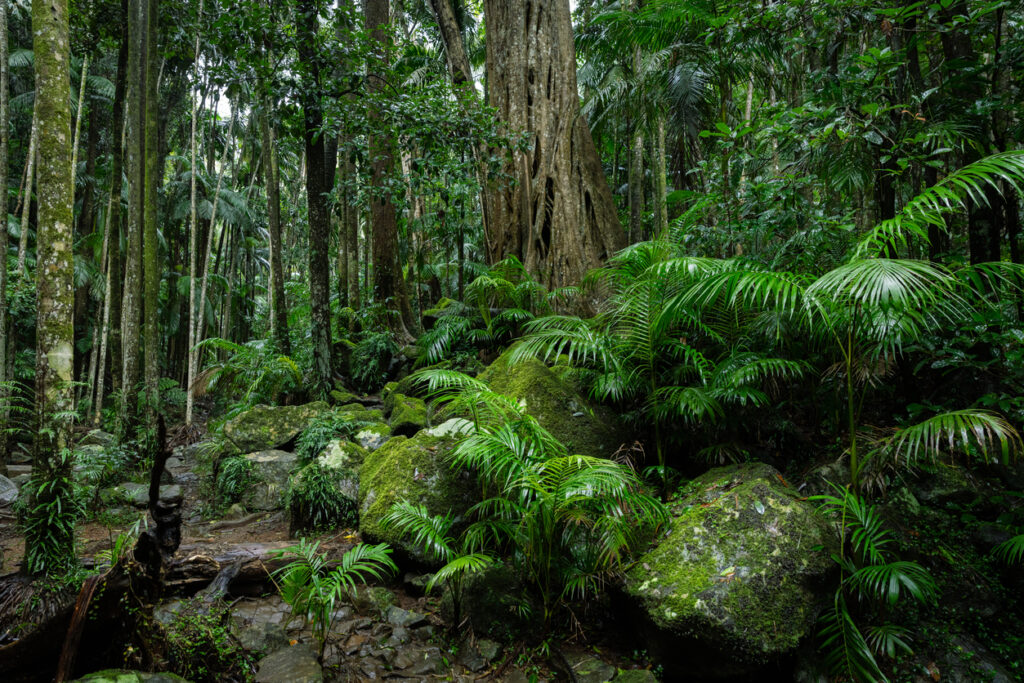
Trees regulate water cycles by absorbing rainfall and releasing it slowly back into the atmosphere. Without them, rain would run straight off into rivers causing massive flooding, then those same rivers would dry up between storms because there’s no steady water release.
The reliable water sources that cities and farms depend on would become unpredictable and eventually disappear. Droughts would become more severe and widespread because forests normally help maintain moisture in the environment.
Temperatures would become extreme.

Trees provide shade and release water vapour that cools the air, so their loss would make local temperatures much more extreme. Areas that are currently comfortable would become unbearably hot, and temperature swings between day and night would be much more severe.
Cities would be particularly affected because trees currently provide crucial cooling, and without them urban heat islands would become genuinely dangerous. The moderating effect trees have on temperature is something we completely take for granted until it’s gone.
Most animals would become extinct quickly.
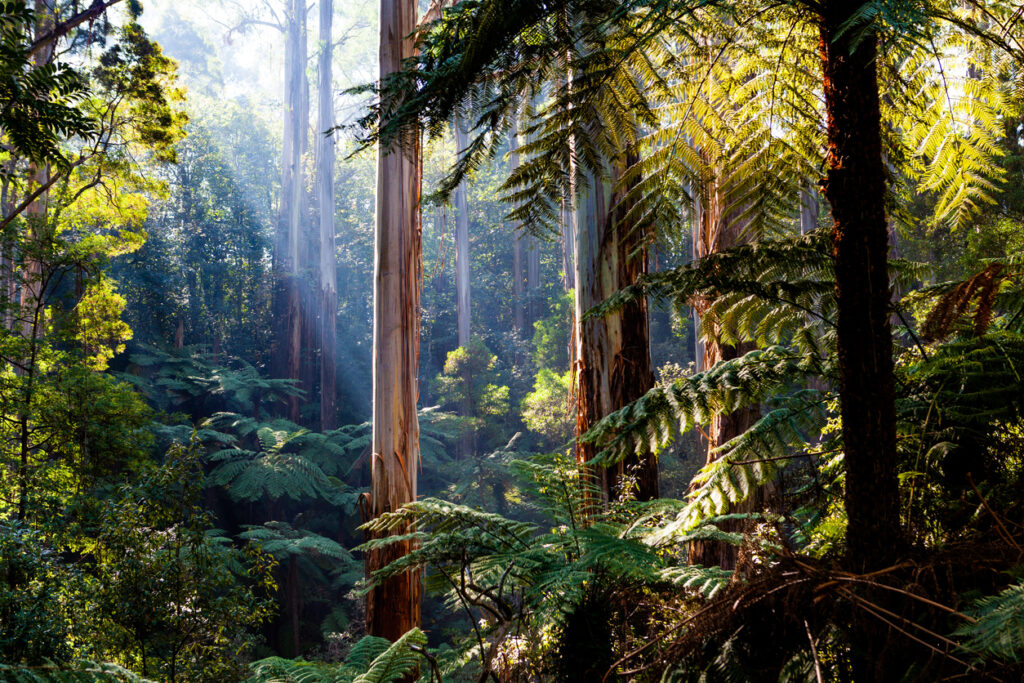
Around 80% of land animals and plants live in forests, so they’d lose their homes and food sources immediately. The animals that don’t live in forests would also struggle because ecosystems are all connected, and the collapse of forest ecosystems would cascade through everything else.
Birds, insects, mammals, and reptiles would disappear at rates that would make current extinction levels look minor. The few species that survived would be things that can live in extremely harsh conditions with minimal resources.
Weather patterns would go completely haywire.

Forests influence rainfall and wind patterns across entire continents, so losing them would destabilise weather systems globally. Areas that currently get reliable rainfall would experience severe droughts, while other regions would get hit with extreme storms and flooding.
The Amazon rainforest literally creates its own weather and influences rainfall across South America, so its loss alone would devastate the continent. Weather would become increasingly unpredictable and extreme, making any kind of agriculture or planning nearly impossible.
We’d lose most of our medicines.
Huge numbers of medicines come from compounds found in trees and forest plants, including treatments for cancer, heart disease, and infections. Without forests, we’d lose the source of these medicines and the potential to discover new ones from species we haven’t studied yet.
It’s not just about maintaining current treatments, it’s about losing the biological diversity we need to develop future medicines. The pharmaceutical industry depends heavily on forest plants, and that resource would simply vanish.
Food production would collapse entirely.

Without trees and the insects they support, pollination would drop dramatically, and most crops would fail. The soil erosion and climate chaos would make farming impossible in most places anyway, but the loss of pollinators would finish off whatever agriculture might have survived.
We’d face global famine on a scale that’s hard to comprehend because our entire food system depends on stable conditions that trees help maintain. Even the crops that don’t need insect pollination would struggle with the destroyed soil and chaotic weather.
The economy would completely destroy itself.

The timber industry, paper production, tourism, and countless other industries would disappear overnight with obvious economic collapse. Beyond that, the agricultural collapse and climate disasters would create economic chaos that would make the Great Depression look manageable.
Global trade would break down as resources became scarce and countries fought over what’s left. Money would become pretty meaningless when there’s no food to buy and no stable conditions to build anything resembling normal economic activity.
Massive human migration and conflict would erupt.
As areas became uninhabitable due to heat, drought, or flooding, billions of people would be forced to move to the few remaining viable regions. The resulting migration would be far beyond anything the world’s ever seen, and the competition for liveable space would almost certainly lead to widespread conflict and war.
Countries wouldn’t be able to absorb the numbers of people trying to relocate, and the desperation would create conditions for violence on a massive scale. Civilization as we know it would break down under the pressure.
Coastal cities would flood and disappear.

Without forests absorbing carbon, sea levels would rise much faster and more dramatically than current projections. Major cities like London, New York, Mumbai, and Shanghai would end up underwater as ice caps melted at accelerated rates. The loss of coastal cities would displace hundreds of millions of people and destroy massive amounts of infrastructure and economic centres. There’d be nowhere for these populations to go because the inland areas would already be struggling with their own climate disasters.
Humanity probably wouldn’t survive long-term.

All these factors combined would create conditions that human civilization couldn’t survive, and possibly humans as a species couldn’t survive either. The combination of unbreathable air, no food, no water, extreme temperatures, and complete social collapse would be genuinely existential.
Some humans might survive in small pockets with technology and resources, but anything resembling modern society would be gone. This isn’t exaggeration or alarmism, it’s just the logical result of removing the foundation that makes Earth habitable for complex life, including us.