Dinosaurs get treated like the ultimate winners of the natural world: bigger, scarier, cooler than anything that came before or after.
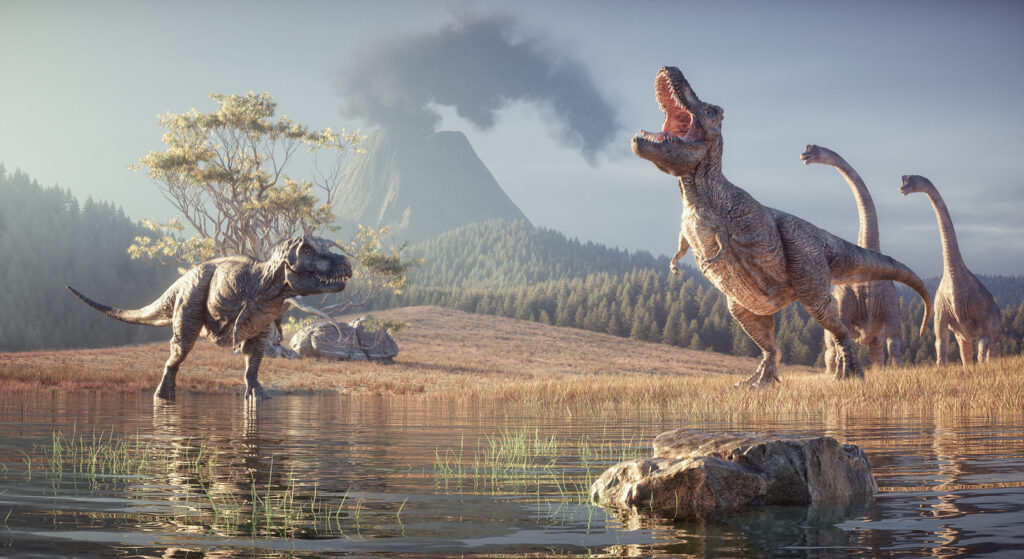
Films, books, and documentaries have turned them into near-mythical beasts, as if evolution peaked and then packed it in. The hype is impressive, even if the facts sometimes get stretched a bit thin. The reality is a little less glorious. Dinosaurs were fascinating, no question, but they weren’t flawless killing machines or unbeatable marvels. They had weaknesses, limitations, and plenty of traits that don’t quite live up to the legend. Once you strip away the drama and look at them properly, the picture gets a lot more interesting and, in places, surprisingly underwhelming.
1. Most dinosaurs were nowhere near as big as people imagine.
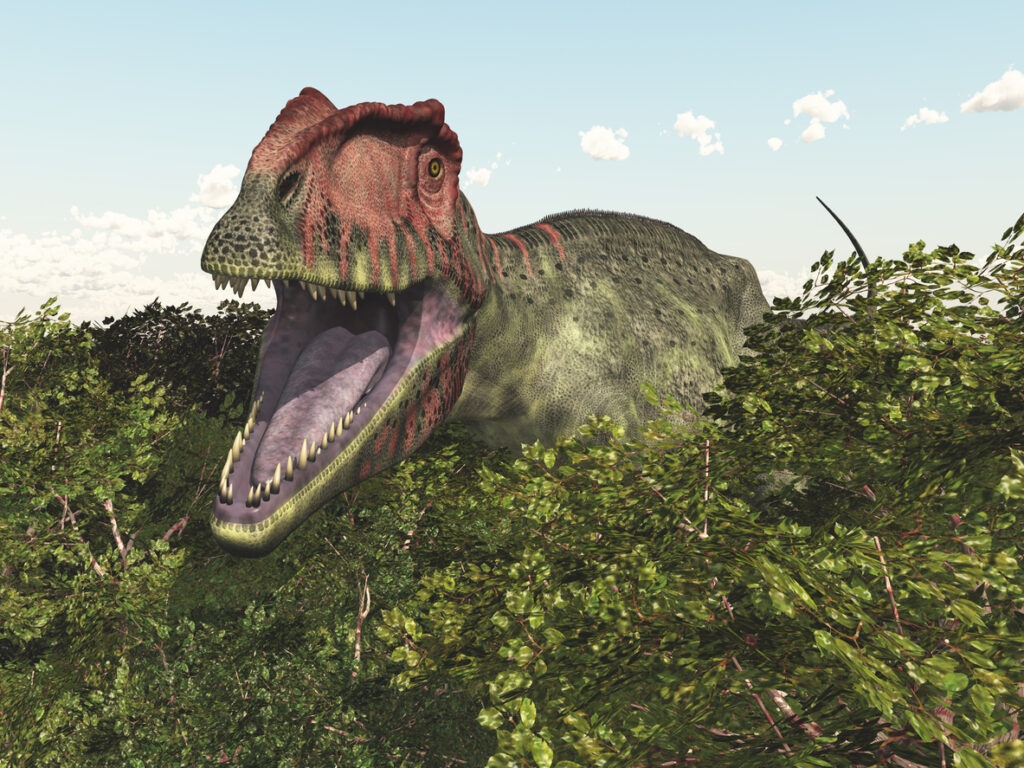
Popular culture focuses almost entirely on the giants. Tyrannosaurus, Triceratops, Diplodocus. These species were real, but they were the exception, not the rule. The majority of dinosaurs were relatively small, many comparable in size to modern birds or dogs.
If you could walk through a typical dinosaur ecosystem, you wouldn’t be surrounded by towering monsters. You’d mostly see small, cautious animals darting between cover, trying to avoid being eaten. The dominance of giant dinosaurs in our imagination says more about our fascination with size than about prehistoric reality.
2. Their daily lives were repetitive and unremarkable.
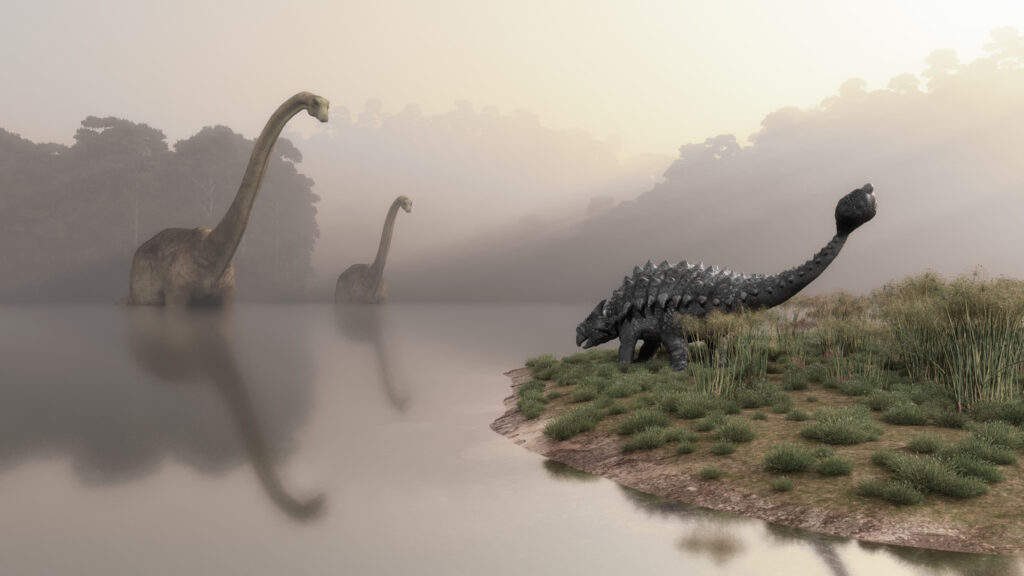
Dinosaurs weren’t living in a constant state of drama. Like modern animals, most of their time was spent eating, resting, avoiding danger, and conserving energy. Survival required routine, not spectacle. This strips away the idea of dinosaurs as constant fighters or hunters. Most days would have been quiet, cautious, and predictable. Their lives were shaped by necessity rather than excitement, which makes them feel far less cinematic when viewed realistically.
3. Many dinosaurs were physically clumsy.
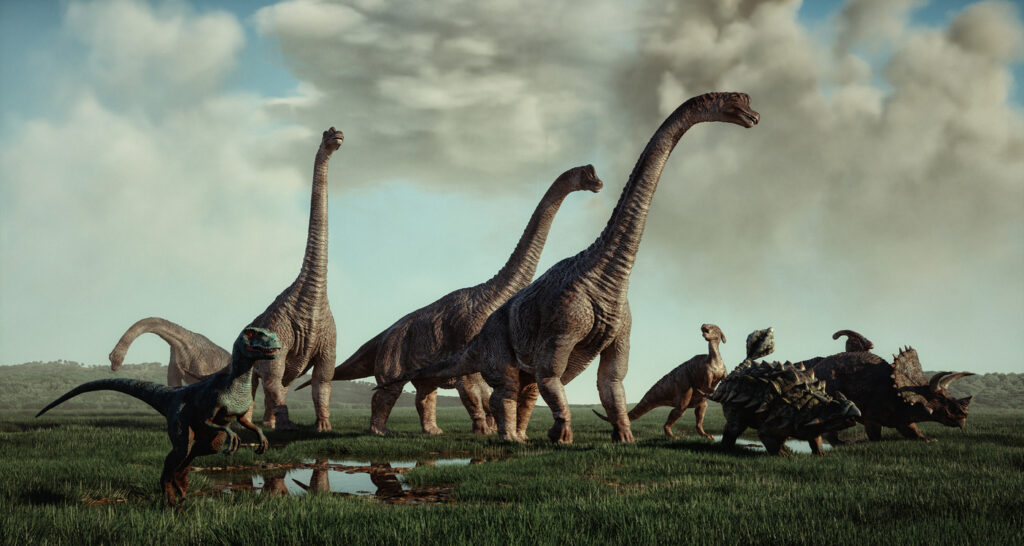
Large size brings serious limitations. Turning quickly, stopping suddenly, or reacting to unexpected threats would have been difficult for many big dinosaurs. Balance alone would have been a constant concern. Rather than being agile powerhouses, many relied on intimidation and sheer mass. If something went wrong, slipping, falling, or getting injured could easily become fatal. Their bodies weren’t built for elegance, just survival under specific conditions.
4. Intelligence played little role in their success.

Most dinosaurs had very small brains relative to their body size. They weren’t planning hunts, learning from mistakes, or adapting behaviour in complex ways. Instinct guided nearly everything they did, and that’s important because intelligence is one of the most powerful survival tools in nature. Dinosaurs largely succeeded without it, which also meant they struggled when conditions changed quickly. Their lack of behavioural flexibility left them vulnerable in ways we often ignore.
5. Many dinosaur species were evolutionary dead ends.
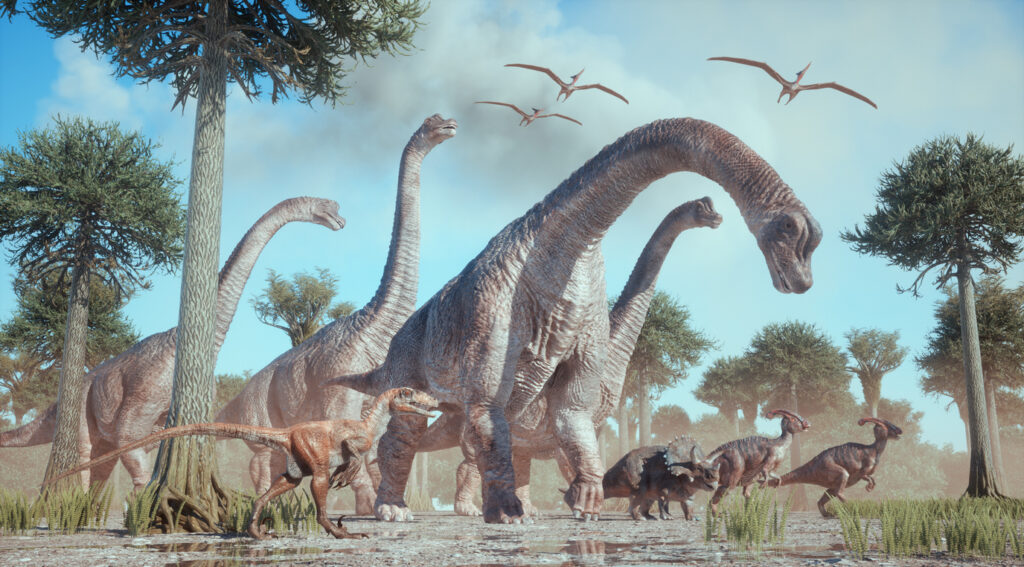
While dinosaurs as a group lasted a long time, individual species often didn’t. Many existed briefly before disappearing, replaced by slightly different relatives or wiped out by environmental changes. Longevity at the group level doesn’t mean individual success. A species that thrives for a few hundred thousand years and vanishes isn’t especially impressive compared to animals that persist, adapt, and diversify across extreme change.
6. Survival depended heavily on producing huge numbers of young.
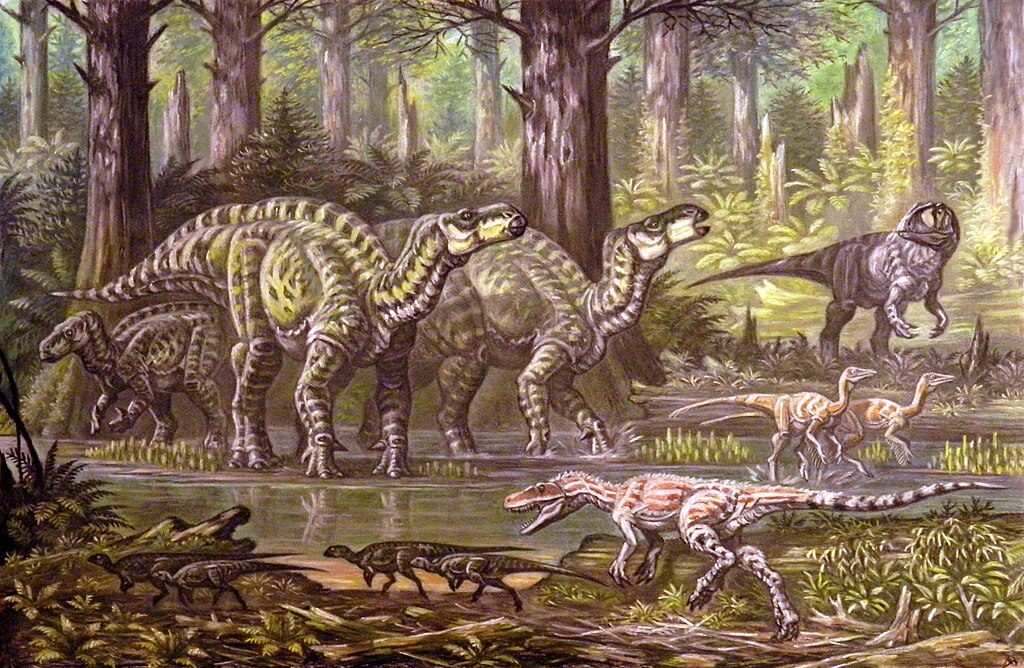
Dinosaurs didn’t rely on individual strength to keep their populations stable. They relied on numbers. Vast numbers of eggs were laid because most young wouldn’t survive. Baby dinosaurs were vulnerable, slow, and easy prey. Predation, disease, and environmental stress would have wiped out the majority before adulthood. The impressive adults we focus on were statistical survivors, not the norm.
7. They struggled badly during environmental instability.

Dinosaurs thrived when conditions were stable. When climates shifted, food supplies changed, or ecosystems destabilised, many species declined rapidly. This shows their success was conditional. They weren’t universally adaptable animals. Their dominance relied on the environment staying within narrow limits, which is a fragile position for any group of species.
8. Size often became a disadvantage rather than a strength.

Being enormous requires constant access to food, water, and suitable habitat. Large dinosaurs needed vast resources just to survive, leaving little room for error. When ecosystems changed, smaller animals adapted more easily. They needed less food, reproduced faster, and could exploit new niches. Dinosaurs, especially the biggest ones, were locked into lifestyles that didn’t forgive disruption.
9. They were biologically specialised, not versatile.
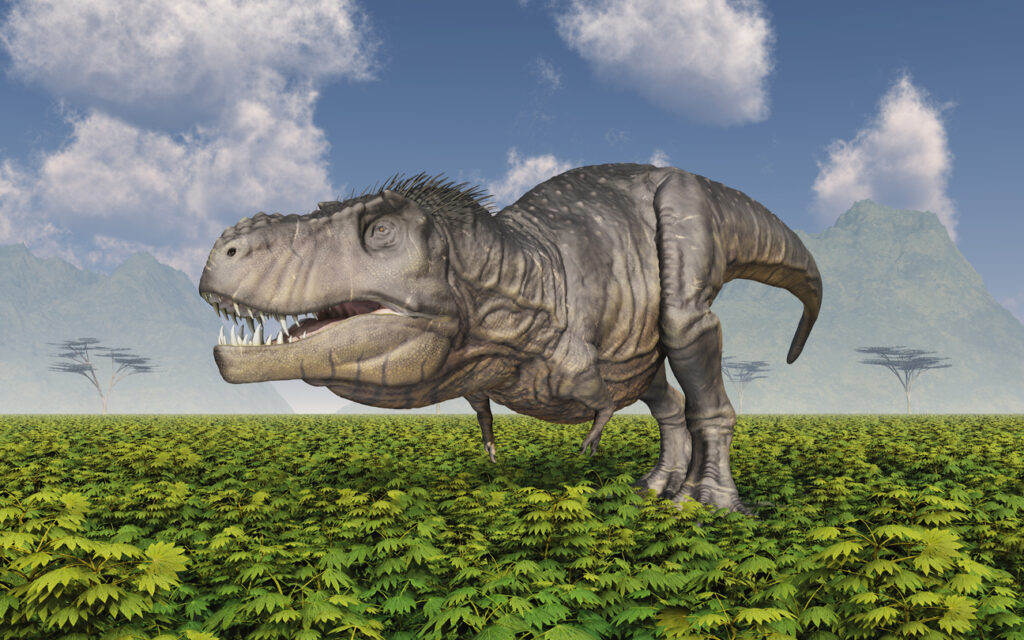
Many dinosaurs were extremely good at one thing: eating a specific plant, hunting a certain type of prey, living in a particular environment. Specialisation works until it doesn’t. When those narrow conditions disappeared, dinosaurs couldn’t easily adjust. Modern animals that survive best tend to be flexible, opportunistic, and behaviourally adaptable, traits dinosaurs largely lacked.
10. They never truly ruled every corner of the planet.

Dinosaurs dominated land ecosystems, but even there, they shared space with many other forms of life. Mammals, reptiles, insects, and early birds all lived alongside them. They weren’t alone, and they weren’t universally superior. Other animals survived by staying small, hidden, and adaptable, quietly waiting for opportunities dinosaurs never needed to prepare for.
11. Their extinction exposed how limited their resilience was.
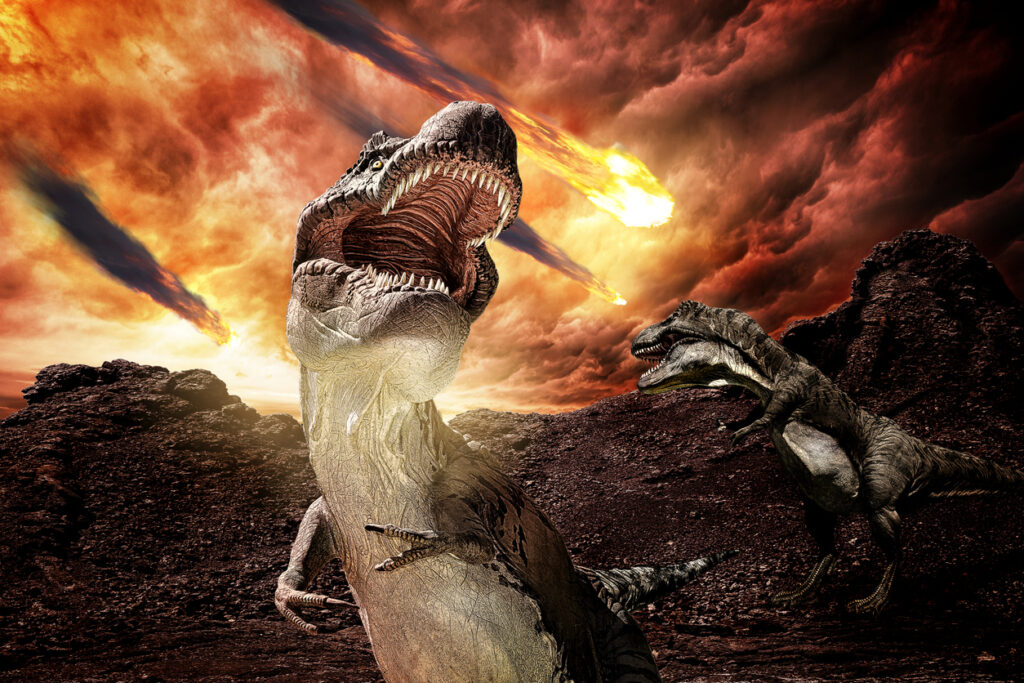
Despite millions of years of success, one major global disruption was enough to wipe out most dinosaur species. They couldn’t adapt quickly enough to the sudden collapse of food chains and climate stability. That doesn’t make them failures, but it does challenge the idea of invincibility. Survival isn’t about dominance alone. It’s about flexibility, speed of adaptation, and resilience under pressure.
12. Much of their reputation is built on mystery and exaggeration.
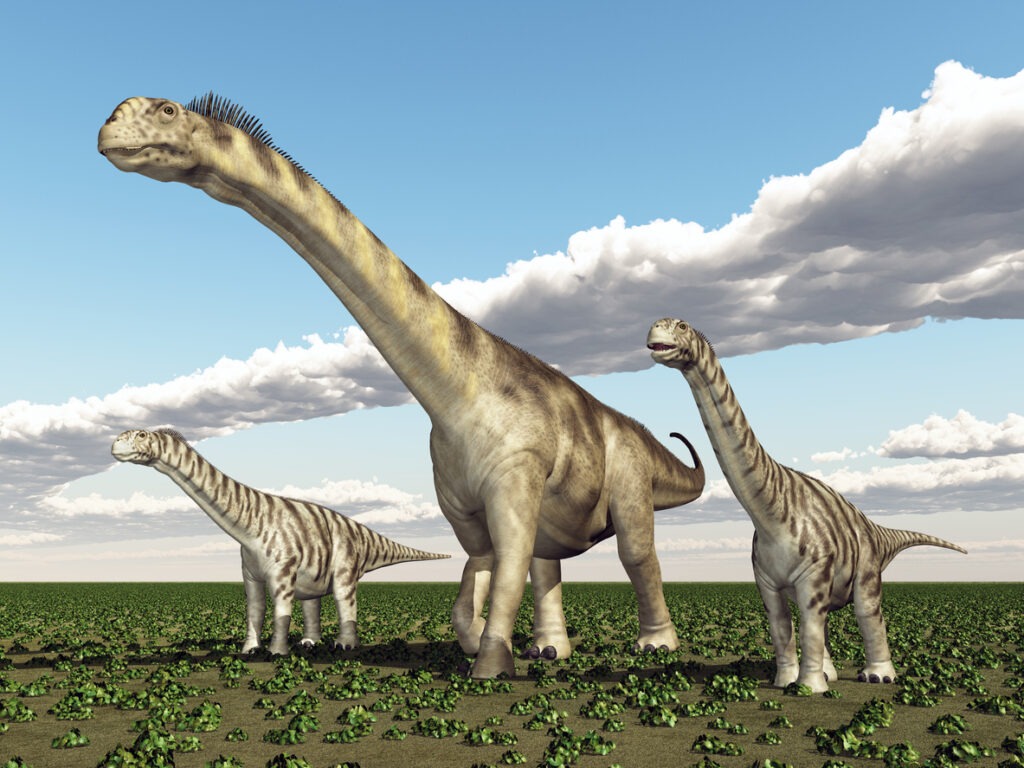
Dinosaurs benefit from absence. Because we never saw them alive, imagination fills the gaps. Size gets inflated, behaviour gets dramatised, and danger gets amplified. The truth is less mythical and more ordinary. Dinosaurs were animals shaped by their time and limits. Impressive in context, but not the unstoppable titans we’ve turned them into.