Long before city lights drowned out the stars, the night sky was a breathtaking sight, and during the age of the dinosaurs, it was a completely different world overhead.
The constellations we recognise today didn’t yet exist, and the Earth itself was in another place within the galaxy. The air was cleaner, the nights were darker, and the universe above would have looked far stranger than what we see now.
Scientists can only piece together what that ancient view might have been like, but what they’ve found paints a vivid picture of a sky filled with sights no human has ever witnessed. Understanding what the dinosaurs saw when they looked up offers a rare glimpse into deep time, and that serves as a reminder that even the stars themselves are always changing.
The stars were all in different places.
Stars aren’t stuck in one spot. They’re all moving through space, and over millions of years, they end up in completely different positions. The Big Dipper, Orion’s Belt, all those shapes we recognise didn’t exist when dinosaurs were around because the stars hadn’t moved into those patterns yet. They were scattered differently across the sky.
If a T. rex looked up at night, it would see stars everywhere, but none of them would make the shapes we know. Even the North Star wasn’t pointing north back then because Earth wobbles on its axis over thousands of years. The dinosaurs either had a completely different north star, or maybe no obvious one at all.
The Milky Way was way brighter.
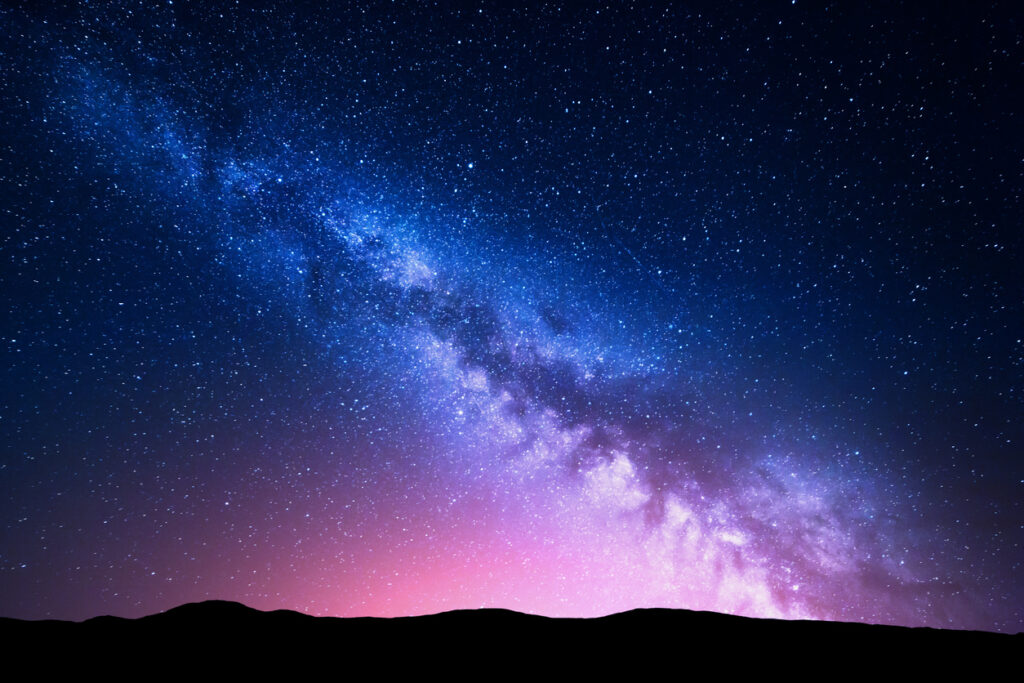
There were no cities, no streetlights, no light pollution at all during dinosaur times. The Milky Way would’ve been massively bright every clear night, stretching right across the sky. Even in dark places today, we don’t see it like dinosaurs would have. It would’ve been the most obvious thing in the night sky every single night.
The air was also different back then, with more moisture and carbon dioxide. This might have made the sky look slightly different at sunset or made the stars twinkle more. The whole atmosphere would’ve scattered light differently, so even the colours might not have been quite the same as what we see now.
Days were shorter.

Earth used to spin faster than it does now. The Moon’s gravity has been gradually slowing us down over millions of years. So 65 million years ago, a full day was only about 23 and a half hours instead of 24. That’s not a huge difference, but it meant dinosaurs got through more days in a year than we do.
Go further back to when dinosaurs first appeared, and days might have been as short as 22 or 23 hours. The sun came up and went down more frequently. Night arrived faster after sunset, and dawn came quicker. It would’ve felt like the world was spinning just a bit faster than it does for us.
The Moon looked bigger and brighter.

The Moon is slowly drifting away from Earth, about 4 centimetres further every year. That means 65 million years ago, it was about 2,400 kilometres closer than it is now. It would’ve looked a bit bigger in the sky, maybe 5% larger, and definitely brighter at night.
A bigger, brighter Moon would’ve made moonlit nights much brighter than they are now. This probably affected how nocturnal dinosaurs hunted and hid from predators. Bright moon, easier to see, harder to hide. The Moon’s closeness would’ve also made tides slightly stronger, pulling the oceans around more dramatically than they move today.
The planets were in different spots.
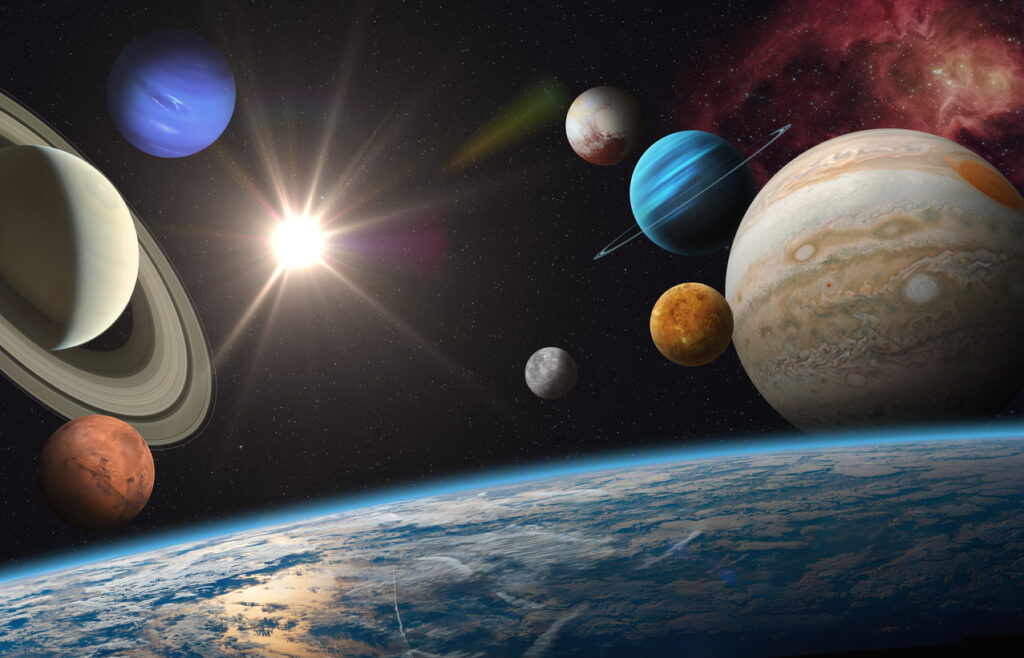
Venus, Mars, Jupiter, and Saturn were all there in the sky just like they are now, but they would’ve been in completely different positions. The planets move around the Sun at different speeds, so over millions of years, their positions in the sky change entirely. Any interesting planet alignments visible during dinosaur times were one-time events that will never happen again.
If dinosaurs had been smart enough to track the planets, they could’ve watched them move slowly against the background stars over weeks and months. There’s no evidence any dinosaurs were that observant, but the information was there in the sky. Same planets, completely different arrangement.
Different meteor showers
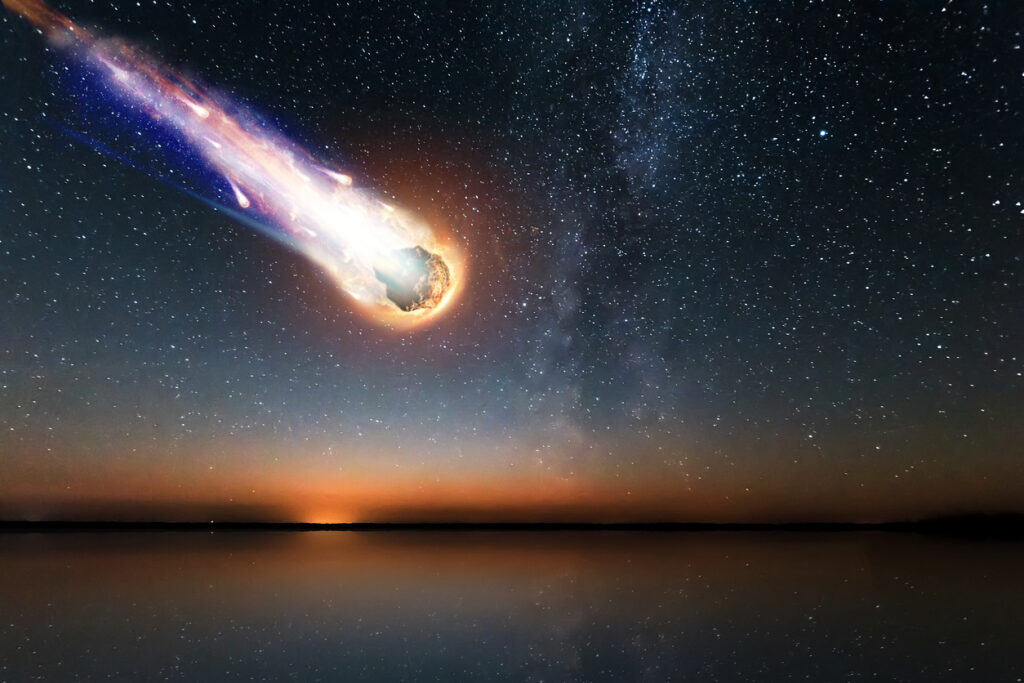
Meteor showers happen when Earth passes through trails of debris left behind by comets. These debris trails are in specific places in space, and they change position over time. The meteor showers dinosaurs would’ve seen came from different directions in the sky and happened at different times of year compared to the ones we get now.
Some meteor showers we see today didn’t exist back then because the comet debris hadn’t spread out yet or was somewhere else. And there were probably spectacular meteor showers visible to dinosaurs that no human has ever seen because those debris clouds have since disappeared or moved away from Earth’s path.
Exploding stars and cosmic disasters
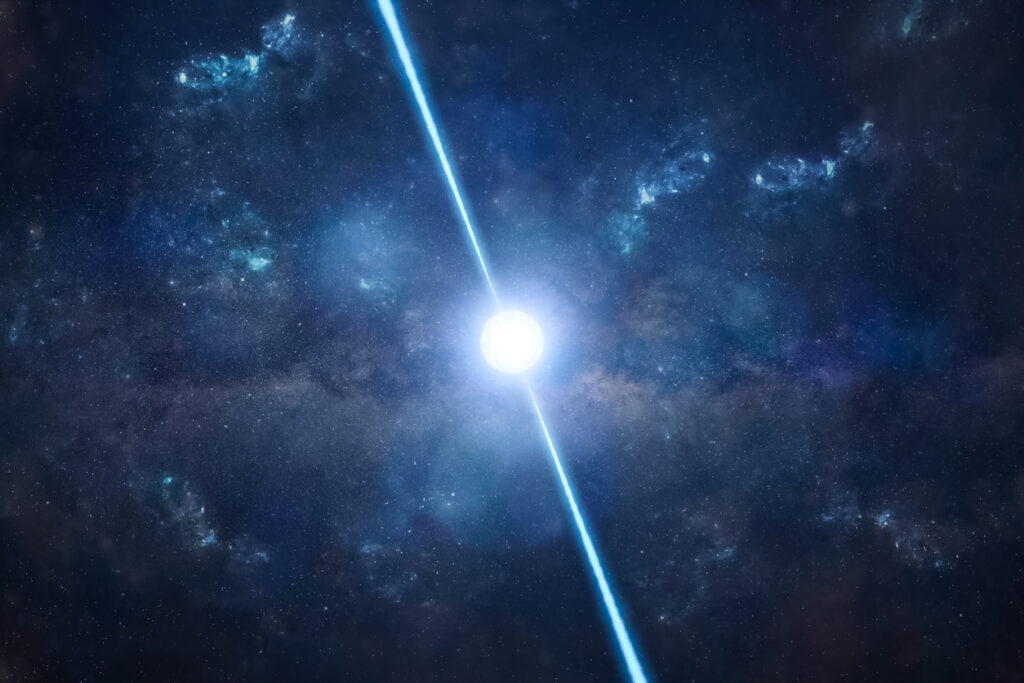
Stars explode fairly regularly in cosmic terms, and over the 186 million years dinosaurs existed, several would’ve been visible from Earth. A nearby exploding star can briefly become brighter than anything in the night sky except the Moon. It appears suddenly, stays visible for weeks or months, then fades away. Dinosaurs would’ve seen these “new stars” appear and disappear without understanding what they were.
The universe was just as violent during dinosaur times as it is now. Stars were exploding, black holes were forming, cosmic disasters were happening constantly. The dinosaurs lived under a sky that was always changing, they just couldn’t comprehend the timescales involved.
Earth was tilted differently

Earth doesn’t sit perfectly upright as it orbits the Sun. It’s tilted, and that tilt wobbles slightly over thousands of years, changing between about 22 and 24 degrees. During the Cretaceous period, the tilt would’ve been at different angles than it is now, which affects the seasons and what stars you can see from different parts of the planet.
When the tilt is steeper, you get more extreme seasons and different stars become visible from the Arctic and Antarctic. Over thousands of years during dinosaur times, the stars visible from the North Pole would’ve gradually changed as Earth’s tilt wobbled through its cycle. The sky was slowly shifting even on these shorter timescales.
The atmosphere made different light effects
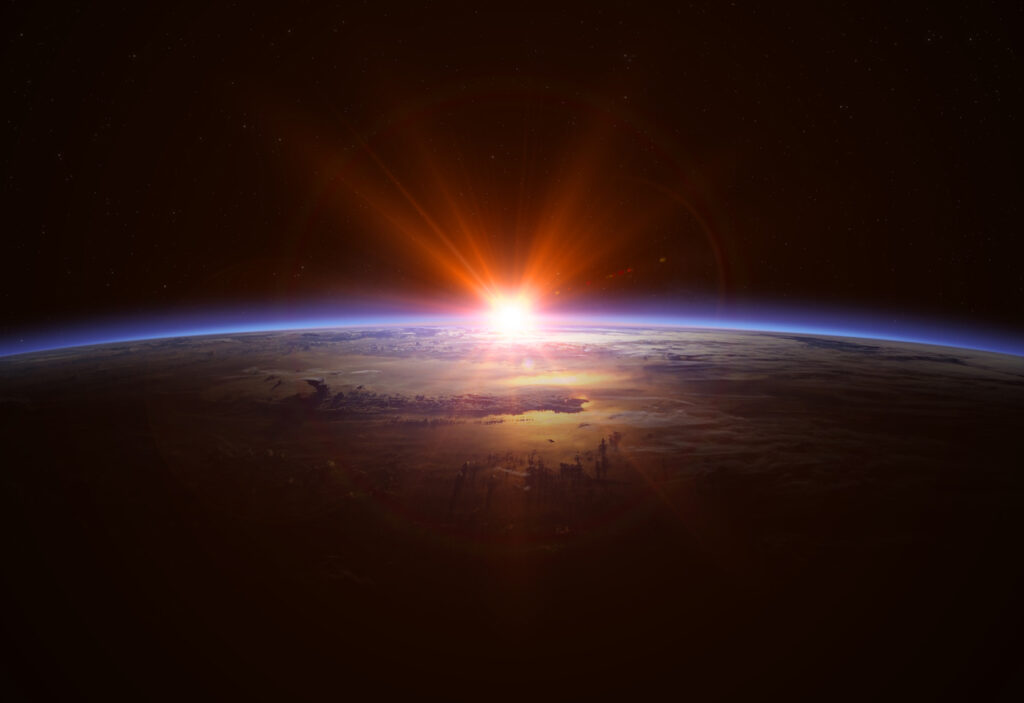
The air during most of dinosaur times had more carbon dioxide and oxygen than today, and it was generally more humid. This different mix of gases would’ve made sunsets and sunrises look different colours and created different optical effects like rainbows, halos, and light displays in the atmosphere.
The greenhouse conditions during the Cretaceous might have produced more dramatic atmospheric displays because there was so much more water vapour in the air. Dinosaurs weren’t just seeing different stars, they were seeing different daily weather phenomena and light effects that we can only guess about now.
The Milky Way was angled differently

Earth sits inside the Milky Way, and we haven’t moved much in 65 million years. But our angle relative to the galaxy changes as we orbit the galactic centre. This means the bright central bulge of the galaxy would’ve been visible at different times of year or from different parts of Earth during dinosaur times.
Earth also bobs up and down through the flat plane of the galaxy over about 60 million years. During the Cretaceous, we would’ve been at a different point in this bobbing motion, slightly above or below where we are now. This doesn’t massively change what’s visible, but it does subtly alter which stars are easiest to see and how much galactic dust is blocking the view.
No satellites or space junk
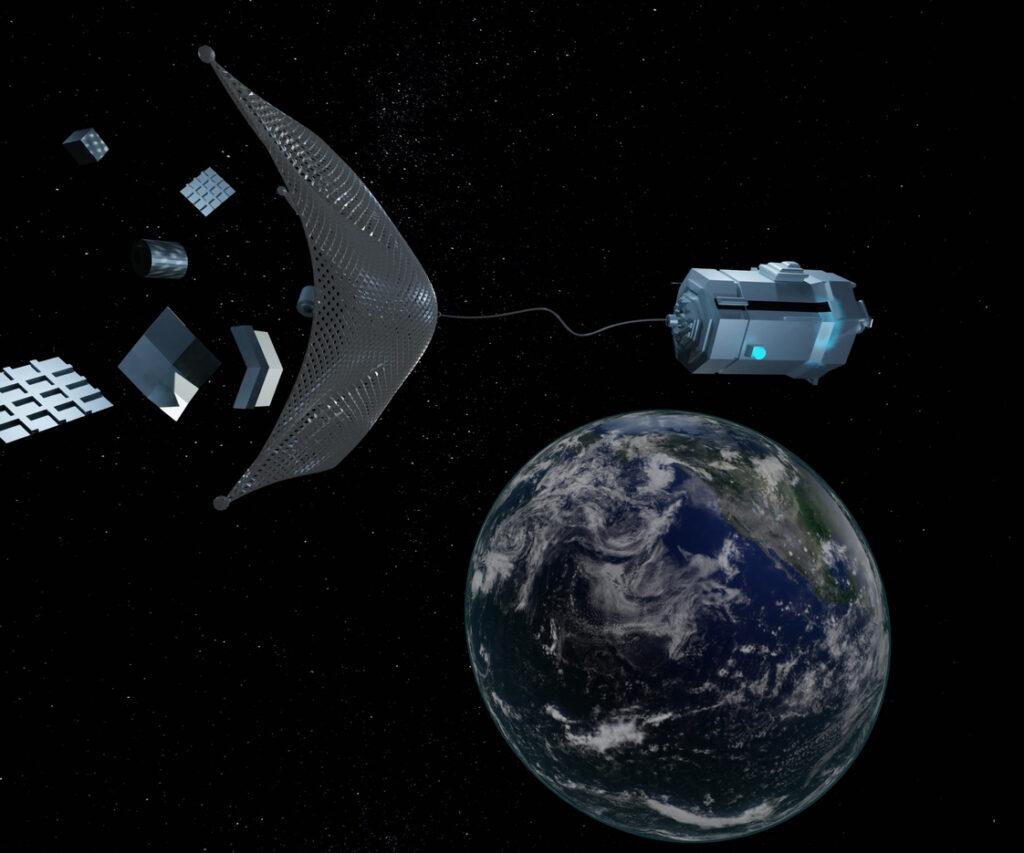
This is obvious but worth saying: there were no satellites crossing the sky, no International Space Station passing overhead, no space debris reflecting sunlight. Every single moving light in the dinosaur sky was natural. Meteors, planets, occasionally a comet. That’s it.
We’ve changed the night sky more in the last 65 years than nature changed it in the 65 million years since dinosaurs disappeared. We’ve filled it with thousands of artificial objects that catch sunlight and move across the sky. The clean, natural sky the dinosaurs experienced is gone forever. In that sense, we’re living under a fundamentally different sky than any creature experienced for billions of years before us.