Dinosaurs never stop fascinating kids.
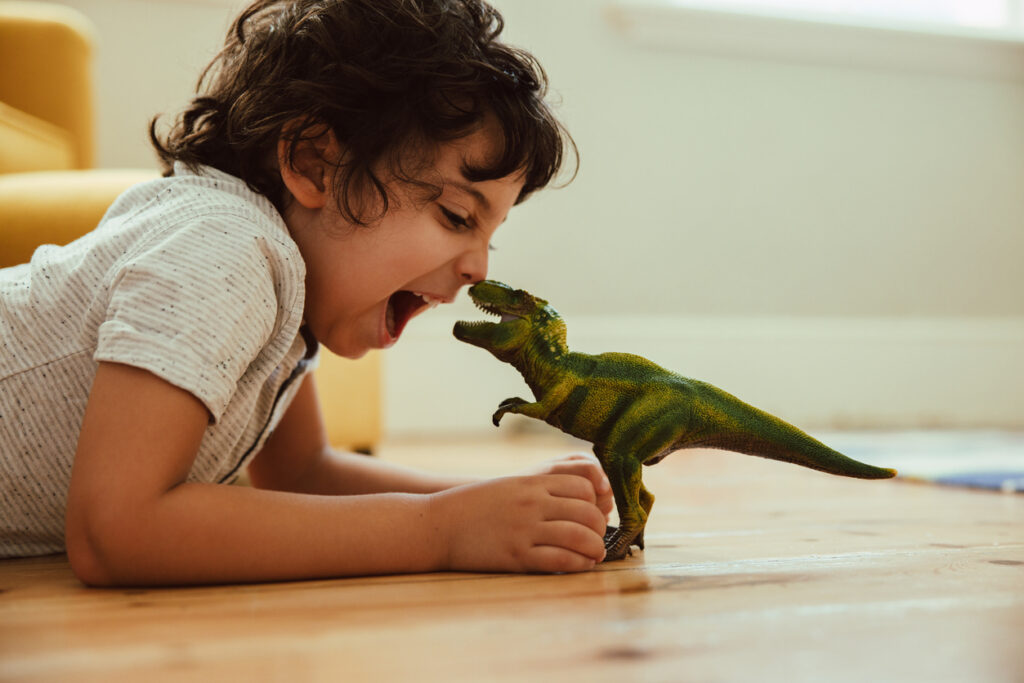
They’re enormous, mysterious, and full of strange details that make the past feel alive. From feathered predators to gentle giants, here are 20 facts that always impress young dinosaur fans and spark endless questions about the world they once ruled.
1. Some dinosaurs were covered in feathers.
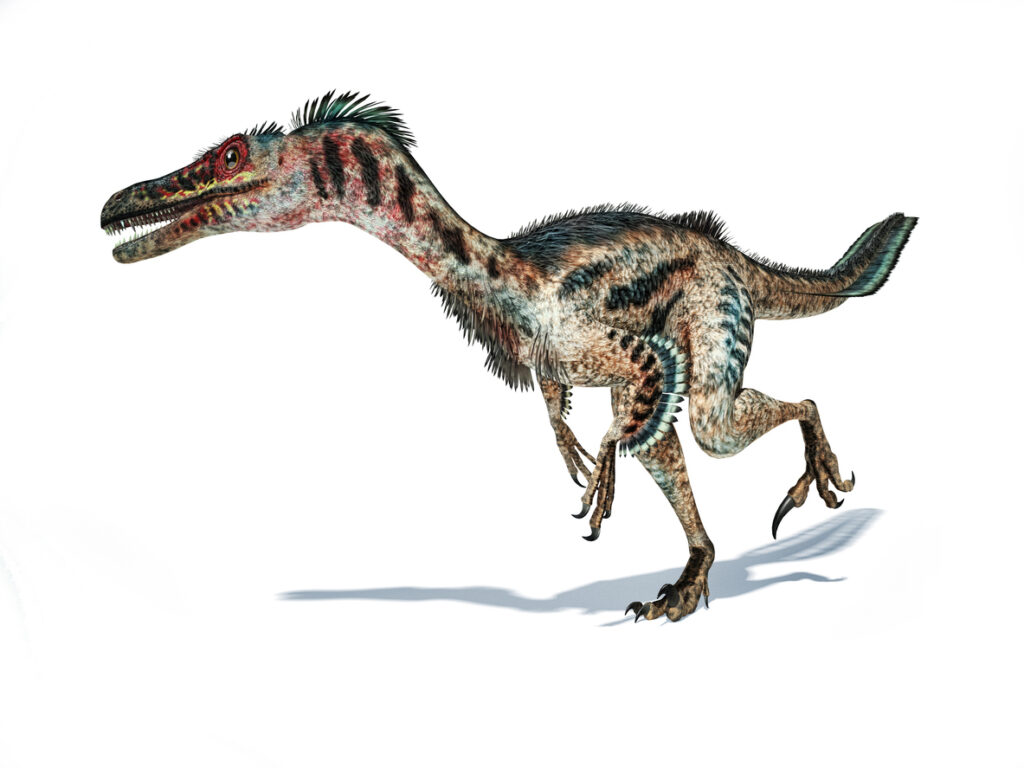
Not every dinosaur had scaly skin like a crocodile. Many smaller species, including relatives of T. rex, were covered in feathers or fluffy down. These feathers helped them stay warm and might have made them look more colourful or intimidating to rivals. Fossil impressions show clear feather patterns, which means dinosaurs and birds are even more closely related than most people realise. It’s one of the biggest surprises in modern palaeontology.
2. T. rex had one of the strongest bites in history.
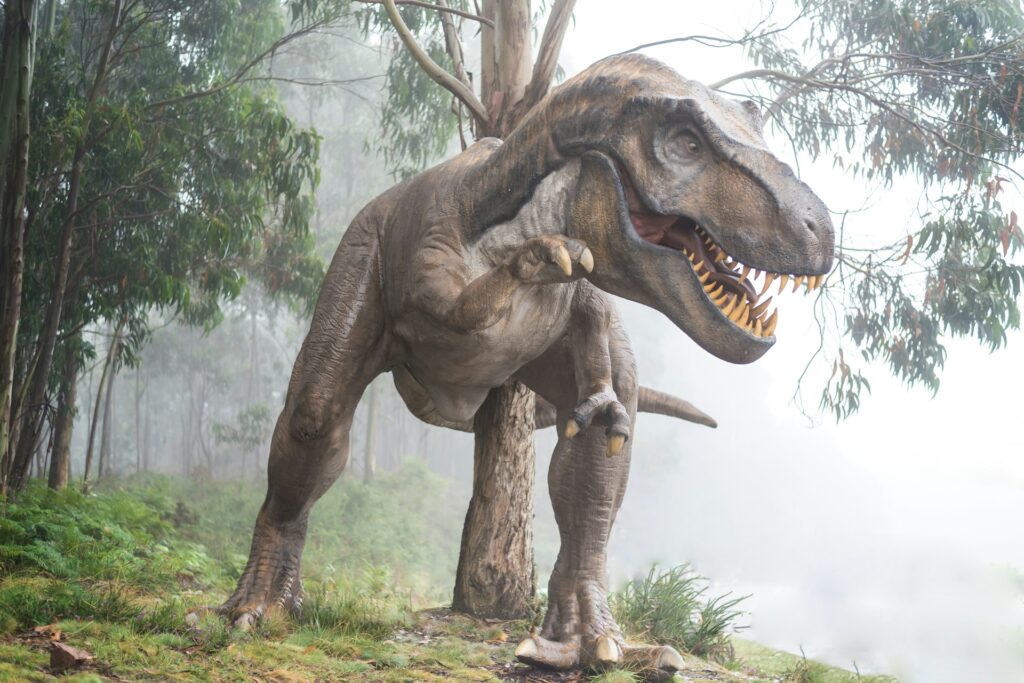
The bite of a Tyrannosaurus rex was powerful enough to crush bone. Scientists estimate that each bite produced a force of around six tonnes, roughly the weight of an African elephant coming down on its prey. Its teeth weren’t sharp and thin like knives; they were thick and strong, shaped for crushing and tearing. Fossilised bones even show bite marks from other T. rexes, proving they sometimes fought each other too.
3. Some dinosaurs were smaller than chickens.
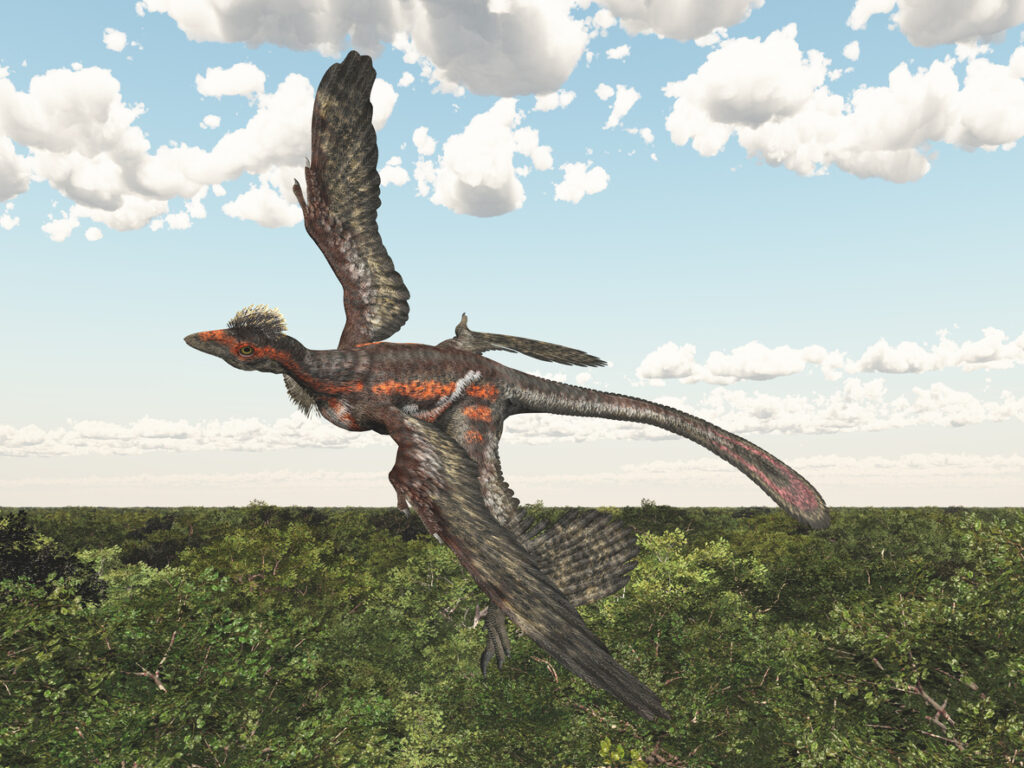
Not every dinosaur was huge. Tiny species like Microraptor and Compsognathus were no bigger than a chicken, with wings and feathers that made them look like little prehistoric birds. They darted between plants, chasing insects and avoiding predators. These mini dinosaurs show how diverse the prehistoric world really was. There were giants, but also hundreds of small, fast, and clever species sharing the same landscapes.
4. Stegosaurus had a brain the size of a walnut.
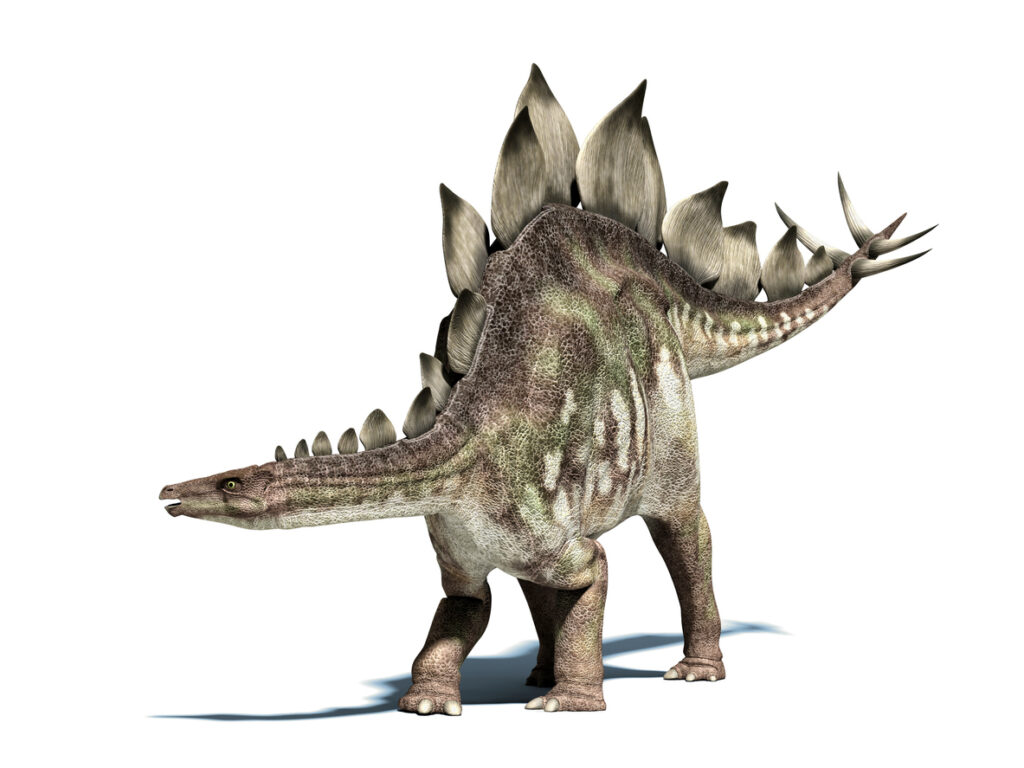
For an animal the length of a bus, Stegosaurus had a surprisingly small brain. It was about the size of a walnut, meaning most of its behaviour came from instinct rather than complex thinking. Its spiky tail and bony back plates made up for that lack of brainpower. These built-in defences made it one of the most instantly recognisable dinosaurs that ever lived.
5. The word “dinosaur” means “terrible lizard.”
British scientist Sir Richard Owen came up with the term “dinosaur” in 1842. It comes from Greek words meaning “terrible lizard,” though they weren’t actually lizards at all. The name referred to their size and power rather than their nature. Dinosaurs belonged to a completely separate branch of reptiles that later evolved into birds, not modern lizards or snakes. It’s one of the many ways early scientists underestimated just how special they were.
6. Diplodocus had a neck longer than a bus.

This plant-eating dinosaur could grow to over 27 metres, with an enormous neck and tail making up most of that length. It could reach high into trees without taking a single step, feeding on leaves other animals couldn’t touch. Its tail may have acted like a whip to scare off predators. You can see Diplodocus skeletons stretched across entire museum halls today, still astonishing visitors with their sheer size.
7. Some dinosaurs could run faster than humans.
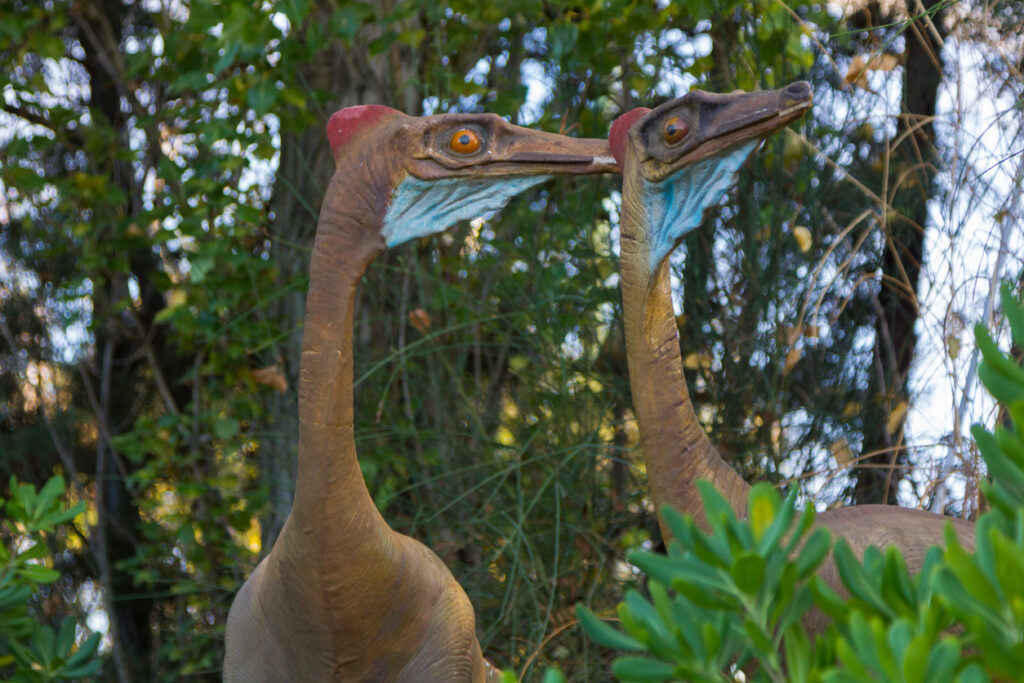
Certain species, such as Ornithomimus, were built for speed and could sprint at over 40 miles per hour. They had long, powerful legs and light bodies, making them some of the fastest creatures of their time. Fossilised footprints show that some of these dinosaurs moved in herds. They relied on speed and teamwork to survive, outrunning predators and staying safe in numbers.
8. Triceratops used its horns for more than defence.
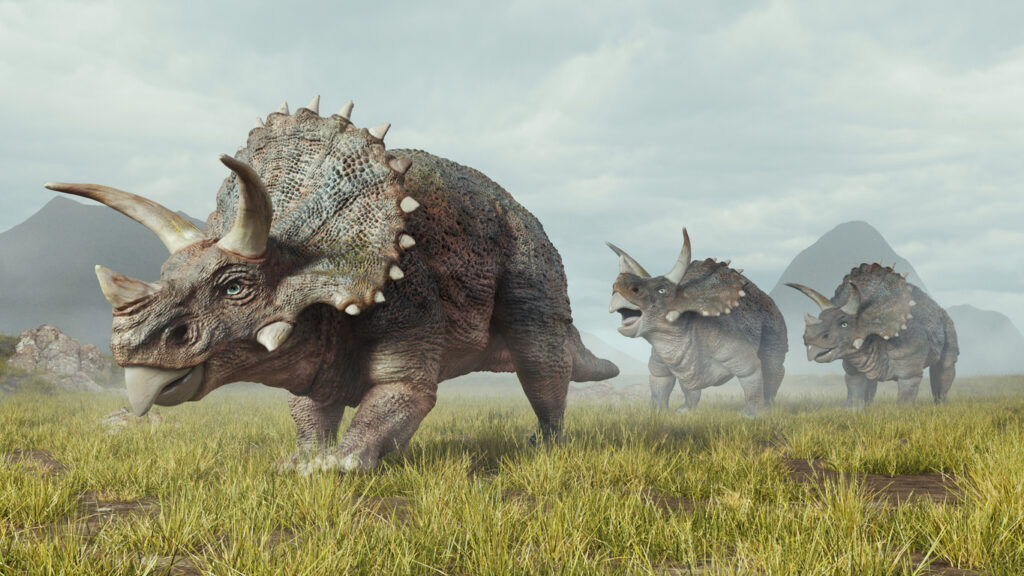
Triceratops is famous for its three horns, but scientists now think they weren’t just for fighting. The horns and large frill may have been used to attract mates or show dominance within a group, much like deer use antlers today. Each horn could grow over a metre long, making it a tough opponent for predators like T. rex. Despite its fierce appearance, Triceratops was a peaceful plant-eater most of the time.
9. Velociraptors were much smaller than you think.

Films made Velociraptors look like tall, human-sized hunters, but real ones were closer to the size of a turkey. They were also feathered, giving them a sleek, bird-like look rather than the scaly predators shown on screen. What they lacked in size, they made up for in intelligence and agility. Their curved claws and pack-hunting tactics made them some of the most dangerous small dinosaurs to ever live.
10. Some dinosaurs swallowed stones to digest food.
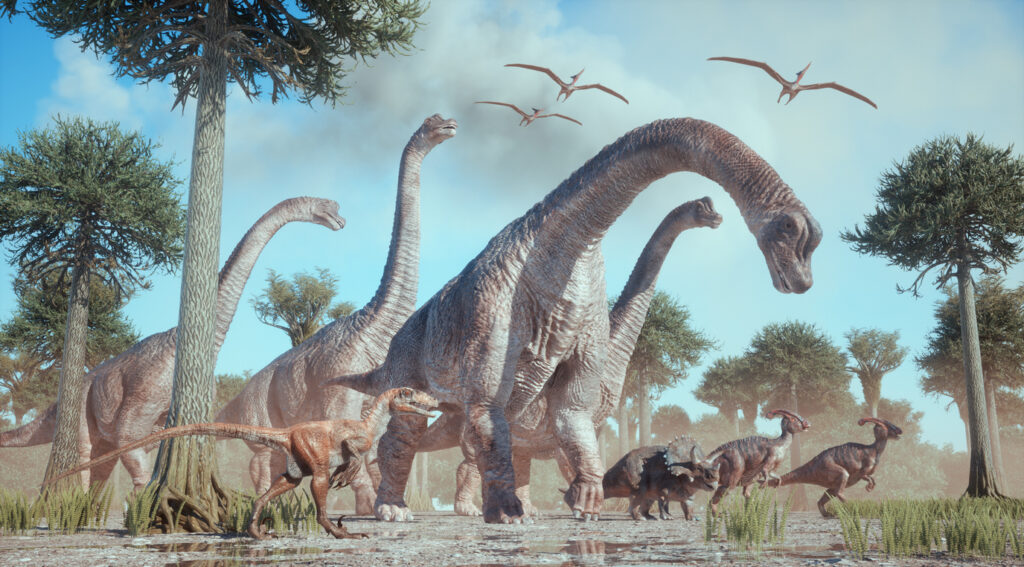
Plant-eating dinosaurs didn’t have the teeth to grind tough vegetation, so they swallowed small stones called gastroliths. These stones tumbled around inside their stomachs, breaking down plants like a natural blender. Polished stones have been found with dinosaur fossils, confirming this clever trick. It’s a perfect example of how even simple animals adapted to their environment in surprising ways.
11. Dinosaurs lived in the Arctic too.
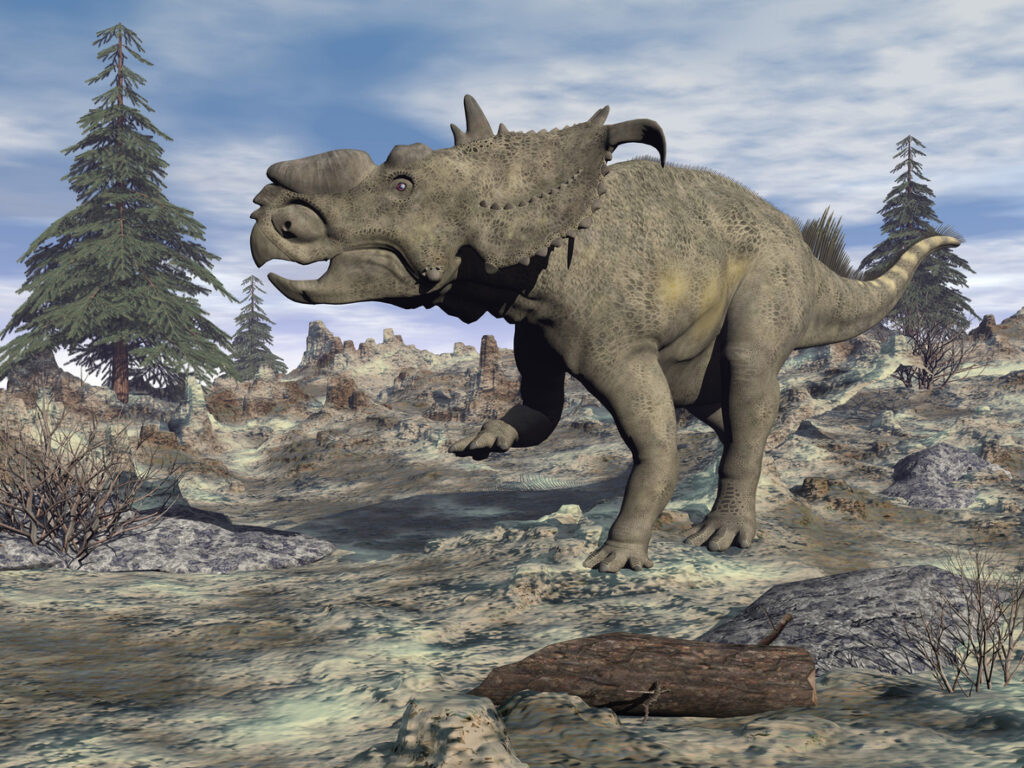
Fossils from northern Alaska show that dinosaurs once lived near the Arctic Circle. These regions weren’t frozen like they are today, but had long, dark winters that required real endurance. Some species developed thick feathers to stay warm or migrated seasonally to survive. It’s proof that dinosaurs were more adaptable than anyone imagined.
12. Ankylosaurus had a tail club strong enough to break bones.
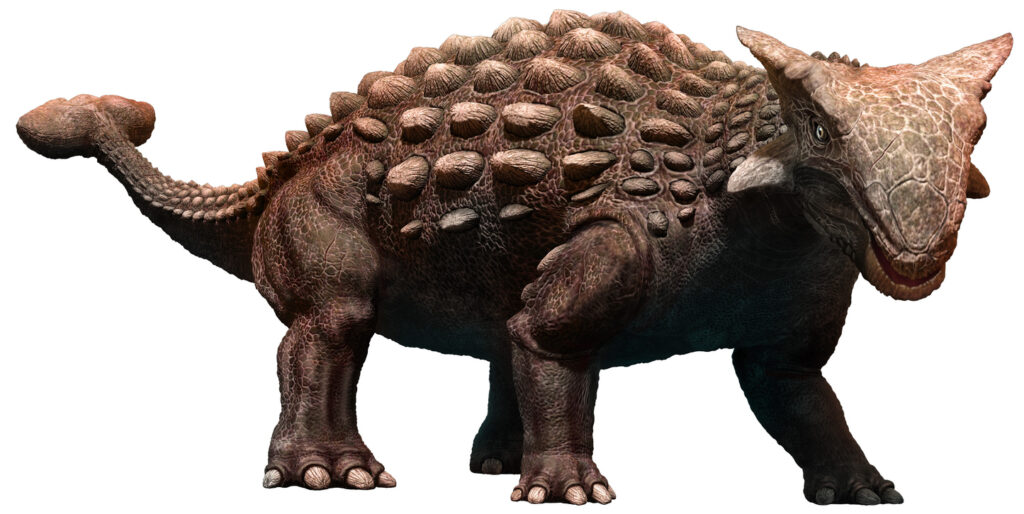
Ankylosaurus looked like a prehistoric tank. Its back was covered in heavy armour plates, and its tail ended in a massive bony club. A single swing could seriously injure a predator or knock it off balance. It wasn’t built for speed, but its defences made it almost untouchable. Few dinosaurs were as well-protected as this one, which is why kids often imagine it as nature’s medieval tank.
13. Brachiosaurus held its head higher than any other dinosaur.
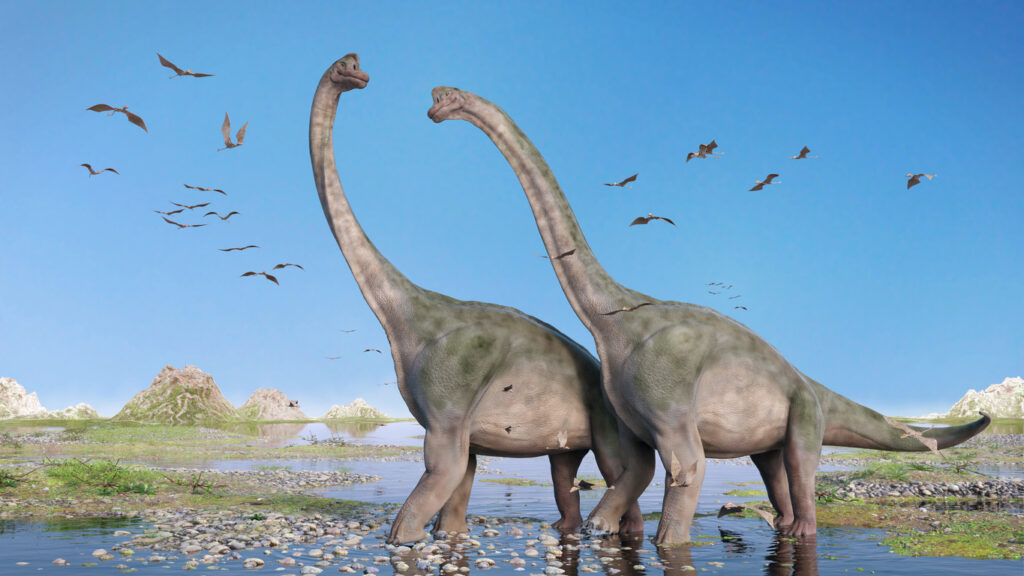
Unlike other long-necked dinosaurs that grazed at ground level, Brachiosaurus stood tall with its head raised high, feeding from the tops of trees. Its front legs were longer than its back legs, giving it a sloped posture perfect for reaching upwards. It could weigh around 60 tonnes, roughly the same as ten elephants. Just keeping its neck upright would have required an enormous heart to pump blood all the way to its head.
14. Spinosaurus may have been able to swim.
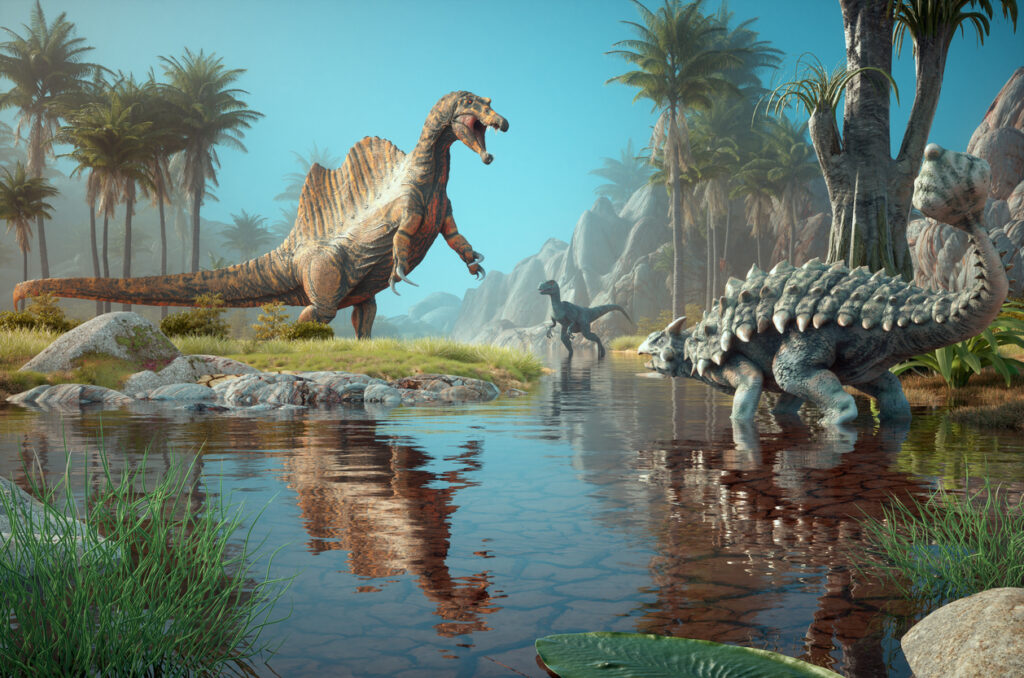
Spinosaurus was one of the largest carnivorous dinosaurs ever found, and new evidence suggests it could swim. Its long, crocodile-like snout and paddle-shaped tail helped it move through rivers while hunting fish. It’s one of the few dinosaurs thought to live mostly in water. With its towering sail-shaped back, it must have looked both bizarre and terrifying to anything nearby.
15. Some dinosaurs cared for their babies.
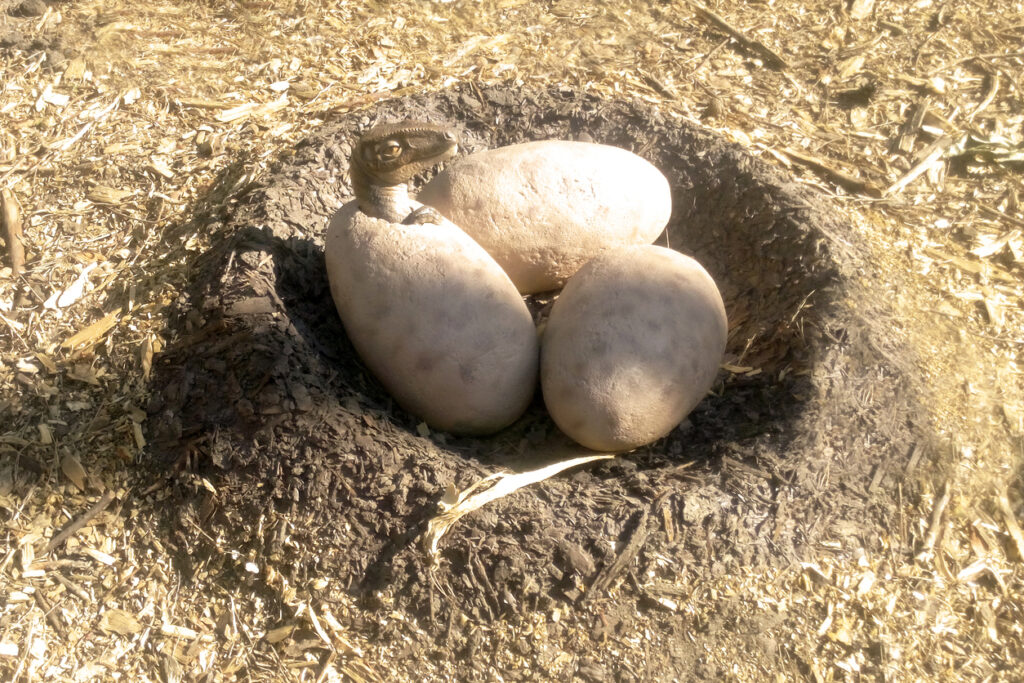
Fossils show that dinosaurs like Maiasaura built nests and stayed with their young after they hatched. Parents brought food and protected their chicks, suggesting a level of care that’s surprisingly familiar to us today. This discovery changed how scientists think about dinosaurs. They weren’t all cold, heartless monsters; some were devoted parents who looked after their families.
16. T. rex lived closer to humans than to Stegosaurus.

Stegosaurus roamed the Earth about 150 million years ago, while T. rex appeared around 66 million years ago. That’s a gap of more than 80 million years, which is much longer than the time between humans and the T. rex itself. It’s a shocking reminder that dinosaurs weren’t all from one era. They ruled for so long that entire species evolved, thrived, and vanished long before other people even appeared.
17. Dinosaurs ruled Earth for over 165 million years.
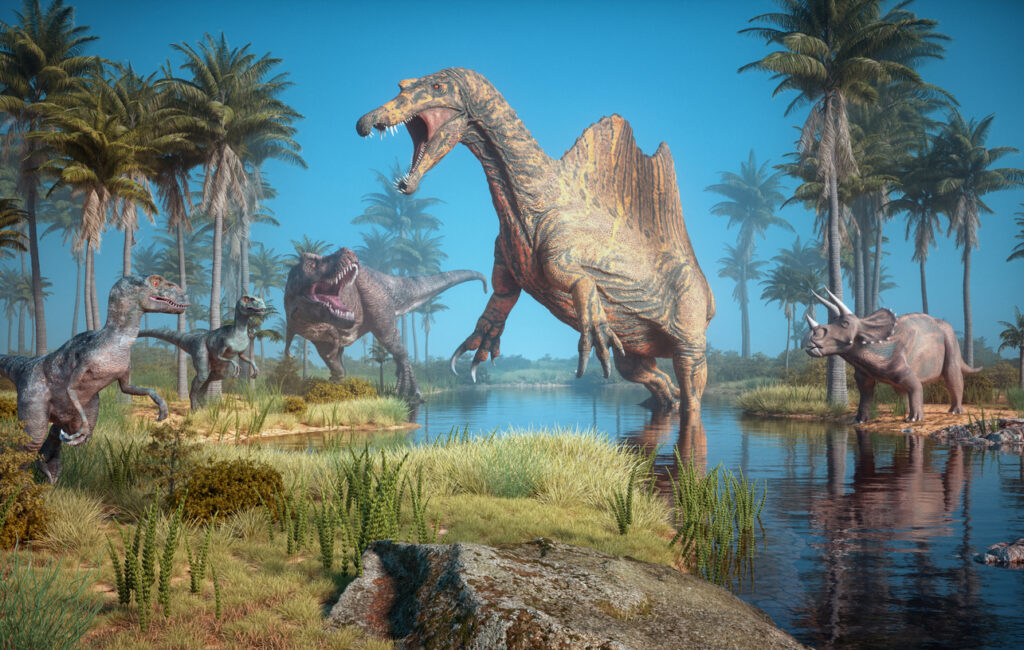
Humans have existed for less than half a million years, but dinosaurs dominated for more than 165 million. They survived massive climate shifts, volcanic eruptions, and changing continents before the asteroid wiped them out. That incredible stretch of time makes our own species look brand new by comparison. For kids, it’s an amazing reminder of how ancient and resilient life on Earth can be.
18. Birds are the dinosaurs that survived.
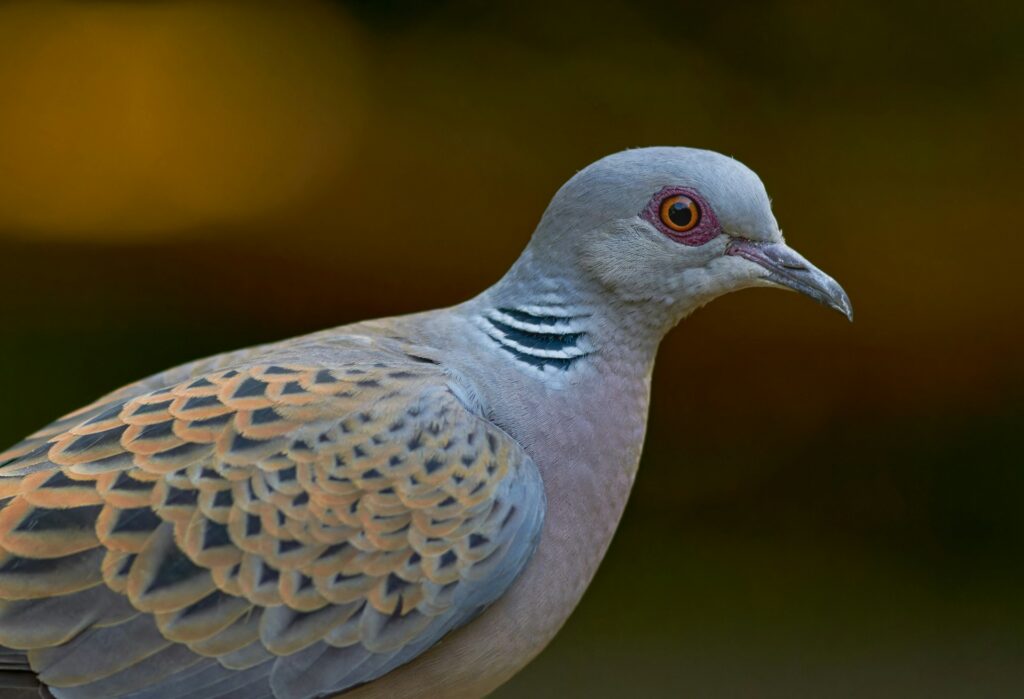
Modern birds are direct descendants of small, feathered theropods. They still share bone structures, air-filled lungs, and even nesting behaviours with their ancient ancestors. So when you see a robin or a pigeon, you’re looking at the last living dinosaurs. The age of dinosaurs never truly ended, really. It just evolved into something smaller and feathered.
19. Dinosaur fossils have been found on every continent.
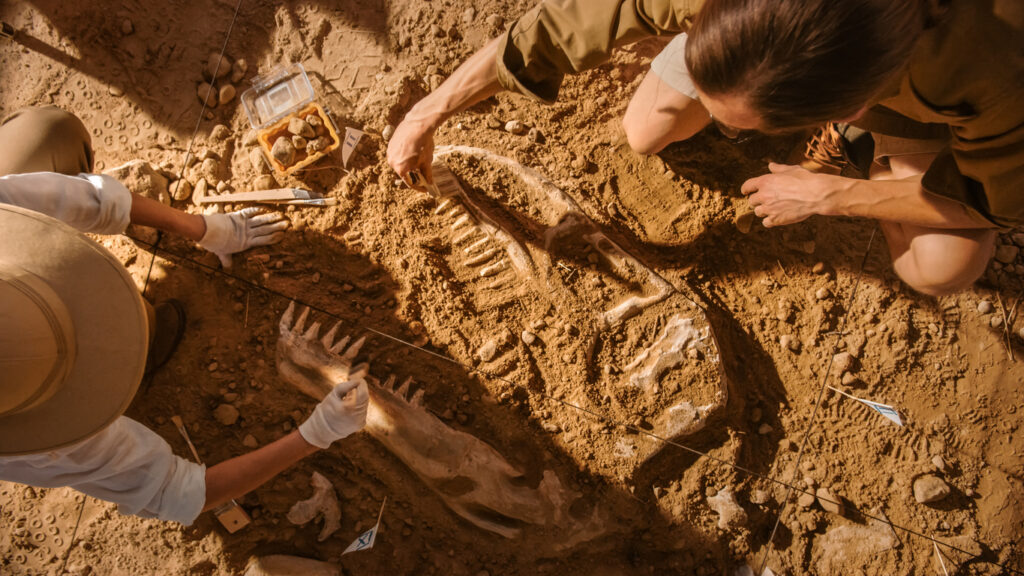
From Antarctica to Africa, scientists have uncovered dinosaur fossils all over the world. Back when they lived, the continents were joined together in one massive supercontinent called Pangaea. As the landmasses drifted apart, different species evolved in isolation, creating unique dinosaurs on every continent. It’s a global story written in stone, showing how connected the planet once was.
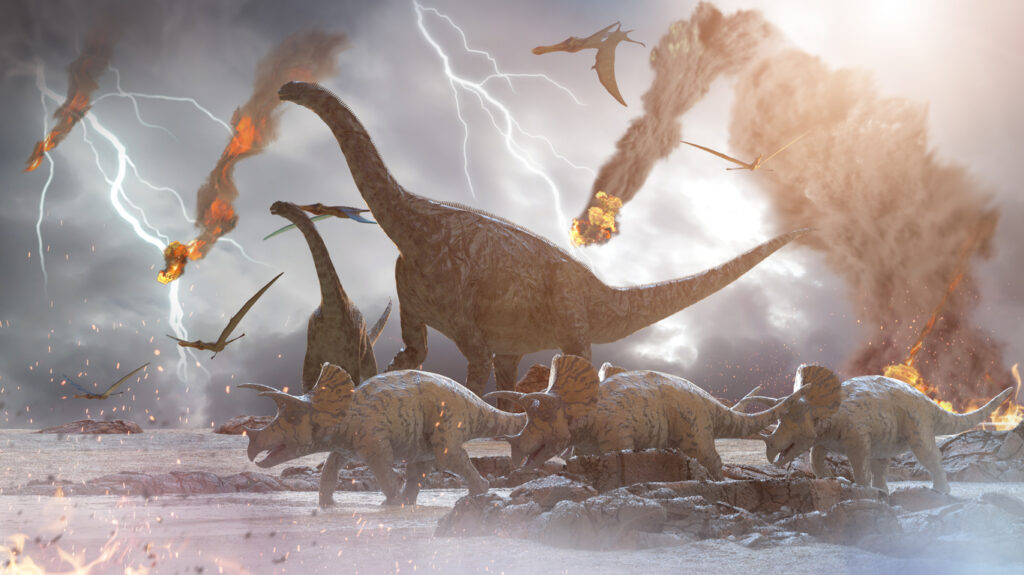
20. A giant asteroid changed everything.
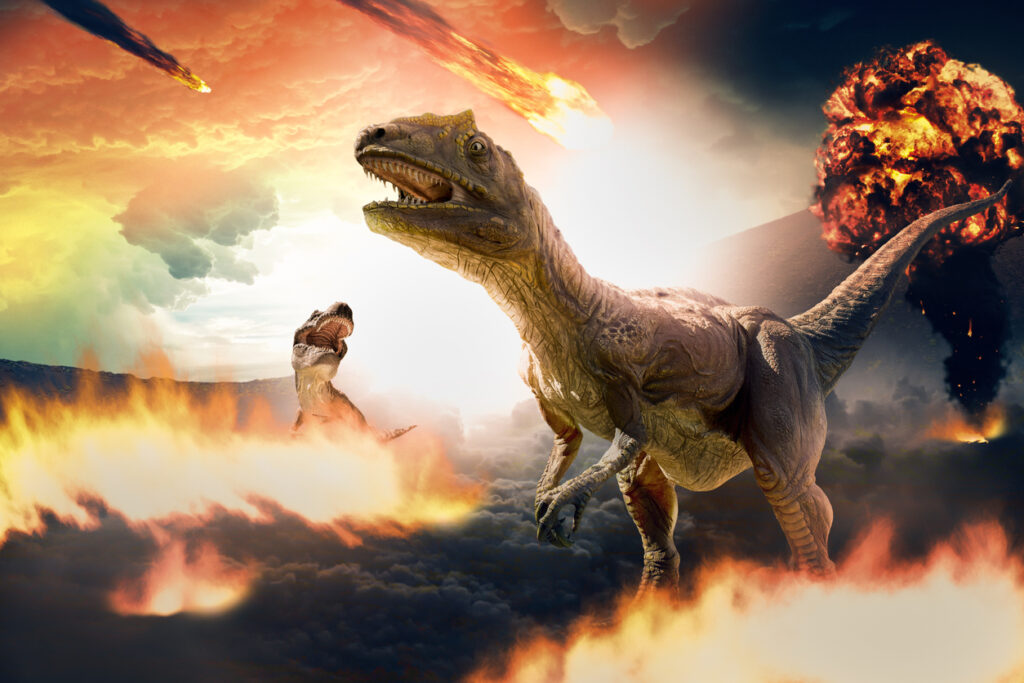
About 66 million years ago, a huge asteroid hit near what’s now Mexico. The impact caused wildfires, earthquakes, and years of darkness that wiped out most life on Earth, including the dinosaurs. That single event ended one age and began another, allowing mammals, and eventually humans, to take over. It’s one of history’s most powerful reminders that even the mightiest creatures can be undone in an instant.