The Grand Canyon isn’t just a pretty view—it’s one of the clearest, most detailed records of Earth’s history that we’ve got.
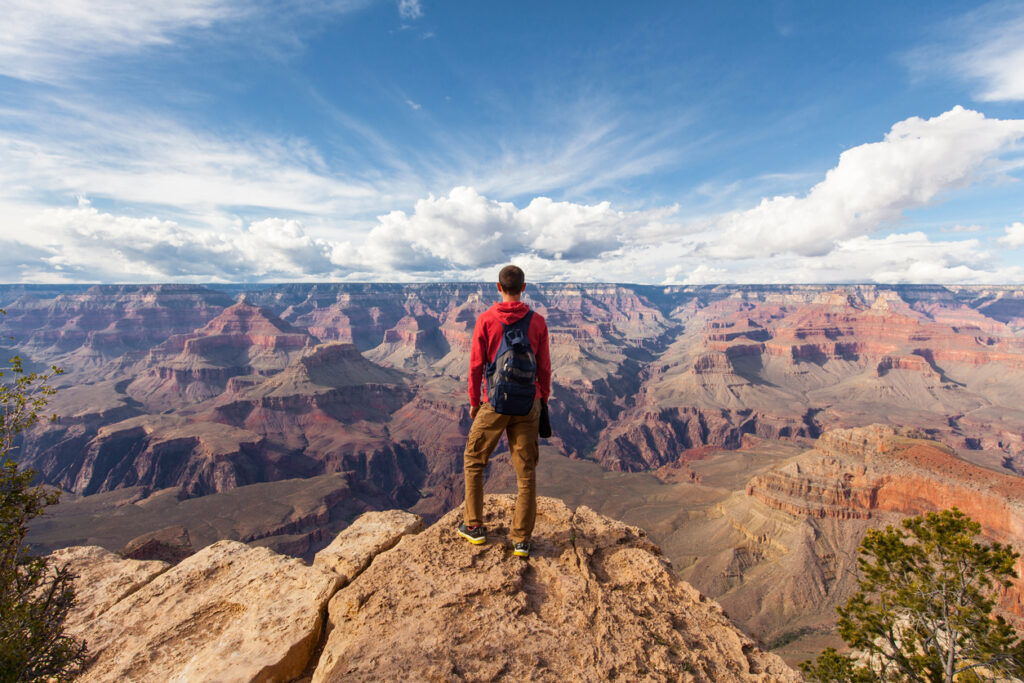
Layer by layer, it captures changes in climate, sea levels, and even the appearance of life itself. Scientists keep coming back to this place not just because of its scale, but because of what it reveals. Here are 12 incredible things the Grand Canyon is still teaching us about the planet we live on.
The Earth is way older than most people think.
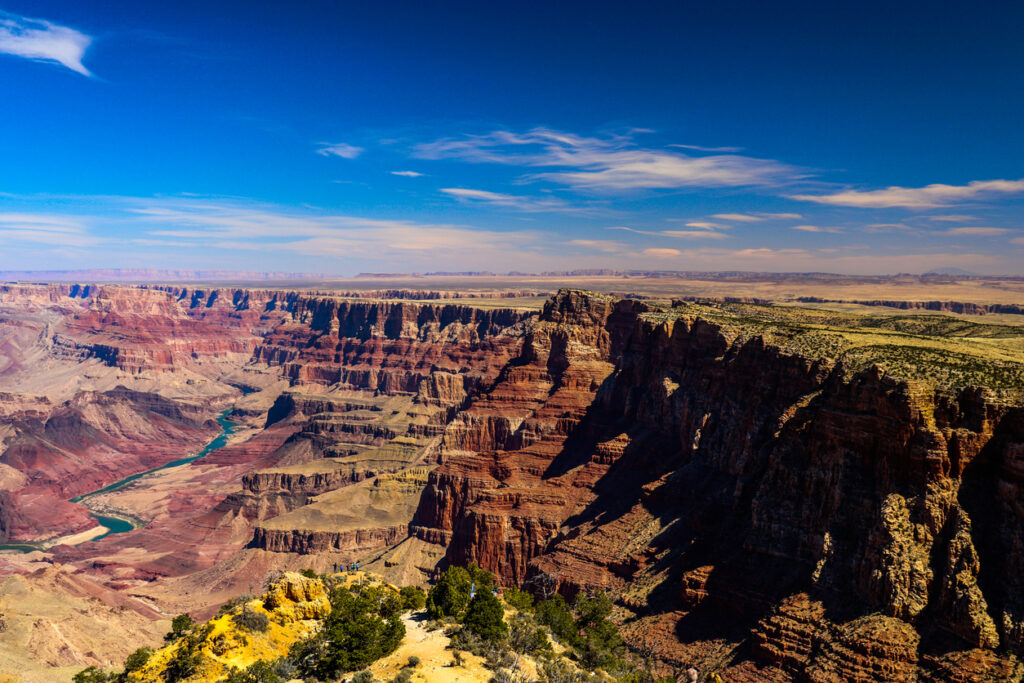
Some of the rocks at the bottom of the Grand Canyon are more than 1.8 billion years old. That’s nearly half the age of the Earth itself. Walking from the rim to the river is like travelling through time, with each rock layer marking a different chapter in the planet’s history. This kind of timescale is hard to wrap your head around, but that’s exactly what makes the canyon so valuable. It reminds scientists, and the rest of us, just how ancient, complex, and ever-changing our world really is.
Ancient oceans once covered this area.
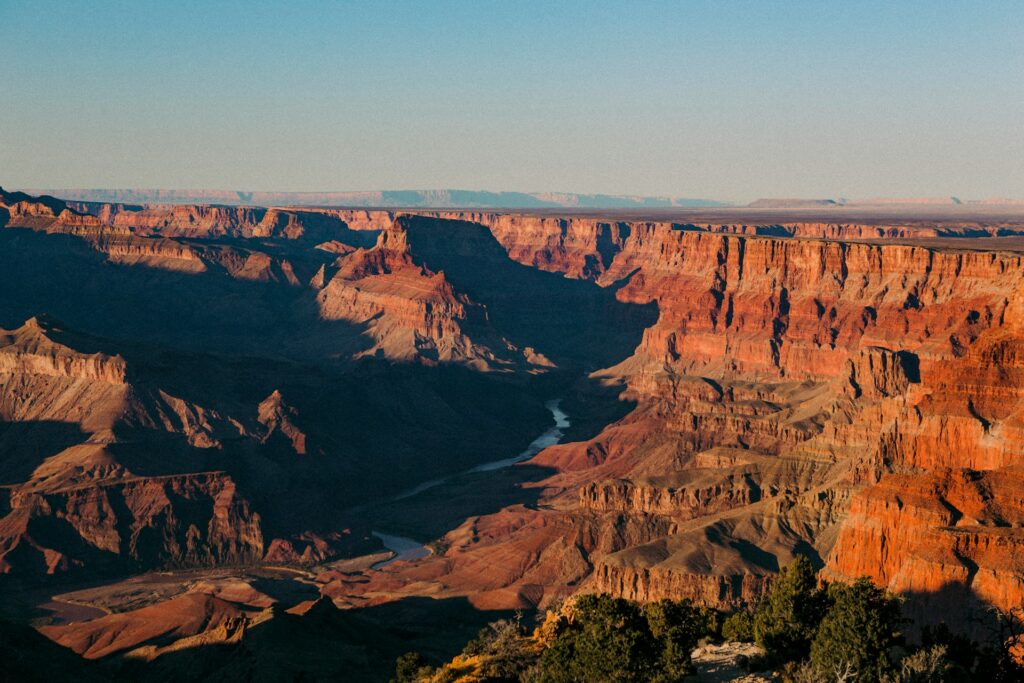
Fossils of marine creatures have been found deep within the canyon’s rock layers, proving that vast seas once covered what’s now a dry desert. You’ll find coral, shells, and even ripple marks from ancient tides, frozen in stone. This kind of evidence helps scientists reconstruct ancient environments, showing how sea levels have risen and fallen over millions of years. It also reminds us that land and water are never as permanent as they seem.
Earth’s surface is constantly reshaping itself.
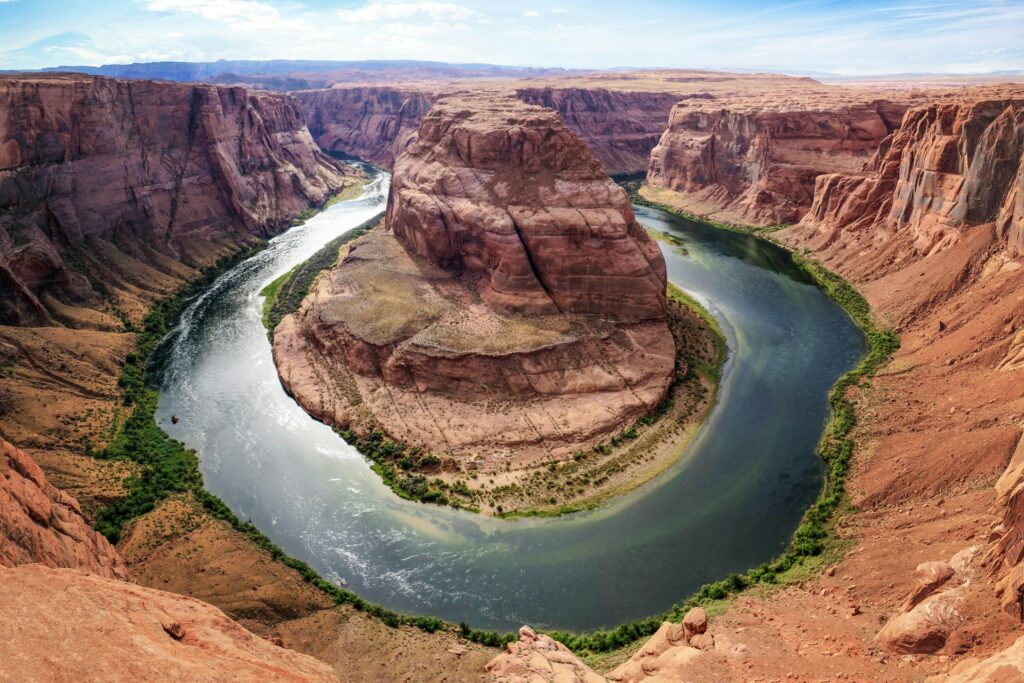
The Grand Canyon is a living example of erosion in action. Carved by the Colorado River over the past 5 to 6 million years, it shows how water, wind, and gravity can completely reshape a landscape given enough time. Studying the canyon helps geologists understand how valleys form, how rock wears down, and how even solid ground is constantly shifting. It’s like watching geology’s slow-motion version of a demolition job.
Rock layers don’t always behave predictably.
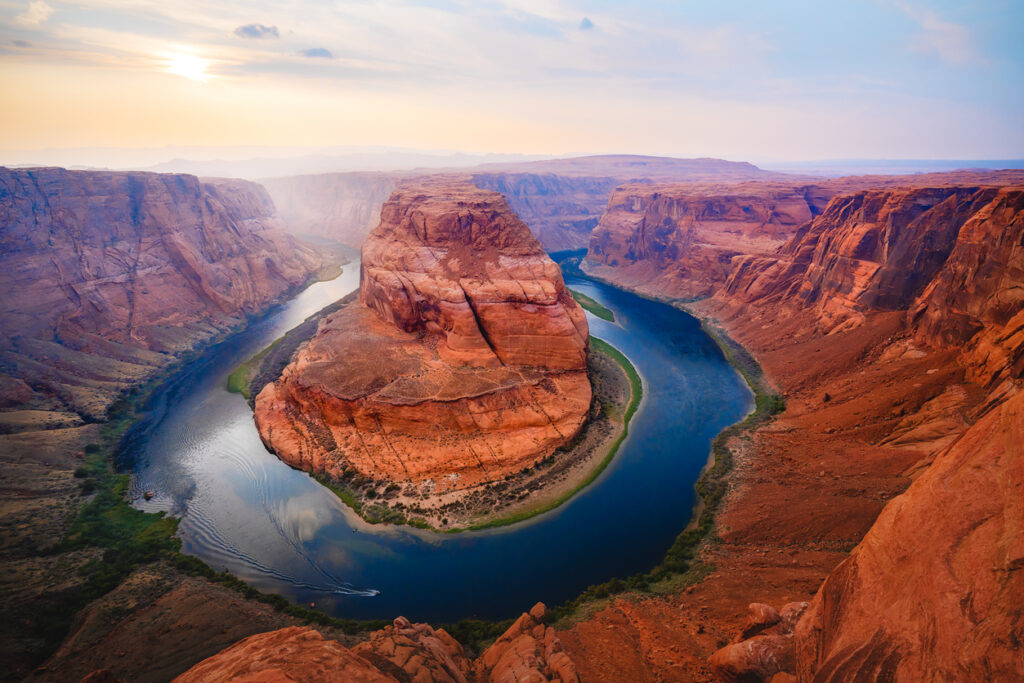
One of the big puzzles in the Grand Canyon is known as the “Great Unconformity.” It’s a gap in the rock record where around a billion years of history is just… missing. There’s no clear answer as to why, and that makes it a hot topic for researchers. These kinds of gaps raise big questions about what happened during those missing years, whether it was erosion, tectonic activity, or something else entirely. It’s a reminder that Earth’s history isn’t always neatly recorded.
Life on Earth leaves surprising traces.
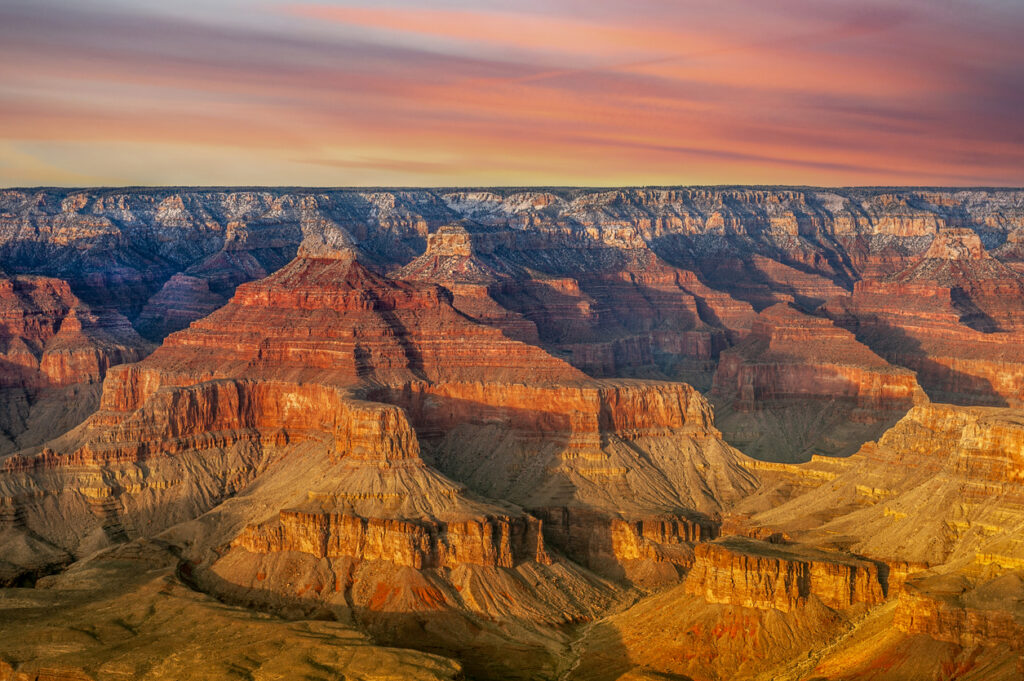
Even tiny creatures leave their mark. Fossils in the canyon’s walls include early trilobites, sponges, and microbial mats—some of the earliest evidence of complex life on Earth. It’s not just about bones, either. Patterns in the rocks show how organisms moved, fed, and adapted over time. By looking at these signs, scientists can build timelines for evolution and better understand how life developed in different environments, long before dinosaurs ever showed up.
Volcanic activity shaped more than we realise.
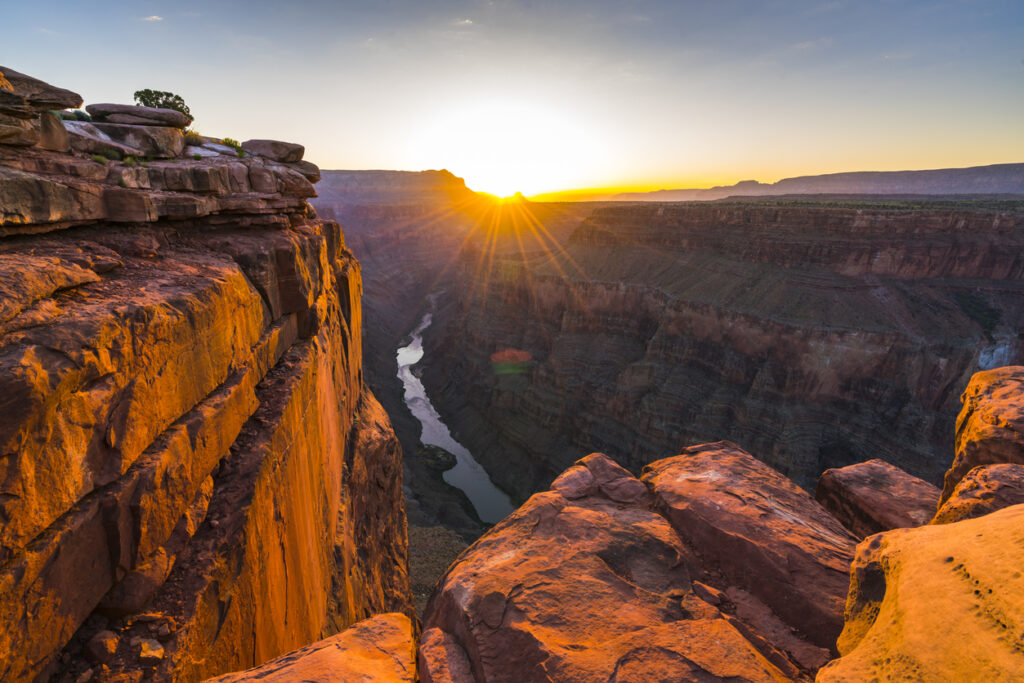
Though we don’t think of the Grand Canyon as volcanic, traces of ancient lava flows have been found among its layers. These volcanic deposits offer clues about eruptions that happened long before humans ever set foot in North America. They also give scientists a way to date surrounding rock formations more precisely. By analysing the chemistry and age of lava layers, geologists can pin down the timeline of major events in the region’s formation.
Tectonic plates tell a powerful story here.
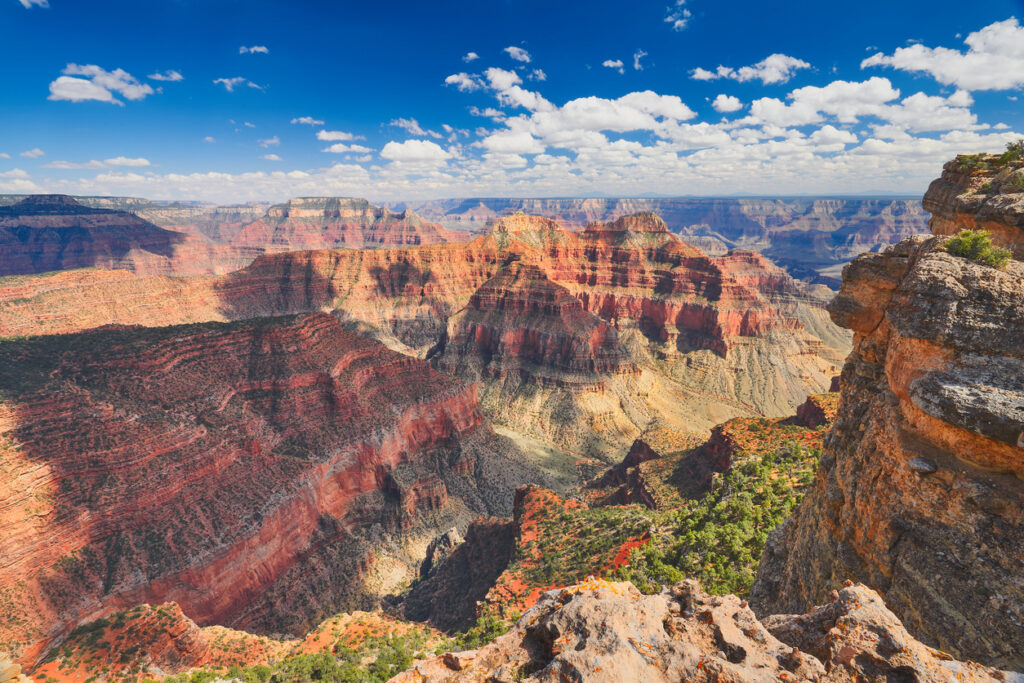
The uplift of the Colorado Plateau, which helped expose the Grand Canyon, is a result of tectonic forces deep below the surface. It’s proof that continents and land masses are anything but stable. They’re constantly moving, cracking, and rising. This movement helps explain why the canyon ended up so elevated, which in turn gave the Colorado River the force it needed to carve such a dramatic landscape. Without tectonics, the Grand Canyon wouldn’t exist at all.
Earth’s climate has swung wildly.
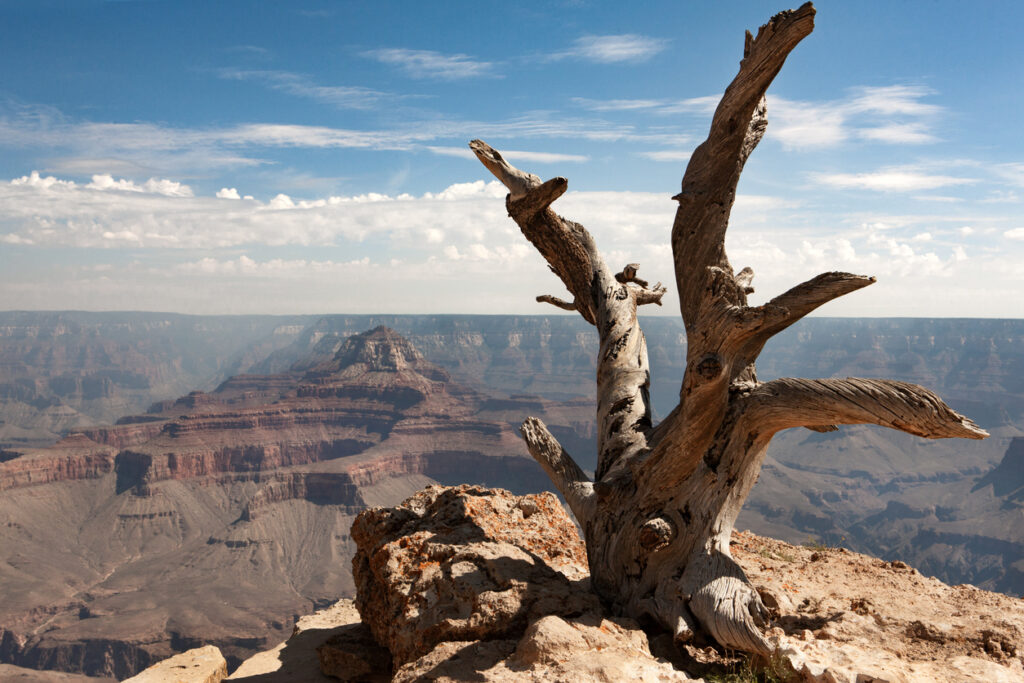
By studying soil layers, sediment deposits, and fossil records in the canyon, scientists have identified ancient periods of extreme heat, glacial cold, and everything in between. These changes left clear fingerprints behind. This data is crucial in understanding how climate change works over thousands and millions of years. It also gives us perspective on what’s happening now because this planet has been through radical changes before.
Rivers are relentless forces of change.
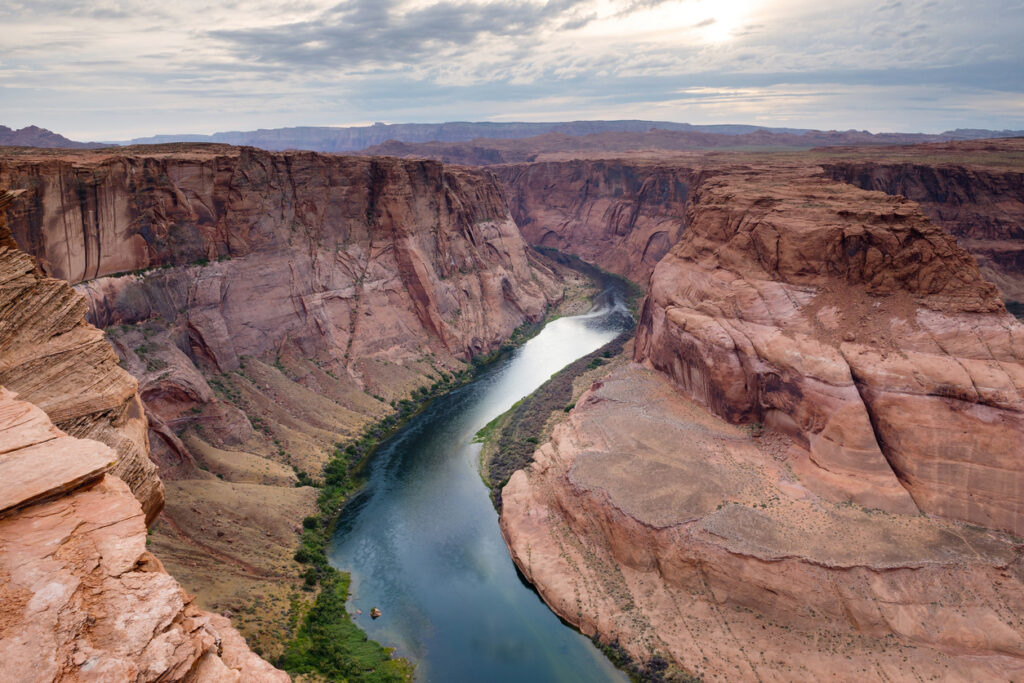
The Colorado River is the architect of the Grand Canyon. Over millions of years, it cut down through solid rock, carrying away sediment bit by bit. That slow grind carved out a chasm more than a mile deep and 277 miles long. Scientists studying the river’s role get real-time lessons in how water shapes land. It’s a reminder that even the gentlest forces, given enough time, can make enormous changes.
Rock can tell you when continents collided.
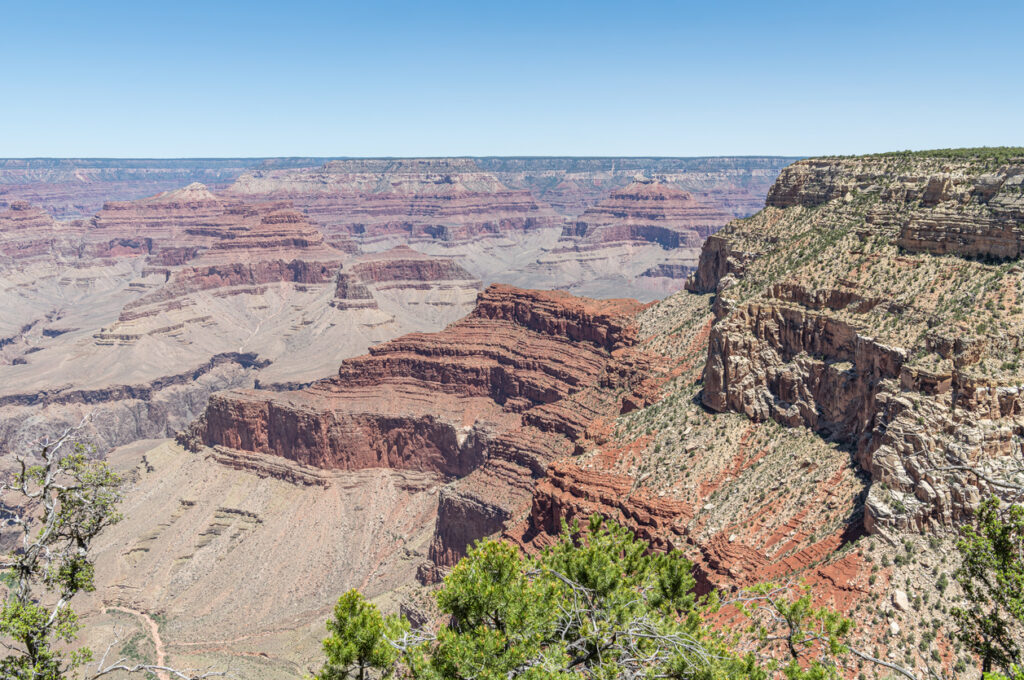
Certain layers in the canyon hold rocks formed under pressure so intense they had to come from the base of ancient mountain ranges. These likely formed when tectonic plates smashed together, creating massive uplifts and folding the Earth’s crust. These signs help geologists trace the rise and fall of entire mountain chains, long gone now. It’s like finding fossilised memories of continents crashing into each other millions of years ago.
Nature’s timelines are very different from ours.
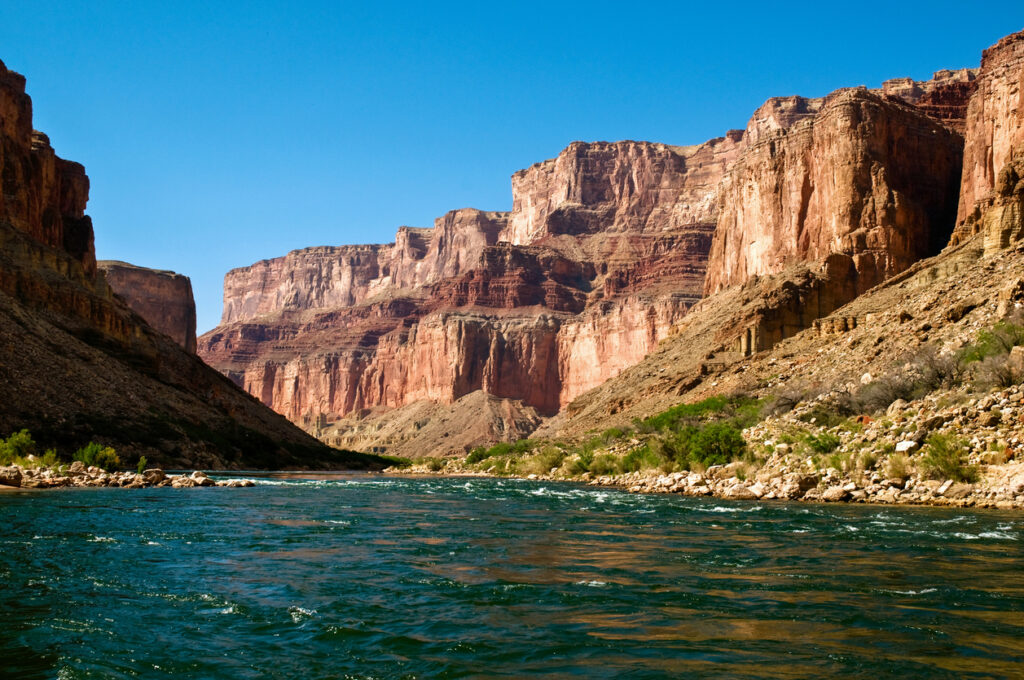
The Grand Canyon didn’t appear overnight, or even over a single era. Its formation took place over hundreds of millions of years. Human life is a blink in comparison, which can be both humbling and fascinating. It puts things in perspective. When scientists study this place, they’re dealing with stretches of time that don’t fit into our usual way of thinking. It’s a direct look into deep time, and it’s mind-blowing.
There’s still so much we don’t know.
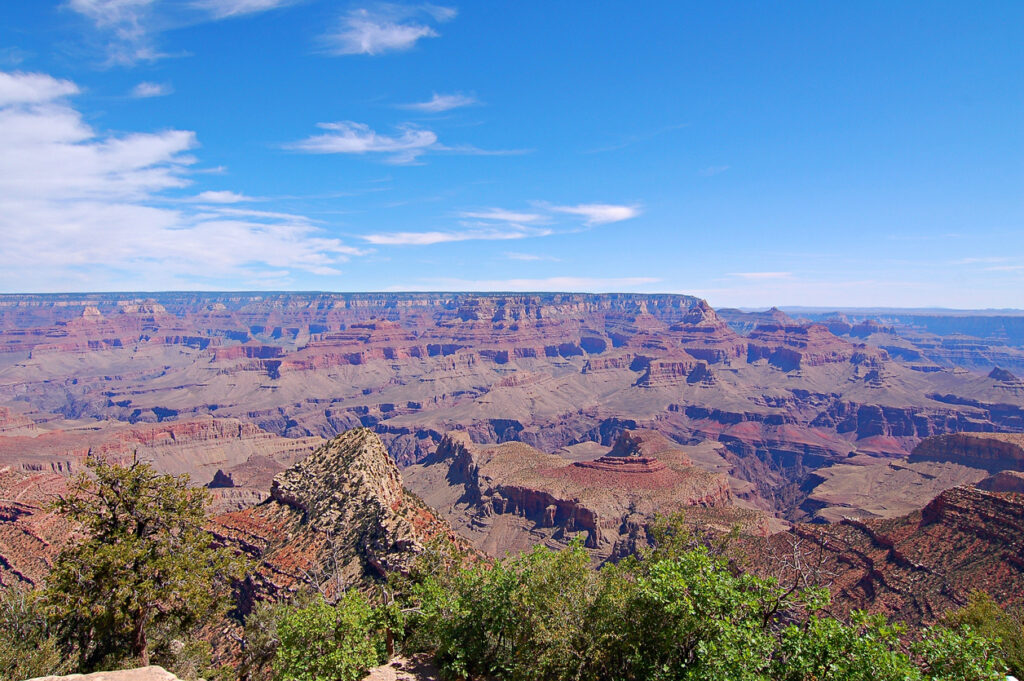
For all the studying and sampling and theorising, the Grand Canyon still holds mysteries. Geologists are still debating exactly how old it is, when certain layers formed, and what forces were most responsible for its final shape. That’s part of what makes it so captivating not just for tourists, but for scientists too. It’s a place that’s both studied and wild, known and unknown. A reminder that Earth’s history is still unfolding, one layer at a time.