If your spider plant is looking more like a few lonely tendrils than the lush jungle you had in mind, you’re not alone.
Spider plants are usually easy to care for, but getting them full and thriving takes a bit of intention. The good news is that most of it’s down to small tweaks that make a big difference over time. Here are 12 things that actually help bulk it out without the guesswork.
1. Give it a wider pot, not a deeper one.
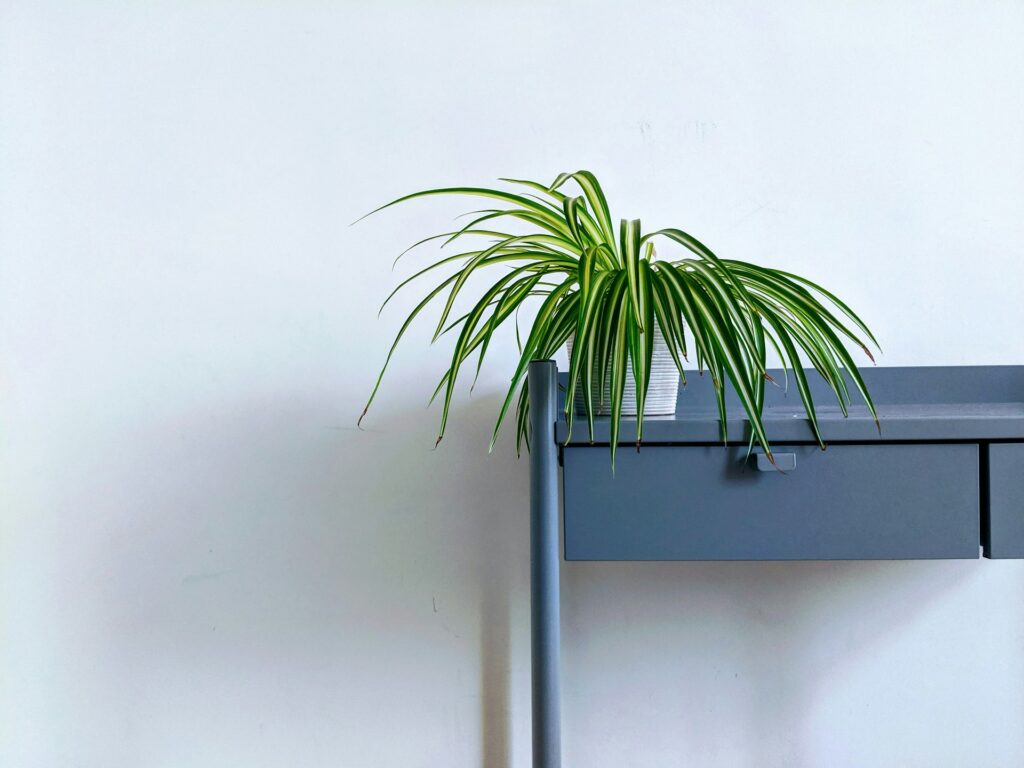
Spider plants have shallow roots that spread outwards more than they dig deep. If you’re repotting, go for a container that’s a bit wider than the one it came in, not taller. That space lets the roots branch out properly, which supports more foliage growth above the soil. A narrow, deep pot can leave the plant feeling cramped and unstable. When it has room to breathe sideways, it responds with stronger, more balanced top growth, meaning a fuller, healthier look overall.
2. Don’t split it up too soon.
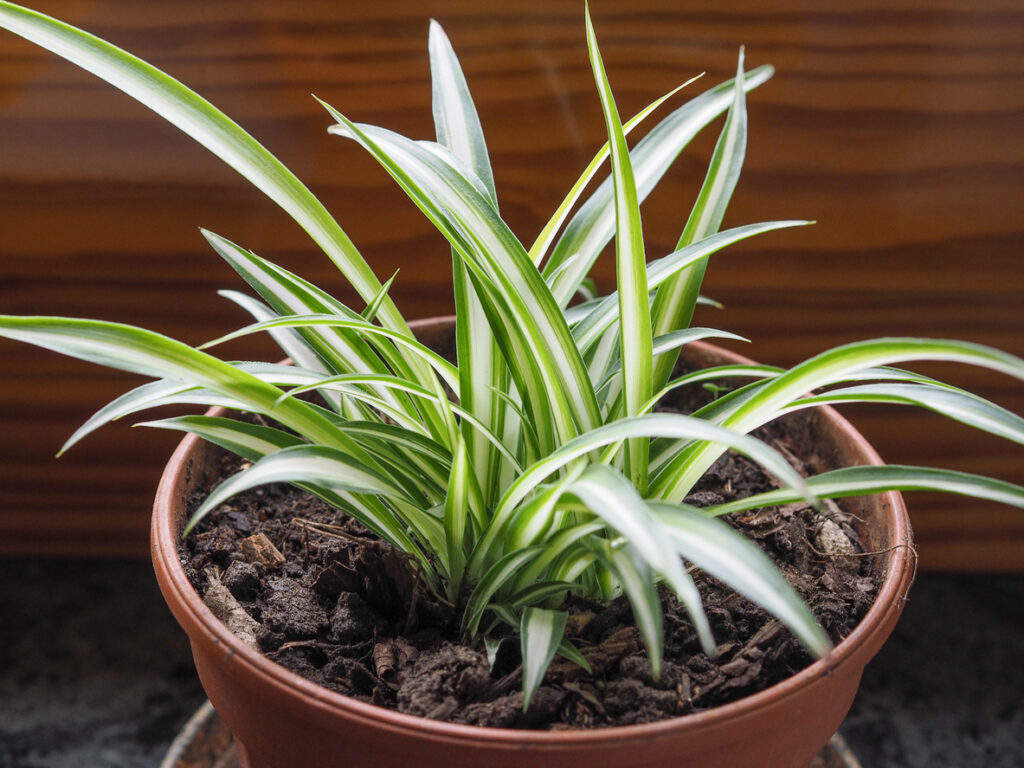
It’s tempting to divide a spider plant once it gets a few offshoots, especially if you want more plants to give away. But letting it grow as one bigger plant for a while will give you a much fuller effect. The more mature the root system, the more dramatic the foliage. If you really want volume, hold off on dividing it until you’ve got a thick, thriving cluster. One happy, dense plant tends to look far more impressive than several half-hearted ones.
3. Prune the stragglers.
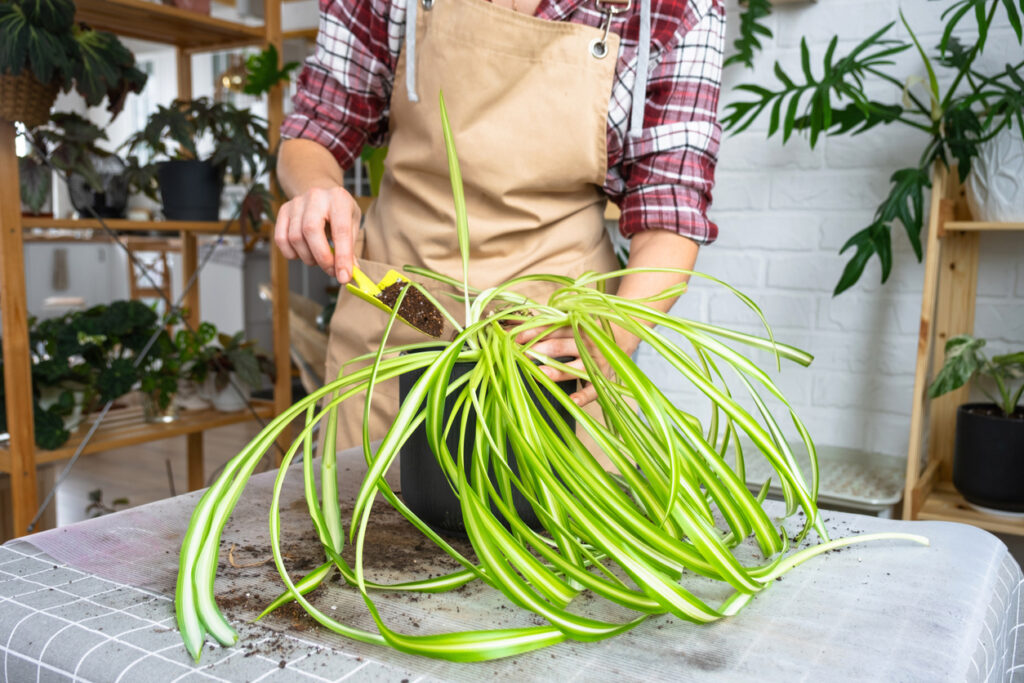
Spider plants can get leggy if they’re not getting enough light or if older leaves are draining energy from the centre. Every now and then, trim off any yellowing, limp, or super long outer leaves that are starting to look scruffy. This helps redirect the plant’s energy into fresher, more compact growth. Don’t worry, spider plants bounce back fast, and a light trim can encourage them to fill in any thin patches quickly.
4. Propagate the babies, and plant them back in.

One of the easiest tricks for bulk is to take the baby spiderettes that grow on the long stalks, root them in water or soil, then plant them back into the same pot. This gives you a natural, built-in “top up” of leaves. It’s a great way to make the base look thicker without waiting for new shoots to grow from scratch. After a few weeks, you’ll start to see your pot looking much fuller, without buying a second plant.
5. Rotate it regularly.
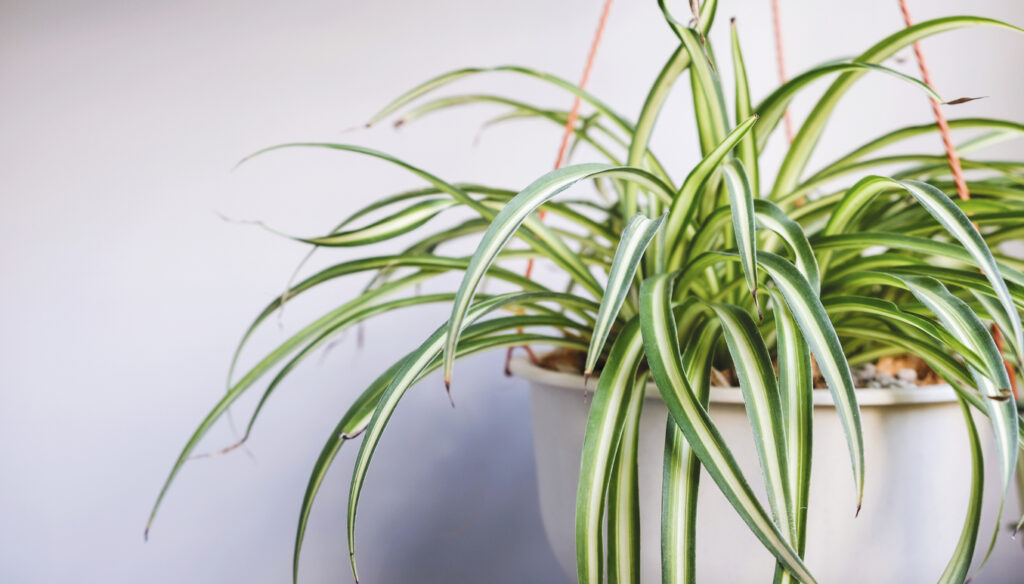
Spider plants lean towards the light, so if yours is sitting in the same position for months, it might be growing more heavily on one side. Rotating it every week or two helps even things out and encourages symmetrical growth. This also prevents the underside from going bare, which is key if you want a pot that looks good from all angles, not just the one facing the window.
6. Make sure it’s not rootbound.
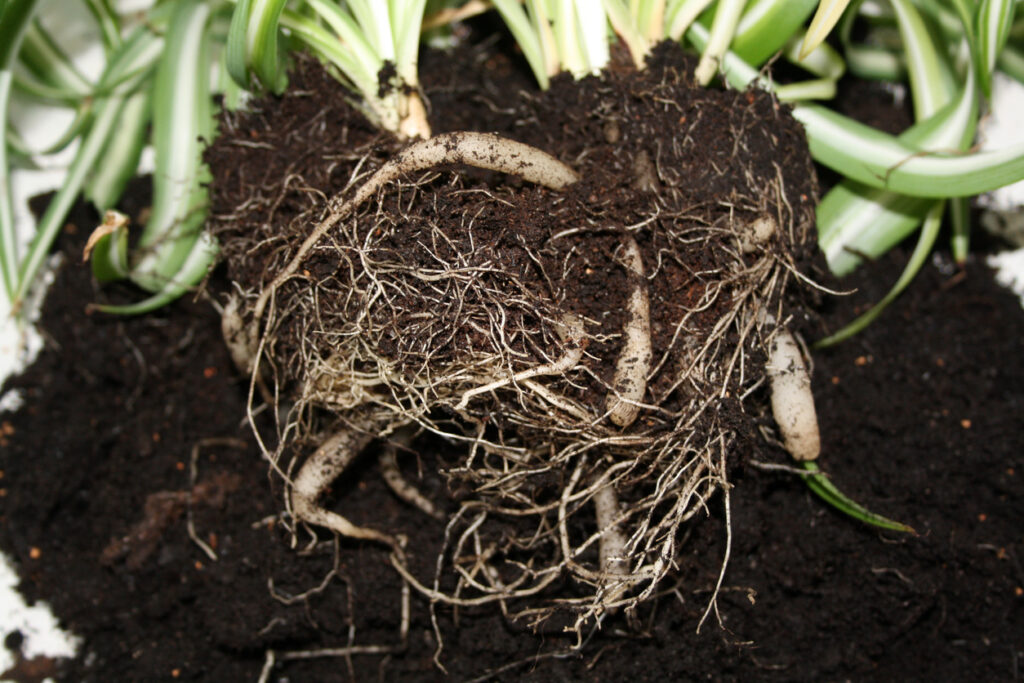
Spider plants like being a little snug in their pots, but if they’re too cramped, growth can stall completely. You might notice leaves staying thin or not producing new shoots. If roots are poking out the bottom, it’s time for a repot. Loosening up the roots and giving them slightly more space often kickstarts a new wave of healthy top growth. Just don’t size up too dramatically. Go one pot size up to avoid overwhelming it.
7. Water deeply, but not too often.
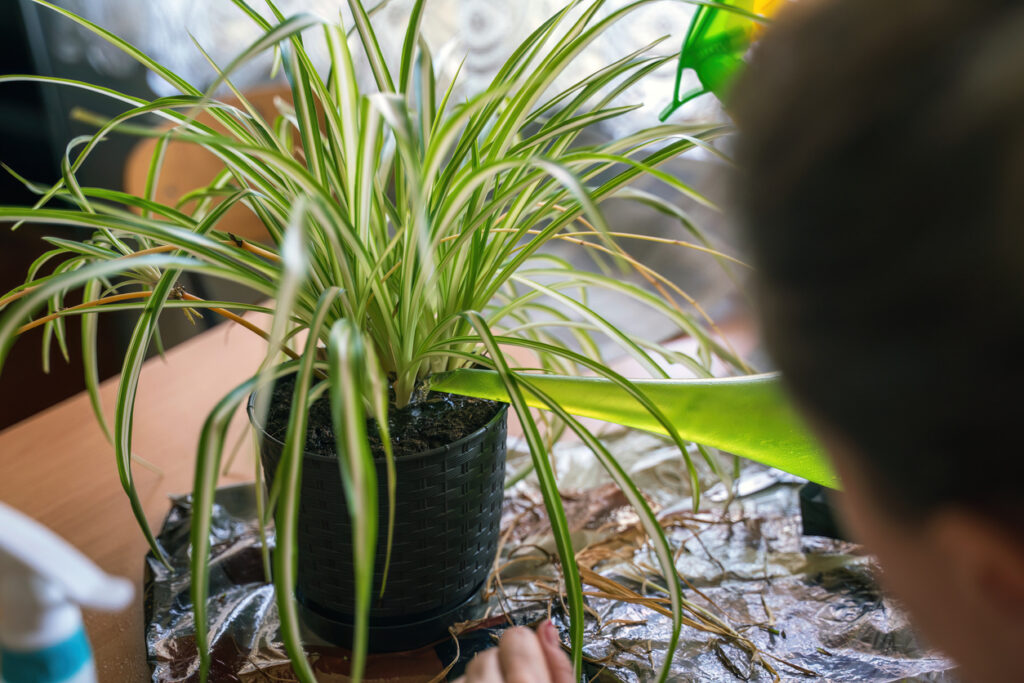
Spider plants like a good soak, but they don’t enjoy soggy roots. Let the soil dry out a little between waterings, then give it a proper drink until water runs out the drainage holes. This encourages roots to spread out and grow stronger, which supports thicker leaf production. Light, shallow watering tends to encourage weak, spindly growth, so commit to a solid soak when you do it.
8. Give it bright, indirect light.
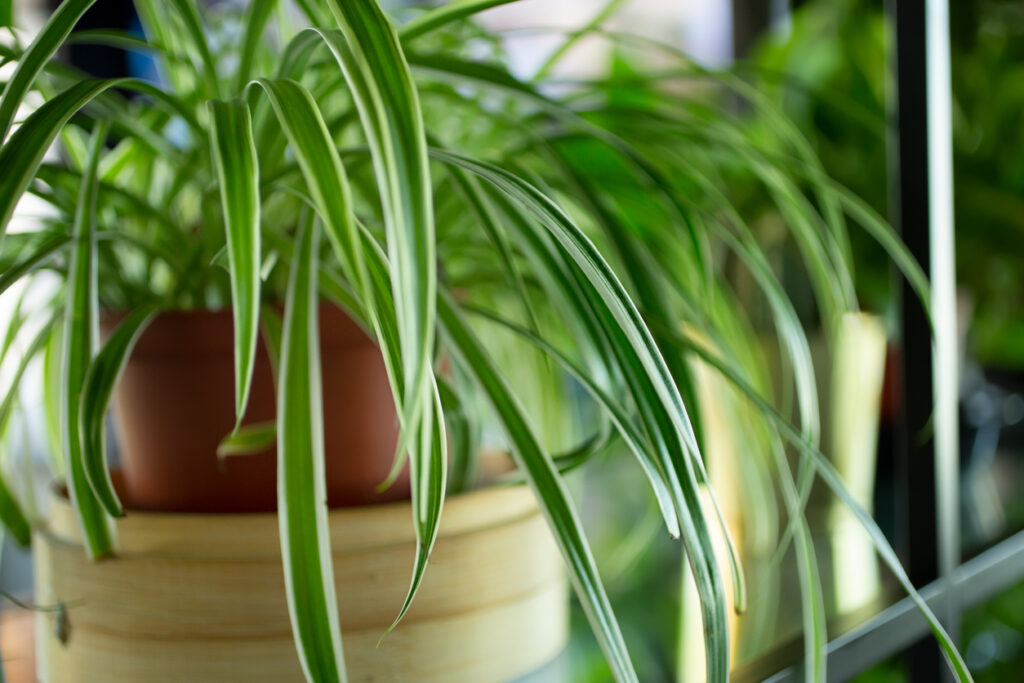
If your spider plant’s leaves are pale, floppy, or stretching out too far, it probably needs more light. They thrive in bright, indirect sunlight; not full shade, and not direct blazing sun either. Pop it near a north- or east-facing window in the UK, or pull it a little back from a sunny south-facing one. When they get the right light, they grow tighter and more compact, which helps with that full, bushy look.
9. Feed it regularly in spring and summer.
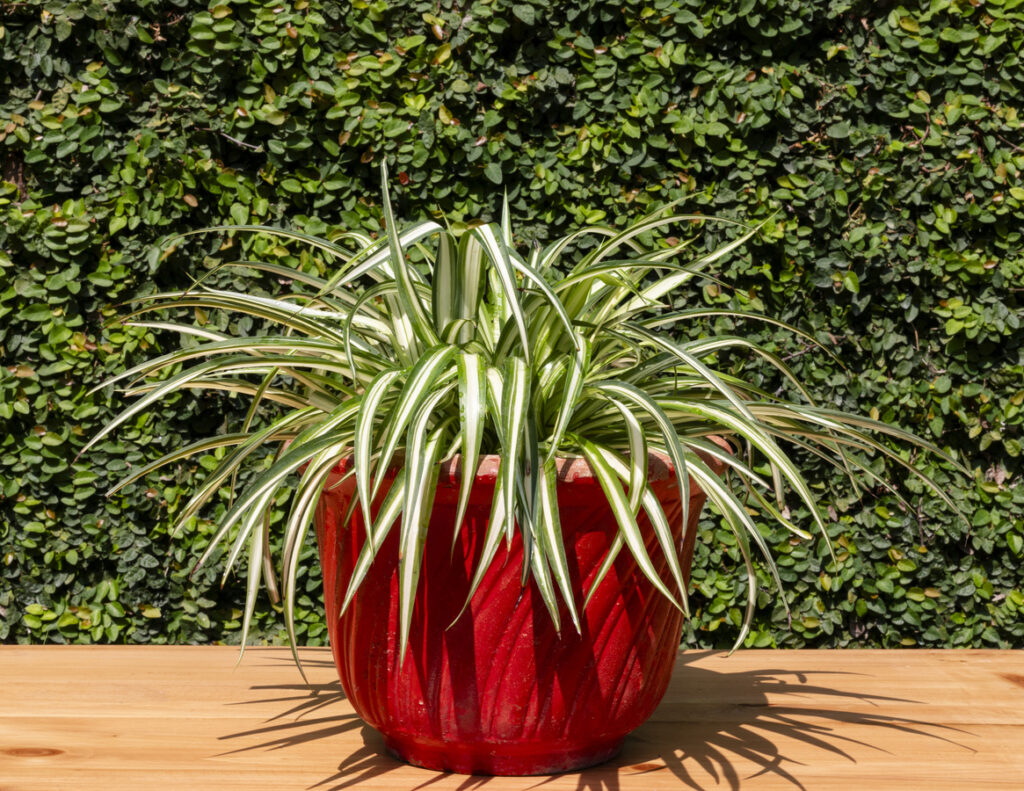
During the growing season, spider plants appreciate a monthly feed with a balanced liquid houseplant fertiliser. It gives them the nutrients they need to bulk out rather than just survive. Stick to half-strength to avoid overdoing it, as spider plants aren’t heavy feeders. Still, a little consistent nutrition goes a long way in keeping the foliage lush and the new shoots coming in strong.
10. Keep humidity in check.
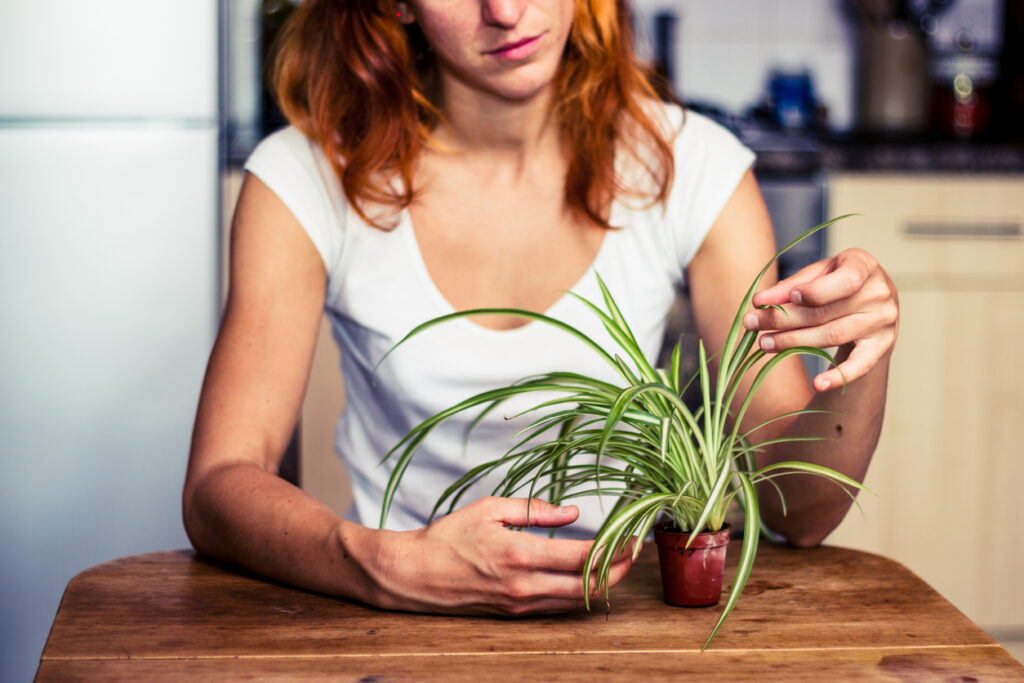
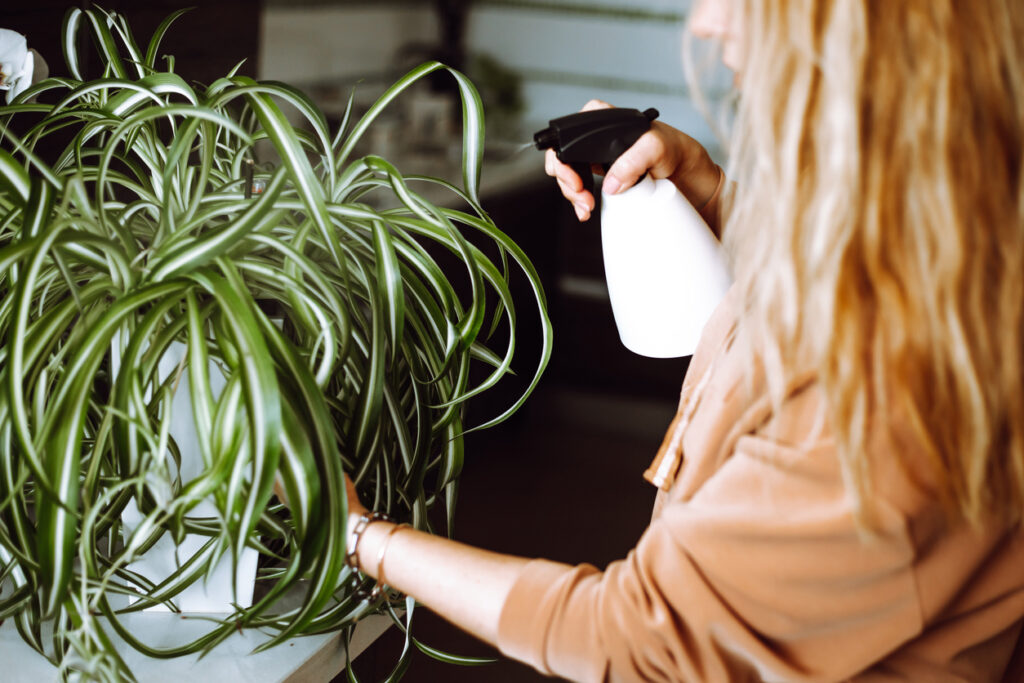
Spider plants aren’t fussy, but if the air is too dry, especially in winter with the heating on, they can start to brown at the tips. That makes the plant look tired, even if it’s technically still growing. Group it with other plants or give it a quick mist now and then. A shallow tray of water nearby can also help. You don’t need a rainforest vibe, just enough moisture to keep the leaves looking clean and fresh.
11. Remove spent flowers and baby shoots you don’t need.
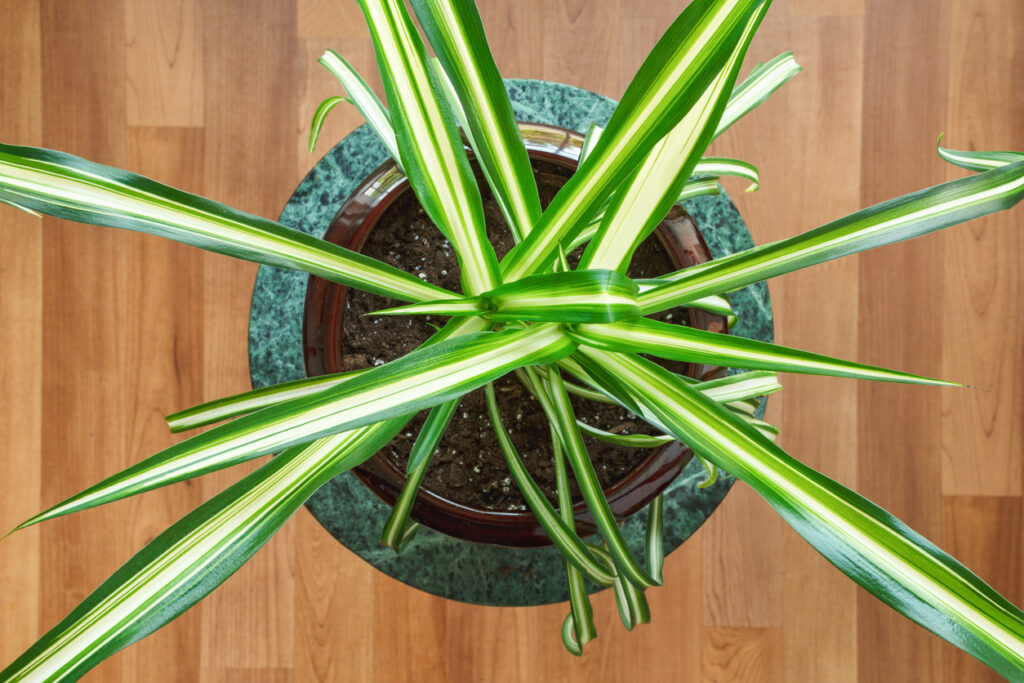
If your plant’s throwing out a ton of long stalks with flowers or spiderettes and starting to look scraggly, it might be time to prune back. These take up energy the plant could be using for new leaf growth. You don’t need to remove them all, but trimming a few off can help redirect growth to the main body of the plant. It also stops the pot from looking like it’s covered in leggy strings instead of actual foliage.
12. Start with a healthy plant.
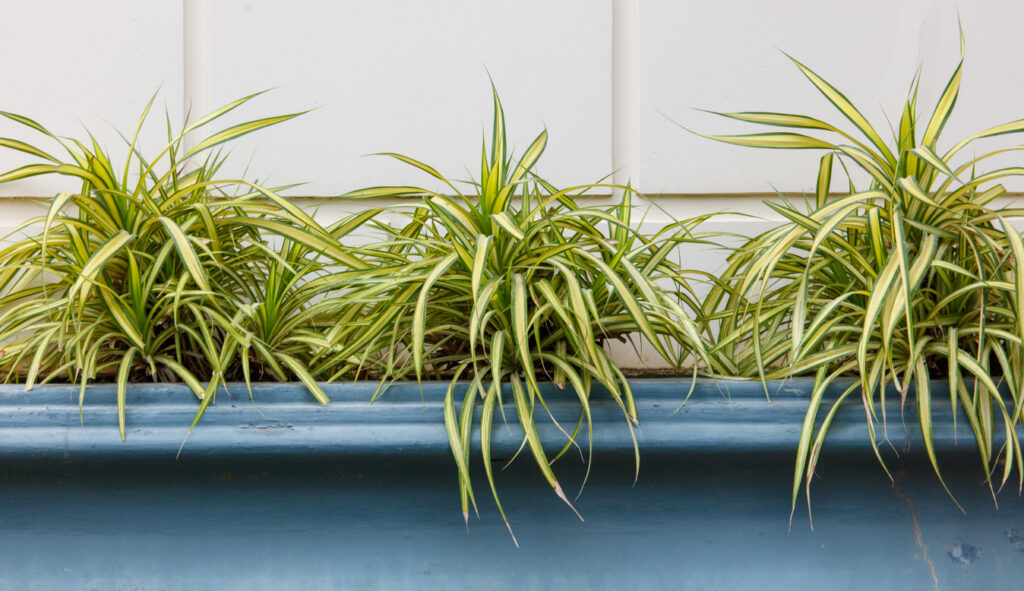
If you’re still in the buying phase, look for a spider plant with lots of leaves coming from the centre, not just long trailing babies. A solid, well-established base makes it way easier to grow a full plant over time. If you’re nursing a sad rescue plant back to life, be patient. With the right care and a bit of trimming, even a stringy spider plant can become a full, lively centrepiece again. It just takes a few tweaks and a little time.