Lighting a bonfire in your back garden might feel like one of those simple pleasures: something instinctive, especially after tidying up branches or dry leaves.
However, in the UK, even something as seemingly harmless as burning a pile of garden waste comes with rules, risks, and responsibilities (which is probably for the best). There’s no outright ban, but that doesn’t mean you can light up whenever and wherever you please. From environmental laws to neighbour complaints, here are some things to keep in mind before you strike a match.
1. Garden bonfires aren’t illegal, but smoke can be.
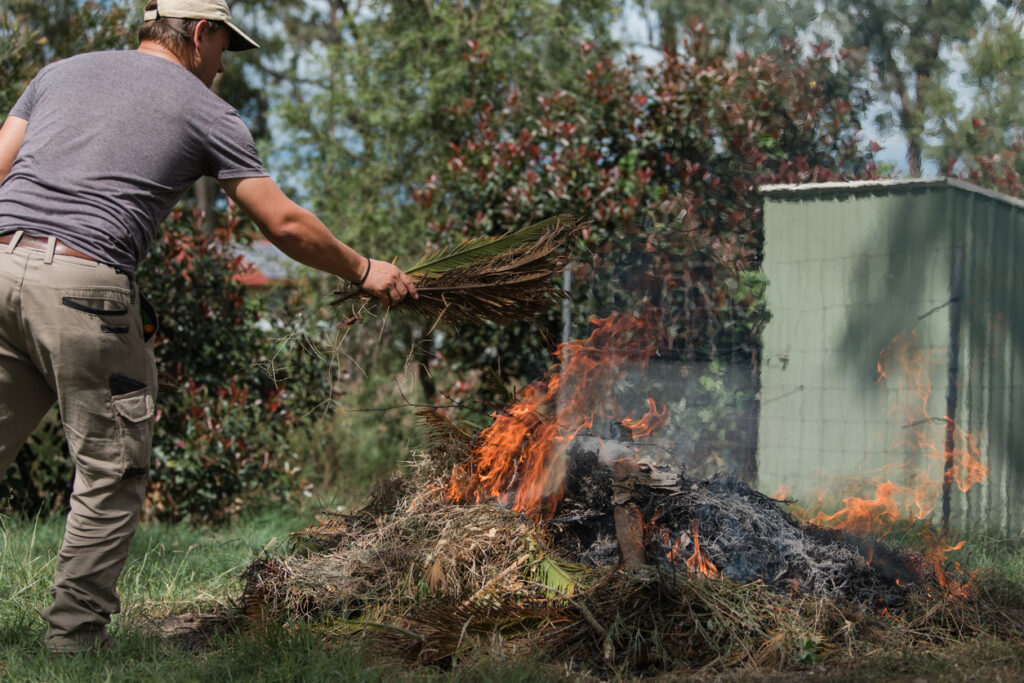
You’re technically allowed to have a bonfire in your garden, but the moment it starts affecting other people, especially through smoke, it becomes a problem. The issue isn’t the fire itself; it’s what it does to the surrounding environment. Smoke drifting into homes, across roads, or into public spaces can quickly turn a legal activity into something that breaks local environmental rules.
If the fire causes a nuisance or hazard, the council can step in. Whether it’s making neighbours cough or blocking drivers’ visibility, what seems like a simple garden clear-out can lead to a formal complaint or a fine if it’s handled carelessly.
2. Only burn dry, untreated materials.
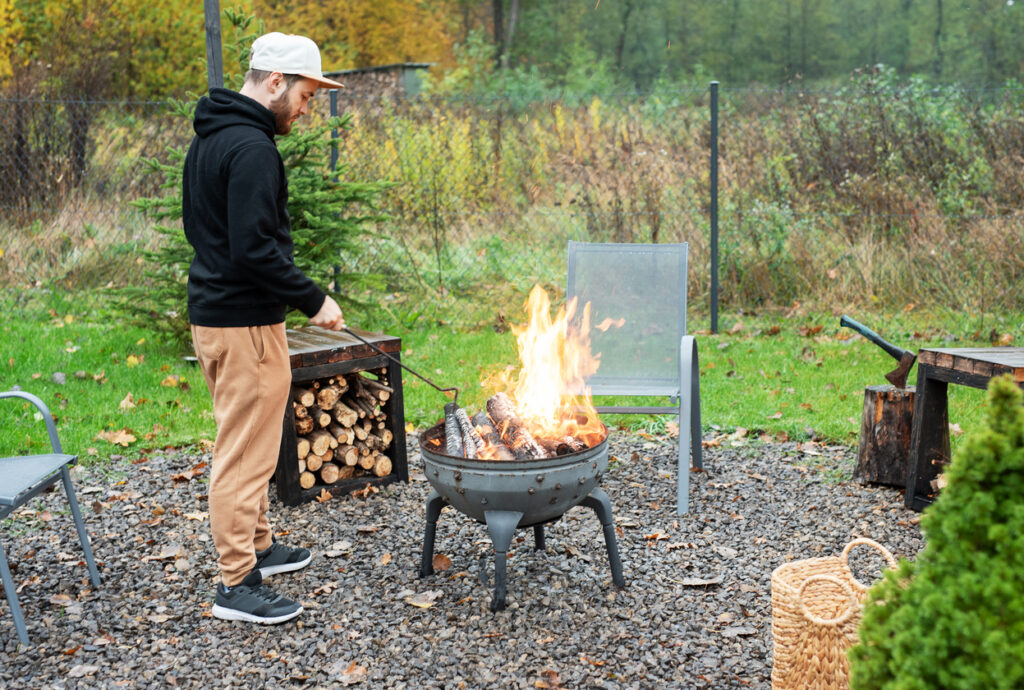
It might be tempting to toss in anything that’ll burn, but that’s a shortcut to trouble. You’re only allowed to burn dry garden waste like branches, twigs, leaves, untreated wood, and paper or cardboard. Anything painted, varnished, plastic-based, or synthetic is a big no, as it creates toxic fumes and breaches environmental regulations.
Not only does burning wet or treated material lead to thicker, nastier smoke, but it also raises the risk of causing irritation, health issues, or pollution complaints. The golden rule: if it smells like chemicals when it burns, it shouldn’t be going on the fire in the first place.
3. There are no official time limits, but be sensible.
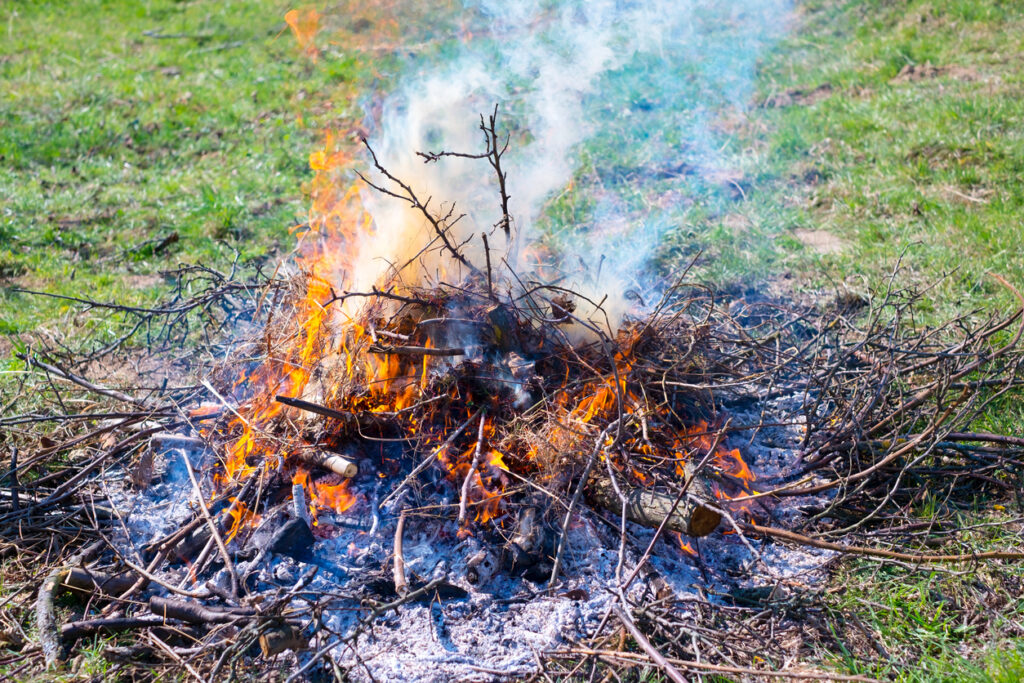
There’s no set national law telling you when you can or can’t have a bonfire, but that doesn’t mean any time goes. Burning at night, on windy afternoons, or during hot weather when neighbours have windows open is a recipe for complaints.
The most neighbour-friendly time tends to be mid-morning to early afternoon on a mild, dry day with little wind. It’s not just about reducing smoke. People are less likely to be sunbathing, sleeping, or hanging up laundry at those times, which helps avoid unnecessary tension on the street.
4. Let your neighbours know ahead of time.
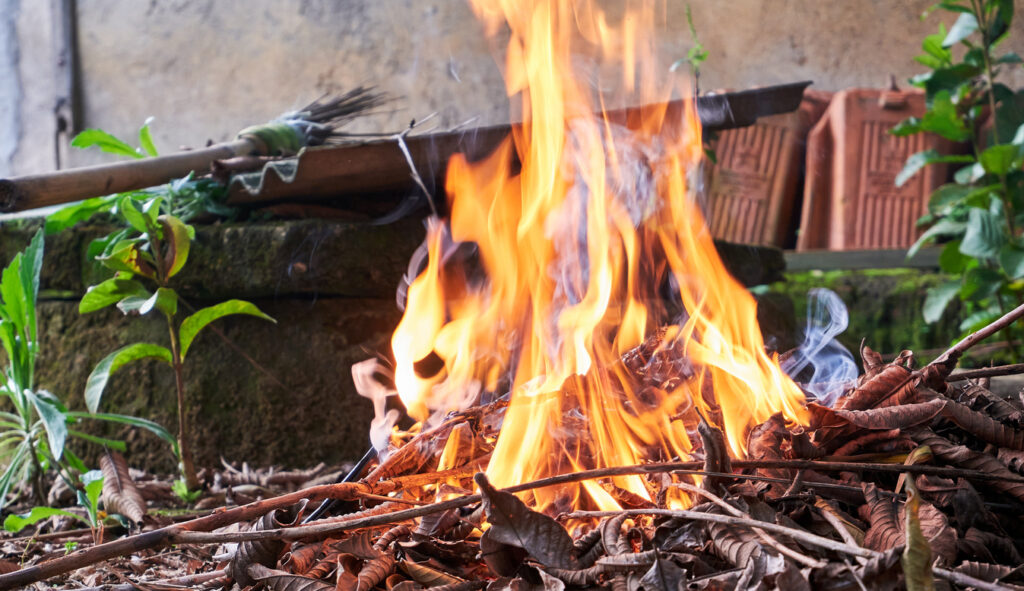
Even if it’s not a legal requirement, giving neighbours a heads-up is always a good move. Letting them know when you’re planning your bonfire gives them a chance to shut windows, bring in the washing, or make sure pets aren’t out in the garden. A little courtesy goes a long way. It also makes them far less likely to complain to the council if smoke does become a bit of a problem. Keeping the peace with those who live nearby is often as simple as a quick chat or note through the door.
5. Never leave a bonfire unattended.
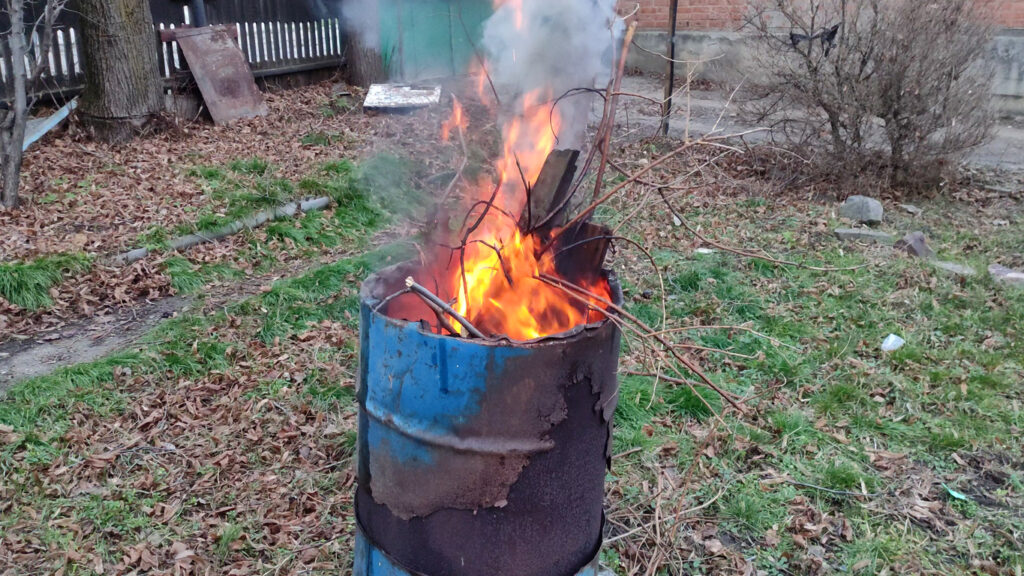
This one might sound obvious, but it’s where a lot of problems start. A garden fire should never be left alone, not even for a few minutes. Weather can change fast, and so can the direction of the smoke or flames, especially in dry conditions.
If something goes wrong while you’re not there, it could spread quickly or lead to enforcement action. Always keep a hosepipe, bucket of water, or sand nearby in case things take a turn. Even when the fire seems to be dying down, it needs watching until it’s properly out.
6. Choose your spot carefully.
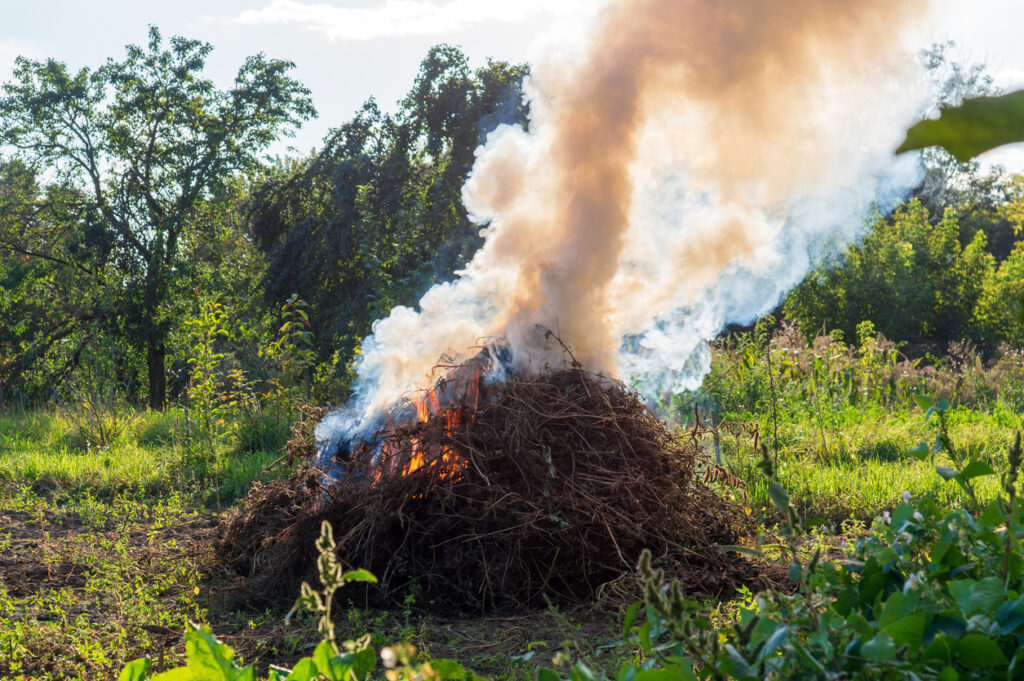
Location really matters. Never start a bonfire right next to fences, garden sheds, trees, or property boundaries. Heat can cause damage before flames even reach, and sparks or smoke can travel further than you think. Pick an open, clear area where smoke won’t blow directly into neighbours’ gardens or onto public roads. And if you live in a terrace or built-up estate, it might be better to skip the bonfire altogether and explore safer alternatives.
7. Avoid burning wet or green waste.
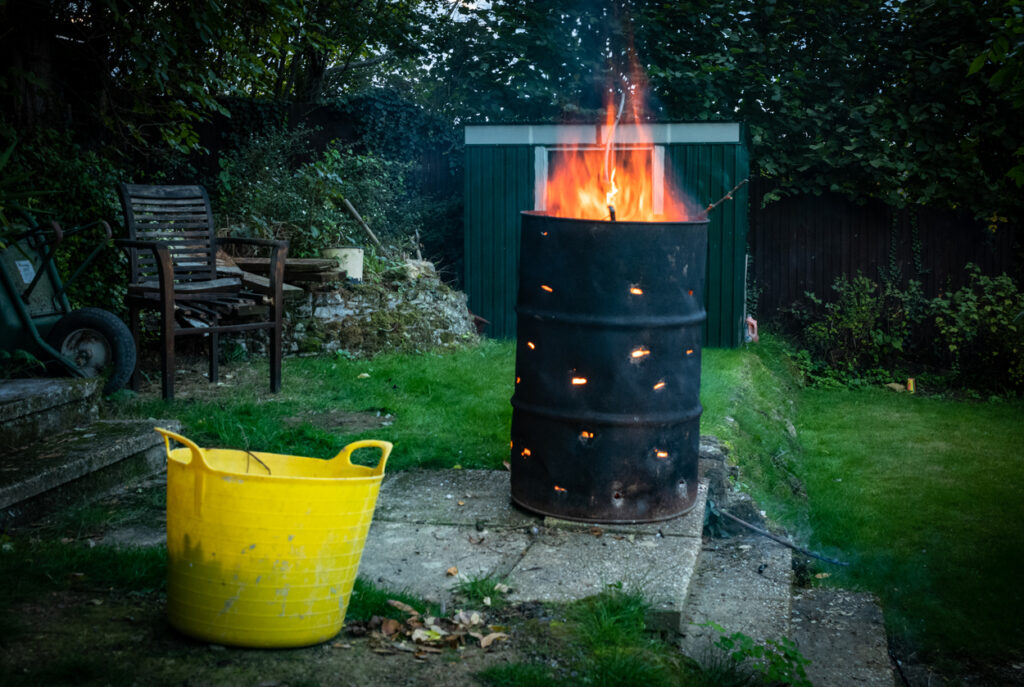
Freshly cut grass, green leaves, or damp branches make for terrible bonfires. They tend to smoulder more than burn, creating thick, acrid smoke that lingers and irritates lungs and eyes. Even if your intention is good, this kind of fire almost always becomes a nuisance. If you do want to burn garden waste, give it time to dry out fully, ideally a few sunny days. Alternatively, consider composting or using your local green waste collection service if you’ve got a big batch to get rid of.
8. Frequent bonfires can get you in trouble.
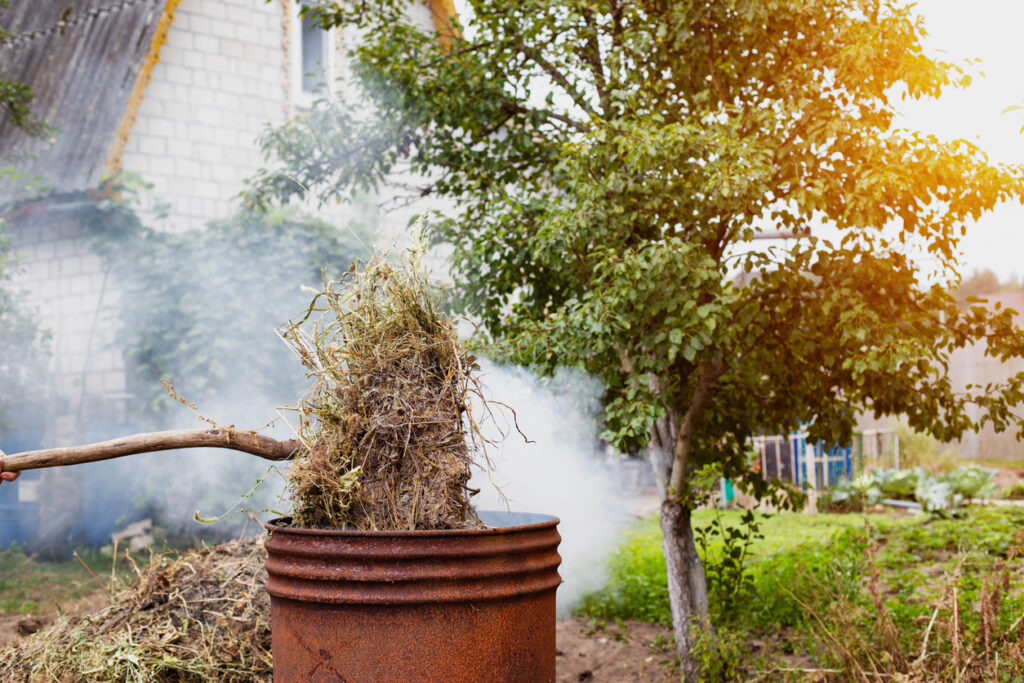
While the occasional small bonfire might be tolerated, regular burning, especially if it causes repeat complaints, can lead to action from your local council. You might be issued with a formal notice, and ignoring it can result in hefty fines. If you’re burning something more than once a week or creating consistent smoke, you’re moving into nuisance territory. Councils don’t need dozens of complaints to act; just one or two consistent ones can lead to a knock at the door.
9. Burning household waste is banned.
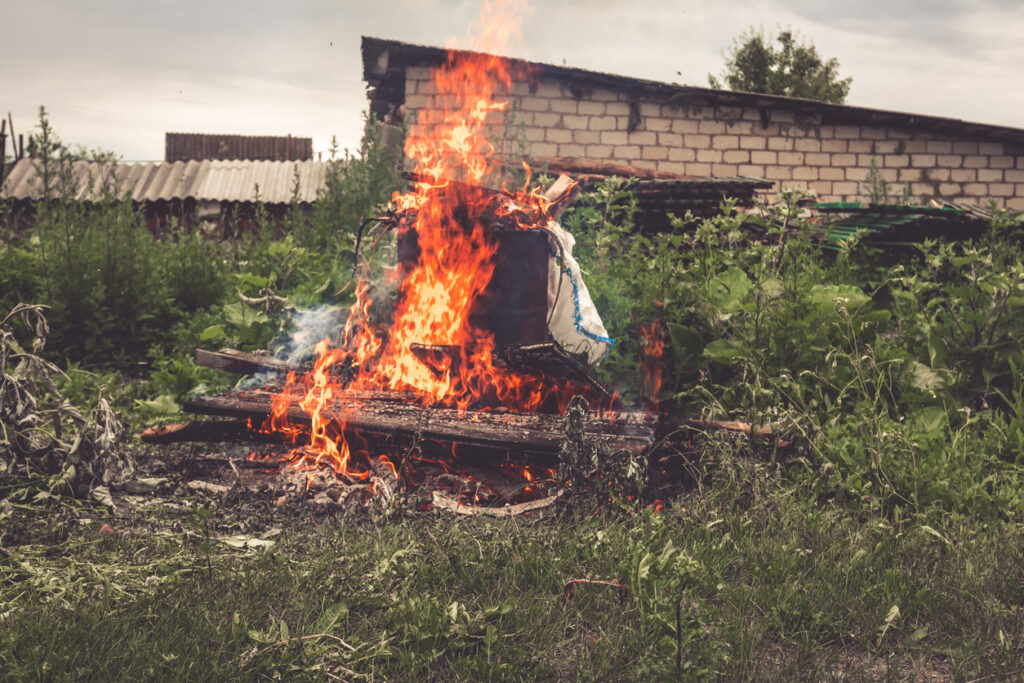
Anything from inside the house—plastics, furniture, insulation, MDF, old clothes, food packaging—is completely off-limits. Burning household rubbish is not just frowned upon; it’s a breach of environmental laws and potentially a criminal offence. These items release toxic chemicals when burned and should always go through proper disposal routes like recycling or landfill. If in doubt, don’t burn it. It’s not worth risking a fine or health hazard.
10. Smoke drifting onto roads can lead to prosecution.
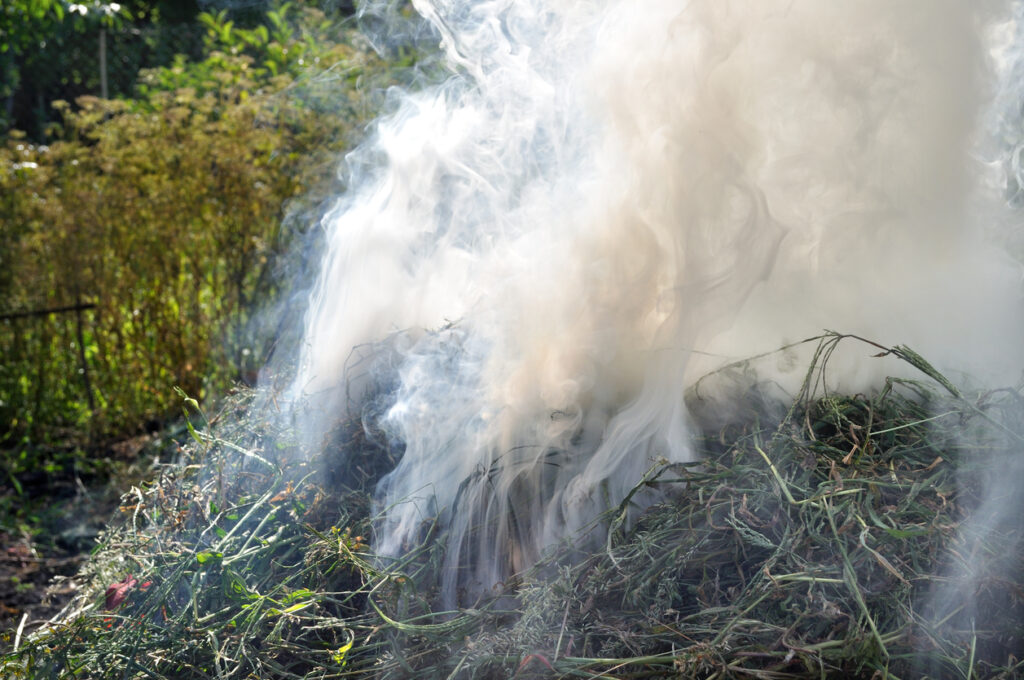
If your bonfire causes smoke to blow across a public road and creates visibility issues for drivers, you could be prosecuted for causing a hazard. That applies even if the road’s not directly outside your home. Wind can carry smoke further than you expect, and it only takes a few seconds of obscured vision for an accident to happen. Always consider where smoke is likely to travel before lighting anything, and avoid burning entirely on breezy days.
11. Check the pile for wildlife before you light up.
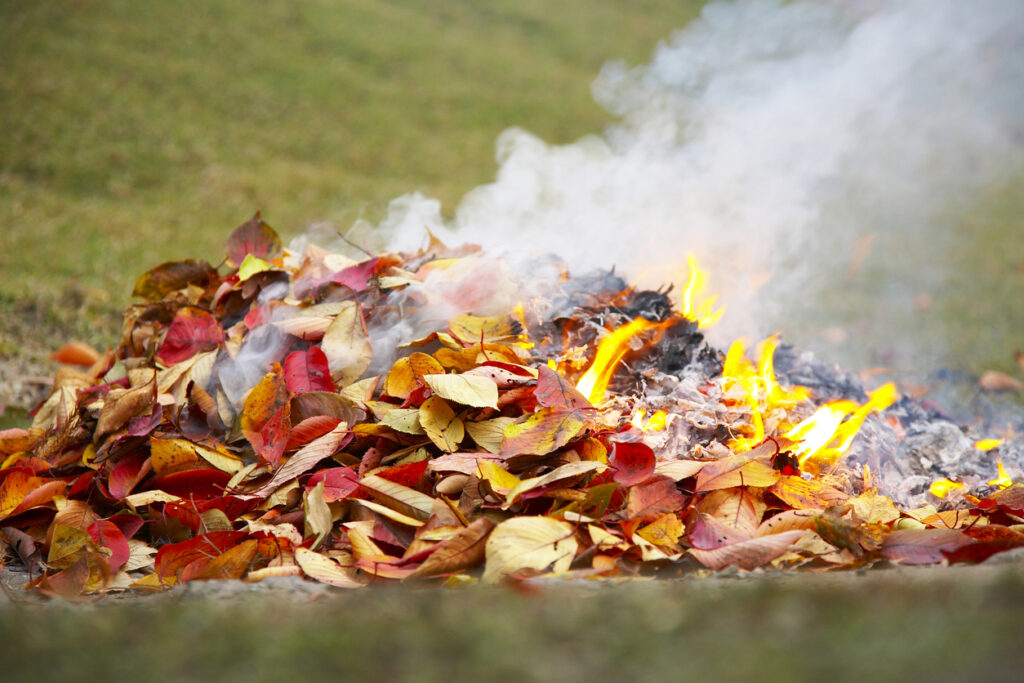
Piles of garden waste are perfect hiding spots for hedgehogs, frogs, toads, and even nesting birds. What looks like a neat burn pile to you might be someone else’s shelter or nest. Before lighting your bonfire, lift and move the pile gently to another spot. This gives any hidden wildlife a chance to escape. It’s a small effort that could save lives, especially during colder months or after rain.
12. Consider using a fire bin or incinerator.
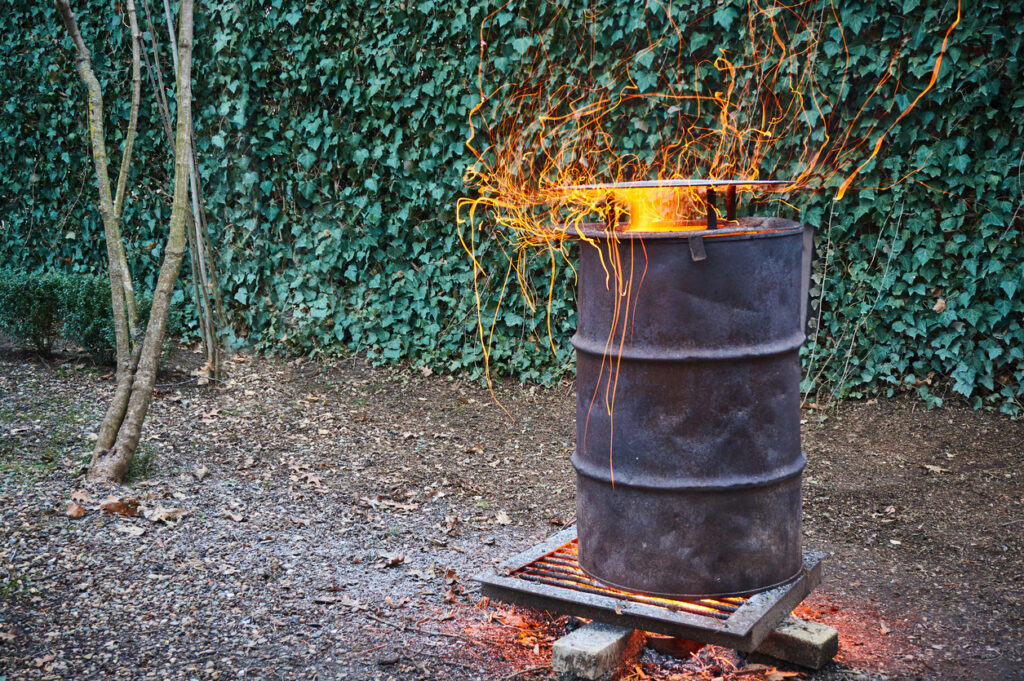
Using a metal incinerator or fire drum is safer, more contained, and produces far less smoke than an open bonfire. It helps limit the size of the fire and keeps burning concentrated in one space. It’s also easier to extinguish and doesn’t scatter ash around the garden, or into your neighbour’s washing. If you burn garden waste more than occasionally, it’s a worthwhile investment.
13. Council enforcement can escalate quickly.
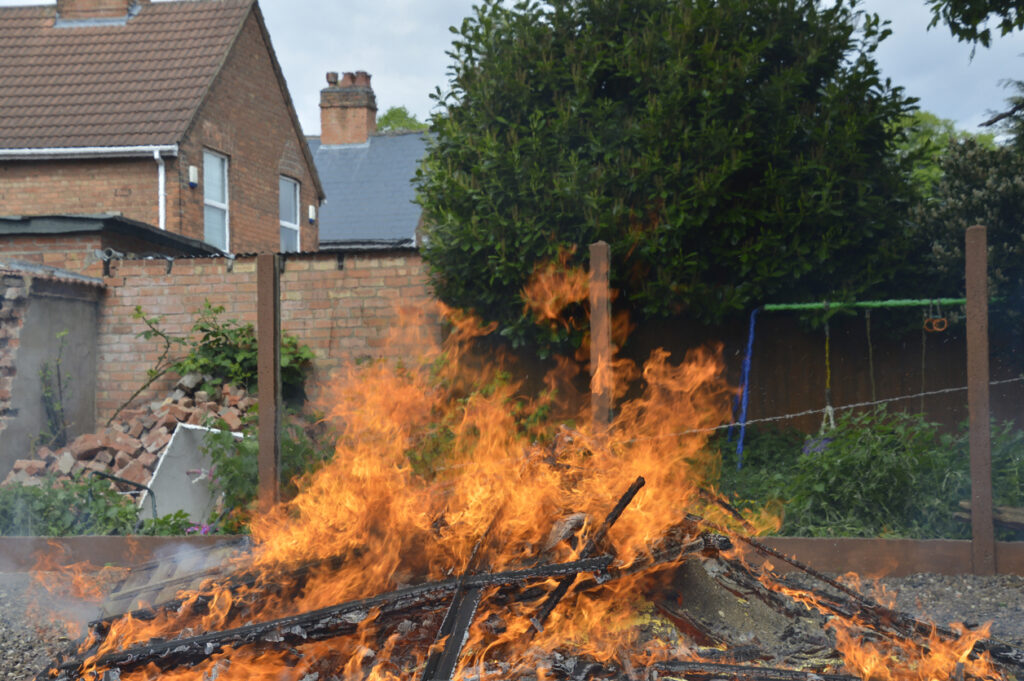
If someone reports your bonfire and a council officer visits, they’ll decide whether it’s a nuisance based on things like frequency, smoke, smell, and overall disruption. If it’s judged to be unreasonable, you could receive a legal notice to stop. Failing to comply with that notice could lead to a fine of up to £5,000. You could also be ordered to pay for any investigation or clean-up. It’s not worth the risk, especially when other disposal options exist.
14. There are easier, cleaner alternatives.
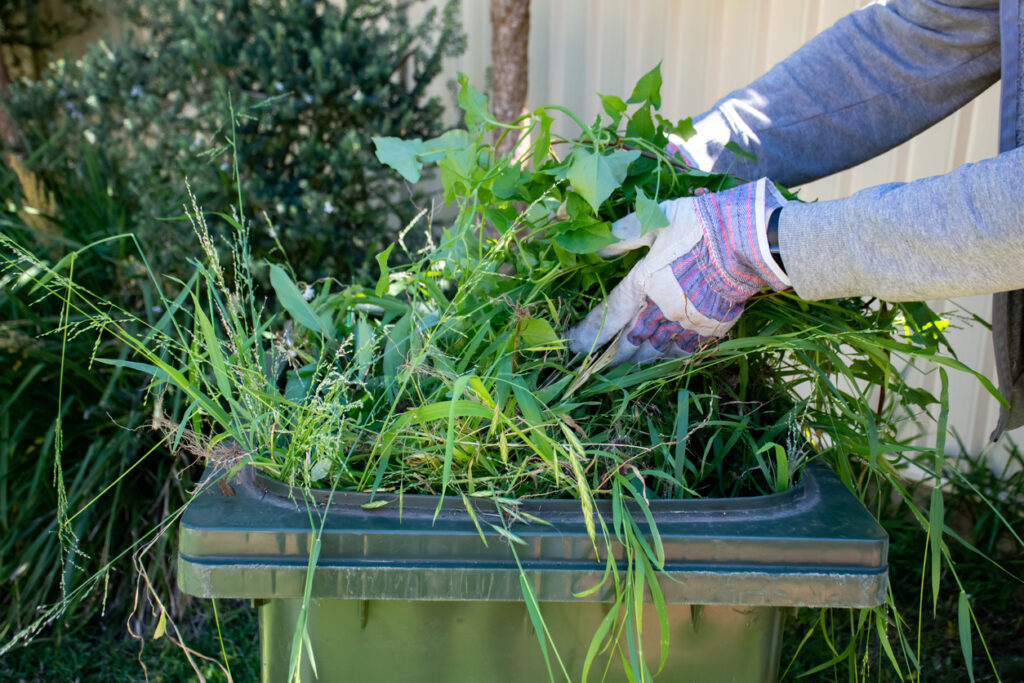
Rather than burning garden waste, most councils offer green bin collections, composting schemes, or recycling centres where you can dispose of branches, leaves, and grass safely. These options are better for the environment and much less likely to cause problems with neighbours.
If you’re not set up for green bin collection, you can still start a compost heap at home or borrow a shredder for larger jobs. Bonfires might feel quicker, but in the long run, a smokeless alternative saves you hassle and keeps everyone around you a little happier.