Wildlife smuggling doesn’t always sound like a major crime, but in the UK it’s taken more seriously than many realise.
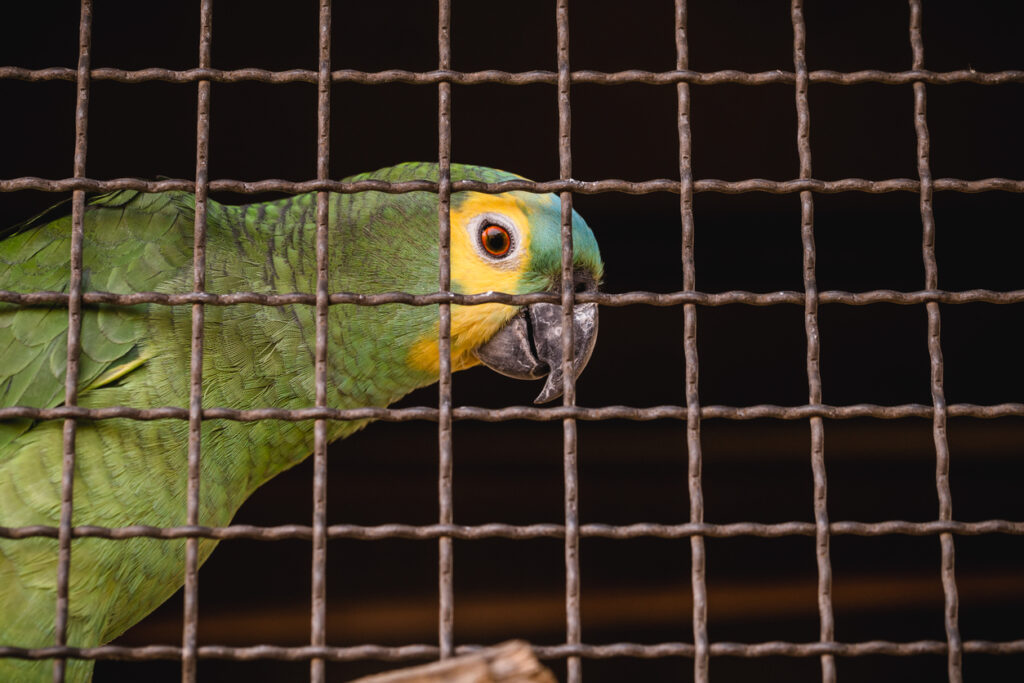
From snakes in suitcases to carved ivory trinkets, it’s a hidden trade that costs lives and threatens global biodiversity. Behind every seized shipment are strict laws, lengthy investigations, and some very real consequences for those involved. These are just some of the things guaranteed to happen to wildlife smugglers once they’re caught in Britain, and rightfully so.
Border Force officers intercept the goods.
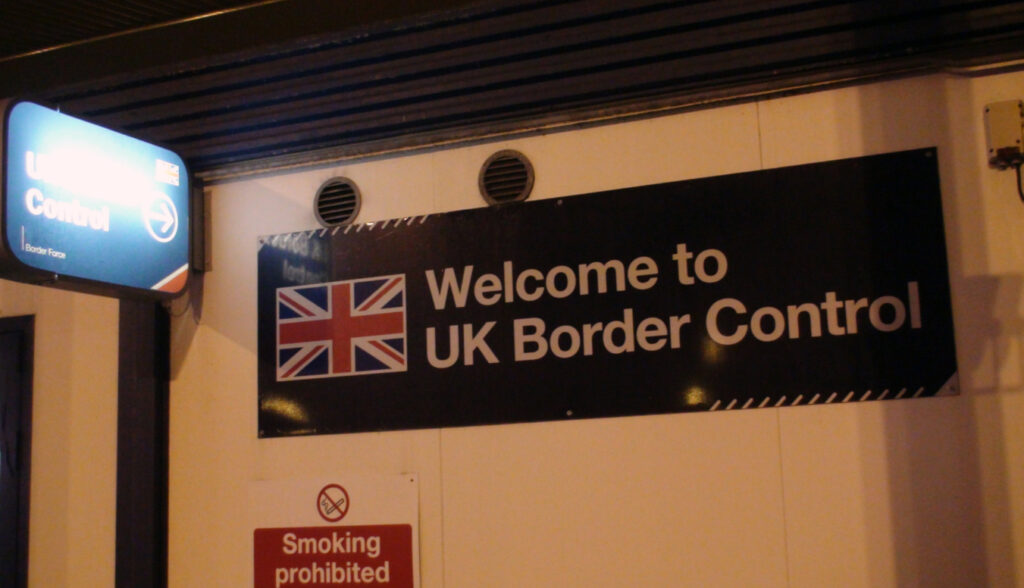
The UK’s Border Force plays a frontline role in spotting illegal wildlife imports. Officers monitor airports, ferry ports, and postal hubs for signs of smuggling, often using scanners and sniffer dogs trained to detect animal products. Items range from ivory and tortoise shells to exotic pets hidden in boxes or bags.
When they find something suspicious, it’s immediately seized and logged. Every discovery becomes part of a potential criminal investigation, whether it’s a single lizard or a container full of animal skins.
Live animals are taken into care.
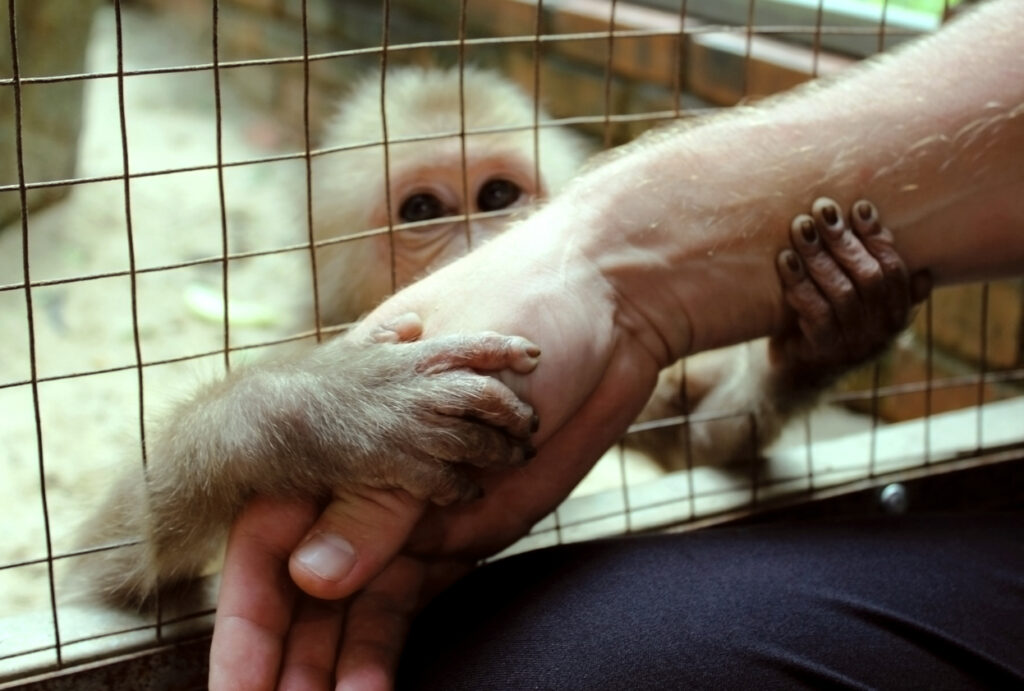
When smugglers bring in live animals, the priority switches from prosecution to welfare. Many creatures arrive dehydrated or injured after long, stressful journeys. They’re handed over to wildlife centres or charities that specialise in exotic species for treatment and temporary housing.
Sadly, many don’t survive. The animals that do are often rehomed with zoos or sanctuaries, but they can never be returned to the wild, which means the damage of trafficking is permanent even after rescue.
The National Wildlife Crime Unit gets involved.
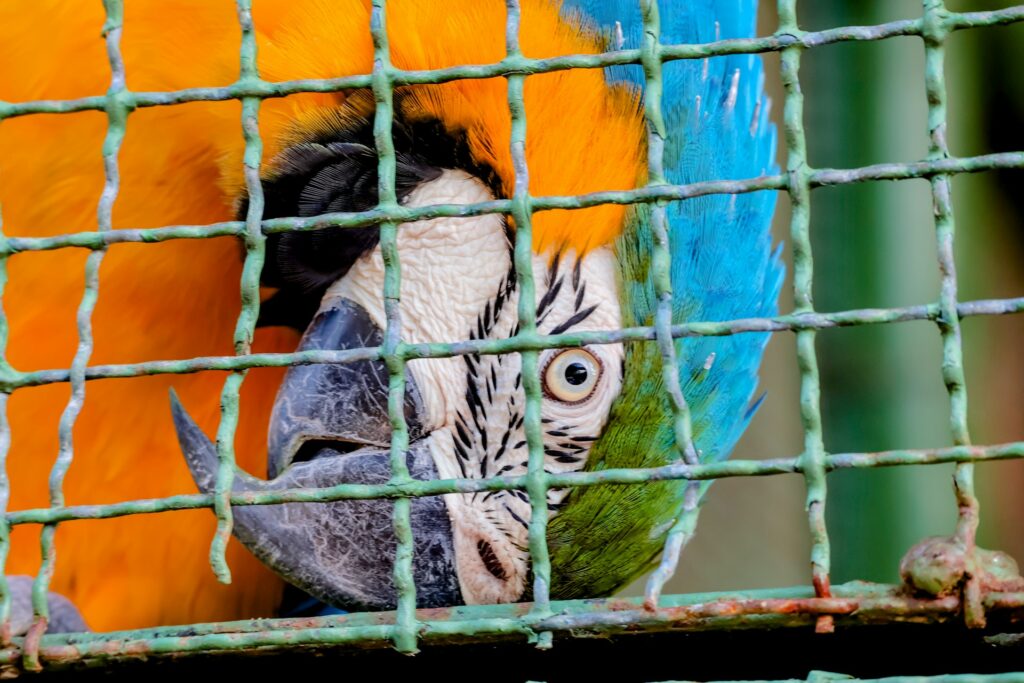
After a seizure, cases are handed to the National Wildlife Crime Unit (NWCU) or local police wildlife officers. Their job is to trace where the animals came from and who arranged the import. This can include checking phone records, payment trails, or online listings that point to organised networks. It’s a slow, detailed process that often links to wider international investigations. Many cases start small but reveal large-scale operations spanning several countries.
Prosecutors use a range of wildlife laws.

Offenders are charged under laws such as the Control of Trade in Endangered Species Regulations, the Wildlife and Countryside Act, or the Animal Welfare Act. The exact charges depend on what species were involved and whether the smuggler was part of a commercial network.
The Crown Prosecution Service decides whether there’s enough evidence to take a case to court. They also consider public interest, meaning even smaller cases can lead to prosecution if they help protect endangered species.
Convictions can lead to serious penalties.

In the UK, trafficking endangered species can lead to unlimited fines and up to seven years in prison for the most serious offences. Courts consider not only the crime itself but also the level of cruelty and the scale of profit involved. Even when sentences are shorter, they still leave a permanent criminal record, and offenders may lose import licences or business registrations linked to their trade.
Profits can be seized under asset recovery laws.
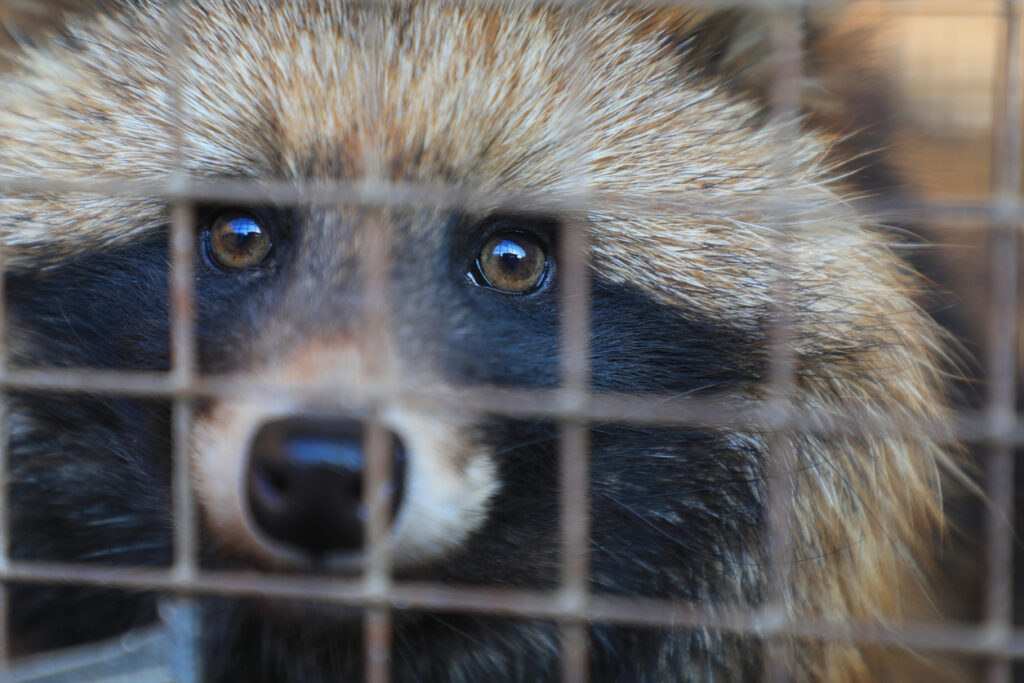
If someone’s been making money through wildlife smuggling, investigators can use financial crime laws to recover those profits. This means cars, houses, or cash gained from illegal trade can be taken by the state, even after a conviction. It’s a way of cutting into the money that keeps trafficking networks alive. Losing assets often hits harder than the sentence itself and discourages others from trying the same route.
Repeat offenders face tougher treatment.

People caught more than once are treated as serious criminals rather than small-time traders. Judges tend to issue harsher sentences, especially if the smuggler ignored previous warnings or bail conditions. International cases often attract media coverage, which puts extra pressure on authorities to make examples of offenders. Some repeat offenders are also banned from keeping or trading animals for life, effectively ending their business in the exotic pet or souvenir market.
International cooperation helps track larger networks.
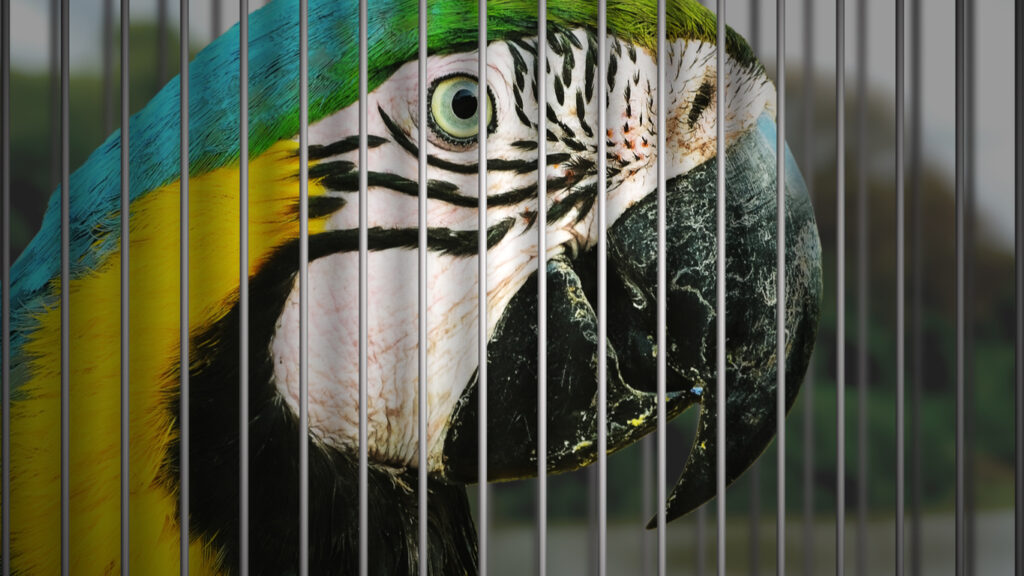
The UK doesn’t work in isolation. Enforcement teams share intelligence with organisations like Interpol and Europol to track smuggling routes and online sales. Joint operations, such as Operation Thunder, bring together dozens of countries to tackle wildlife trafficking on a global scale.
Those international efforts mean that even if smugglers escape charges in one country, they may face arrest when travelling elsewhere. It’s a growing web of accountability that’s getting harder to outrun.
Calls for stronger sentencing are growing.

While penalties exist, many campaigners and conservationists argue that sentencing still isn’t tough enough. They want longer jail terms, better funding for enforcement, and more consistent prosecutions to match the damage caused by trafficking.
As public awareness grows, pressure is building for courts to treat wildlife smuggling as organised crime rather than a niche offence. The message is clear: in the UK, bringing in endangered animals or their parts isn’t just unethical, it’s a serious crime with lasting consequences.