When you walk around a garden centre in the UK, it’s easy to assume every plant on display is safe and perfectly legal to grow.
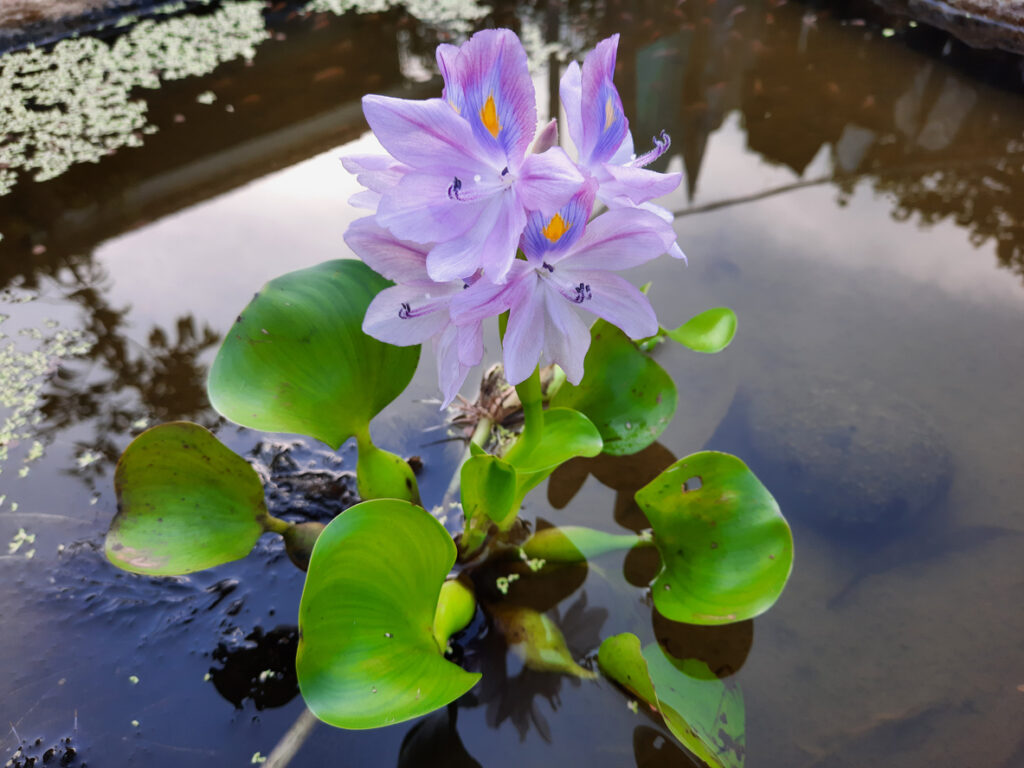
Most people don’t realise that the government actually bans certain species because they spread aggressively, damage local ecosystems, or even threaten wildlife and property. Some of them look innocent, even beautiful, which makes it surprising to learn they’re on a prohibited list.
These banned plants aren’t rare tropical species you’d only find in specialist collections. A few were once sold openly and planted in British gardens before their true impact was understood. If you accidentally grow one, you could face fines or be forced to remove it. Knowing which plants are banned saves you stress and stops you from unintentionally harming nature. Ready to meet the troublemakers?
1. Water hyacinth
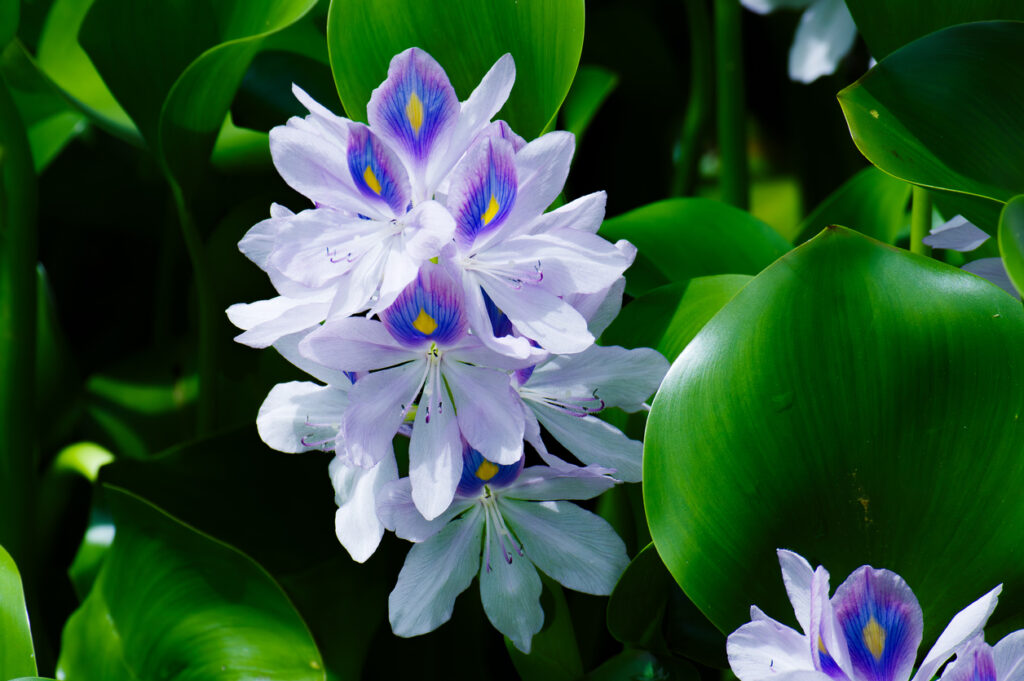
This pretty floating plant with purple flowers was a popular pond addition until it was banned in 2016. Originally from South America, it forms dense mats on water surfaces that block out light and oxygen, essentially suffocating everything beneath.
A single plant can produce 3,000 offspring in just 50 days, creating exponential growth that’s almost impossible to control once established. Those mats can become so thick they look like solid ground, making them genuinely dangerous to children and pets who might step onto what appears to be land. The plant also costs millions to remove from waterways where it’s escaped from garden ponds into rivers and canals.
2. Japanese knotweed
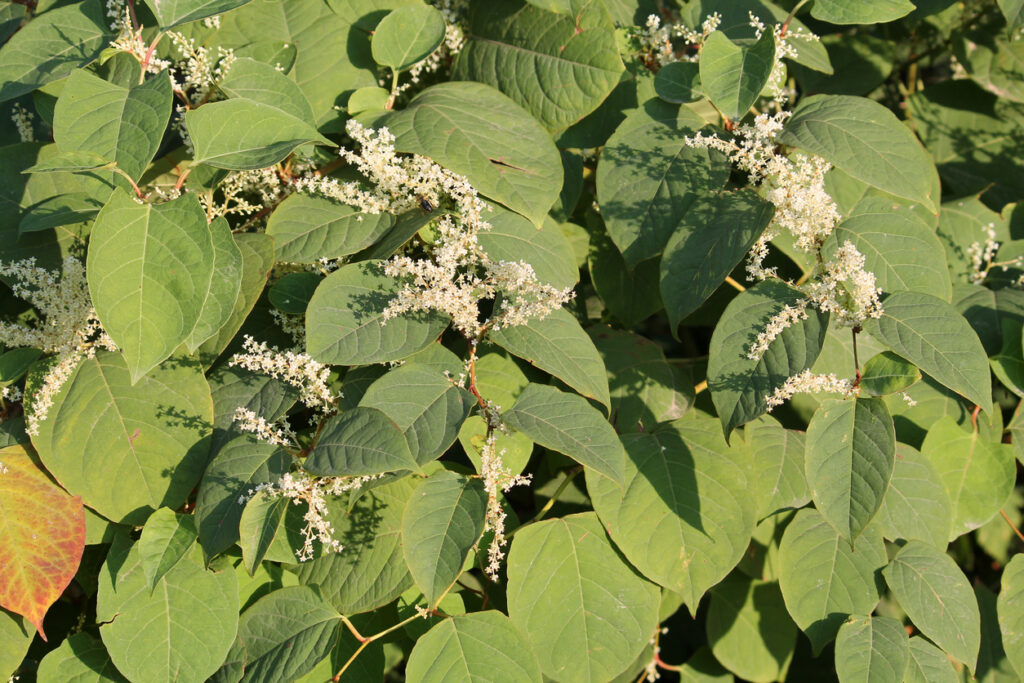
Originally brought to Britain in the 19th century as an ornamental plant with attractive white flowers, Japanese knotweed is now one of the most destructive invasive species in the UK. It grows from tiny fragments of root measuring just a few centimetres and can push through concrete, tarmac and even building foundations.
It’s not illegal to have it in your garden, but you’re legally required to prevent it from spreading to neighbouring land and dispose of it properly at licensed sites. If you’re selling property, you must declare its presence on the TA6 form, and mortgage lenders often refuse loans on affected properties without expensive professional treatment plans that can cost thousands. The plant spreads so aggressively that it can devalue properties by tens of thousands of pounds.
3. Floating pennywort
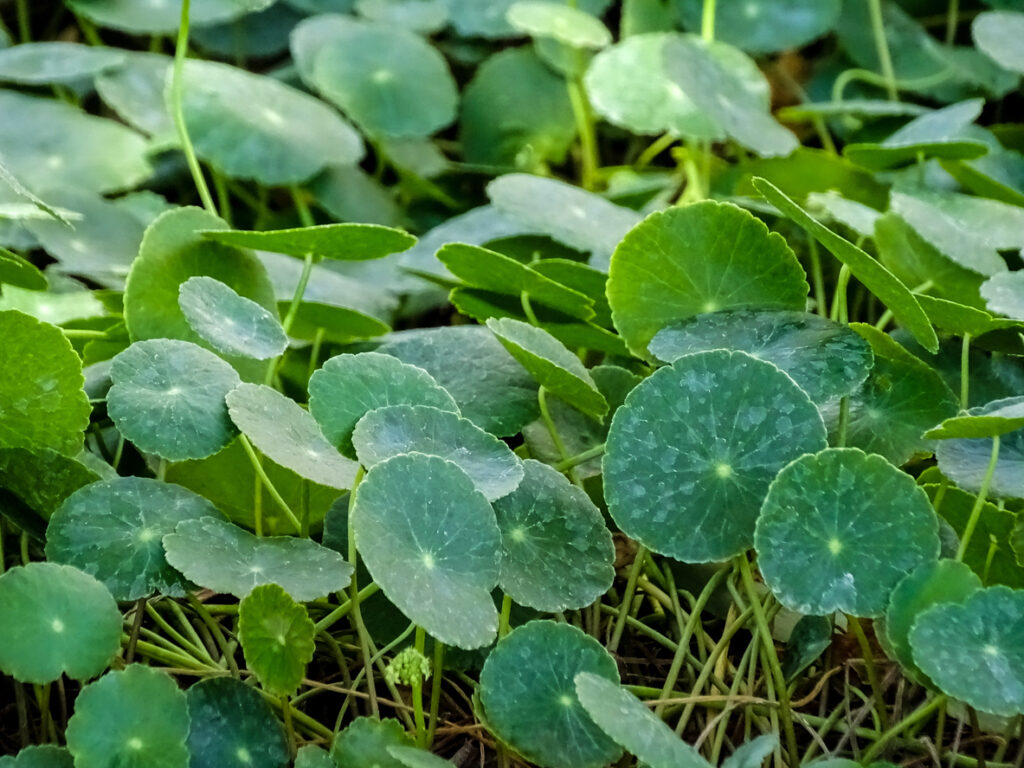
This innocent-looking pond plant with small round leaves can grow up to 20 centimetres per day during peak growing season and costs the British economy around £23.5 million annually to control. It was banned from sale in 2014 after escaping from garden ponds into wild waterways.
The plant forms thick floating carpets that strangle waterways, block navigation routes, increase flood risk by impeding water flow, and kill fish by depleting oxygen levels. Even tiny fragments measuring just a few centimetres can break off, float downstream, and regrow into entirely new plants, making it nearly impossible to eliminate once it’s established in a river or canal system.
4. Giant hogweed

Standing up to five metres tall with white umbrella-shaped flowers, giant hogweed looks impressive, but its sap contains toxic chemicals that react with sunlight. Contact causes severe blistering within 48 hours.
Research shows it takes at least ten years to eradicate this plant, and removal requires specialist protective equipment. Like Japanese knotweed, you can make legal claims if it spreads from a neighbour’s property onto yours.
5. Himalayan balsam

Related to busy Lizzie but growing well over head height to reach around two metres tall, Himalayan balsam produces pretty pink flowers that explode when touched, firing seeds up to seven metres away. People often share seeds from the attractive flowers with friends, not realising they’re spreading an invasive species.
Each plant produces over 800 seeds per year that remain viable for two years, especially in waterways where they spread downstream. It’s been spreading at a rate of 645 square kilometres per year across the UK, smothering native vegetation on riverbanks, wasteland, and even gardens. The plant grows so rapidly that it outcompetes almost everything else, leaving bare ground over winter that’s vulnerable to erosion.
6. Parrot’s feather
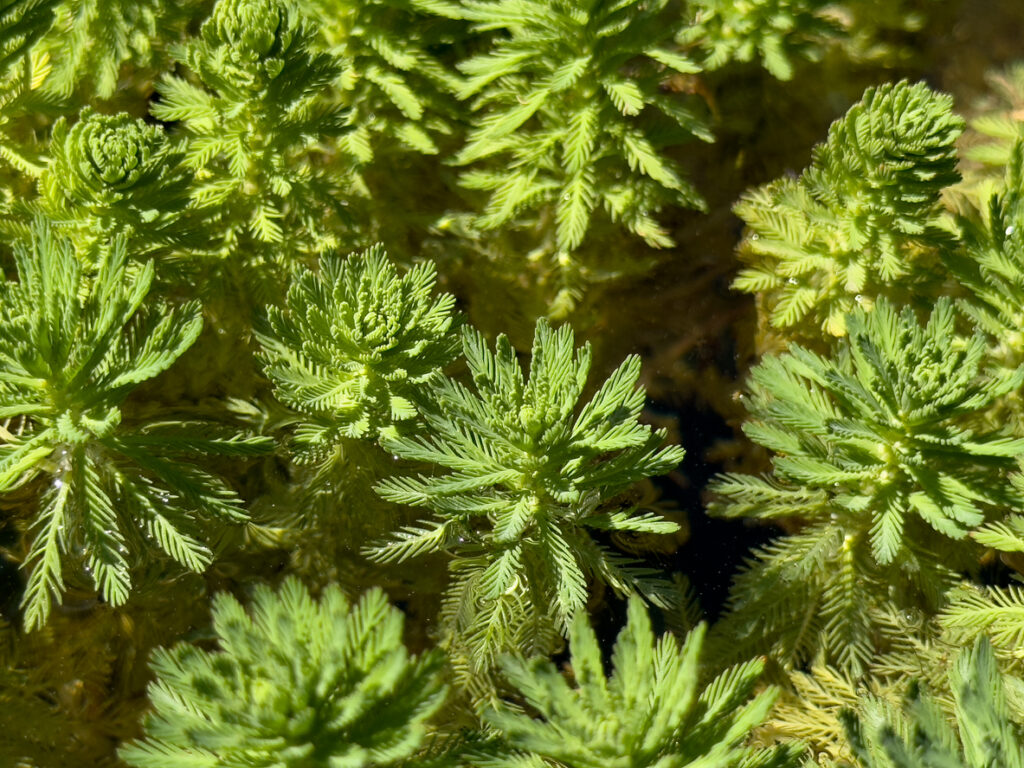
This feathery aquatic plant was popular in garden ponds until its ban in 2014. It spreads aggressively and can root from the tiniest fragments that break off and float downstream.
The plant chokes up waterways and freshwater bodies, creating navigation problems for boats and reducing access for anglers. Its dense growth also depletes oxygen levels, killing fish and other aquatic species that can’t survive in the changed conditions.
7. New Zealand pygmyweed
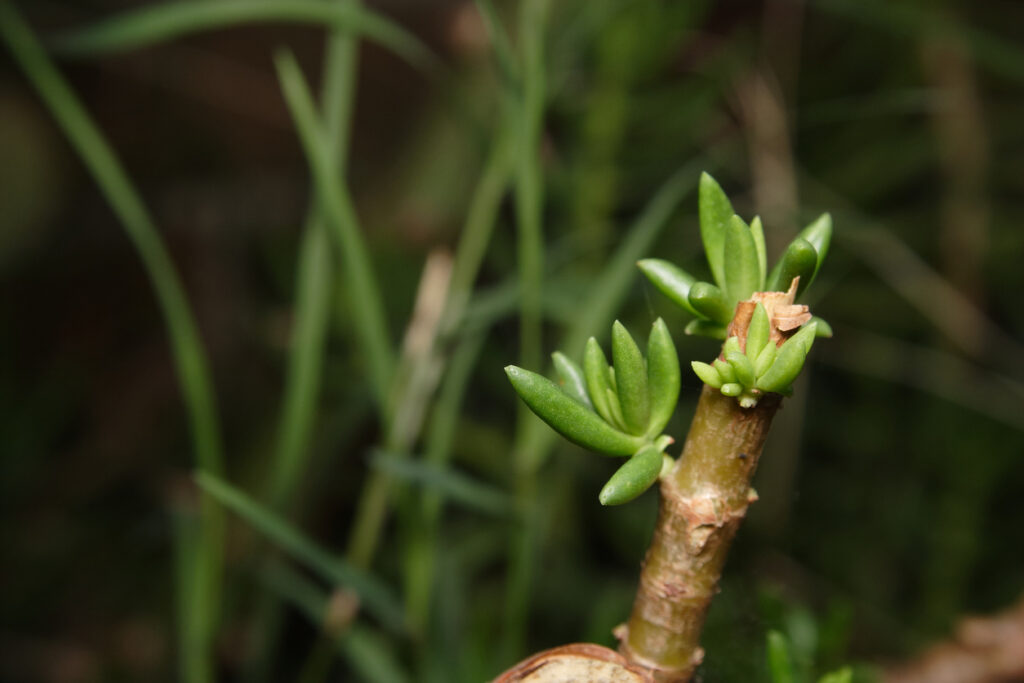
Also called Australian swamp stonecrop, this small succulent-like pond plant might look harmless, but it causes massive ecological harm in British waterways. Banned from sale in 2014, it’s unfortunately still found growing in the wild where it escaped from garden ponds years ago.
The plant grows so densely on pond surfaces that it creates impenetrable mats which drastically reduce oxygen levels for fish and frogs, essentially making garden ponds virtually uninhabitable for native wildlife. It doesn’t die back much in winter like most aquatic plants, so its mass grows exponentially year after year without any natural check on its spread.
8. Rhododendron ponticum
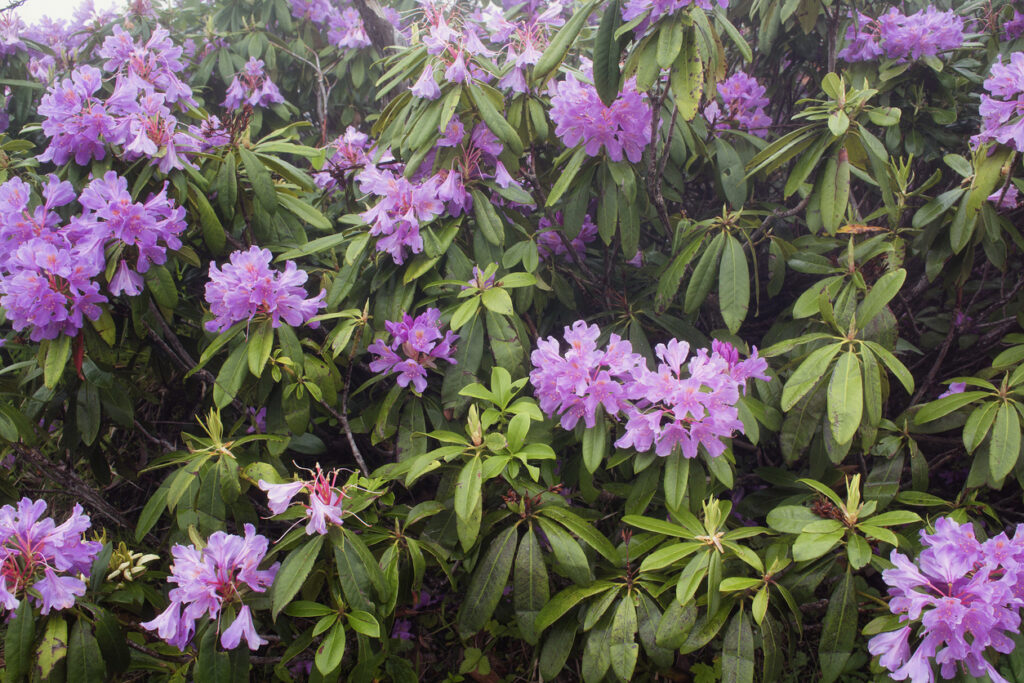
First introduced in 1763, this variety of rhododendron has escaped from gardens and now damages woodlands and meadows across Britain. The bushes exclude sunlight from ground cover plants and smother native vegetation.
They’re toxic to some animals and carry diseases that can kill native tree species. Each plant produces over a million tiny seeds annually that spread in the wind, and it’s incredibly difficult to remove by digging because it regrows from fragments.
9. Giant rhubarb
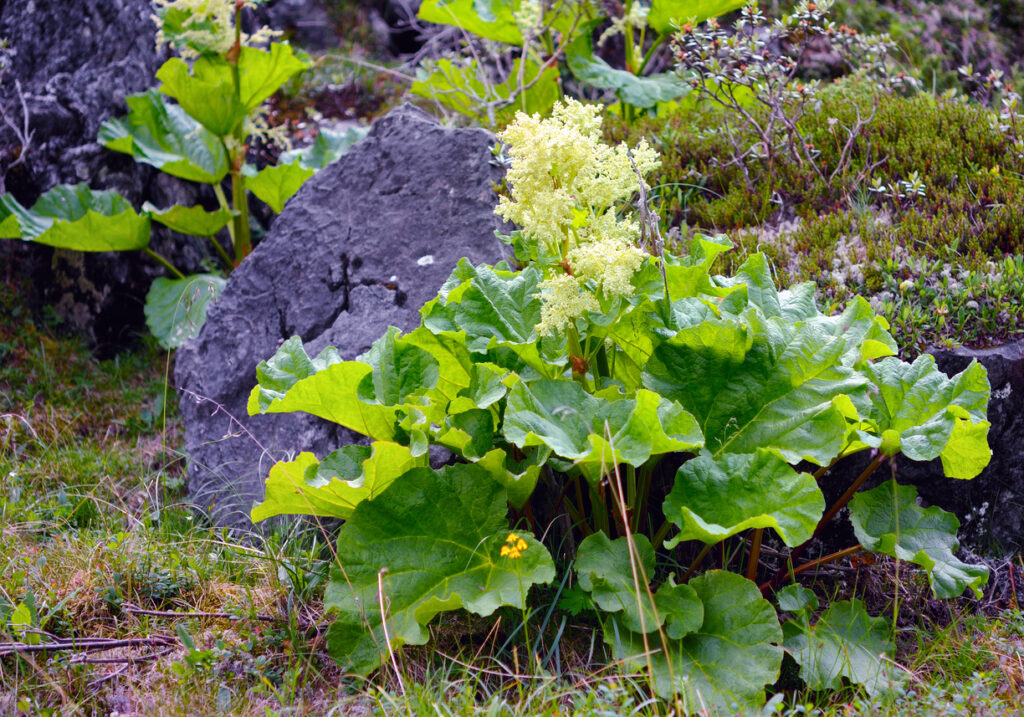
Two species of giant gunnera are banned under EU regulations that still apply in the UK post-Brexit. These massive architectural plants with leaves up to two metres across were once prized in Victorian gardens, but each plant can produce an astonishing 250,000 seeds per plant.
They spread aggressively in wetland areas, causing serious erosion and flooding issues by destabilising riverbanks and blocking drainage channels. If you already have one in your garden from before the ban, you’re legally required to prevent it from spreading by cutting off the distinctive cone-shaped flowerheads before they set seed and either burning them on site or taking them to authorised disposal sites, never composting them.
10. Water primrose
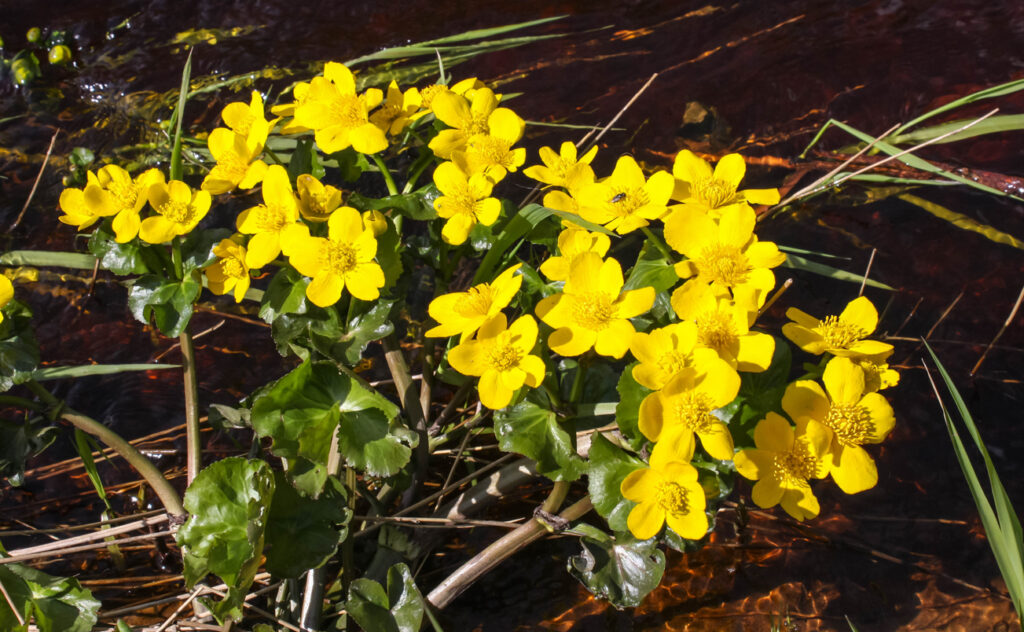
Despite its pretty yellow flowers, water primrose has been banned from sale since 2014 due to its aggressive spread in freshwater habitats. It forms dense stands that outcompete native plants.
The plant can grow both floating and rooted, making it adaptable to different water conditions. Like other invasive aquatic plants on this list, retailers face fines up to £5,000 and potentially six months in prison for selling it.