Mowing the lawn in winter seems harmless enough, especially when the grass looks untidy and the weather has been mild for a few days. In reality, winter cutting affects grass very differently to summer mowing, and the consequences often show up months later rather than straight away. Here’s what actually happens when you mow during the colder months.
You stress grass that’s already struggling to grow.
In winter, grass growth slows right down as temperatures drop and daylight hours shrink. The plant isn’t actively repairing itself in the way it does during spring and summer, so any damage takes much longer to heal. When you mow during this period, you’re effectively cutting a plant that doesn’t have the energy to bounce back. The lawn may look neat at first, but underneath, the grass is left weaker and more vulnerable going into the coldest part of the year.
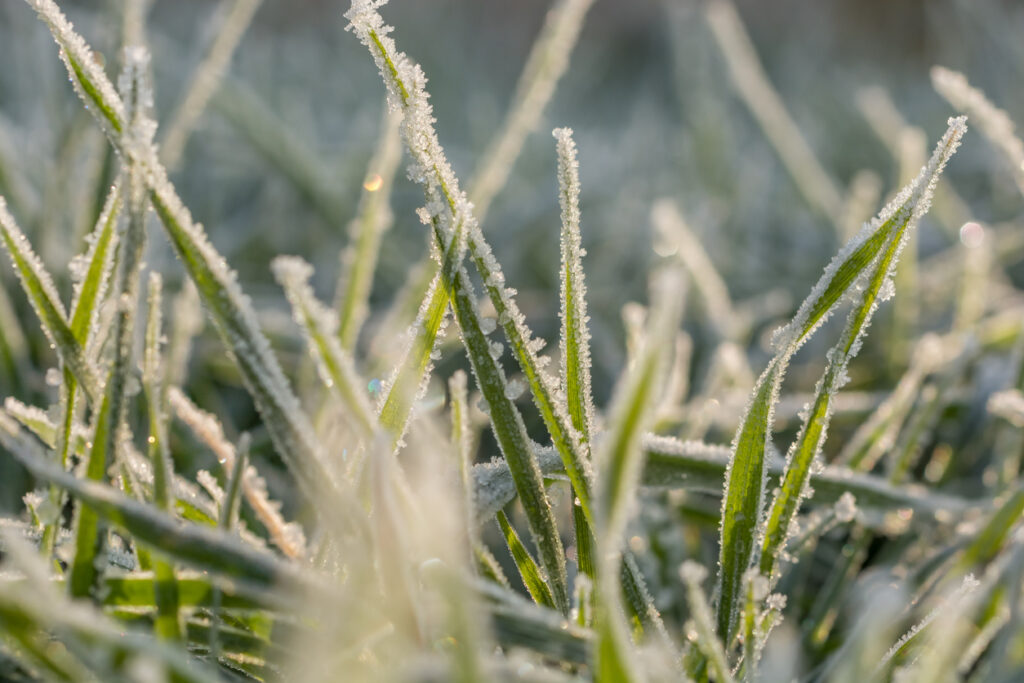
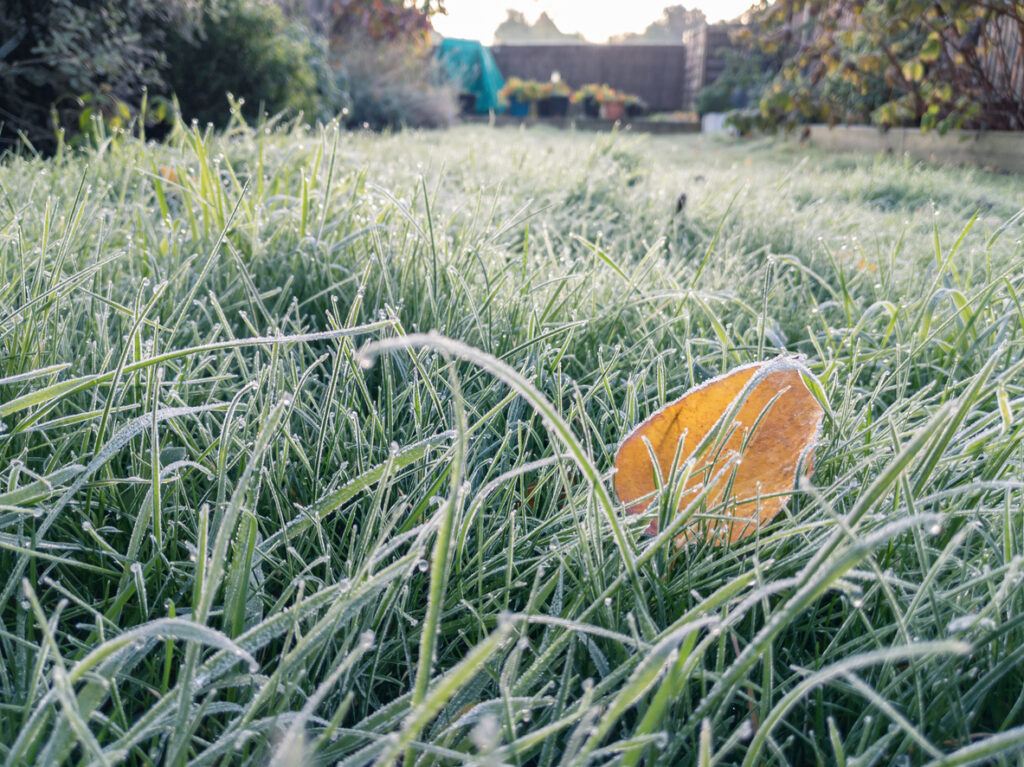
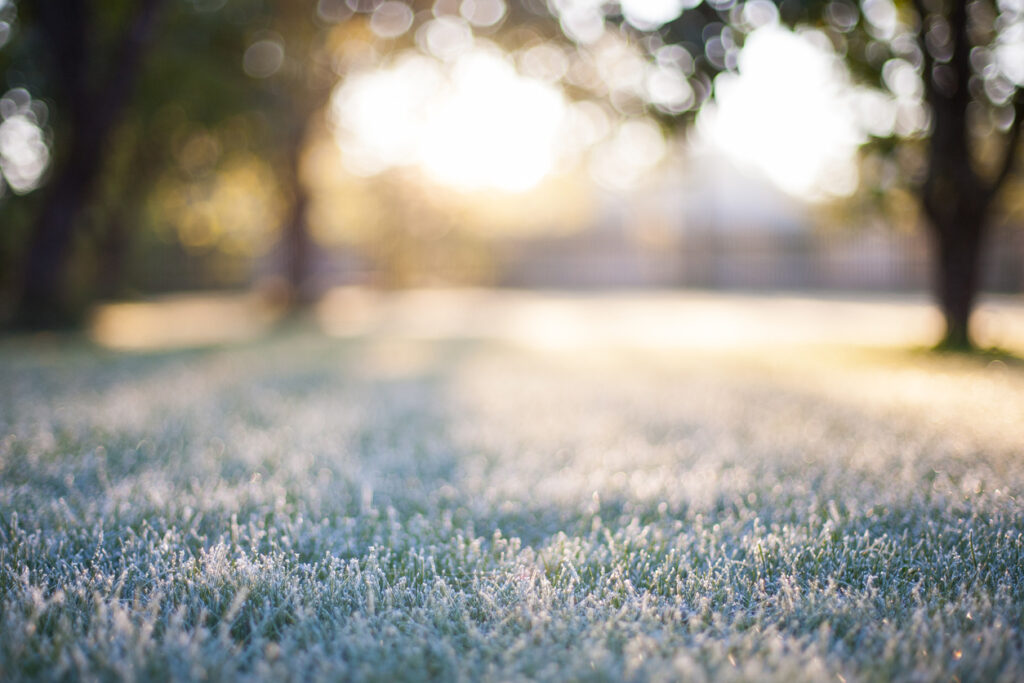
Frost can damage freshly cut grass tips.
Freshly cut grass blades are more exposed than longer ones, especially at the tips where moisture gathers. If frost hits soon after mowing, those exposed ends can freeze and become damaged. Unfortunately, the damage often isn’t obvious straight away. By spring, you may notice brown tips, thinning patches, or uneven growth, all traced back to grass that was cut when frost was still a regular risk.
You increase the risk of soil compaction.
Winter soil tends to be wetter and softer, particularly after heavy rain. Walking back and forth with a mower presses that wet soil down, squeezing out air pockets that grass roots rely on. Compacted soil drains poorly and limits root growth, which weakens the lawn long after winter ends. Even one or two winter mowing sessions can contribute to problems that take an entire growing season to undo.
Grass blades tear instead of cutting cleanly.
Cold, damp grass doesn’t slice as neatly as dry, actively growing grass. Mower blades tend to tear the grass rather than produce a clean cut, especially if the mower isn’t freshly sharpened. Torn grass heals slowly and creates open entry points for disease. This makes the lawn more vulnerable to fungal problems that thrive in cool, wet winter conditions.
You encourage moss to take over.
Moss loves winter conditions: damp, shaded, compacted ground with weakened grass. Mowing grass short during winter gives moss even more opportunity to spread. By spring, lawns that were repeatedly cut in winter often show heavier moss coverage. The grass struggles to compete, leaving bare or spongy areas that need extra work later on.
You reduce the grass’s natural insulation.
Longer grass acts as a protective layer for the soil beneath it. It helps buffer temperature swings and shields the crown of the plant from cold air. Cutting grass too short in winter removes this protection. The soil cools faster, roots are exposed to harsher conditions, and recovery in spring can be noticeably slower.
Wildlife loses valuable shelter.
Even a simple lawn provides winter refuge for insects, worms, and small creatures. Slightly longer grass offers insulation and protection during cold spells. Frequent mowing reduces this shelter at a time when wildlife already has fewer options. Leaving grass longer through winter supports garden ecosystems without requiring any extra effort.
You risk damaging the lawn surface itself.
Frozen or waterlogged ground is far more vulnerable to surface damage. Mower wheels can leave ruts, especially on slopes or softer areas. These ruts often remain visible long into spring and summer. Repairing them usually means extra reseeding and levelling work that could have been avoided entirely.
The lawn may look worse rather than better.
Winter mowing often produces a patchy, uneven finish. Grass grows at different rates in cold conditions, and mowing highlights these inconsistencies. Instead of a tidy lawn, you may end up with uneven colour, flattened sections, and visible wheel marks that make the garden look more neglected, not less.
You delay stronger growth in spring.
Grass stores energy over winter to fuel spring growth. Cutting too much during the cold months reduces the leaf area needed for photosynthesis. That means the lawn starts spring with less energy, leading to slower greening, weaker growth, and a longer wait for that healthy, full look to return.
You increase the chance of fungal disease.
Cool, damp conditions are ideal for lawn diseases such as fusarium patch. Damaged grass from winter mowing is more susceptible to infection. Once disease takes hold, it can spread quickly across weakened turf. Treating it often requires more intervention than simply leaving the grass alone through winter.
Skipping winter mowing usually causes fewer problems.
For most UK lawns, leaving the grass alone during winter does far less harm than cutting it. Growth naturally slows, and slightly longer grass offers protection rather than mess. If the lawn looks untidy, raising the mower height and cutting only during mild, dry spells can reduce risk, but in many cases, waiting until spring is the healthiest choice for the grass.