When dinosaurs ruled the planet, the Earth looked completely different, but the forces that shaped their world are the same ones changing ours today.
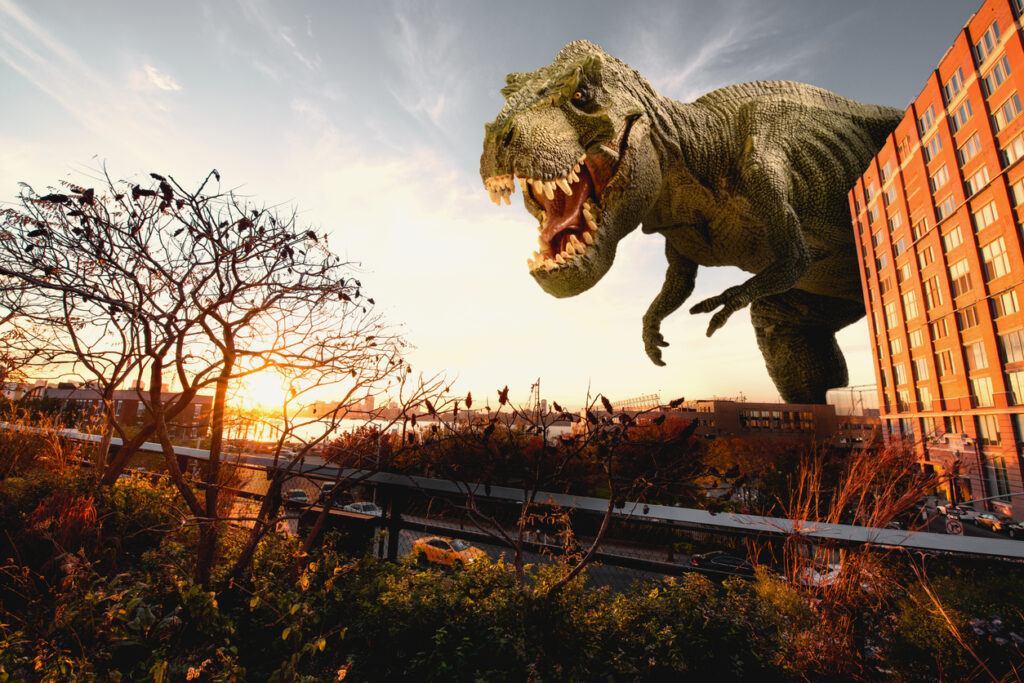
Studying the ancient climate gives scientists a window into what happens when carbon levels rise, oceans warm, and ecosystems are pushed to the brink. The fossil record doesn’t just tell us how dinosaurs lived; it shows how they adapted, migrated, and eventually vanished when the planet became too unstable to sustain them.
By examining ancient rock layers, trapped air bubbles, and preserved plant life, researchers can trace how dramatic climate changes unfolded millions of years ago. It’s a warning written in stone, showing that when temperatures rise too fast, life struggles to keep up. The story of the dinosaurs isn’t only about extinction, it’s about how fragile Earth’s balance can be when pushed beyond its limits.
Earth’s climate has never been static.
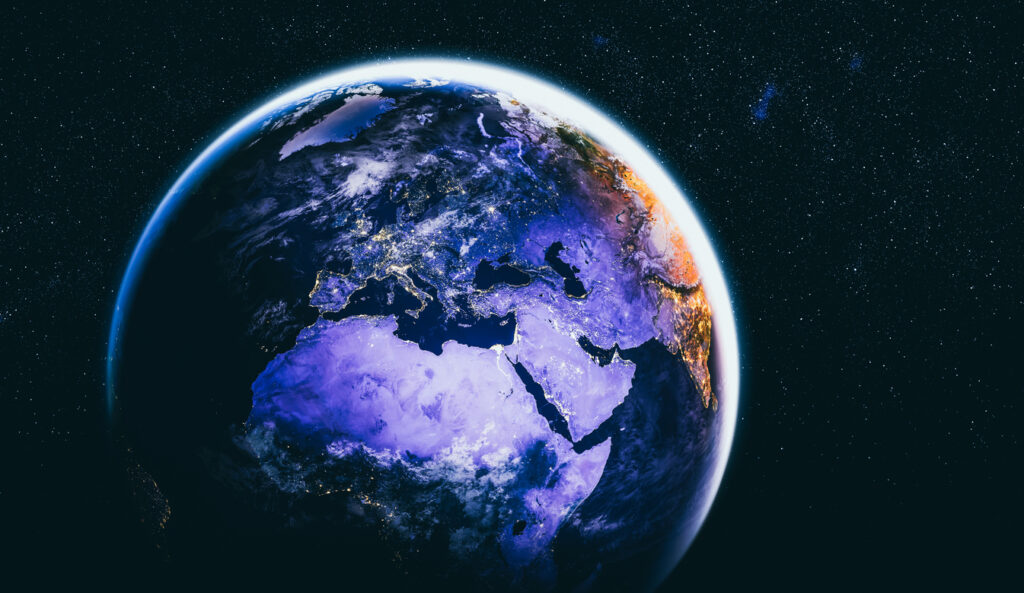
During the time of the dinosaurs, the planet swung between extreme heat, rising seas, and moving continents. The atmosphere carried far higher levels of carbon dioxide, creating vast rainforests and polar regions without ice. Climate has always been a moving target.
That long history reminds us that stability is rare. Earth can adapt, but the process is slow and sometimes harsh. When conditions change quickly, even the most powerful species struggle to keep pace, showing how delicate balance really is.
The warm world helped life thrive… up to a point.
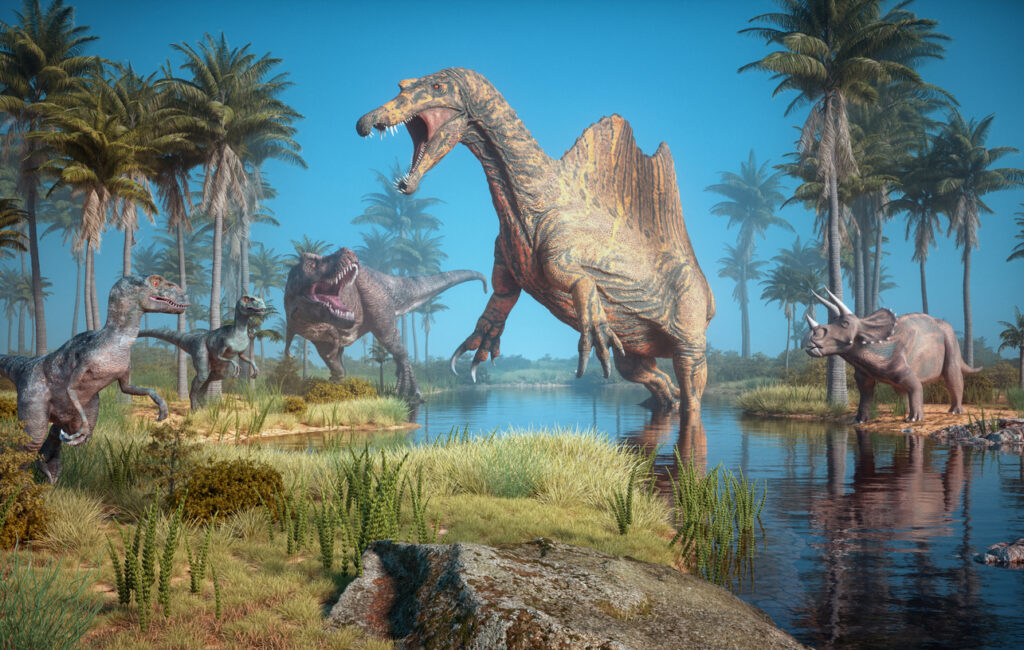
The Mesozoic era was lush and humid, helping plants and animals grow to enormous sizes. Life flourished under warmth, but those same conditions also brought droughts, floods, and unstable ecosystems. Prosperity and pressure went hand in hand. This duality mirrors our present. A warmer climate might boost growth in some places, but it also breeds extremes elsewhere. The same energy that fuels life can also destabilise it when pushed too far.
Rapid change is the real danger.
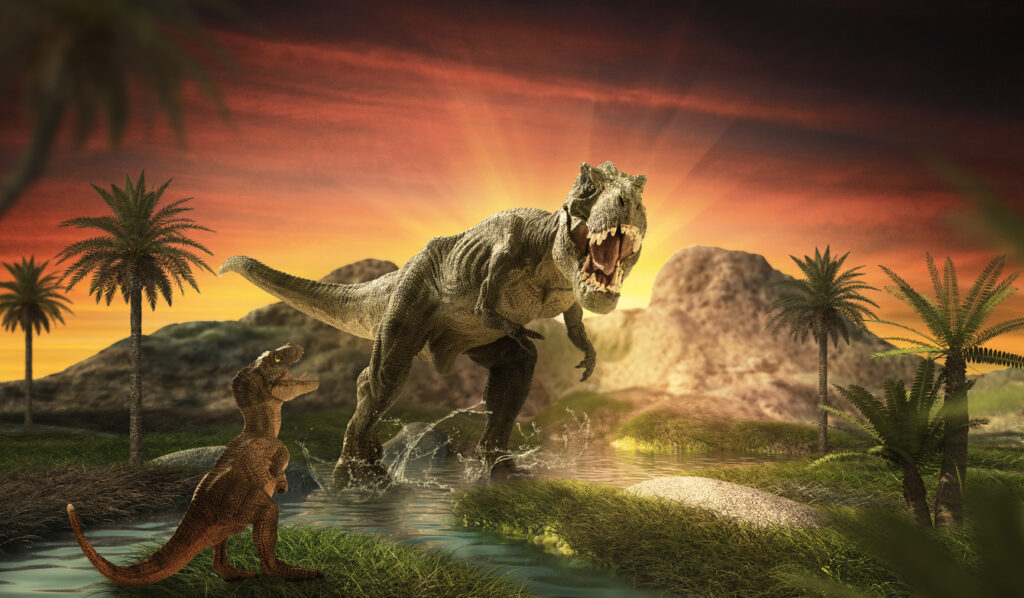
Dinosaurs could cope with gradual changes, but when change arrived suddenly, everything collapsed. Massive volcanic eruptions and asteroid impacts triggered cooling, acid rain, and darkness that even millions of years of adaptation couldn’t overcome. That speed is what matters most. Today’s climate is changing in decades, not millennia. When the planet changes faster than species can evolve, survival becomes a race most cannot win.
Greenhouse gases rewrite the planet’s rules.
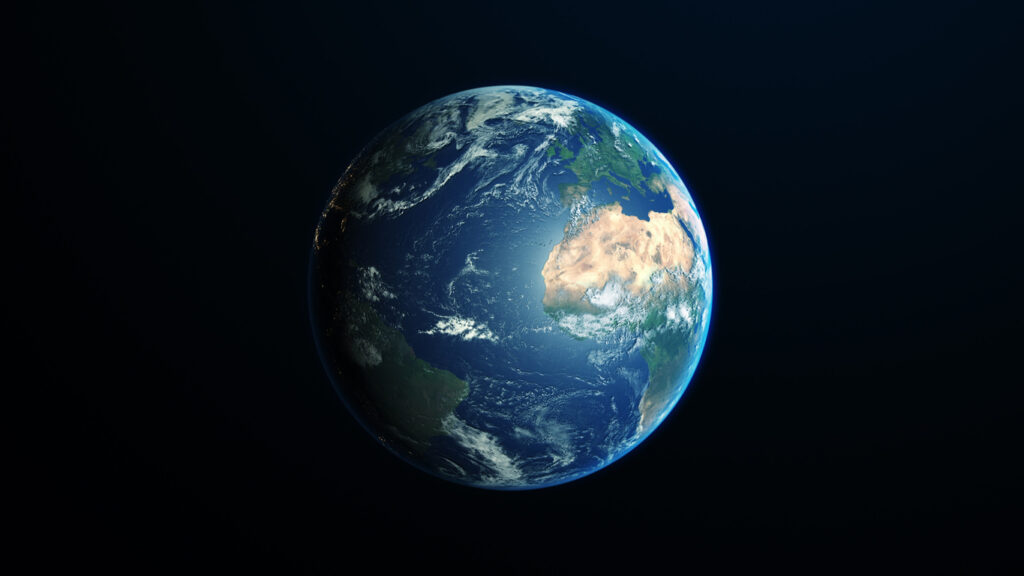
When carbon levels soared during the Mesozoic, it transformed the world. Tropical forests spread toward the poles, ocean temperatures rose, and oxygen levels dropped in places that once teemed with life. Even the chemistry of the air itself was altered. We’re repeating a smaller, faster version of that process now. The atmosphere doesn’t forget what we release into it. The gases we emit today will influence life long after our generation has gone.
Losing biodiversity weakens resilience.
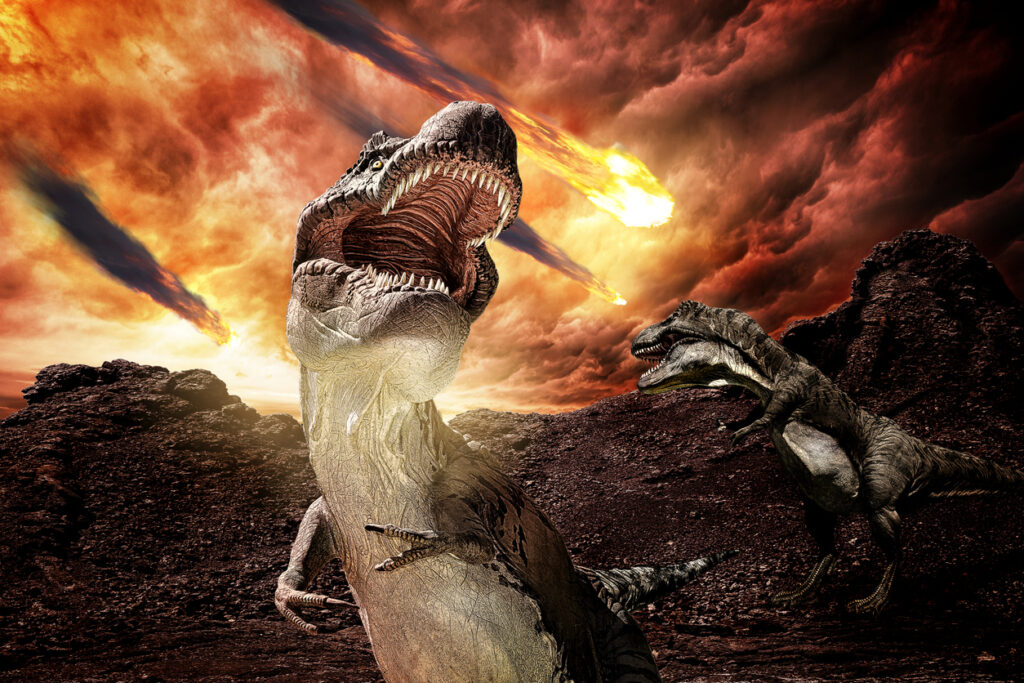
When dinosaurs began to decline, so did many plants, insects, and marine species around them. The web of life weakened, making it harder for the planet to recover when disaster struck. Every extinction made the system less flexible. That pattern still holds true. The more species we lose, the fewer natural defences the Earth has against crisis. Biodiversity isn’t just decoration; it’s a safety net that keeps the world functioning when things go wrong.
Ecosystems depend on balance, not dominance.
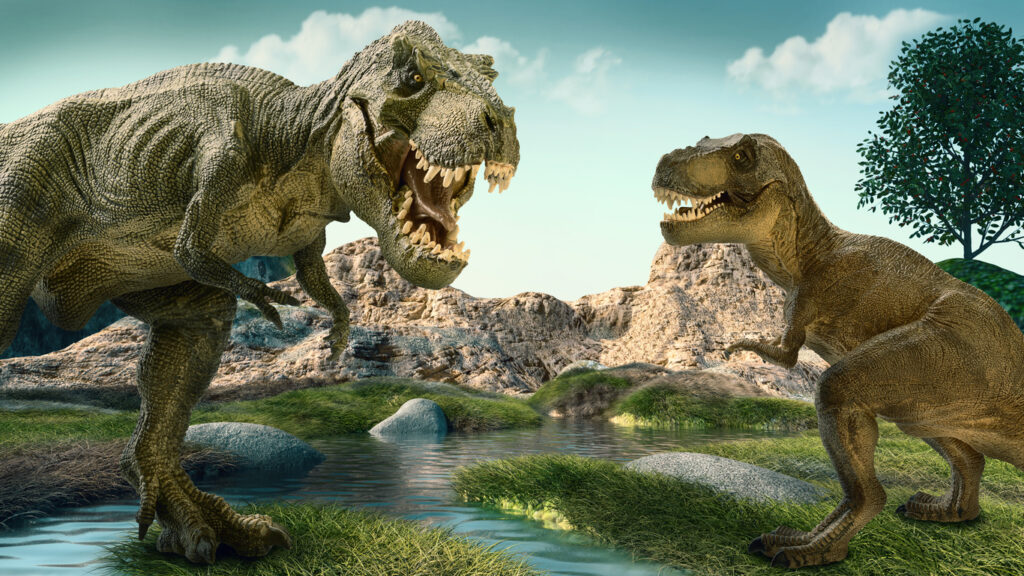
Dinosaurs ruled their world, but they relied on countless smaller creatures for stability: the pollinators, decomposers, and prey species that held the chain together. When climates changed, those quiet foundations started to crumble first. Modern society often behaves like we’re immune to those same laws. Yet when small systems fail, such as crops, soils, and insects, the whole structure wobbles. The dinosaurs show that no species, however dominant, stands alone.
Geography shaped survival.
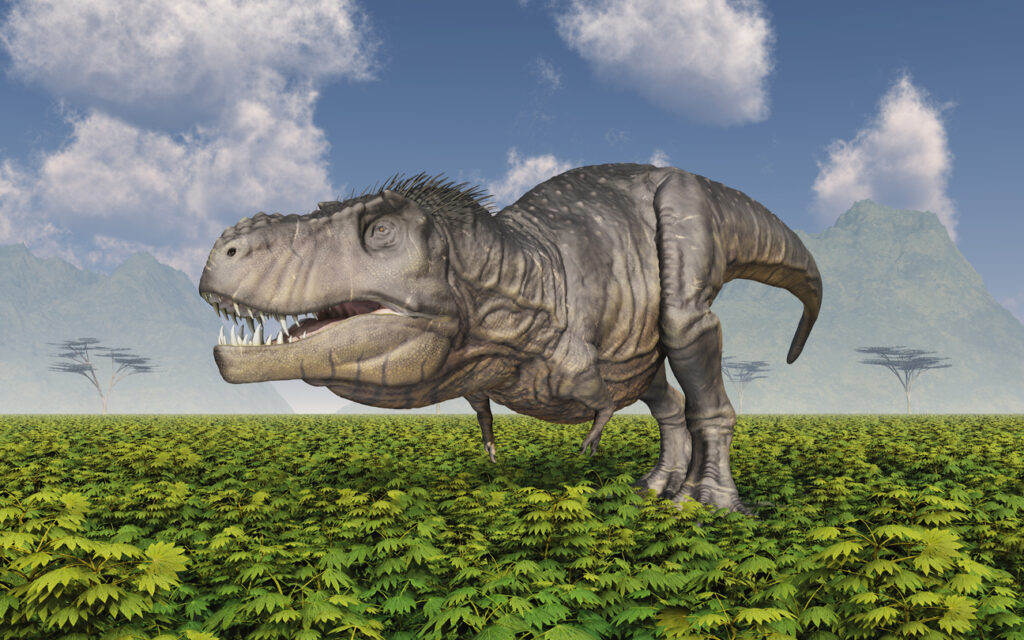
As continents drifted apart, new mountain ranges and oceans formed, changing rainfall, temperature, and migration routes. Some dinosaur groups thrived in the new conditions, while others vanished because they couldn’t adapt to altered landscapes. Today’s changes in rainfall and sea levels are doing something similar. Climate change doesn’t just alter weather; it redraws maps. Coastal areas shrink, deserts spread, and whole ecosystems are forced to start again somewhere new.
Catastrophes leave long shadows.
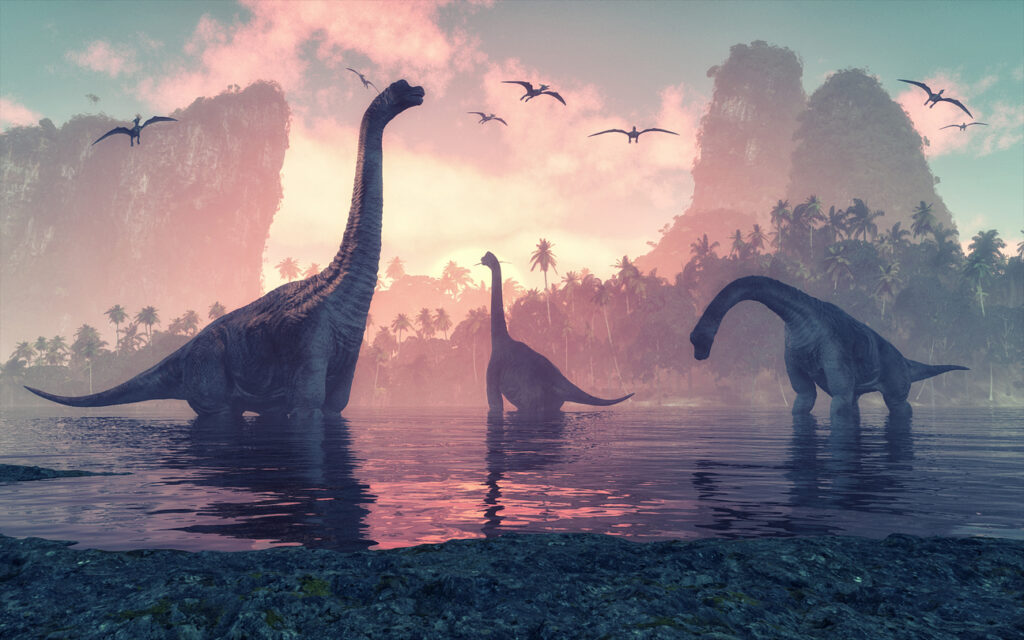
The asteroid impact that ended the dinosaurs didn’t just cause instant destruction. In fact, it changed global conditions for centuries. Sunlight was blocked, temperatures plummeted, and food chains collapsed before they could rebuild. Recovery took millions of years. That’s the true warning: nature heals, but painfully slowly. If we cause too much damage, the planet will recover eventually, but not within any timescale that benefits us or the species we depend on.
Polar regions reveal climate’s reach.
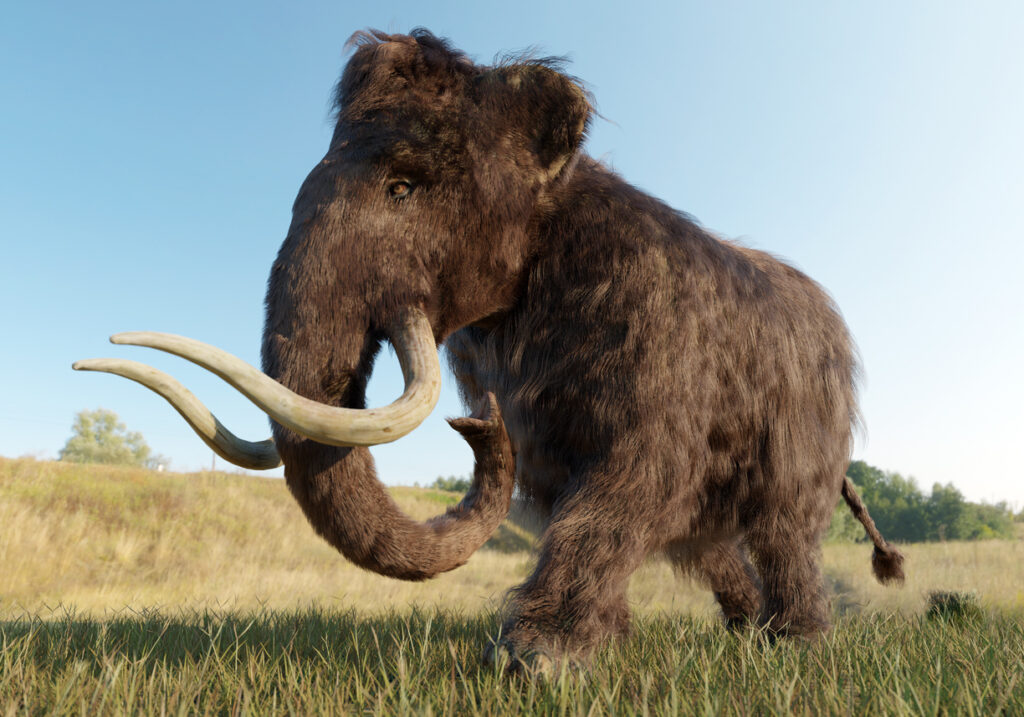
Fossils show that dinosaurs once lived near the poles, meaning those regions were warm enough to support forests and reptiles year-round. Even small increases in global temperature were amplified dramatically in these areas, changing entire ecosystems. That’s still happening today. The poles react faster to warming than anywhere else. Watching how they transformed in the past helps us see that ice loss isn’t just local; it reshapes the whole planet’s balance.
Climate feedback loops speed things up.
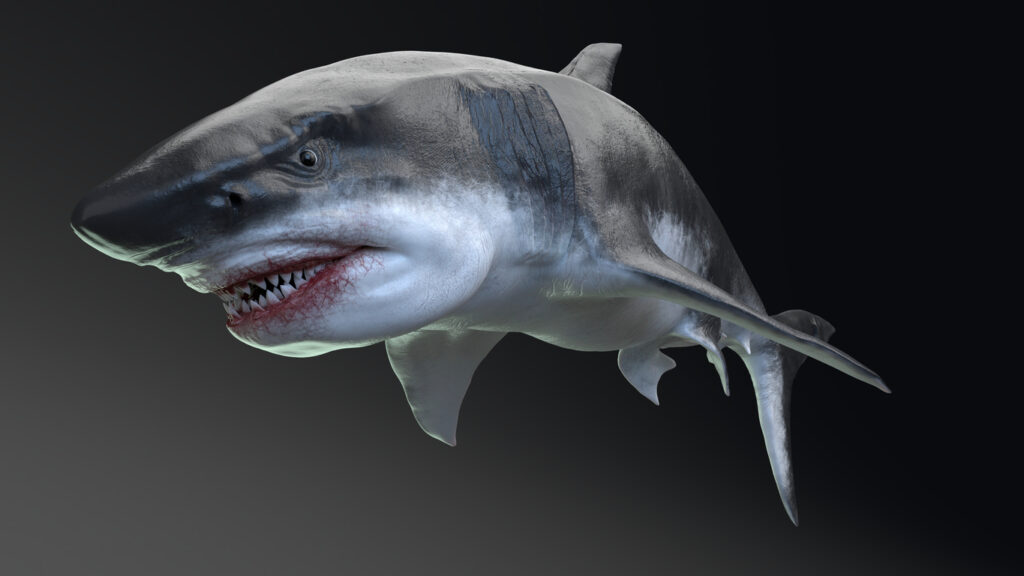
In the dinosaur era, warming oceans released more carbon, and dying plants stored less. These processes fed on themselves, accelerating change. Once feedback loops began, they were nearly impossible to stop. Our world works the same way. Melting permafrost, vanishing forests and warmer seas all release more greenhouse gases, pushing the system further out of balance. The past warns us that climate change rarely moves in a straight line.
Extinction is rarely just one cause.
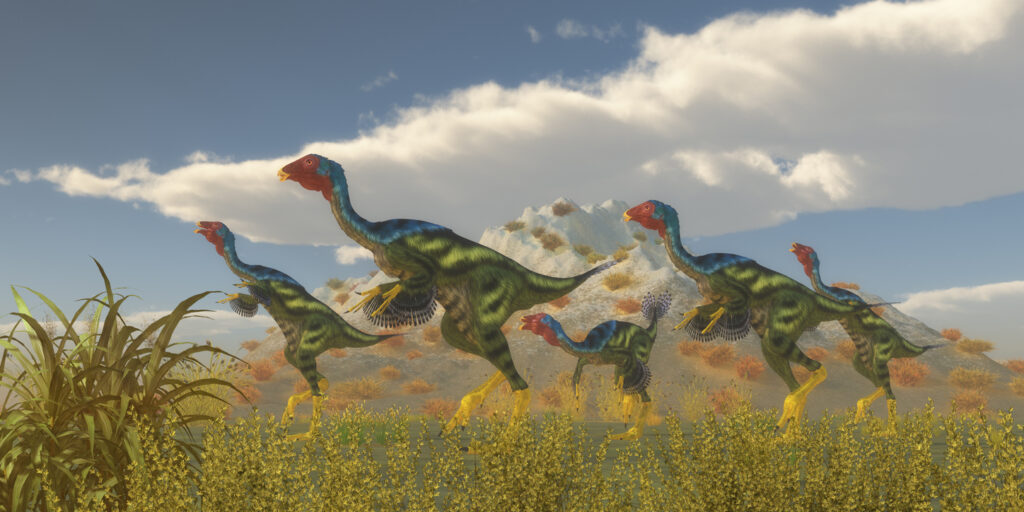
The dinosaurs didn’t vanish from a single disaster. It was a combination of pressures: changing climates, volcanic gases, altered oceans and the final asteroid blow. Collapse often happens when several stress points overlap at once.
We face a similar pattern now: warming, habitat loss, pollution and overuse of resources all combining into something bigger than any one problem. History shows that ignoring links between crises is what turns challenges into catastrophes.
Life can recover, but it never returns the same.
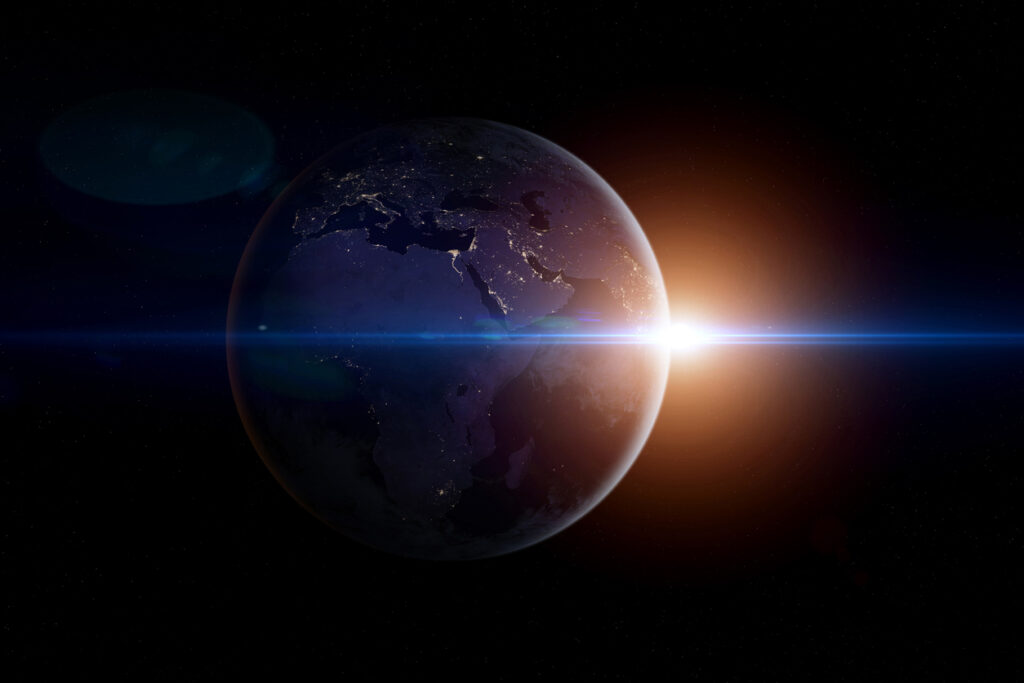
After the dinosaurs died out, mammals evolved and took their place. Earth continued, but in a completely new form. Once ecosystems reset, they don’t go back; they reinvent themselves from what survives. That’s both hopeful and sobering. The planet will endure whatever happens, but the version of it we know might not. What the dinosaurs really teach us is that change is inevitable, but the speed and severity of it are still up to us.